


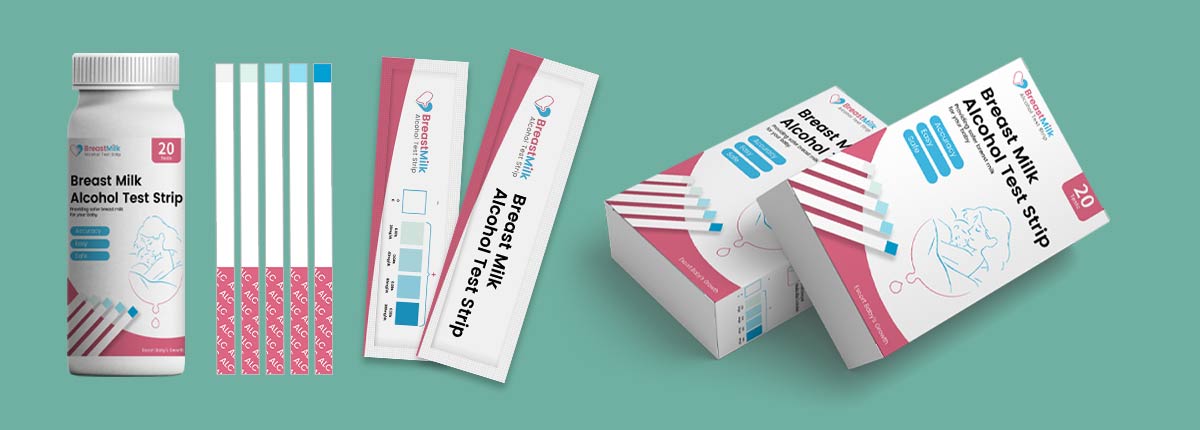
Alcohol in breast milk raises concerns for many parents. Recent research shows limited links between drinking alcohol while breastfeeding and long-term developmental harm in infants. Parents can use tools like breast milk alcohol test strips to help make safe choices. The following table summarizes key findings from recent studies:
| Finding | Description |
|---|---|
| Cognitive and Motor Delays | Evidence remains limited regarding lasting cognitive or motor delays in infants. |
| Sleep Disturbances | Some reports connect maternal alcohol use to sleep disturbances in children. |
| Gross Motor Delays | Alcohol intake may relate to gross motor delays, especially among boys. |
| Asthma Risk | Increased asthma risk observed with high maternal alcohol intake during pregnancy. |
| Inconsistency | Results vary due to small sample sizes and confounding factors. |
| Comparison with Smoking | Maternal smoking shows stronger links to adverse outcomes than alcohol exposure. |
Experts recommend evidence-based guidance to help parents protect their child’s health.
Key Takeaways
- Moderate alcohol consumption while breastfeeding may not cause permanent harm, but heavy drinking increases risks for developmental delays.
- Timing is crucial; wait at least two hours after drinking before breastfeeding to minimize alcohol exposure to the baby.
- Monitor your baby for signs of drowsiness, weakness, or disrupted sleep after breastfeeding, as these may indicate alcohol exposure.
- Consider using previously expressed milk if you drink alcohol, ensuring your baby receives safe nutrition.
- Consult healthcare providers for personalized guidance and support regarding alcohol use while breastfeeding.
Long-Term Effects of Alcohol in Breast Milk
Developmental Delays
Researchers have explored how alcohol in breast milk may influence a child’s development over time. When alcohol passes into breastmilk, it can reach the developing brain and nervous system. Studies have found that regular exposure to alcohol in breast milk can lead to decreased or delayed motor development in infants. Higher levels of exposure often result in lower scores on motor development indices.
| Findings | Description |
|---|---|
| Abstract Reasoning Ability | Dose-dependent decreases in abstract reasoning ability were observed in children aged 6–7 years whose mothers consumed alcohol while breastfeeding. |
| Academic Scores | Maternal alcohol consumption during lactation was linked to lower academic achievement in children. |
- Regular exposure to alcohol in breast milk was associated with decreased or delayed motor development in infants.
- Higher alcohol consumption through breast milk correlated with lower scores on motor development indices.
These findings suggest that drinking while breastfeeding may have subtle but measurable effects on cognitive and motor skills, especially with frequent or high intake.
Growth and Weight Issues
Growth and weight outcomes in infants exposed to alcohol in breast milk have received significant attention. When alcohol passes into breastmilk, it can affect feeding patterns and nutrient intake. Some studies indicate that excessive alcohol consumption during lactation is linked to developmental issues, including weight and linear growth from 1 to 57 months. Alcohol can also inhibit oxytocin release, leading to a 23% reduction in milk release, which may impact feeding.
| Study Description | Findings |
|---|---|
| 2004 Prospective Cohort Study | Excessive alcohol consumption during lactation is linked to developmental issues in infants, including weight and linear growth from 1 to 57 months. |
| Study on Oxytocin Release | Alcohol inhibits oxytocin release, leading to a 23% reduction in milk release, which can affect feeding patterns. |
| Study on Pulque Consumption | No significant difference in infant weight at 3 or 6 months between infants of mothers consuming pulque and those of non-drinking mothers. |
| Seattle Study | No significant differences in weights, heights, and body mass indices of infants at 1 year between mothers with regular drinking patterns and those who drank less. |
Two epidemiological studies indicated that moderate alcohol consumption during lactation may not lead to significant long-term growth deficits in infants. One study involving women in central Mexico found no significant differences in infant weight at 3 or 6 months between those whose mothers consumed a low-alcohol beverage and those whose mothers did not. Another study in Seattle showed that infants of mothers who reported regular drinking patterns had similar weights and heights to those whose mothers drank less.
Note: Research indicates that prenatal alcohol exposure, rather than exposure through breast milk alone, is more strongly linked to significant growth and weight issues. Infants whose mothers consumed an average of four or more standard drinks per day during pregnancy exhibited reduced weight, height, and head circumference at birth. These growth restrictions are largely a result of in utero exposure.
Sleep Pattern Changes
Alcohol in breast milk can also affect sleep patterns in infants. Studies show that infants experience a 25% reduction in active sleep within 3.5 hours after exposure. After a period of abstinence from alcohol, a rebound in active sleep occurs over the next 20.5 hours.
- Infants exposed to 0.3 g/kg of alcohol through breast milk have significantly reduced active and total sleep time.
- Disruption of REM sleep is also noted, with effects being more pronounced if exposure occurs within 3.5 hours of maternal alcohol consumption.
- Infants exposed to alcohol through breast milk show significant sleep disturbances compared to those who are not exposed.
- They experience decreased active sleep and total sleep, along with increased wakefulness and arousal.
- The effects on sleep patterns can last up to 24 hours after alcohol exposure.
These findings highlight that alcohol and breastfeeding can temporarily disrupt infant sleep, leading to increased wakefulness and less restorative rest.
Risks of Regular and Excessive Alcohol Exposure
Impact on Mental and Physical Milestones
Regular exposure to alcohol in breast milk can interfere with a baby’s ability to reach important mental and physical milestones. Research shows that infants exposed to alcohol through breast milk often experience developmental delays. These delays affect both physical growth and brain development. Scientists have observed reduced body and brain weights, as well as decreased cortical lengths in these infants. These measurements serve as critical indicators of developmental progress. Children exposed to ethanol through breast milk frequently show lower body weights and slower growth trajectories compared to their peers.
Babies who experience regular alcohol exposure may struggle to achieve expected milestones in motor skills, language, and cognitive abilities.
- Developmental delays
- Changes in sleep patterns
- Decreased milk intake
Signs of Drowsiness and Weakness
Babies exposed to alcohol in breast milk often display signs of drowsiness and weakness. These symptoms can appear shortly after drinking alcohol and breastfeeding. The following table summarizes common effects and symptoms:
| Effects of Alcohol on Breastfed Infants | Symptoms of Alcohol Exposure in Breastfed Infants |
|---|---|
| Drowsiness | Unusual drowsiness or deep sleep |
| Deep sleep | Trouble feeding or latching |
| Weakness | Irritability or increased crying |
| Abnormal weight gain | Slower motor reflexes |
| Poor weight gain over time |
Serious symptoms may include lethargy, low body temperature, and breathing difficulties. These signs indicate that alcohol exposure can impact a baby’s nervous system and overall health.
Unhealthy Weight Gain
Unhealthy weight gain is another risk associated with regular and excessive alcohol exposure. Babies may experience abnormal weight patterns, including poor weight gain or stunted growth. Some infants show dysfunctional sleep patterns, heightened stress responses, and reduced immune function. Delayed motor skill development and increased risk of cognitive impairment also occur.
- Drowsiness
- Weakness
- Stunted growth
- Reduced immune function
Parents should monitor their baby’s growth and behavior closely if they consume alcohol while breastfeeding. Early detection of these symptoms can help prevent long-term health issues.
Factors Affecting Alcohol in Breast Milk Risks
Amount and Frequency of Alcohol
The amount and frequency of alcohol a mother drinks play a major role in the risk level for infants. Higher intake leads to greater alcohol concentration in breast milk. Frequent drinking alcohol increases the chance of repeated exposure for the baby. The following table summarizes how different factors influence risk:
| Factor Influencing Risk Level | Description |
|---|---|
| Maternal Alcohol Consumption | Affects milk composition and production through hormonal and gene expression mechanisms. |
| Alcohol Concentration in Milk | Infant exposure may be less than 2% of maternal consumption, but the actual concentration in the infant’s circulation is crucial for biological impact. |
| Neonatal Liver Function | Infants metabolize alcohol poorly compared to adults, leading to prolonged effects. |
| Milk Quality and Quantity | Maternal consumption may influence postpartum weight changes and developmental milestones in infants. |
A single drink may result in low levels of alcohol in breast milk, but repeated or high intake can increase risks. Babies with immature liver function cannot process alcohol efficiently, which means even small amounts can have a stronger effect.
Baby’s Age and Health
A baby’s age and overall health determine how their body handles alcohol exposure. Newborns and young infants have underdeveloped livers. They clear alcohol from their systems much more slowly than older babies. Premature infants or those with health issues face higher risks from even small amounts of alcohol. Older infants may tolerate brief, low-level exposure better, but caution remains important.
Tip: Parents should consider their baby’s age and health status before breastfeeding after drinking alcohol.
Maternal Metabolism
A mother’s metabolism affects how quickly her body processes and clears alcohol. Several factors influence this process:
- Maternal body weight changes the amount of alcohol transferred to breast milk.
- The rate of alcohol metabolism determines how long alcohol stays in the milk.
- The amount consumed sets the concentration in breast milk.
- Peak alcohol levels in breast milk usually occur 30 to 60 minutes after drinking.
- Detectable alcohol can remain in breast milk for 2 to 3 hours after one drink, 4 hours after two drinks, 6 hours after three drinks, and up to 10 hours after four drinks.
Mothers with faster metabolism may clear alcohol more quickly, reducing the window of risk for their infants. Timing feeds to avoid peak alcohol levels can help minimize exposure.
Safe Breastfeeding Practices
Timing After Drinking
Timing plays a crucial role in reducing the risks associated with breastfeeding and drinking alcohol. Alcohol in breast milk reaches its highest concentration about 30 to 60 minutes after drinking alcohol. Experts recommend waiting at least two hours after consuming a single drink before breastfeeding. This practice allows the body to metabolize alcohol and lowers the amount present in breast milk. Mothers can use previously expressed milk if immediate feeding is necessary. The following table summarizes safe timing recommendations:
| Recommendation | Details |
|---|---|
| Wait Time | Wait at least 2 hours after consuming a single drink before breastfeeding. |
| Alcohol Detection | Alcohol levels peak in breast milk 30-60 minutes after drinking and remain detectable for 2-3 hours per drink. |
| Expressed Milk | Use previously expressed milk for feeding if waiting is not possible. |
Tip: Monitoring the infant for behavioral changes after feeding can help identify any effects from alcohol exposure.
Using Breast Milk Alcohol Test Strip
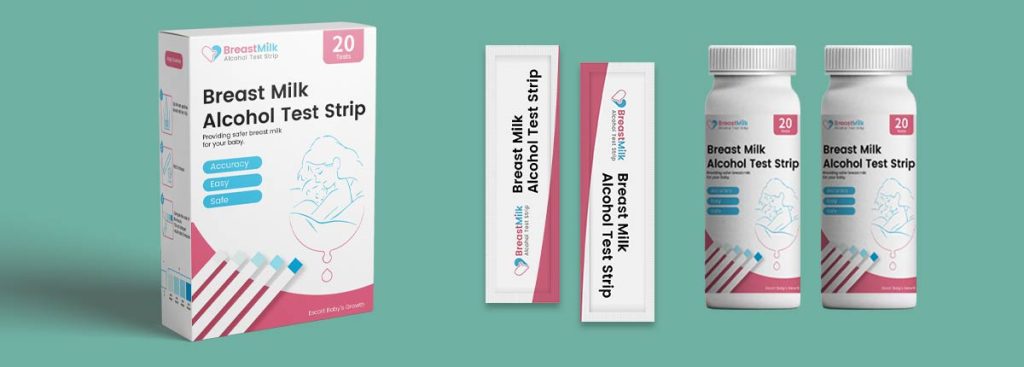
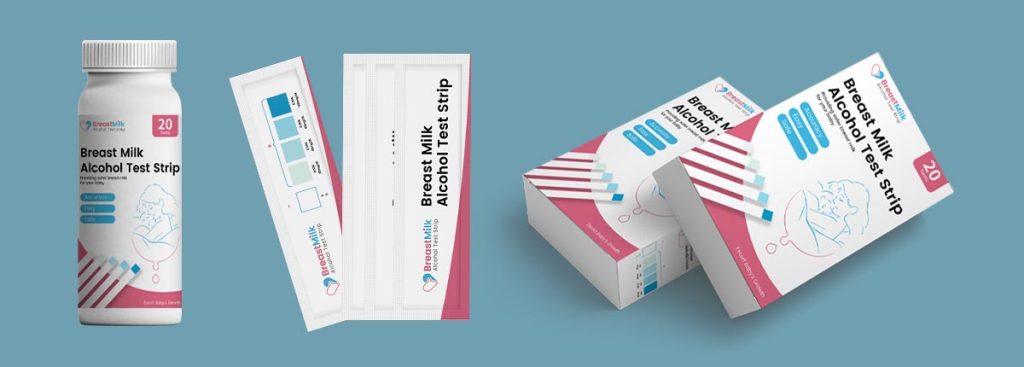
Some parents consider using a breast milk alcohol test strip to check for alcohol levels before feeding. Health professionals caution that these strips lack accuracy and reliability. The American Academy of Pediatrics states that breast milk alcohol test strips are unnecessary and insufficiently researched. Lactation consultants describe them as inaccurate and not cost-effective. Medical experts recommend limiting alcohol intake and relying on timing rather than test strips for safety. Careful observation and moderation remain the best strategies.
Minimizing Risks
Several strategies help minimize risks when breastfeeding and drinking alcohol. Mothers should avoid drinking alcohol while breastfeeding until the baby is at least eight weeks old. Feeding the baby before drinking alcohol reduces exposure. Pumping and saving milk before drinking provides a safe alternative for later feedings. Limiting alcohol intake to one drink and waiting at least two hours before breastfeeding again lowers risk. Eating food or drinking juice while consuming alcohol can also help. Pumping and dumping does not reduce alcohol levels in breast milk; alcohol concentration decreases as the mother’s blood alcohol level drops. Higher alcohol consumption can inhibit oxytocin, which affects milk production and availability.
- Avoid alcohol until the baby is eight weeks old.
- Feed the baby before drinking alcohol.
- Pump and save milk before drinking.
- Limit intake to one drink.
- Wait at least two hours before breastfeeding again.
- Eat food or drink juice while consuming alcohol.
Note: Pumping and dumping is only necessary if the mother feels discomfort or needs to maintain milk supply, not to remove alcohol from breast milk.
When to Seek Help?
Increased Developmental Risks
Heavy alcohol use during breastfeeding can lead to serious and lasting effects on a baby’s health. Infants exposed to high levels of alcohol in breast milk may experience more pronounced developmental delays. These delays can affect both physical growth and brain development. Babies may show reduced muscle tone, slow weight gain, and difficulty reaching important milestones. Some infants display unusual drowsiness, disrupted sleep patterns, and decreased alertness. Others may have trouble feeding or show weak sucking reflexes.
Parents should watch for the following warning signs in their babies:
- Difficulty latching
- Weak sucking or reduced milk intake
- Unusual drowsiness or lethargy
- Disrupted sleep patterns and frequent waking
- Slow weight gain
- Delayed muscle development and coordination
- Weakness or floppiness
- Increased irritability and fussiness
- Changes in regular sleep-wake cycles
- Decreased alertness
- Difficulty being comforted
- Changes in regular feeding patterns
- Reduced responsiveness to surroundings
- Unusual crying patterns
If a baby shows several of these symptoms, the parent should seek professional help. Drinking alcohol in large amounts increases the risk of these developmental problems.
Support and Resources
Support is available for breastfeeding mothers who struggle with alcohol use. The InfantRisk Center provides an app called MommyMeds, which helps parents check medication safety while breastfeeding. The center also offers a nurse-staffed call line for personalized support. Local treatment centers can provide specialized care, including family therapy. Some facilities, such as Ardu’s women-focused rehab center, offer evidence-based treatment for mothers who want to overcome alcohol addiction.
Mothers who consume alcohol should avoid breastfeeding after more than two drinks. They can use previously pumped milk or pump and dump if necessary. These steps help protect the baby’s health while supporting the mother’s recovery journey.
Early intervention and access to resources can make a significant difference for both mother and child.
Conclusion
Research shows that moderate alcohol consumption can be managed safely with proper timing and awareness.
“I go by the generally accepted advice for IBCLCs, which is to limit alcohol intake to the equivalent of 8 ounces of wine, or 2 beers, and waiting 2 hours after drinking to resume breastfeeding.”
Healthcare providers, such as lactation consultants and pediatricians, offer personalized guidance. Parents can find reliable information from BabyCenter, the American Academy of Pediatrics, La Leche League International, and the U.S. Office on Women’s Health.
- Engage with other mothers for support.
- Access CDC guidelines and LactMed for evidence-based advice.
FAQ
Can Alcohol in Breast Milk Cause Permanent Harm?
Research shows that moderate alcohol exposure rarely causes permanent harm. Heavy or frequent drinking increases risks for developmental delays. Healthcare providers recommend limiting alcohol intake during breastfeeding.
How Long Does Alcohol Stay in Breast Milk?
Alcohol peaks in breast milk 30–60 minutes after drinking. One standard drink remains detectable for about 2–3 hours. Waiting before breastfeeding reduces exposure.
Should Mothers Pump and Dump After Drinking Alcohol?
Pumping and dumping does not remove alcohol from breast milk. Alcohol leaves the milk as it leaves the bloodstream. Mothers should wait before breastfeeding or use previously expressed milk.
Are Breast Milk Alcohol Test Strips Reliable?
Experts caution that breast milk alcohol test strips lack accuracy. Most professionals recommend timing feeds and limiting intake instead of relying on test strips.
What Signs Indicate Alcohol Exposure in Babies?
Babies may show drowsiness, weakness, poor feeding, or disrupted sleep. Parents should monitor for unusual behavior and consult a healthcare provider if symptoms persist.