


Many parents wonder if alcohol in breast milk affects their baby’s brain and gut health. Studies on animals and humans show that exposure may lower body and brain weights, disrupt nutrient absorption, and cause changes in behavior. Parents often worry about safety, healthy development, and how to make informed choices.
- Safety of feeding after alcohol consumption
- Impact on infant growth and stress response
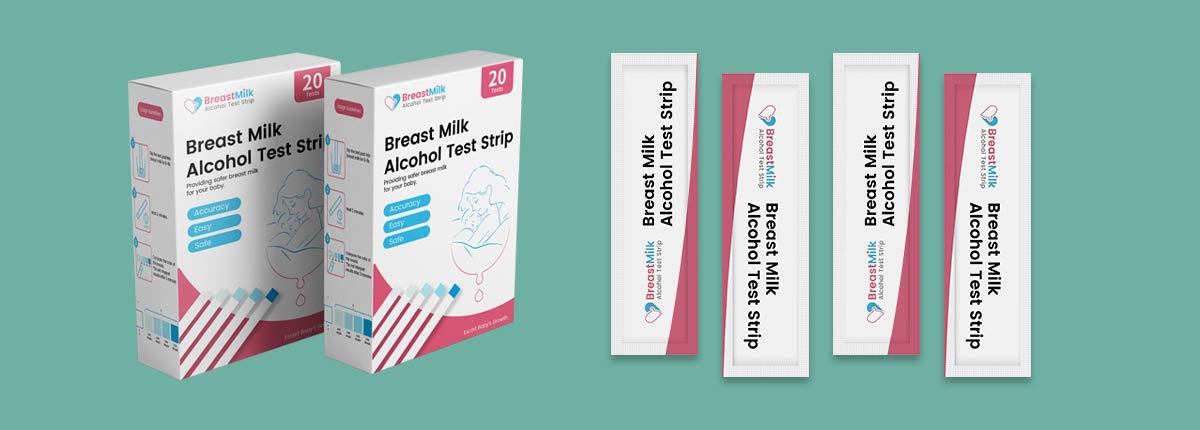
Breast milk alcohol test strips can help parents check alcohol levels and support safe feeding decisions.
Key Takeaways
- Alcohol in breast milk can harm infant brain development, leading to smaller body and brain growth.
- Infants exposed to alcohol may experience sleep disturbances and feeding difficulties, affecting their overall growth.
- Timing matters: wait at least 2 hours after drinking before breastfeeding to reduce alcohol exposure.
- Breast milk alcohol test strips can help mothers check for alcohol and make safe feeding choices.
- Moderation is key; occasional drinking may be safe, but regular alcohol use can have serious effects on infants.
Alcohol in Breast Milk: Immediate and Long-Term Effects
Impact on Infant Brain and Development
Alcohol in breast milk can affect infant brain development both immediately and over time. Researchers have observed that alcohol exposure during breastfeeding may cause smaller body and brain growth, decreased cortical length, and behavioral changes. These effects can appear soon after exposure and may persist as the child grows.
Research indicates that alcohol exposure through breast milk can lead to significant immediate effects on infants, including smaller body and brain growth, decreased cortical length, and behavioral issues such as increased hyperactivity and abnormal stress regulation.
Recent studies show that infants exposed to alcohol in breast milk often reach cognitive milestones later than their peers. Psychomotor Development Index (PDI) scores tend to be lower in infants whose mothers consume at least one alcoholic drink daily while breastfeeding. The difference in PDI scores remains significant even after accounting for other factors like maternal smoking and formula supplementation. The negative impact on motor development persists, suggesting that alcohol exposure can influence brain function and behavior well beyond infancy.
- Infants of breastfeeding mothers who consumed at least one alcoholic drink daily had lower Psychomotor Development Index (PDI) scores (mean PDI score of 98) compared to those exposed to less alcohol (mean PDI score of 103).
- The difference in PDI scores had a 95% confidence interval ranging from 1.2 to 9.8.
- The negative impact on motor development was more pronounced when excluding mothers who supplemented breastfeeding with formula.
- The detrimental effect on motor development persisted even after controlling for over 100 confounding variables, including maternal smoking and drug use.
Long-term risks associated with alcohol in breast milk include changes in IQ, brain size, and behavioral outcomes. Children exposed to alcohol during breastfeeding may show higher risk-taking behavior, abnormal stress regulation, and increased hyperactivity as they grow older.
- Exposure to alcohol through breast milk is linked to smaller body and brain growth.
- Decreased cortical lengths have been observed in subjects exposed to alcohol.
- Behavioral outcomes include higher risk-taking behavior, abnormal stress regulation, and increased hyperactivity.
Effects on Sleep, Feeding and Growth
Alcohol in breast milk can disrupt infant sleep patterns and feeding behaviors. Infants exposed to alcohol may experience drowsiness, deep sleep, and abnormal weight gain. Sleep disturbances, increased crying, and increased startling are common. These effects can last up to 24 hours after alcohol exposure.
- Alcohol can lead to drowsiness, deep sleep, and abnormal weight gain in infants.
- Sleep disturbances, increased crying, and increased startling are observed in infants exposed to alcohol.
- Infants may experience increased arousal and disrupted REM sleep for up to 24 hours after exposure.
- Significant alcohol exposure can result in decreased milk intake and weight gain in infants.
- Research indicates that infants exposed to alcohol shortly after maternal consumption show stronger effects on sleep patterns.
Feeding difficulties often arise when alcohol in breast milk affects the milk ejection reflex. Infants may consume less milk, which can lead to growth retardation and delayed motor development. Sleep disruptions and reduced milk intake can also contribute to cognitive impairments, affecting memory and reasoning skills later in life.
- Alcohol exposure through breast milk can lead to delayed motor development.
- Infants may experience decreased milk intake due to the effects of alcohol on the milk ejection reflex.
- Sleep disturbances are common, including shorter sleep periods and increased wakefulness.
- Growth retardation can occur as a result of reduced milk intake and sleep disruptions.
- Cognitive impairments may develop, affecting memory and reasoning skills later in life.
Parents and caregivers should understand that alcohol in breast milk poses risks to infant development, sleep, feeding, and growth. The effects can be immediate and may persist, influencing cognitive and physical outcomes throughout childhood.
How Alcohol Enters Breast Milk?
Maternal Metabolism and Timing
Alcohol moves into breast milk through a straightforward biological process. After a mother consumes alcohol, it enters her bloodstream. The concentration of alcohol in breast milk closely matches the level found in her blood. This means that as her blood alcohol level rises, so does the alcohol content in her milk. Typically, alcohol levels in breast milk reach their peak about 30 to 60 minutes after drinking. If the mother eats food with her drink, the peak may occur a bit later, around 60 to 90 minutes. As her body metabolizes the alcohol, the levels in both her blood and milk decrease.
Tip: The timing of breastfeeding after drinking matters. Alcohol in breast milk usually drop as the mother’s body processes the alcohol.
| Evidence Type | Details |
|---|---|
| Peak Alcohol Concentration | Occurs 30 to 60 minutes after consumption |
| Detection Duration | 2 to 3 hours per drink |
| Recommendation | Wait at least 2 hours after a single drink |
Factors Affecting Alcohol Levels
Several maternal factors influence how much alcohol appears in breast milk. Body weight plays a role in how quickly the body clears alcohol. Individual metabolism also affects the rate at which alcohol is processed. The actual blood alcohol level directly determines the amount of alcohol present in breast milk.
| Maternal Factor | Influence on Alcohol Level in Breast Milk |
|---|---|
| Body Weight | Affects the clearance of alcohol from the body. |
| Individual Metabolism | Influences how quickly alcohol is processed and cleared. |
| Blood Alcohol Levels | Directly correlates with the amount of alcohol in breast milk. |
No two mothers process alcohol in exactly the same way. These differences mean that alcohol may stay in one mother’s milk longer than in another’s, even if they drink the same amount.
Using Breast Milk Alcohol Test Strips
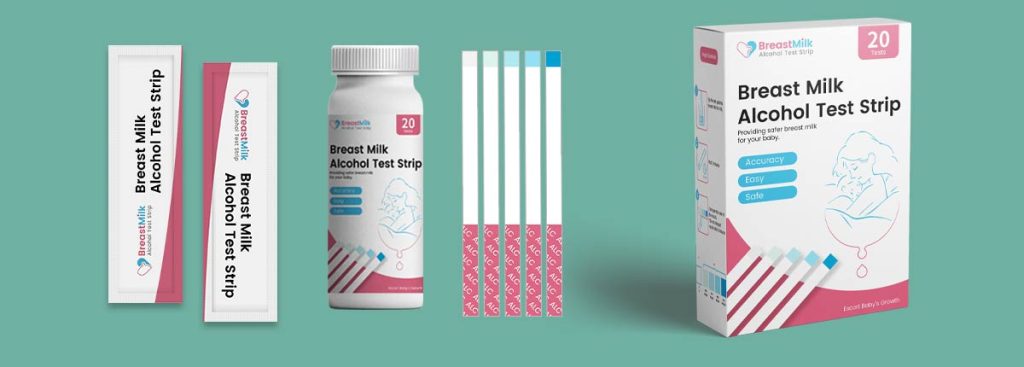
Breast milk alcohol test strips offer a practical tool for mothers who want to check the safety of their milk after drinking. These strips provide science-backed results and help avoid unnecessary pumping and dumping. The strips change color to indicate the presence or absence of alcohol, making the results easy to interpret. Healthcare professionals often use these strips for timely and accurate assessments of breast milk quality.
| Evidence Description | Key Points |
|---|---|
| Science-backed results | The strips provide reliable results to avoid unnecessary pumping and dumping. |
| Color change indication | The test strips change color to indicate the presence or absence of alcohol. |
| Healthcare reliance | Professionals use these strips for accurate assessments of breast milk. |
A breast milk alcohol test strip can give mothers peace of mind and support informed feeding decisions. The alcohol concentration in breast milk always mirrors the mother’s blood, but using a test strip offers a quick and clear answer about when it is safe to nurse.
Mechanisms Affecting Infant Development
Brain and Behavioral Outcomes
Alcohol in breast milk can disrupt several critical processes in infant brain development. Researchers have identified multiple mechanisms that explain how exposure affects neural growth:
- Alcohol can alter synaptic formation and pruning during critical periods of brain development in infants.
- It may affect axonogenesis, synaptogenesis, neuronal expansion and survival, myelination, and neuroinflammation.
- These alterations can redirect the brain’s developmental trajectory, leading to permanent deficits in behavioral and cognitive domains.
Research shows that infants exposed to ethanol through breast milk experience significant and lasting changes in brain and behavioral development. In animal studies, scientists observed reduced body and brain growth, as well as shorter cortical lengths, which signal smaller brain size. Behavioral tests revealed increased risk-taking, abnormal stress responses, and greater hyperactivity. These findings suggest that alcohol exposure during early development can have serious consequences for brain function and behavior. Fetal alcohol exposure also shares similar risks, highlighting the importance of avoiding alcohol during all stages of infant development.
Gut Microbiome and Immune Health
Scientists continue to explore how alcohol in breast milk affects the gut microbiome and immune health in infants. Current research offers limited evidence, but some animal studies suggest that alcohol may disrupt the balance of beneficial bacteria in the gut. Changes in the microbiome can influence nutrient absorption, immune system strength, and overall development. While the neural impacts of alcohol exposure are well established, the effects on gut health remain less clear. Parents should stay informed as new research emerges in this area.
Research on Alcohol and Infant Development
Cognitive and Motor Skills
Scientists have studied how alcohol exposure through breast milk affects the cognitive and motor skills of infants. Research shows that regular maternal consumption can lead to measurable differences in development. Infants whose mothers engage in daily alcohol consumption during breastfeeding often display lower scores on standardized tests of motor skills. These tests, such as the Psychomotor Development Index (PDI), help researchers understand the impact of alcohol on early childhood abilities.
| Study | Findings |
|---|---|
| Maternal alcohol use during breast-feeding | Infants of mothers who consumed at least one drink daily had a mean PDI score of 98, while those exposed to less alcohol scored 103, indicating a significant difference in motor skill development. |
Many studies highlight that alcohol consumption can result in smaller body and brain growth in infants. Researchers have observed that even moderate consumption may influence behavioral outcomes. For children whose mothers limited consumption to less than one drink per day, the average drop in motor development scores was minimal, showing a difference of two points or less on a scale exceeding 120.
- Alcohol consumption through breast milk can lead to serious implications for brain and behavioral development in children, including smaller body and brain growth.
- For children whose mothers consumed less than one alcoholic drink per day, the average drop in motor development scores was minimal.
These findings suggest that the frequency and amount of alcohol consumption play a crucial role in determining developmental outcomes for infants.
Gaps in Microbiome Evidence
Current research on the effects of alcohol consumption in breast milk focuses mainly on neural and behavioral outcomes. Scientists have not yet reached a consensus on how alcohol consumption influences the gut microbiome of infants. Most available studies use animal models, and human data remain limited. Researchers continue to investigate whether alcohol consumption disrupts the balance of beneficial bacteria in the gut or affects immune system development.
Note: The scientific community recognizes the need for more studies on the relationship between alcohol consumption in breast milk and the gut health of infants.
Until more evidence emerges, parents and caregivers should prioritize minimizing alcohol consumption during breastfeeding to support both cognitive and physical development in infants.
Guidance for Breastfeeding Mothers
Safe Drinking Practices
Health organizations provide clear guidelines for breastfeeding mothers regarding alcohol consumption. Most recommend abstaining from alcohol to protect infant health. Some authorities allow moderate drinking, but only under strict conditions. The table below summarizes these recommendations:
| Source | Guideline |
|---|---|
| Malaysian Dietary Guidelines 2010 | Mothers should be encouraged not to use alcohol and given opportunities and support to abstain. |
| Food guidelines booklet (2021) | Pregnant and breastfeeding women should not consume alcohol beverages because they may harm the baby. |
| Nutritional Guidelines for Filipinos (2012) | Pregnant women should abstain from consuming alcohol beverages due to risks like fetal alcohol syndrome. |
| Alcohol: Healthy you (2015) | No alcohol should be consumed when pregnant or planning to become pregnant. |
| Alcohol – advice (2024) | Moderate alcohol consumption (1-2 glasses of wine 1-2 times a week) poses no medical risks for the child. |
Experts recommend moderation for breastfeeding mothers. A single drink may not harm the baby, but regular or heavy drinking can cause serious effects. Mothers should plan feedings, express and store breastmilk, and observe the baby for any adverse reactions. Eating before drinking and staying hydrated can reduce risks.
Timing and Feeding After Alcohol
Timing plays a crucial role in minimizing infant exposure to alcohol during breastfeeding. Alcohol levels in breastmilk peak 30 to 60 minutes after consumption and remain detectable for about 2 to 3 hours per drink. Health authorities, including the CDC and La Leche League, advise mothers to wait at least 2 hours after a single standard drink before breastfeeding. The standard rule is to wait 2 hours for every standard drink. Mothers can feed the baby right before drinking to ensure the milk is fresh. Pumping and storing breastmilk in advance provides alcohol-free milk for the baby.
Tip: Waiting at least 2 hours after consuming alcohol before breastfeeding helps reduce infant exposure.
Role of Test Strips and Common Myths
Breast milk alcohol test strips offer a way for mothers to check alcohol levels in breastmilk at home. Some experts question their effectiveness and safety, warning that they may encourage risky drinking behaviors. The British Medical Association advises against alcohol consumption while breastfeeding, while other organizations suggest occasional moderate drinking may be safe. Debate continues about the impact of low-to-moderate maternal alcohol consumption on infants.
Common myths persist about alcohol and breastfeeding. Many believe alcohol increases milk production, but research shows it actually reduces milk production in the short term. Regular heavy drinking can negatively affect a nursing infant’s health. Alcohol consumption can alter infant behavior, including sleep patterns and brain activity, although its effect on total sleep time remains unclear.
Note: Breastfeeding mothers should rely on evidence-based practices and consult healthcare providers for guidance.
Conclusion
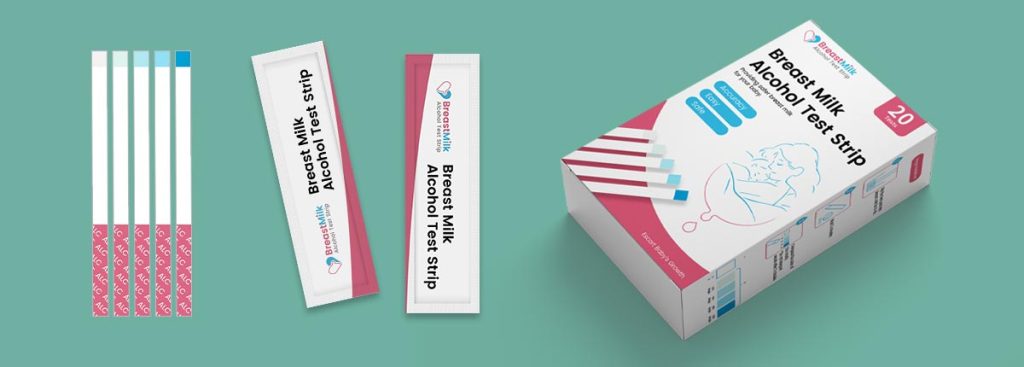
Scientific studies reveal that alcohol exposure through breast milk can affect infant development and gut health. Babies metabolize alcohol slowly, increasing vulnerability to sedation, feeding issues, and fasd. Responsible drinking, waiting two hours per drink, and avoiding regular alcohol use support safety. Hospitals use breast milk alcohol test strips for quick assessments, offering peace of mind. Healthcare providers guide mothers, helping them make informed choices. Parents can plan feedings, store milk, and avoid bed-sharing after exposure. With careful timing and moderation, breastfeeding remains safe and nurturing.
- Alcohol exposure can decrease milk intake and alter taste.
- Pumping and dumping does not speed alcohol clearance.
- Moderate exposure, when timed well, does not cause automatic harm.
FAQ
Can Alcohol in Breast Milk Harm an Infant’s Brain?
Alcohol in breast milk can affect an infant’s brain development. Studies show that exposure may cause delayed milestones, lower IQ, and behavioral changes. Parents should minimize alcohol intake during breastfeeding to protect cognitive health.
How Long Does Alcohol Stay in Breast Milk?
Alcohol usually stays in breast milk for about two to three hours per standard drink. The mother’s metabolism, body weight, and food intake can change this timing. Test strips help check alcohol levels before feeding.
Do Breast Milk Alcohol Test Strips Work?
Breast milk alcohol test strips provide quick results. Many healthcare professionals use them for safety checks. The strips change color to show if alcohol is present. They help mothers make informed feeding decisions.
Is Pumping and Dumping Effective for Removing Alcohol?
Pumping and dumping does not remove alcohol from breast milk. Alcohol leaves the milk as it leaves the mother’s bloodstream. Waiting the recommended time after drinking is the safest approach.
What Are the Signs of Alcohol Exposure in Infants?
Infants exposed to alcohol may show drowsiness, increased crying, sleep disturbances, and feeding difficulties. Parents should watch for these signs and consult a healthcare provider if symptoms appear.