

Caffeine and cold showers do not speed up alcohol metabolism. Many people hope for quick solutions after drinking, especially when they want to feel alert or care for others. Scientists have studied breast milk alcohol test strips, but experts disagree on safe alcohol levels for breastfeeding mothers. Some medical groups warn against drinking while breastfeeding, while others suggest small amounts may be safe. Concerns remain that these test strips might give a false sense of security.
Key Takeaways
- Caffeine does not speed up alcohol metabolism. The liver processes alcohol at a fixed rate, about one standard drink per hour.
- Myths about sobering up quickly with coffee or cold showers are misleading. Only time allows the body to eliminate alcohol.
- Mixing caffeine with alcohol can mask intoxication, leading to overconsumption and risky behaviors. Stay aware of your limits.
- To manage alcohol intake safely, drink slowly, alternate with water, and eat food while drinking. These strategies help reduce absorption.
- Breast milk alcohol test strips can measure alcohol levels, but use them cautiously. They do not guarantee safety for breastfeeding.
Caffeine and Alcohol Metabolism
How Alcohol Is Metabolized?
The human body processes alcohol through a series of well-defined steps. Most of the alcohol metabolism occurs in the liver, which handles about 90% of the total breakdown. Other organs, such as the lungs and kidneys, eliminate the remaining 10% through breath, urine, and sweat.
The process of alcohol metabolism involves two main enzymes:
- Alcohol Dehydrogenase (ADH) converts ethanol into acetaldehyde.
- Aldehyde Dehydrogenase (ALDH) then converts acetaldehyde into acetate, which is further metabolized into carbon dioxide and water.
The liver works at a steady pace, regardless of external influences. On average, the body metabolizes about one standard drink per hour. This rate remains consistent for most people, as shown in the table below:
| Average Metabolic Rate | Equivalent to Standard Drinks |
|---|---|
| 7 grams per hour | About one standard drink per hour |
Multiple health organizations confirm that the body processes approximately one standard drink per hour. For example, if a person consumes five drinks, the body will need about five hours to eliminate the alcohol. The liver’s enzymatic capacity sets this pace, and no external factor can speed it up.
Note: The liver’s fixed rate of alcohol metabolism means that drinking coffee, taking cold showers, or using other home remedies will not accelerate the removal of alcohol from the bloodstream.
Caffeine’s Effects on the Body
Caffeine acts as a stimulant, primarily affecting the central nervous system and the cardiovascular system. It increases alertness and concentration by raising dopamine and adrenaline levels. Many people believe that caffeine can counteract the effects of alcohol, but this is a misconception.
| System | Effect | Description |
|---|---|---|
| Central Nervous System | Stimulant Properties | Enhances alertness and concentration by increasing dopamine and adrenaline levels. |
| Cognitive Function | May improve processing speeds and memory with moderate intake. | |
| Side Effects | Excessive intake can lead to headaches, anxiety, and cognitive issues. | |
| Cardiovascular System | Increased Heart Rate and Blood Pressure | Within one hour of ingestion, caffeine can cause an increase in heart rate and blood pressure. |
| Potential Health Issues | Chronic use can lead to conditions like rapid heart rate and anxiety. |
Short-term effects of caffeine include increased alertness, faster reaction times, and sometimes anxiety or insomnia. Long-term use may result in dependence, irritability, and even gastrointestinal problems. Health authorities recommend a maximum daily intake of 400 mg for healthy adults, which equals about two to five cups of coffee.
Caffeine and Alcohol Metabolism: The Scientific Reality
Scientific studies show that caffeine does not speed up alcohol metabolism. The liver’s ability to process alcohol remains unchanged, even when a person consumes caffeine or takes a cold shower. Alcohol inhibits the activity of CYP1A2, the enzyme responsible for clearing caffeine from the body. As a result, the presence of alcohol actually prolongs the half-life of caffeine by up to 72% and decreases its clearance by 36%. This interaction means that alcohol can slow down the removal of caffeine, not the other way around.
Researchers have also found that caffeine does not change the blood alcohol concentration trajectory or the liver’s alcohol processing rate. The liver’s fixed enzymatic capacity ensures that it processes about one standard drink per hour, regardless of any external interventions. Cold showers and caffeine may make a person feel more awake, but they do not affect alcohol metabolism.
Tip: Only time allows the body to eliminate alcohol. No shortcut or home remedy can change the natural pace of alcohol metabolism.
Myths About Sobering Up
Coffee and Cold Showers
Many people believe that coffee or cold showers for sobriety can help someone sober up quickly after drinking alcohol. These myths persist in popular culture, but scientific evidence shows that they do not change blood alcohol levels or speed up alcohol metabolism. Coffee only makes a person feel more alert, while cold showers for sobriety provide a temporary spike in alertness. Neither method removes alcohol from the body.

- Coffee does not affect alcohol metabolism; it simply masks symptoms of intoxication.
- Cold showers for sobriety do not eliminate alcohol from the bloodstream.
- Quick fixes like coffee and cold showers for sobriety do not lower blood alcohol levels.
- Caffeine can create a false sense of security, leading to poor decision-making.
The liver metabolizes alcohol at a fixed rate, regardless of external factors. Cold showers for sobriety may wake someone up, but they do not reduce blood alcohol levels. Only time allows the body to process and eliminate alcohol.
Note: Many popular beliefs about sobering up quickly are misleading. The only effective method for sobering is simply waiting for the liver to do its job.
What Actually Works?
Sobering up relies on the body’s natural processes. The liver removes alcohol at a steady pace, and nothing can speed up this rate. Drinking water supports liver and kidney function, helping the body eliminate broken-down alcohol. Eating certain foods and taking probiotics can reduce hangover symptoms, but they do not lower blood alcohol levels.
| Key Point | Details |
|---|---|
| BAC Peak Time | Blood alcohol concentration peaks about one hour after drinking. |
| Decline Rate | BAC declines in a linear manner for the next four hours. |
| Removal Rate | Alcohol is removed at about 3.3 mmol/hour (15 mg/100 ml/hour). |
The breast milk alcohol test strip offers a way to measure alcohol levels, helping to debunk myths about sobering up. This tool shows that coffee and cold showers for sobriety do not change blood alcohol levels. Only time and the liver’s capacity can lower alcohol concentration.
Tip: Nothing can speed up the rate of detoxification. The liver’s efficiency determines how quickly someone becomes sober.
Safety and Practical Advice
Risks of Mixing Caffeine and Alcohol
Mixing caffeine and alcohol can create serious health and safety risks. Caffeine, a stimulant, can mask the depressant effects of alcohol. This combination often leads people to feel more alert than they actually are, which increases the risk of overconsumption and dangerous behaviors. Many young adults report mixing energy drinks with alcohol, as shown in the chart below:
| Risk Type | Description |
|---|---|
| Overconsumption | Increased risk of alcohol misuse, leading to potential alcohol poisoning and overdose. |
| Impaired Judgment | Mixing can impair decision-making, leading to risky behaviors such as getting in a car with a drunk driver. |
| Increased Binge Drinking | Young individuals mixing alcohol with caffeine have a significantly higher chance of binge drinking. |
| Higher Risk of Sexual Assault | Increased prevalence of unwanted sexual advances reported by individuals consuming alcohol and caffeine. |
Common symptoms include increased heart rate, dehydration, restlessness, and misperception of intoxication. These effects make sobering more difficult and can lead to harmful outcomes.
Safe Ways to Manage Alcohol Intake
Science-based sobering up methods focus on prevention and responsible choices. Health organizations agree that caffeine and cold showers do not speed up sobering. Only time allows the body to process alcohol and achieve true sobering. Effective sobering up methods include:
- Drink slowly and avoid gulping.
- Alternate alcoholic drinks with water or non-alcoholic beverages.
- Limit intake to one drink per hour.
- Decide on a drinking limit before starting and stick to it.
- Eat food while drinking to slow absorption.
- Stay active with games or conversation to pace drinking.
- Avoid drinking with friends who encourage heavy consumption.
| Strategy | Description |
|---|---|
| Motivational interviewing (MI) | Builds self-motivation for change in drinking habits. |
| Cognitive-behavioral therapy | Increases awareness of drinking patterns and coping skills. |
Tip: The most reliable sobering approach is patience. No shortcut, including caffeine or cold showers, can replace the natural process of sobering.
Conclusion
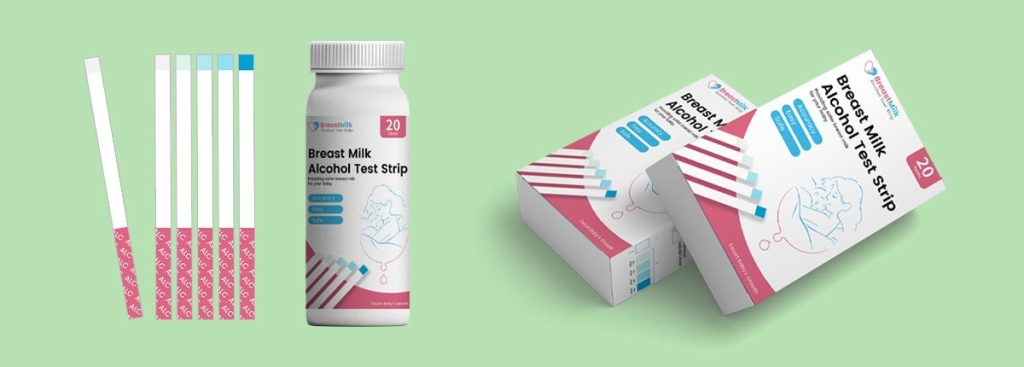
Scientific research shows caffeine does not speed alcohol metabolism or improve recovery. The liver processes alcohol at a steady rate, so only time supports true recovery. Caffeine may mask intoxication, but it cannot change the body’s recovery timeline. For effective recovery, individuals should hydrate, eat nutrient-rich foods, and rest. Medical detox ensures safe recovery if withdrawal symptoms appear. Breast milk alcohol test strips offer quick results, but experts urge caution when using them for recovery decisions. Individual metabolism affects recovery, so waiting remains the safest approach. Consistent recovery habits protect health and support responsible choices.
Caffeine can reverse some performance impairment, but inconsistencies in research mean users should not rely on it for recovery.
- Quick testing tools provide peace of mind, yet recovery depends on time and personal factors.
FAQ
Does Caffeine Help Reduce Intoxication?
Caffeine does not reduce intoxication. It only makes a person feel more alert. The body still processes alcohol at the same rate, so the effects of alcohol remain until the liver completes alcohol clearance.
How Long Does Alcohol Clearance Take?
Alcohol clearance usually takes about one hour per standard drink. The liver works at a steady pace. No external factor, including caffeine, can speed up this process.
Can Cold Showers Speed Up Sobering?
Cold showers do not speed up sobering. They may make someone feel awake, but they do not affect alcohol clearance or reduce intoxication. Only time allows the body to recover.
Are Breast Milk Alcohol Test Strips Reliable?
Breast milk alcohol test strips can measure alcohol levels, but results may vary. Experts recommend using them with caution. They do not guarantee safety for infants if alcohol remains in the milk.
What Are the Risks of Mixing Caffeine and Alcohol?
Mixing caffeine and alcohol can mask signs of intoxication. This may lead to drinking more than intended. It increases the risk of accidents and poor decisions because the body still experiences the effects of alcohol.