


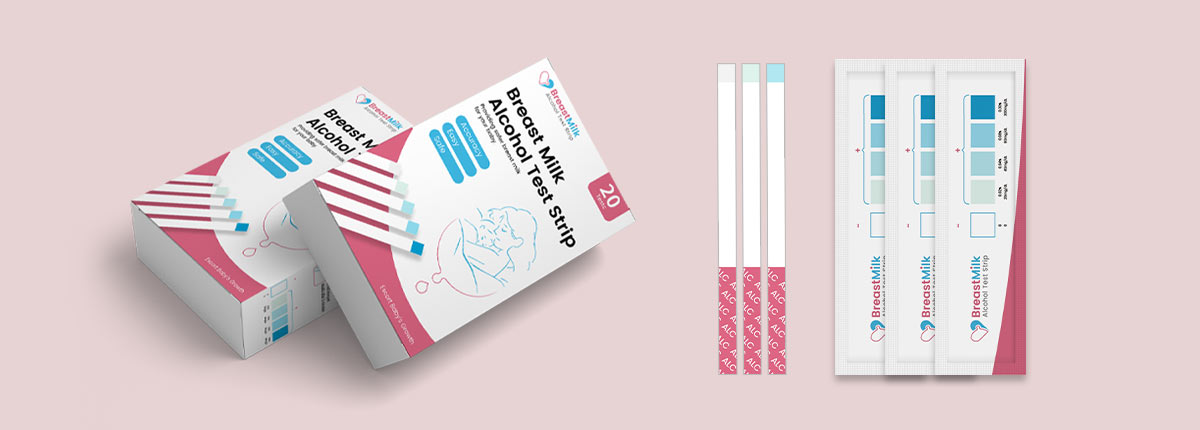
A new mother holds her baby and wonders if a glass of wine could affect her child. She hears conflicting advice about alcohol in breast milk. Researchers recognized this concern and began searching for a reliable way to measure alcohol presence. The breast milk alcohol test strip emerged from this need, offering a practical approach to testing breast milk for alcohol. Science transformed a simple question into an accessible method for testing.
Key Takeaways
- Testing breast milk for alcohol helps protect infants from potential health risks, including altered sleep patterns and brain development issues.
- Breast milk alcohol test strip offers a quick and convenient way for mothers to check their milk’s safety after drinking, providing peace of mind.
- Understanding the science behind alcohol metabolism can help mothers make informed decisions about breastfeeding after consuming alcohol.
- Not all breast milk alcohol test strips are equally reliable; choose products with strong validation to ensure accurate results.
- Ongoing research aims to improve the accuracy of breast milk alcohol testing, empowering mothers with better tools for safe breastfeeding.
Why Testing Breast Milk for Alcohol Matters?
Health Risks for Infants
Testing breast milk for alcohol addresses important health concerns for infants. Researchers have conducted analysis to understand how alcohol affects babies. Studies show that alcohol can change sleep patterns, brain development, and weight gain in infants. The following table summarizes these risks:
| Health Risk | Description |
|---|---|
| Sleep Patterns | Infants may experience altered sleep patterns, sleeping for shorter periods or waking more often. |
| Brain Development | Regular exposure to alcohol may influence early brain development and have long-term effects. |
| Weight Gain | Alcohol can change the taste of milk, leading to reduced feeding and lower weight gain in infants. |
Analysis of breast milk reveals that even small amounts of alcohol can impact feeding behavior. Pediatric guidelines recommend that mothers limit alcohol intake. According to the CDC, moderate alcohol consumption—defined as one drink per day—is considered safe if the mother waits at least two hours before breastfeeding. Complete abstinence remains the safest choice, but analysis shows that moderate levels do not cause known harm.
Parental Concerns and Myths
Many parents worry about alcohol and breastfeeding. Analysis of parental behavior shows that concerns often lead to recommendations for abstaining from alcohol during breastfeeding. Conflicting advice and societal pressures may cause mothers to stop breastfeeding to avoid negative perceptions. The lack of clear evidence-based guidelines creates uncertainty among mothers regarding alcohol consumption while breastfeeding.
Common myths persist about alcohol and breastfeeding. Some believe that drinking alcohol increases milk production, but analysis shows that alcohol actually reduces milk production in the short term. The ‘pump and dump‘ method is based on the false belief that the first ounces of milk after drinking contain the highest alcohol concentration. Analysis of breast milk disproves this idea. Researchers found that parenthood prompts individuals to reconsider their health behaviors, including alcohol use, to align with socially acceptable norms. Mothers who are socially advantaged are more likely to continue consuming alcohol while breastfeeding, as they face less stigma compared to socially deprived mothers.
Testing breast milk for alcohol provides clarity for parents. Breast milk analysis helps dispel myths and supports informed decisions. Reliable testing empowers families to protect infants and maintain healthy breastfeeding practices.
Scientific Challenges in Detecting Alcohol in Breast Milk
Alcohol Metabolism and Milk Transfer
Analysis of alcohol metabolism reveals several factors that influence how alcohol moves from a mother’s bloodstream into her breast milk. Researchers have conducted breast milk analysis to understand these variables. The transfer of alcohol depends on blood alcohol concentration, which rises after drinking and peaks between 30 and 90 minutes. Food intake, health, and weight affect metabolism and elimination rates. Hormonal changes caused by alcohol can impact milk production and ejection.
- Blood alcohol concentration determines the amount of alcohol in breast milk.
- Peak levels occur within 30–90 minutes after consumption, influenced by food intake.
- Metabolism and elimination rates depend on health and weight.
- Personal variability in metabolism affects alcohol processing.
- Hormonal effects change milk production and ejection.
Alcohol diffuses from the bloodstream into breast milk. The concentration in breast milk matches the blood alcohol level at any given time. As blood alcohol levels decrease, so does the amount in breast milk.
Analysis shows that only about 2% of the alcohol consumed by a mother enters her milk. Researchers continue testing to clarify how individual differences affect alcohol transfer.
Gaps in Research and Validation
Analysis of current research highlights several challenges in detecting alcohol in breast milk. Experts disagree on safe alcohol levels for breastfeeding mothers. The amount of alcohol in breast milk varies significantly, making reliable testing difficult. Some health professionals question the accuracy of alcohol breast milk test strips, suggesting that more research is needed.
- Alcohol test strips lack sufficient study and validation.
- The American Academy of Pediatrics advises caution, noting limited research.
- Health experts have not reached consensus on safe alcohol levels.
- Alcohol in breast milk can rise for up to 90 minutes after drinking.
- Limited research complicates safety assessments and detection.
Analysis of breast milk continues to reveal gaps in knowledge. Researchers emphasize the need for further validation and improved testing methods. Reliable breast milk analysis remains essential for protecting infants and supporting informed parental decisions.
The Science Behind Breast Milk Alcohol Test Strip
Chemical Reaction Principle
The breast milk alcohol test strip uses a selective chemical reaction to detect alcohol in breast milk. Scientists designed these strips to provide a non-invasive and rapid method for analysis. The test pad contains specialized enzymes that react with alcohol molecules present in the milk. When a person dips the strip into a breast milk sample, the following process occurs:
- The enzymes on the test pad interact with alcohol molecules.
- This interaction triggers a chemical reaction that produces a visible color change.
- The intensity of the color change corresponds to the amount of alcohol in the sample.
- The reaction provides a non-invasive way to estimate alcohol concentration without sending samples to a laboratory.
This approach allows for quick analysis and supports parents who want immediate answers. Many families choose the breast milk alcohol test strip because it offers a simple, at-home solution for breast milk analysis. However, not all strips meet medical-grade standards. Some products on the market lack rigorous validation, which raises concerns about accuracy. Ongoing research continues to evaluate the reliability of these non-invasive testing methods. Scientists emphasize the importance of using validated strips for accurate results.
Note: The non-invasive nature of the breast milk alcohol test strip makes it a popular choice, but users should remain aware of its limitations and the need for further research.
Color Chart Interpretation
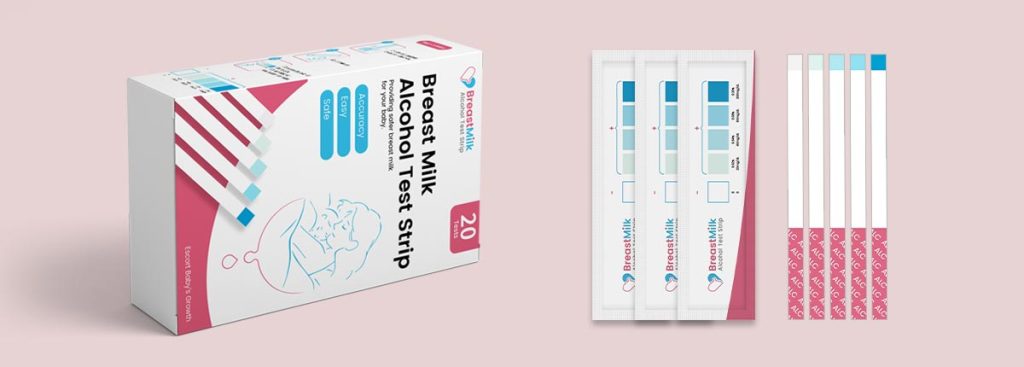
After completing the chemical reaction, users interpret the results by comparing the strip’s color to a reference chart. The breast milk alcohol test strip provides a visual guide that links specific colors to different alcohol concentrations. The analysis involves observing the color change after saturating the strip with breast milk. The intensity of the color indicates the alcohol level, with each shade corresponding to a particular concentration. For example, some strips, such as MilkScreen, display a color change when the alcohol content reaches or exceeds 13.1 mg/dL. Other brands, like Miloo, offer a broader color palette, allowing users to match the strip to a range of blood alcohol concentration levels.
This method of analysis gives parents a straightforward way to interpret results. However, the accuracy of the color chart depends on the quality of the strip and the clarity of the reference guide. Research shows that variations in lighting, user perception, and strip manufacturing can affect interpretation. Scientists recommend that users follow instructions carefully and consider the limitations of non-invasive breast milk alcohol test strips. Continued research and product development aim to improve the reliability of these tools for breast milk alcohol test applications.
From Research to Real-World Use
Key Studies and Product Evaluation
Researchers have conducted analysis to evaluate breast milk alcohol test strips in real-world settings. Studies, such as the evaluation of UpSpring Milkscreen, have focused on the accuracy and practicality of these products. Scientists designed these strips to support parents with fast and convenient monitoring. Product evaluations compare features that matter most to families. The following table summarizes key aspects of breast milk alcohol test strips:
| Feature | Description |
|---|---|
| Peace of Mind | Easily test if your milk is booze-free and safe for baby |
| 2 Minute Results | Fast detection results |
| On-the-Go or At Home | Small & individually packaged for convenience |
| Easy to Read | Simple & seamless detection results |
| Accurate | Science-backed results to avoid unnecessary pumping and dumping |
| Contents | 15 strips |
Analysis of these features shows that monitoring breast milk for alcohol provides reassurance and supports informed decisions. Researchers emphasize the importance of reliable analysis for parents who want to continue breastfeeding safely. Monitoring tools allow families to check alcohol levels quickly and avoid unnecessary actions.
Limitations and Ongoing Improvements
Analysis of breast milk alcohol test strips reveals several limitations. The FDA has raised concerns about the safety and effectiveness of some products, such as those manufactured by Universal Meditech, Inc. Monitoring reliability remains a challenge, especially when products lack proper validation. The table below highlights concerns identified in recent analysis:
| Concern | Description |
|---|---|
| Safety and Effectiveness | The FDA has raised concerns about the reliability of breast milk alcohol test strips manufactured by Universal Meditech, Inc., indicating potential limitations in their safety and effectiveness. |
| Recall Status | UMI did not recall tests already distributed to consumers, which raises further concerns about their reliability. |
Researchers continue analysis to improve monitoring tools. They call for more research to validate test strips and address gaps in knowledge. Monitoring breast milk for alcohol requires accurate and trustworthy products. Scientists work to enhance analysis methods and support ongoing improvements. Parents benefit from advancements in monitoring technology, but they must remain aware of current limitations.
Note: Ongoing research and analysis will help improve monitoring tools and ensure safer breastfeeding practices.
Impact on Breastfeeding Mothers
Empowerment and Peace of Mind
Breastfeeding mothers often seek reassurance when making decisions about feeding after alcohol consumption. The introduction of breast milk alcohol test strips has provided a new level of confidence. These strips allow mothers to perform quick analysis at home, offering immediate feedback on the safety of their milk. Many mothers report that the ability to conduct personal monitoring brings peace of mind, especially during social occasions or after consuming alcohol.
- Peace of mind: Knowing the status of breast milk helps mothers make informed choices about nursing.
- Discreet and convenient: Products like Milkscreen® offer easy at-home use, delivering results within minutes.
- Accurate and reliable: These strips provide a dependable method for detecting alcohol in breast milk.
Mothers have shared positive feedback about their experiences. One mother mentioned she would use the strips again, especially when going out, because they provide certainty about when it is safe to feed her baby. Another mother found the strips easy to use and highlighted the importance of checking the color change under good lighting. A third mother emphasized her intention to use the strips again for peace of mind when feeding her daughter after drinking alcohol.
Monitoring tools have changed the way mothers approach breastfeeding after alcohol consumption. The ability to perform analysis at home reduces anxiety and supports continued breastfeeding. Reliable monitoring empowers mothers to make choices based on evidence rather than uncertainty.
Future Directions
Ongoing research continues to shape the future of breast milk alcohol test strips. Scientists focus on improving the accuracy and reliability of monitoring tools. Current analysis highlights the need for more robust validation and standardization. Researchers aim to address gaps in knowledge by conducting larger studies and refining the chemical analysis used in these strips.
Future advancements may include digital monitoring systems that provide more precise readings. Enhanced analysis methods could reduce user error and improve consistency. As research progresses, mothers can expect even greater confidence in the tools available for monitoring breast milk. The journey from initial analysis to advanced monitoring reflects a commitment to supporting breastfeeding families with science-based solutions.
Conclusion
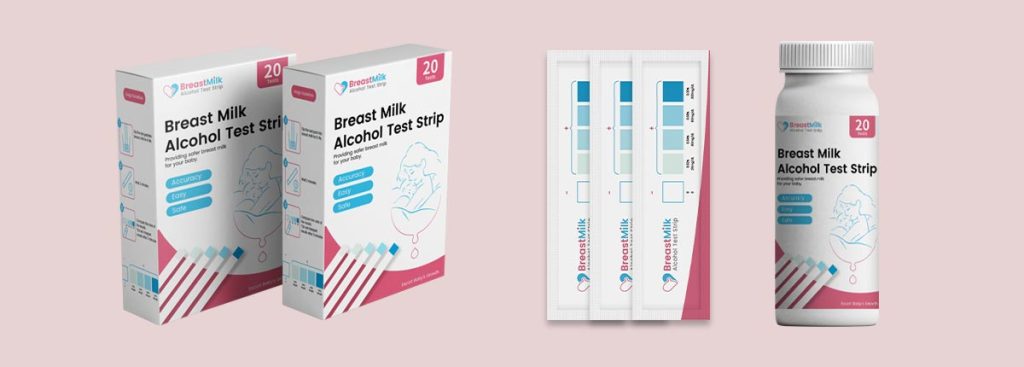
Scientific research and analysis have driven the development of breast milk alcohol test strips, offering parents a tool for quick analysis at home. Despite this progress, analysis shows that many strips lack full validation, and experts like Maria Parlapiano and Dr. Maya Bunik recommend careful alcohol use over reliance on strips. Ongoing analysis remains essential for improving accuracy and safety. Parents seeking reliable methods can use these tips:
- Feed the baby before drinking.
- Limit alcohol intake.
- Space out drinks.
- Express milk before drinking.
- Choose food wisely.
- Test breast milk.
- Focus on hydration.
Continued analysis and research will help create better tools and support informed decisions.
FAQ
How Accurate Are Breast Milk Alcohol Test Strips?
Breast milk alcohol test strips provide a quick analysis of alcohol presence. Their accuracy depends on proper use and product quality. Some strips lack medical-grade validation. Users should rely on analysis from reputable sources and consider limitations before making decisions about breastfeeding.
Can Mothers Use Test Strips for Every Feeding?
Mothers can perform analysis with test strips as often as needed. Frequent use helps track alcohol levels after drinking. However, analysis shows that strips should not replace professional advice. Healthcare providers can offer guidance based on individual circumstances.
What Should Parents Do If a Test Strip Shows Alcohol?
If analysis reveals alcohol in breast milk, parents should wait before feeding. The body eliminates alcohol over time. Analysis suggests that waiting two hours after one drink reduces risk. Expressing and discarding milk is not always necessary, according to current analysis.
Are All Breast Milk Alcohol Test Strips the Same?
Not all test strips offer the same level of analysis. Product quality, sensitivity, and validation differ. Analysis of available brands shows variation in results. Parents should choose strips with strong analysis backing and clear instructions for best outcomes.
Do Test Strips Replace Professional Medical Advice?
Test strips provide helpful analysis at home. However, analysis cannot substitute for medical expertise. Healthcare professionals can interpret analysis results and offer personalized recommendations. Parents should consult providers for concerns about alcohol and breastfeeding.