


Not drinking alcohol remains the safest option for breastfeeding mothers. However, moderate and occasional alcohol use—up to one standard drink per day—does not appear to be alcohol unsafe for most breastfeeding situations. A standard drink in the United States contains 14.0 grams (0.6 ounces) of pure alcohol, which equals 12 ounces of beer, 5 ounces of wine, or 1.5 ounces of distilled spirits. Many mothers continue breastfeeding while drinking alcohol.
- 71% of mothers reported drinking during the breastfeeding period.
- 36% of mothers who breastfed reported consuming alcohol.
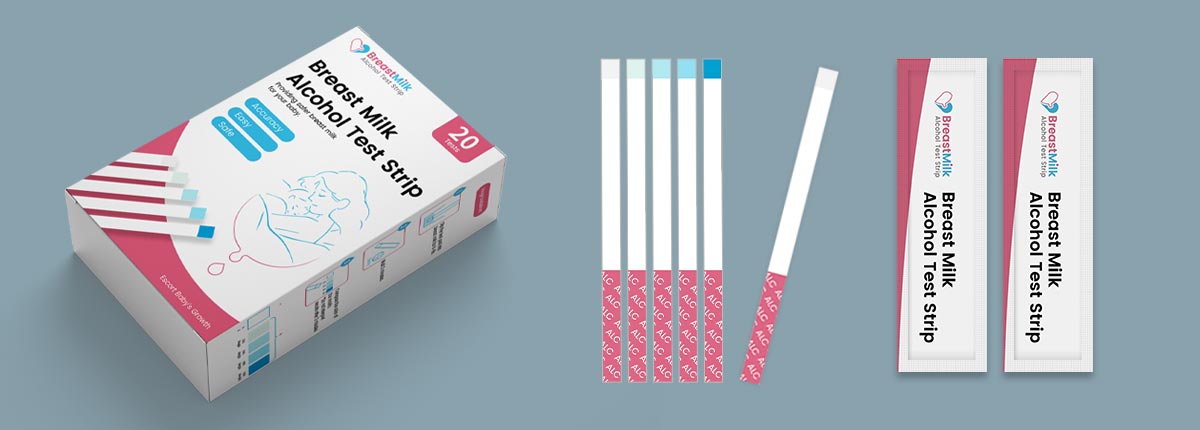
Breast milk alcohol test strips can help mothers check alcohol in breast milk. This article supports informed choices without judgment.
Key Takeaways
- Not drinking alcohol is the safest choice for breastfeeding mothers. If you choose to drink, limit it to one standard drink per day.
- Wait at least two hours after consuming alcohol before breastfeeding. This helps reduce the amount of alcohol in breast milk.
- Use breast milk alcohol test strips to check alcohol in breast milk. These strips can help you make informed decisions about breastfeeding after drinking.
- Plan ahead by breastfeeding or pumping before drinking. This ensures your baby has milk available while you enjoy a drink.
- Consult healthcare providers for personalized advice on alcohol consumption and breastfeeding to ensure your baby’s safety.
Alcohol Unsafe for Breastfeeding?
What Research Says?
Current research shows that alcohol unsafe practices can affect infants who receive breastmilk after maternal drinking. Studies indicate that even small amounts of alcohol can pass into breastmilk, with concentrations ranging from 0.5% to 3.3% of the mother’s dose. Infants have a limited ability to metabolize alcohol, which increases their risk of negative outcomes. Health experts agree that occasional, moderate drinking alcohol does not usually cause harm, but regular or excessive intake raises concerns.
Note: The Academy of Breastfeeding Medicine recommends waiting at least two hours after consuming one standard drink before nursing. Some studies suggest postponing breastfeeding for three hours to minimize risks.
The table below summarizes the main ways alcohol can affect breastfed infants:
| Negative Outcomes for Infants | Description |
|---|---|
| Decreased Milk Intake | Infants consumed approximately 20% to 23% less breast milk after maternal alcohol consumption. |
| Sleep Disturbances | Shorter sleep periods, more frequent wakefulness, and less total active and REM sleep were observed. |
| Increased Crying | Infants exhibited increased crying after exposure to alcohol. |
| Growth Retardation | Potential for impaired growth in infants. |
| Impaired Immune Function | Alcohol may negatively affect the infant’s immune system. |
| Delay of Motor Development | Possible delays in motor skills development. |
| Cognitive Development Issues | Long-term effects may include reduced ability for abstract reasoning at school age. |
Recent findings also show that alcohol exposure through breastmilk can lead to lower motor control in infants and, in rare cases, negative developmental traits by age seven. Experts strongly advise against binge drinking during the breastfeeding period, as this increases the risk of alcohol unsafe outcomes.
Defining Moderate Use
Moderate use of alcohol and breastfeeding means limiting the amount of alcohol to a safe level. Leading medical organizations, such as the American Academy of Pediatrics, define moderate use as one drink or less per day for breastfeeding mothers. No harmful effects to babies have been reported from this level of alcohol consumption. The amount of alcohol considered moderate depends on several factors:
- The age of the breastfeeding child
- The mother’s weight
- The amount of alcohol consumed
- Whether food is eaten with the alcohol
Most guidelines recommend that breastfeeding mothers limit drinking alcohol to no more than one to two drinks per week. Occasional alcohol use at this level is generally not alcohol unsafe for infants. However, even small amounts of alcohol can impair milk production and the milk ejection reflex, which may affect feeding.
Tip: To reduce the risk of alcohol unsafe exposure, mothers should plan breastfeeding sessions and allow enough time for alcohol to leave their system.
Standard Drink Explained
Understanding what counts as a standard drink helps mothers measure the amount of alcohol they consume. In the United States, a standard drink contains 14 grams (0.6 ounces) of pure alcohol. The table below shows common beverages and their standard drink equivalents:
| Beverage Type | Volume | Alcohol Content |
|---|---|---|
| Regular Beer | 12 ounces | 5% ABV |
| Wine | 5 ounces | 12% ABV |
| Distilled Spirits | 1.5 ounces | 40% ABV |
A standard drink can look different depending on the type of beverage. For example, one glass of wine, one can of beer, or one shot of liquor each equals one standard drink. Knowing these measurements helps mothers avoid alcohol unsafe practices by keeping track of the amount of alcohol they consume while breastfeeding.
How Alcohol Passes into Breastmilk?
Timing and Absorption
Alcohol passes into breastmilk through a process that closely mirrors the mother’s blood alcohol concentration. When a mother consumes alcohol, it enters her bloodstream and then moves into her breastmilk. The concentration in breastmilk usually peaks between 30 and 90 minutes after drinking. Most sources agree that the highest levels appear about 30 to 60 minutes after consumption. The following table shows peak times reported by trusted organizations:
| Source | Peak Time in Breastmilk |
|---|---|
| Alcohol & Breastfeeding | 30-60 minutes after drinking |
| La Leche League International | 30-60 minutes after drinking |
| Cleveland Clinic | Peaks at similar time as blood |
Alcohol leaves breastmilk as the mother’s blood alcohol level drops. The body metabolizes alcohol at a rate of about one ounce every three hours. Factors such as weight, age, and overall health can change how quickly alcohol passes into breastmilk and then leaves it.
Alcohol Levels in Milk
The amount of alcohol in breast milk depends on how much the mother drinks and how quickly her body processes it. Alcohol passes into breastmilk in direct proportion to the blood alcohol concentration. The absolute amount in milk is usually low if the mother drinks in moderation. Experts recommend waiting about two hours for each standard drink before breastfeeding again. This waiting period allows the body to lower the alcohol level in both blood and milk. Mothers can use this guideline to plan feeding times and reduce the risk of exposing their babies to alcohol.
Tip: Mothers should wait at least two hours after drinking one standard drink before nursing. This practice helps minimize the amount of alcohol that passes into breastmilk.
Using Breast Milk Alcohol Test Strips
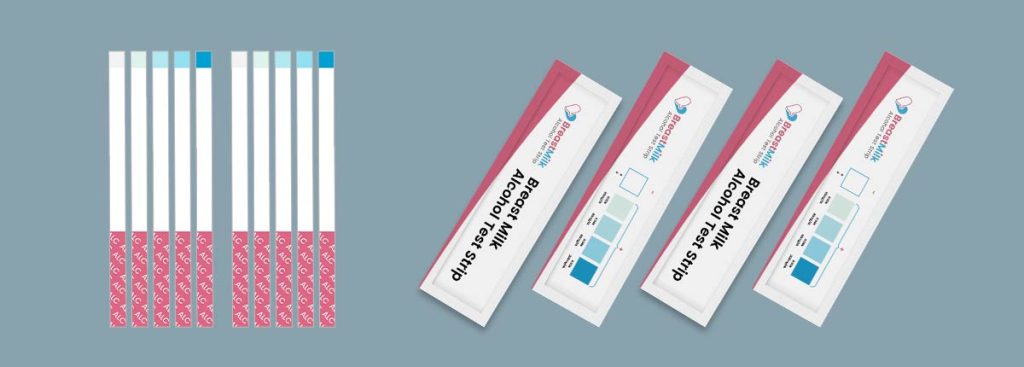
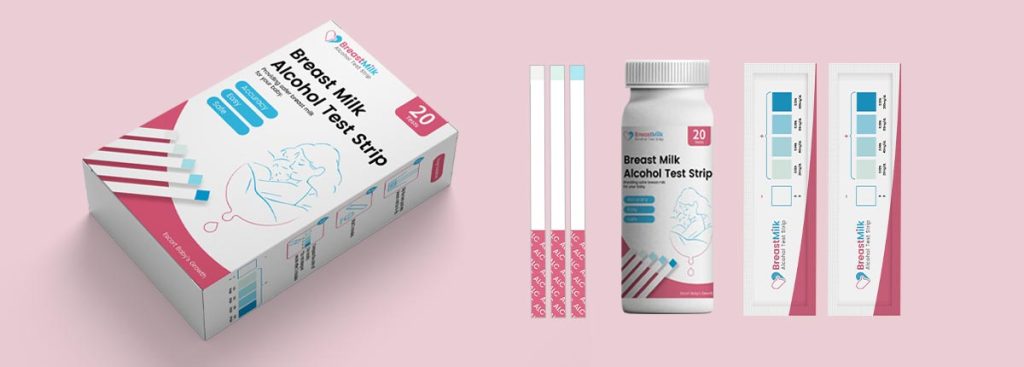
Breast milk alcohol test strips offer a practical way for parents to check alcohol in breast milk. These strips work by detecting the presence of alcohol in a small sample of milk. There are several types available:
- Color comparison strips provide medium accuracy and suit quick home checks.
- Digital readers offer very high accuracy and help those who need precise results.
- Quantitative strips give very high accuracy for tracking data or medical needs.
Parents can use these tools to make informed decisions about when to breastfeed after drinking. Breast milk alcohol test strips add an extra layer of confidence for those who want to ensure their milk is safe.
Effects of Alcohol and Breastfeeding
Impact on Babies
Alcohol exposure can cause both short-term and long-term dangers for a breastfed baby. The effects depend on the amount and timing of alcohol intake by nursing mothers. Short-term effects may include drowsiness, weakness, and deep sleep in infants. Over time, repeated exposure can lead to abnormal weight gain and problems with early development. The table below summarizes these effects for both infants and mothers:
| Effect Type | Short-term Effects | Long-term Effects |
|---|---|---|
| Infant | Drowsiness, Weakness, Deep sleep | Abnormal weight gain, Problems with early development |
| Mother | Impaired judgment, Reduced milk supply | Potential early cessation of breastfeeding |
These dangers highlight why experts recommend caution when breastfeeding after drinking alcohol.
Myths About Pump and Dump
Many nursing mothers believe that pumping and dumping breast milk after drinking alcohol will remove the alcohol from their milk. However, this practice does not speed up the process.
Alcohol leaves breastmilk as it leaves the bloodstream. Pumping and dumping does not remove alcohol from the milk.
The best way to reduce the negative effect of alcohol is to wait until the body has processed it before feeding a breastfeeding baby.
Milk Supply Concerns
Alcohol can affect milk supply and the letdown reflex in several ways. Research shows that babies tend to nurse more frequently when their mothers drink alcohol. However, they metabolize alcohol poorly, which leads to reduced milk intake in the hours after exposure. Regular, substantial alcohol consumption can compromise milk supply and infant growth.
Research indicates that alcohol consumption can inhibit the milk ejection reflex, which is crucial for breastfeeding. This inhibition leads to a decrease in the amount of milk that infants consume. Specifically, studies have shown that infants consumed approximately 20% less breast milk in the hours following their mothers’ alcohol intake, despite nursing at a similar frequency.
Alcohol can influence various hormones in the body that are responsible for milk production. For instance, alcohol can reduce levels of prolactin—a hormone that plays a significant role in milk production—while increasing levels of oxytocin, a hormone responsible for the milk ejection reflex, potentially making it less effective.
Nursing mothers should understand how alcohol affect milk supply and the overall well-being of their breastfeeding baby. Awareness of these effects of alcohol can help families make informed choices and avoid dangers.
Breastfeeding and Alcohol Use: Safe Practices
Guidelines for Low-Risk Drinking
Health organizations such as the Cleveland Clinic provide clear guidelines for mothers who choose to combine breastfeeding and drinking alcohol. These guidelines help families nurse safely and protect their infants from unnecessary risks:
- Limit alcohol to one drink or less per day.
- Wait at least two hours after consuming alcohol before breastfeeding.
- Avoid drinking alcohol daily to reduce the chance of larger amounts of alcohol building up in the system.
- Never bed-share with an infant after drinking alcohol, as this increases the risk of sudden infant death syndrome.
- If feeling disoriented or unwell after drinking, do not nurse until sober.
Following these guidelines allows mothers to nurse safely and minimize the effects of alcohol on their babies.
Planning Ahead and Alternatives
Planning ahead can make breastfeeding and alcohol use safer. Mothers can use several strategies to reduce infant exposure to alcohol:
- Breastfeed or pump first, then enjoy a drink right after a feeding.
- Store expressed breastmilk for times when drinking alcohol is planned.
- Use tools like the InfantRisk Center’s calculator to estimate when it is safe to drink alcohol and nurse again.
- Keep previously pumped milk available for feedings if alcohol has been consumed.
The table below summarizes practical recommendations:
| Recommendation | Details |
|---|---|
| Alcohol Consumption | Occasional use (1-2 drinks) is generally not harmful to nursing babies. |
| Timing of Breastfeeding | Nurse at least 2 hours after drinking to lower alcohol in milk. |
| Pumping & Dumping | Not needed for alcohol removal; only for comfort. |
| Expressing Milk | Pump as often as usual to maintain supply if away from baby. |
| If Intoxicated | Do not breastfeed until sober; do not feed expressed milk if intoxicated. |
What If You Drink More Than Planned?
Sometimes, a mother may consume larger amounts of alcohol than intended. In these cases, safety steps become essential:
- Arrange for a responsible, sober caregiver to look after the baby.
- Use stored expressed breastmilk for feedings until it is safe to nurse again.
- Express milk for comfort and to maintain supply, but do not feed this milk to the baby if intoxicated.
- Wait until fully sober before resuming breastfeeding.
Drinking alcohol in excess can impair judgment and reduce awareness of a baby’s needs. Infants exposed to larger amounts of alcohol may experience drowsiness, abnormal weight gain, or delayed development. Mothers should always prioritize the baby’s safety and seek help if needed.
Conclusion
Health experts agree that while avoiding alcohol remains safest, moderate, occasional intake rarely harms infants when mothers follow recommended guidelines. They suggest limiting consumption to one or two drinks per week and waiting at least two hours before breastfeeding. Breast milk alcohol test strips and careful planning help parents make informed decisions. Consulting healthcare providers ensures personalized advice. Parents deserve reassurance as they navigate choices and prioritize their child’s well-being.
FAQ
Can a Mother Breastfeed After Drinking One Glass of Wine?
A mother can breastfeed after one glass of wine if she waits at least two hours. This waiting period allows her body to process most of the alcohol. Using breast milk alcohol test strips can provide extra reassurance.
Does Alcohol Stay in Frozen or Pumped Breast Milk?
Alcohol does not leave breast milk once expressed. Freezing or storing pumped milk does not reduce alcohol content. Only time and metabolism remove alcohol from the body before milk expression.
Is Non-Alcoholic Beer Safe During Breastfeeding?
Most non-alcoholic beers contain very low alcohol levels. They are generally considered safe for breastfeeding. Mothers should check labels for exact alcohol content and choose options with less than 0.5% alcohol by volume.
What If a Mother Accidentally Breastfeeds Too Soon After Drinking?
If a mother breastfeeds too soon, the baby may receive a small amount of alcohol. She should monitor the baby for unusual sleepiness or feeding changes. She can contact a healthcare provider for guidance if concerned.
Do Alcohol Breast Milk Test Strips Really Work?
Most breast milk alcohol test strips provide reliable results when used correctly. They help mothers decide when it is safe to nurse. For best accuracy, follow the instructions on the package.