BMATS - Focus on breast milk alcohol test strip R&D and manufacturing
Is Alcohol Level in Breast Milk Lower Than in the Bloodstream?
Post By: nk2005Posted On: May 6, 2026Categories: Breast Milk
The alcohol level in breast milk closely matches the amount found in the bloodstream. Many mothers worry about the effects of drinking alcohol while breastfeeding. Common misunderstandings include the belief that alcohol stays trapped in milk or that pumping and dumping will remove it. In reality, alcohol leaves breast milk as it leaves the blood. Timing matters for safety. Mothers can use a breast milk alcohol test strip to check levels before feeding their baby.
Less than 2% of the alcohol consumed by a mother reaches her breast milk, keeping overall levels low.
Consult healthcare providers for personalized advice on alcohol consumption and breastfeeding.
Alcohol Level in Breast Milk vs. Bloodstream
Direct Comparison
The alcohol level in breast milk closely parallels the amount found in the bloodstream. When a mother consumes alcohol, it enters her blood and then moves into her breast milk at nearly the same rate. The concentration in both fluids rises and falls together. This means that as blood alcohol concentration increases, the alcohol level in breast milk also increases.
Clinical research shows that the timing of alcohol peaks in breast milk depends on whether the mother has eaten. The following table summarizes the typical peak times:
After a standard drink, the alcohol level in breast milk usually becomes negligible about 2 to 2.5 hours later. This timing allows mothers to plan breastfeeding sessions safely. The amount of alcohol that transfers into breast milk remains low, but it matches the mother’s blood alcohol level almost exactly.
Why Levels Are Similar?
The similarity between blood and milk alcohol levels comes from how alcohol moves through the body. Alcohol passes easily from blood into breast milk because both fluids share similar water content. The plasma/milk ratio for alcohol is about 1, which means the alcohol level in breast milk mirrors the blood level.
Several factors influence how quickly alcohol appears and disappears from breast milk:
Alcohol transfers readily into breast milk, with levels peaking 30 to 60 minutes after drinking.
Alcohol is metabolized mainly in the liver. As the liver breaks down alcohol, the alcohol level in breast milk drops at the same rate as in the blood. Waiting 2 to 2.5 hours per standard drink allows for most of the alcohol to clear from both blood and breast milk.
Note: The alcohol level in breast milk does not stay high for long periods. It decreases as the mother’s body processes the alcohol.
Alcohol Transfer to Breast Milk
How Alcohol Moves from Blood to Milk?
Alcohol passes from the mother’s bloodstream into her breast milk through a simple process. The movement follows the concentration gradient, which means alcohol moves from areas of higher concentration in the blood to lower concentration in the milk. This transfer happens quickly and efficiently. As the blood alcohol concentration rises, the level in breast milk increases as well. When the blood alcohol concentration drops, the amount in breast milk decreases at the same rate. There is no mechanism in the body that traps alcohol in breast milk after it enters.
Despite this efficient transfer, less than 2% of the alcohol a mother consumes from a single drink actually reaches her breast milk. This small percentage means that, although the levels match, the total amount of alcohol present in the milk remains low.
Note: The alcohol level in breast milk always reflects the mother’s current blood alcohol concentration, not the total amount she has consumed.
Factors Affecting Transfer
Several maternal factors influence how much alcohol passes into breast milk. Body weight plays a significant role. Heavier individuals process alcohol more quickly than lighter individuals. Metabolism speed also affects how fast the body clears alcohol. Food intake can slow the absorption of alcohol, which changes how quickly blood alcohol concentration peaks after a single drink.
A study of lactating women found that the amount of alcohol transferred to breast milk varies based on individual characteristics. For example, when women consumed 0.3 g/kg of alcohol, their peak milk alcohol concentrations differed depending on their body weight and how much food they had eaten. Liver function also impacts how long alcohol stays in the system. As long as the mother has a measurable blood alcohol concentration, alcohol will continue to appear in her breast milk.
A single drink will raise blood alcohol concentration and, in turn, the alcohol level in breast milk. Once the body metabolizes the alcohol, both levels drop together. Understanding these factors helps mothers make informed decisions about breastfeeding after consuming a single drink.
How Long Alcohol Stays in Breast Milk?
Clearance Timeframes
Alcohol does not stay in breast milk for long periods. It appears in breast milk only while it remains in the bloodstream. The body processes alcohol at a steady rate. Most mothers clear one standard drink from their breast milk in about two hours. The following table shows the average time needed for alcohol to leave breast milk after different amounts:
Tip: Waiting at least two hours per standard drink before breastfeeding helps reduce the risk of passing alcohol to the baby.
Alcohol does not get stored in breast milk. Once the blood alcohol level drops, the milk becomes free of alcohol as well. This means that mothers do not need to pump and dump to remove alcohol from their milk.
What Influences Duration?
Several factors affect how long alcohol stays in breast milk. Body weight changes how quickly a person processes alcohol. People with higher body weight often clear alcohol faster. Metabolism speed also plays a role. Some people break down alcohol more quickly than others. Eating food before drinking can slow the absorption of alcohol, which may delay the peak but does not change the total time needed to clear it.
The type and amount of alcohol consumed matter as well. More drinks mean a longer wait before breast milk becomes alcohol-free. The chart above shows that each additional drink adds about two hours to the clearance time. Mothers should always consider these factors when planning to breastfeed after drinking.
Note: Alcohol leaves breast milk at the same rate as it leaves the bloodstream. The body does not store alcohol in milk.
Safe Breastfeeding After Alcohol
Waiting Periods
Nursing mothers often ask how long they should wait before breastfeeding after drinking alcohol. Health organizations recommend a minimum waiting period to reduce the risk of alcohol exposure for infants. The following table summarizes the guidance:
This waiting period allows the body to metabolize most of the alcohol from a single drink. Nursing mothers can plan feedings to avoid exposing their babies to alcohol. Timing remains one of the most effective ways to minimize risk when considering breastfeeding and alcohol.
Tip: Mothers who consume more than one drink should extend the waiting period accordingly.
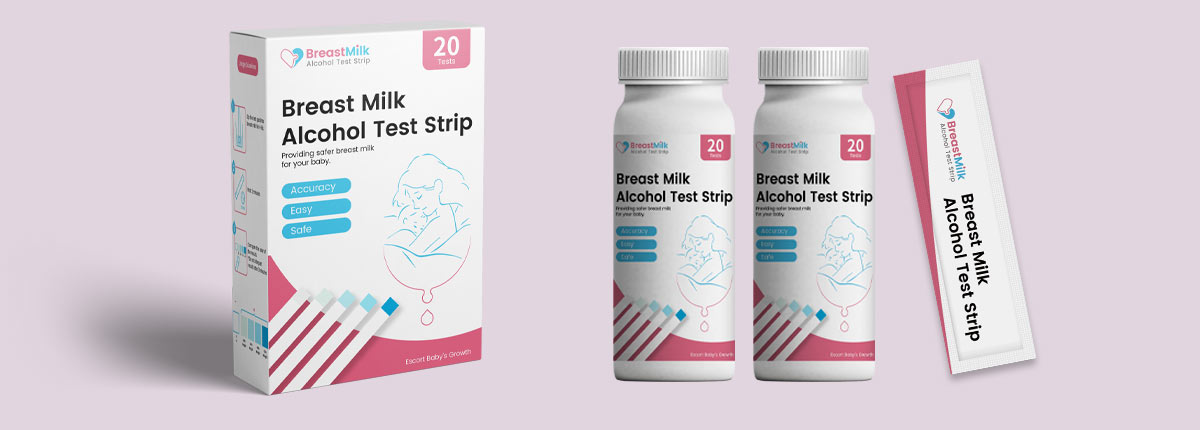
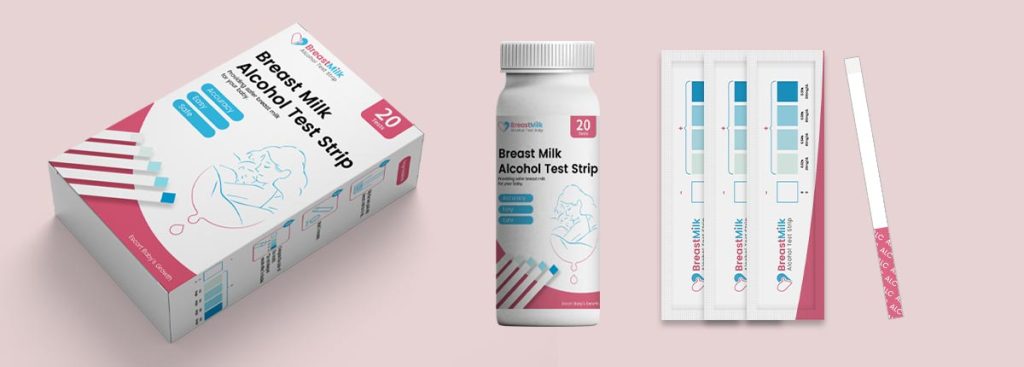
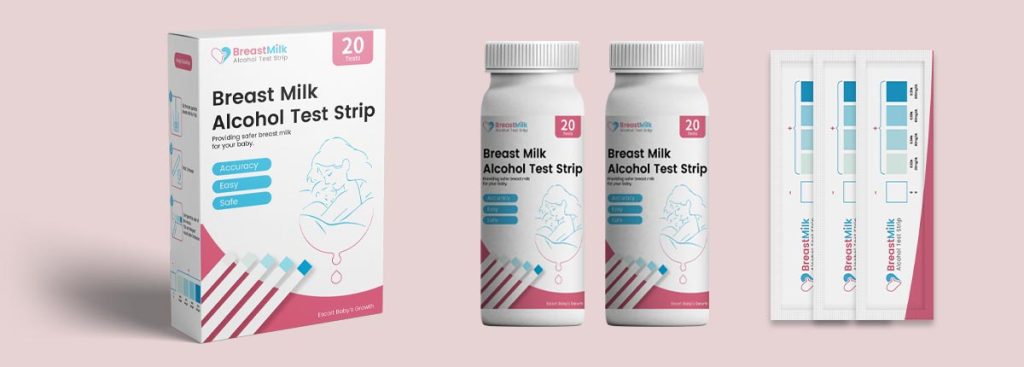
Some nursing mothers use breast milk alcohol test strips to check for alcohol before feeding their babies. These strips promise quick results, but experts question their reliability. Health professionals, including the American Academy of Pediatrics, state that these strips lack scientific validation and are unnecessary. A registered nurse and lactation consultant reports that the strips do not provide accurate readings. Medical experts recommend limited alcohol consumption as the safest approach.
Most test strips do not reliably detect alcohol in breast milk.
Experts consider them a waste of money.
Careful timing and moderation offer better safety.
Nursing mothers should not rely solely on test strips to determine when it is safe to breastfeed.
Pumping and Dumping Myths
Many believe that pumping and dumping breast milk removes alcohol from the body. This practice does not speed up alcohol clearance. Alcohol leaves breast milk only as it leaves the bloodstream. Pumping and dumping may help relieve discomfort or maintain milk supply, but it does not reduce alcohol content in future milk. Nursing mothers should focus on timing and moderation rather than unnecessary pumping.
Note: Alcohol is not stored in breast milk. It disappears as the blood alcohol level drops.
Tips and Recommendations
Minimizing Risk
Breastfeeding mothers can take several steps to reduce their baby’s exposure to alcohol. Planning ahead helps ensure safety. Mothers can express and store breast milk before any planned alcohol consumption. Feeding the baby just before drinking and then waiting at least two hours per standard drink before the next breastfeeding session lowers the risk. If a mother needs to nurse sooner, she can use previously expressed milk.
Limiting alcohol consumption is important. Health authorities recommend no more than one or two standard drinks in a session. For those who consume more, waiting longer before breastfeeding is necessary. For example, after three drinks, a significant gap is needed, and after four or more drinks, mothers should wait until fully sober. Having a responsible caregiver available during periods of higher alcohol consumption ensures the baby’s safety.
Eating food and drinking juice while consuming alcohol can slow its absorption into the bloodstream. If breasts become uncomfortably full, mothers may hand express or pump and discard milk for comfort, but this does not speed up alcohol removal from the body. Monitoring tools, such as alcohol test strips or wearable sensors, can provide additional information, but timing and moderation remain the most reliable strategies.
When to Seek Advice?
Mothers should seek guidance from healthcare providers if they feel their alcohol consumption is excessive or if it affects breastfeeding. Providers can help evaluate drinking habits and offer support for healthier choices. Obstetricians play a key role in giving accurate information about the risks of alcohol transmission through breast milk and can address common misconceptions.
Some situations require professional advice:
Concerns about frequent or high levels of alcohol consumption
Questions about how alcohol affects milk supply or infant health
Uncertainty about safe waiting periods after drinking
Consulting a healthcare provider ensures mothers receive advice tailored to their unique circumstances. Abstaining from alcohol remains the safest choice, but informed decisions and professional support help protect both mother and baby.
Conclusion
Alcohol level in breast milk closely match those in the bloodstream. Studies show that peak levels occur 30 to 60 minutes after drinking, and less than 2% of consumed alcohol reaches the milk.
Key Finding
Description
Alcohol Absorption
Peaks in both blood and milk at 30–60 minutes after drinking.
Mothers can use breast milk alcohol test strips for added reassurance, though experts recommend careful timing and consulting healthcare providers. Support from loved ones and professionals helps mothers feel confident and cared for during breastfeeding.
FAQ
Is Alcohol Level in Breast Milk Always the Same as in Blood?
The alcohol level in breast milk matches the blood alcohol concentration. Both rise and fall together. The body does not store alcohol in breast milk. Timing matters for safety.
How Much Alcohol Actually Reaches Breast Milk?
Less than 2% of the alcohol consumed by a mother enters breast milk. The concentration mirrors the blood level, but the total amount remains low.
Tip: Waiting two hours per drink before breastfeeding reduces exposure.
Do Breast Milk Alcohol Test Strips Work?
Most breast milk alcohol test strips lack scientific validation. Experts recommend relying on timing and moderation instead of test strips.
Method
Reliability
Test Strips
Low
Timing
High
Does Pumping and Dumping Remove Alcohol from Milk?
Pumping and dumping does not remove alcohol from breast milk. Alcohol leaves milk only as it leaves the bloodstream. This practice helps with comfort but does not speed up clearance.
What Should Mothers Do If They Drink More than One Alcoholic Beverage?
Mothers should wait longer before breastfeeding. Each additional drink adds about two hours to the waiting period. Using previously expressed milk ensures safety for the baby.
If you are interested in breast milk alcohol test strip, please fill out below form: