


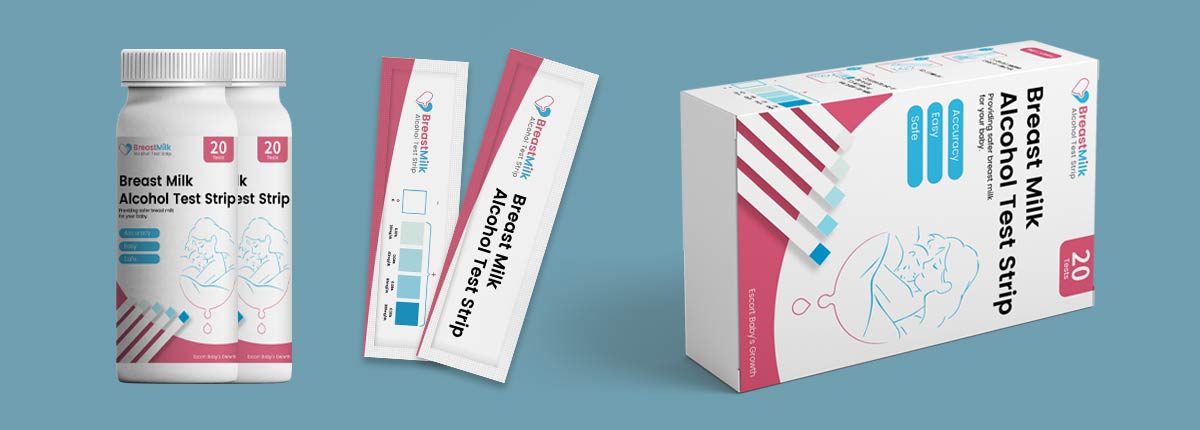
Scientific research shows that tannins and sulfites from alcoholic beverages do not transfer into breast milk in measurable amounts. Alcohol, however, passes readily into breast milk during lactation. After maternal alcohol consumption, the concentration of alcohol in breast milk closely matches the blood level, although less than 2% of the total alcohol dose appears in milk. Infants may face risks if exposed to alcohol through breast milk. For parents concerned about alcohol presence, breast milk alcohol test strips offer a practical way to monitor milk safety.
Key Takeaways
- Tannins and sulfites from alcoholic beverages do not transfer into breast milk, ensuring infants are not exposed to these compounds.
- Alcohol passes into breast milk quickly, with levels peaking 30 to 60 minutes after consumption. Parents should wait at least two hours after drinking before breastfeeding.
- Using breast milk alcohol test strips may not be reliable. Following timing guidelines is a better way to ensure milk safety.
- Monitoring infants for unusual symptoms after feeding is crucial. Contact a healthcare provider if signs like drowsiness or difficulty breathing occur.
- Consulting with a pediatrician about alcohol consumption during lactation can help parents make informed decisions for their infant’s health.
Tannins and Sulfites in Alcoholic Beverages
What Are Tannins?
Tannins are natural compounds found in many plants. Grapes contain high levels of tannins, which play a crucial role in wine production. Red wine has much higher tannin concentrations than white wine. Red wine can contain between 500 and 1500 mg/L of tannins, while white wine usually has only 10 to 50 mg/L. Tannins also enter wine during fermentation and aging, especially when winemakers use wooden barrels. Beer contains tannins as part of its polyphenolic composition. These compounds influence the taste, quality, and stability of beer. Tannins interact with other components to affect the flavor and mouthfeel of alcoholic beverages.
Tannins enhance the sensory experience of wine and beer. They preserve fruitiness and prevent oxidized notes, making the drinks more enjoyable.
During lactation, parents may wonder if tannins from alcohol can transfer into breast milk. Scientific studies show that tannins do not appear in breast milk in measurable amounts. The body processes tannins differently from alcohol, which passes readily into breast milk during lactation.
What Are Sulfites?
Sulfites are chemicals used in winemaking to prevent spoilage and oxidation. They help keep wine fresh and stable. Sulfites can also be present in beer, although their main use is in wine. Many foods that may contain sulfites include dried fruits, canned vegetables, and some processed meats.
- Sulfites protect wine from bacteria and unwanted chemical changes.
- They extend the shelf life of alcoholic beverages.
- Sulfites are important for maintaining the quality of wine and beer.
Sulfites have raised concerns for parents during lactation. Some worry about their presence in breast milk after consuming alcohol. Research shows that sulfites do not transfer into breast milk in significant amounts. The body metabolizes sulfites before they reach the breast, unlike alcohol, which can appear in breast milk soon after consumption.
How Alcohol and Other Compounds Enter Breast Milk?
Substance Transfer During Lactation
During lactation, substances from the mother’s bloodstream can move into breast milk. This process depends on several factors, including the properties of each compound. Alcohol enters breast milk quickly after consumption. The body absorbs alcohol into the bloodstream, and it passes into breast milk through diffusion. Alcohol does not require special transporters or energy to move from blood to milk. The concentration of alcohol in breast milk closely matches the level in the mother’s blood. Alcohol usually appears in breast milk within 30 to 60 minutes after drinking.
The following table summarizes how alcohol moves from the mother’s body into breast milk:
| Factor | Description |
|---|---|
| Molecular Weight | Alcohol has a low molecular weight, which allows it to move easily between blood and milk. |
| Method of Entry | Alcohol enters breast milk by simple diffusion, passing through cell walls. |
Alcohol does not stay in breast milk for long periods. As the mother’s blood alcohol level drops, the amount in breast milk also decreases. The body removes alcohol from both blood and milk at the same rate.
Factors Affecting Transfer
Many factors influence how substances like alcohol move from blood to breast milk during lactation:
- The chemical structure of the substance, such as molecular weight and fat solubility, affects transfer.
- Substances that do not bind tightly to blood proteins move more easily into breast milk.
- The pH of breast milk is slightly more acidic than blood, which can cause some compounds to concentrate in milk.
- The fat content of breast milk changes during different stages of lactation, which can impact how much of a substance enters the milk.
- Only the unbound, or free, form of a substance can cross into breast milk.
Alcohol, because of its small size and ability to dissolve in water and fat, transfers into breast milk more easily than larger or protein-bound compounds. The stage of lactation also matters. Colostrum, the first milk after birth, has a different composition than mature milk, which can affect how alcohol and other substances appear in breast milk.
Tip: The timing of alcohol consumption in relation to breastfeeding can influence how much alcohol is present in breast milk. Waiting before nursing allows the body to process and remove alcohol.
Scientific Evidence on Tannins, Sulfites and Alcohol in Breast Milk
Research on Tannins Transfer
Scientists have studied whether tannins from wine or beer can move into milk during lactation. Tannins are large, complex molecules. The body breaks down tannins in the digestive system before they reach the bloodstream. Because of their size and structure, tannins do not pass easily from blood into breast tissue. Studies have not detected tannins in breast milk after maternal alcohol consumption. Researchers believe that the digestive process and the body’s natural barriers prevent tannins from entering milk. Infants who feed at the breast after the parent drinks wine or beer do not receive tannins through milk. This finding reassures parents who worry about the effects of tannins on their infant.
Research on Sulfites Transfer
Sulfites are common in wine and sometimes in beer. These chemicals help preserve alcoholic beverages. Scientists have examined whether sulfites can transfer into milk during lactation. The body processes sulfites quickly. Most sulfites convert to harmless sulfate before reaching the breast. Research shows that sulfites do not appear in breast milk in measurable amounts. Infants who nurse after maternal alcohol consumption do not face sulfite exposure through milk. The lack of sulfites in milk means that infants remain safe from possible sulfite sensitivity or allergic reactions. Health experts agree that the effects of sulfites on infants through breast milk are not a concern.
Alcohol in Breast Milk
Alcohol behaves differently from tannins and sulfites. The body absorbs alcohol quickly. Alcohol moves from the bloodstream into breast tissue and then into milk. The concentration of alcohol in breast milk matches the level in the blood. After drinking, alcohol in breast milk peaks between 30 and 60 minutes. If a parent eats food while drinking, the peak may occur between 60 and 90 minutes. The amount of alcohol in milk depends on how much the parent drinks and how fast the body processes alcohol.
- Alcohol in breast milk peak 30–60 minutes after drinking.
- Alcohol in breast milk typically peaks 30–60 minutes after drinking.
- Alcohol in breast milk peak about 30 to 90 minutes after ingestion.
- The duration alcohol remains detectable in breast milk is approximately 2 to 3 hours per standard drink.
- Alcohol levels typically peak in breast milk about 30 to 60 minutes after consumption.
- If consuming food while drinking, this peak might be delayed to 60 to 90 minutes.
The concentration of alcohol in milk drops as the parent’s blood alcohol level decreases. Experts recommend waiting at least 2 to 2.5 hours after a single drink before breastfeeding. Pumping and discarding milk does not remove alcohol faster. The safest time to nurse is after the body has cleared most of the alcohol from milk. Infants who feed at the breast during peak alcohol levels may experience mild effects, such as changes in sleep or feeding patterns. The effects depend on the amount of alcohol in milk and the size of the infant. Health professionals advise parents to limit alcohol exposure for infants by timing breastfeeding carefully.
Note: Alcohol exposure through breast milk can affect infant development. Parents should follow guidelines to reduce risks.
Health Implications for Infant and Sulfite Sensitivity
Potential Risks for Infants
Infants rely on breast milk for nutrition and immune support during early development. When lactating women consume alcohol, the substance can enter the bloodstream and move into milk. Alcohol exposure through milk may affect infant development, especially in newborns and young babies. The effects on infant health depend on the amount of alcohol in milk, the timing of breastfeeding, and the age and weight of the infant.
Alcohol in milk can cause several effects in infants. Some infants may experience changes in sleep patterns, feeding behavior, or motor development. High levels of alcohol exposure can lead to drowsiness, weakness, or poor weight gain. Alcohol can also affect breast milk production, which may reduce the amount of milk available for the infant. The risk increases with frequent or heavy alcohol consumption during lactation.
If tannins or sulfites transferred into milk, infants could face additional risks. However, research shows that these compounds do not appear in breast milk in measurable amounts after maternal alcohol consumption. The body breaks down tannins and sulfites before they reach the breast. This process protects infants from possible negative effects related to these substances.
Sulfite Sensitivity in Infants
Sulfite sensitivity is rare in infants, but it can cause serious reactions if exposure occurs. Although sulfites do not transfer into milk in significant amounts, parents should recognize the symptoms of sulfite sensitivity. Infants with sulfite sensitivity may show a range of symptoms, including:
- Wheezing
- Shortness of breath
- Nausea
- Stomach cramps
- Diarrhea
- Itching
- Swelling
- Hives
- Laryngeal edema (swelling of the throat)
- Tingling sensations
- Flushing
- Low blood pressure
- Cyanosis (bluish skin)
- Shock
- Loss of consciousness
Doctors diagnose sulfite sensitivity in infants by observing symptoms and reviewing medical history. No reliable blood or skin test exists for sulfite allergy. The table below summarizes common symptoms and the diagnostic process:
| Symptoms of Sulfite Sensitivity in Infants | Diagnostic Process |
|---|---|
| Wheezing | Based on symptoms |
| Shortness of breath | Medical history |
| Coughing | Asthma/allergy history |
| Sneezing | Food challenge test |
| Skin reactions (hives) | No reliable blood/skin test |
| Anaphylaxis (rare) |
Because sulfites do not appear in breast milk after alcohol consumption, the risk of sulfite sensitivity reactions in infants remains extremely low. Parents should still monitor infants for any unusual symptoms after feeding, especially if the infant has a known allergy or sensitivity.
Pediatric Recommendations
Pediatricians provide clear guidelines for lactating women who consume alcohol. Experts recommend limiting alcohol consumption during lactation to protect infant health. They advise waiting at least two hours after a single alcoholic drink before breastfeeding. This waiting period allows the body to process and remove most alcohol from milk. Pediatricians also suggest avoiding breastfeeding during peak alcohol levels in milk.
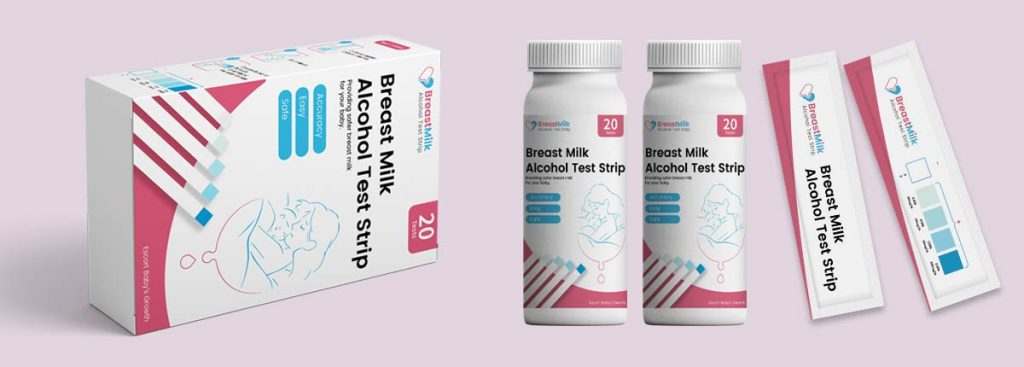
Doctors do not recommend pumping and discarding milk as a way to speed up alcohol removal. The body clears alcohol from both blood and milk at the same rate. Pediatricians encourage parents to use breast milk alcohol test strips if they have concerns about alcohol exposure. These strips help parents check the safety of milk before feeding.
If an infant shows signs of unusual reactions, such as difficulty breathing, hives, or swelling, parents should contact a healthcare provider immediately. Pediatricians can help determine if the symptoms relate to alcohol, sulfite sensitivity, or another cause. They may recommend further testing or observation to ensure the infant’s safety.
Pediatricians emphasize the importance of safe lactation practices. They encourage parents to follow guidelines for alcohol consumption, monitor infant health, and seek medical advice when needed. These steps help protect infants from the possible effects of alcohol and support healthy breast milk feeding.
Practical Tips for Safe Lactation
Alcohol Consumption Guidelines
Lactating women often seek clear advice about alcohol and milk safety. Health organizations provide different recommendations. The table below summarizes guidelines from several authorities:
| Organization | Recommendation |
|---|---|
| Health Service Executive | Avoid alcohol until the baby is 1 month old. Regular drinking can decrease milk supply. |
| Health Promotion Agency | Moderate consumption (up to 1 drink/day) is generally not harmful if waiting 2 hours before breastfeeding. |
| Swedish Food Agency | Moderate amounts (1-2 glasses/week) are not medically risky for the child. |
Many countries set their own rules for alcohol during lactation. For example, the USA and Belgium recommend total abstinence, while Australia and the UK allow limited consumption. Most experts agree that moderate alcohol intake means up to one drink per day. After maternal alcohol consumption, waiting at least two hours per standard drink before breastfeeding helps reduce alcohol exposure for the infant. One standard drink equals 12 oz of beer, 5 oz of wine, or 1.5 oz of spirits. Alcohol levels in milk peak 30 to 90 minutes after drinking. The effects on the infant depend on the amount and timing of milk feeding.
Tip: Waiting until the mother feels neurologically normal before breastfeeding can further lower the risk to the infant.
Using Breast Milk Alcohol Test Strip
Some parents use a breast milk alcohol test strip to check for alcohol in milk. These strips claim to detect alcohol levels, but health experts question their accuracy. A registered nurse and lactation consultant stated that the strips are not reliable. The American Academy of Pediatrics noted that these products are unnecessary and lack enough research to support their effectiveness. Parents should not rely solely on test strips to decide when to feed their infant. Instead, following timing guidelines and monitoring the effects on the infant offers better safety.
When to Consult a Doctor?
Parents should watch for any unusual effects in their infant after feeding. Signs such as drowsiness, poor feeding, or changes in behavior may signal alcohol exposure. If an infant shows symptoms like difficulty breathing, hives, or swelling, parents should contact a healthcare provider right away. Doctors can help determine if the effects relate to alcohol, milk, or another cause. Pediatricians can also offer guidance on safe lactation practices and answer questions about breast milk, alcohol, and infant development.
Note: Regular communication with a healthcare provider supports healthy lactation and protects the infant from possible risks.
Conclusion
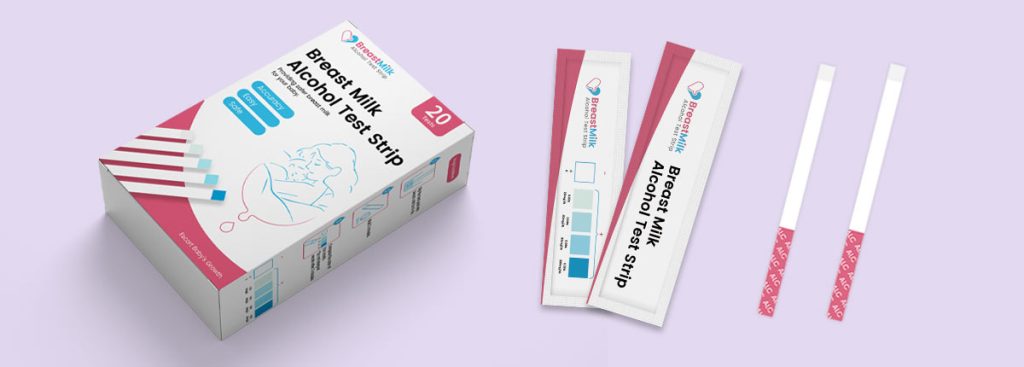
Current research shows that tannins and sulfites from maternal alcohol consumption do not transfer into breast milk in measurable amounts. Alcohol, however, enters breast milk during lactation and can affect the infant. The infant may experience changes in sleep or feeding if exposed to alcohol through breast milk. Parents should time breastfeeding after drinking alcohol to reduce risks to the infant. Using a breast milk alcohol test strip may help, but consulting a healthcare professional remains the best option for safe lactation.
FAQ
Can Tannins from Wine or Beer Enter Breast Milk?
Current research shows that tannins do not enter breast milk in measurable amounts. The body breaks down tannins during digestion. Infants who breastfeed after maternal alcohol consumption do not receive tannins through milk.
Do Sulfites in Alcoholic Drinks Affect Breastfed Babies?
Sulfites do not transfer into breast milk in significant amounts. The body processes sulfites before they reach the breast. Infants remain safe from sulfite exposure through breast milk.
How Long Should a Parent Wait After Drinking Alcohol Before Breastfeeding?
Experts recommend waiting at least two hours after consuming one standard drink before breastfeeding. This waiting period allows the body to reduce alcohol levels in breast milk.
Are Breast Milk Alcohol Test Strips Reliable?
Health professionals question the accuracy of breast milk alcohol test strips. Most experts suggest following timing guidelines instead of relying on these strips for safety.
What Signs Should Parents Watch for in Infants After Alcohol Exposure?
Parents should observe for drowsiness, poor feeding, or unusual behavior in infants. If symptoms like difficulty breathing or swelling appear, they should contact a healthcare provider immediately.