


Drinking water before breastfeeding does not lower the amount of alcohol in breast milk. Many people believe that water can help clear alcohol faster, but this idea persists due to confusion about hydration and feeding safety. Mothers often worry about their baby’s health after drinking, but only time and metabolism remove alcohol from the body. The science shows that making careful choices protects both the baby and the breastfeeding experience.
Key Takeaways
- Drinking water does not lower alcohol in breast milk. Only time and metabolism can clear alcohol from the body.
- The alcohol in breast milk matches the mother’s blood alcohol level. Wait at least two hours after drinking before breastfeeding.
- Pumping and dumping does not remove alcohol. The body eliminates alcohol at a steady rate, regardless of milk removal.
- Moderate wine consumption is generally safe if mothers plan ahead and wait the recommended time before nursing.
- For newborns under two months, avoid alcohol entirely. Their ability to metabolize alcohol is limited.
Alcohol in Breast Milk: The Science
How Alcohol Enters Breast Milk?
When a mother drinks wine, the alcohol enters her bloodstream and quickly reaches her breast tissue. Alcohol in breast milk closely matches the blood alcohol level at any given time. For example, if a mother’s blood alcohol level is 0.08 percent after a glass of wine, her breast milk will also contain 0.08 percent alcohol. This direct relationship means that as the blood alcohol level rises or falls, the alcohol in breast milk changes in the same way.
The process works like this: after wine consumption, alcohol passes from the digestive system into the blood. The body does not store alcohol in breast milk. Instead, the concentration of alcohol in breast milk always reflects the current blood alcohol level. If a mother drinks a glass of wine, the alcohol in breast milk increases as her blood alcohol level rises. As her body metabolizes the alcohol, both her blood alcohol level and the alcohol in breast milk decrease.
Note: The impact of alcohol in breast milk on a nursing infant is much less than on an adult. For instance, if a mother weighing 155 pounds drinks four glasses of wine, her 13-pound baby who breastfeeds soon after will have a blood alcohol level of less than 0.005 percent. This is because infants have smaller bodies and slower metabolism, so the effect is much lower compared to adults.
Many mothers wonder how wine affects breast milk and whether the type of alcohol matters. The answer is that the kind of alcoholic beverage—wine, beer, or spirits—does not change the way alcohol enters breast milk. The key factor is the blood alcohol level, which depends on the amount and speed of wine consumption.
Why Water Intake Doesn’t Change Alcohol Levels?
Some believe that drinking water after a glass of wine can lower the alcohol in breast milk. This idea is a myth. Once alcohol enters the bloodstream, only time and the body’s metabolism can reduce the blood alcohol level. The liver breaks down alcohol at a steady rate, about 0.015 blood alcohol level per hour. Drinking water, coffee, or resting does not speed up this process.
- Alcohol is mainly broken down in the liver by an enzyme called alcohol dehydrogenase. This enzyme turns alcohol into carbon dioxide and water.
- The elimination rate of alcohol from the body stays the same, no matter how much water a person drinks.
- After wine consumption, the body cannot remove alcohol faster by drinking water or other fluids.
Hydration is important for health, but it does not affect how quickly the body removes alcohol from the blood or breast milk. The only way to lower the alcohol in breast milk is to wait for the blood alcohol level to drop as the liver processes the alcohol. If a mother drinks a glass of wine, she must allow enough time for her body to metabolize the alcohol before breastfeeding again.
Tip: Mothers who want to enjoy a glass of wine while breastfeeding should plan ahead. Waiting for the blood alcohol level to return to zero is the safest way to ensure that alcohol in breast milk is gone. No amount of water, coffee, or rest will change this timeline.
Understanding how wine affects breast milk helps mothers make informed choices. The science shows that the impact of alcohol in breast milk depends on the blood alcohol level, not on water intake or other quick fixes. Responsible wine consumption and patience protect both mother and baby during breastfeeding.
Breastfeeding and Alcohol: Myths vs Facts
Does Drinking Water Before Nursing Help?
Many mothers believe that drinking water before nursing can reduce the amount of wine in breast milk. This idea remains popular, but science does not support it. Water does not speed up the removal of wine from the body. The level of alcohol in breast milk always matches the blood alcohol content. If a mother drinks wine, her breast milk will contain the same percentage of alcohol as her blood. Only time and metabolism can lower these levels.
Some cultures encourage mothers to drink wine or other alcoholic beverages to increase milk supply. For example, beer is sometimes used as a galactagogue, and rice wine chicken soup is common in Asian traditions. In Mexico, pulque, a fermented wine, is suggested to boost milk production. However, research shows that alcohol actually reduces milk production. The belief that wine helps mothers relax during feeding is also misleading. While infants may suck more often when mothers drink wine, this does not increase the total amount of milk consumed.
Note: The Centers for Disease Control and Prevention (CDC) and the World Health Organization (WHO) both state that the alcohol in breast milk mirrors the blood alcohol content. They recommend waiting at least two hours after drinking wine before breastfeeding.
Pumping and Dumping: What Works and What Doesn’t
Pumping and dumping is another common practice among mothers who consume wine. Many believe that removing breast milk after drinking will clear alcohol from the milk. This is a myth. Pumping and dumping does not lower the alcohol content in breast milk. The body removes alcohol from breast milk only as blood alcohol levels decrease. Discarding milk may help with physical comfort or maintaining supply, but it does not speed up the elimination of wine from the system.
Current guidelines confirm that the amount of alcohol in breast milk is generally low if wine is consumed in moderation. It takes about two hours for an adult to metabolize one glass of wine. If a mother drinks two glasses, she should wait four to five hours before feeding her baby. The biological risk to infants from occasional exposure is low, but waiting ensures the safest feeding experience.
What Affects Alcohol Levels for Breastfeeding Mothers?
Time and Metabolism
Time plays the most important role in clearing alcohol from the body after drinking wine. The liver breaks down alcohol at a steady rate, which means that only waiting allows the blood alcohol level to drop. For breastfeeding mothers, the concentration of alcohol in breast milk closely matches the level in the blood. If a mother drinks wine, her breast milk will contain about 95% of the alcohol found in her bloodstream. The body’s metabolism also affects how quickly alcohol leaves the system. Some people process wine faster than others, but the rate remains fairly consistent for each individual. Newborns metabolize alcohol at about half the rate of adults, but older infants can process alcohol more quickly.
Food, Body Weight and Other Factors
Several factors influence how wine affects breastfeeding mothers. Eating food before or while drinking wine slows the absorption of alcohol. When a mother consumes wine with a meal, it takes longer for the alcohol to enter her bloodstream. Food also increases the rate at which the body eliminates alcohol, likely because it boosts liver activity. Body weight matters as well. Heavier individuals can metabolize wine more quickly than lighter individuals. Alcohol is highly soluble in both water and fat, so it easily enters the bloodstream and breast milk. Alcohol consumption can reduce oxytocin levels, which delays milk ejection, and can increase prolactin levels, which may also delay milk production. Research shows that infants consume about 20% less milk per feeding when their mothers have consumed wine, which can affect breastfeeding success.
Using a Breast Milk Alcohol Test Strip
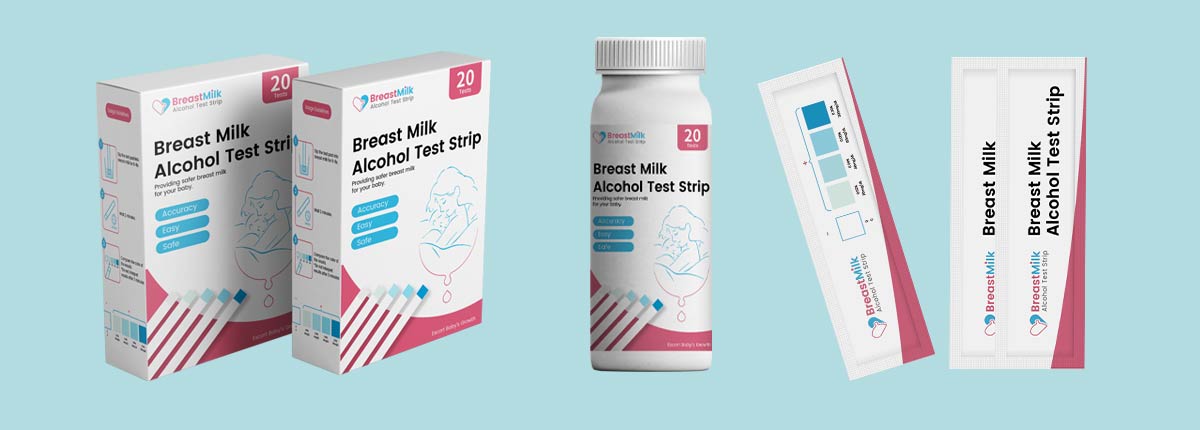
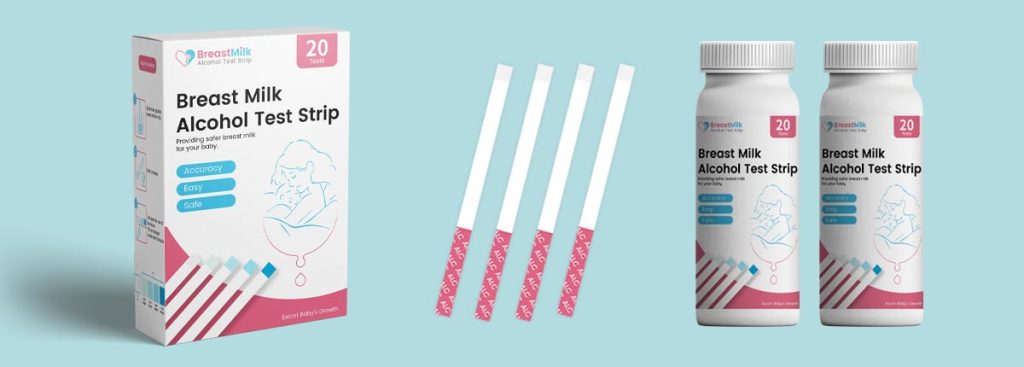
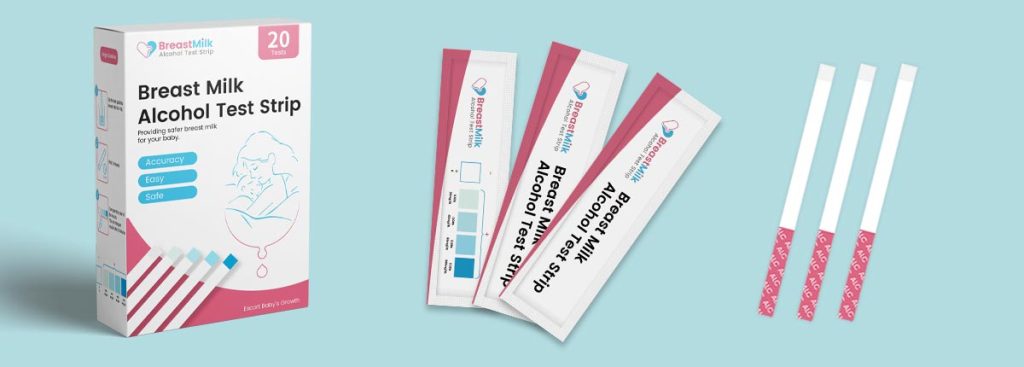
Some breastfeeding mothers use a breast milk alcohol test strip to check for alcohol in their milk after drinking wine. These strips promise a quick answer, but health experts question their accuracy and reliability. The American Academy of Pediatrics states that these strips are unnecessary and lack enough research to support their use. Lactation consultants and pediatricians often describe them as inaccurate and not as sensitive or specific as blood alcohol tests. The best approach for breastfeeding mothers remains careful and limited wine consumption, along with allowing enough time for the body to clear alcohol before nursing.
Safe Breastfeeding After Drinking: Tips for Baby’s Health
How Long to Wait Before Nursing?
Timing of consumption plays a crucial role in ensuring safety for both mother and baby. After drinking wine, the amount of alcohol in breast milk rises and falls with blood alcohol levels. The general guideline recommends waiting at least two hours after a single drink before breastfeeding. For mothers who consume more wine, the waiting time increases:
- Alcohol from a single drink can be detected for about 2-3 hours.
- Alcohol from two drinks can be detected for about 4-5 hours.
- Alcohol from three drinks can be detected for about 6-8 hours.
| Number of Standard Drinks | Recommended Waiting Time (Hours) |
|---|---|
| 1 | 2 |
| 2 | 4-5 |
| 3 | 6-8 |
Blood alcohol concentration peaks 30-60 minutes after wine consumption. Eating food with wine may reduce alcohol absorption. Pumping before drinking can help manage engorgement, but it does not remove alcohol from breast milk. Mothers should avoid feeding pumped milk expressed while intoxicated.
Tip: Breastfeed immediately before drinking wine and wait the recommended hours before nursing again. This approach minimizes alcohol transfer to the baby.
Practical Advice for Breastfeeding Mothers
Safe wine consumption requires careful planning. Mothers should store expressed breast milk in advance if they plan to drink wine. The safest option remains abstaining from alcohol, especially when to avoid wine is necessary, such as during the first two months of the baby’s life. Newborns have limited ability to metabolize alcohol, so breastfeeding mothers should avoid wine during this period.
Moderate wine consumption, defined as up to one single drink per day, is generally not harmful if the mother waits at least two hours before feeding. The American Academy of Pediatrics recommends minimizing alcohol intake and suggests a maximum of two beers for mothers weighing around 130 pounds. If a mother consumes more than a single drink, she should ensure a responsible caregiver is available for the baby.
Alcohol can inhibit oxytocin, affecting milk let-down and reducing milk production. Excessive wine consumption may impair a mother’s ability to care for her baby and negatively impact infant development, growth, and sleep patterns. Research shows that repeated exposure to alcohol through breast milk can slightly alter motor development in infants.
Safety Reminder: Planning ahead and following recommended waiting times after wine consumption protects both mother and baby during feeding.
Conclusion
Drinking water does not reduce alcohol in breast milk after wine consumption. Only time and metabolism clear alcohol, so mothers must wait before nursing their baby. The American Academy of Pediatrics recommends limiting wine consumption and waiting at least two hours before breastfeeding. For newborns under two months, mothers should avoid wine entirely. The amount of alcohol in breast milk depends on blood alcohol levels, not water intake. Safe wine consumption means planning ahead and consulting healthcare professionals for guidance. Protecting the baby remains the top priority.
| Recommendation | Details |
|---|---|
| Avoid wine consumption | From birth until the baby is two months old. |
| Wait before breastfeeding | 2-3 hours after wine consumption. |
| Express milk in advance | To feed the baby when alcohol levels are high after wine consumption. |
FAQ
Can Drinking Water Remove Alcohol from Breast Milk?
Drinking water does not remove alcohol from breast milk. The liver processes alcohol at a steady rate. Only time lowers the alcohol level. Mothers must wait before feeding their baby.
Is It Safe to Breastfeed After One Glass of Wine?
A mother can breastfeed safely after one glass of wine if she waits at least two hours. This waiting period allows her body to clear most alcohol. The baby receives less exposure.
Does Pumping and Dumping Reduce Alcohol in Breast Milk?
Pumping and dumping does not reduce alcohol in breast milk. The alcohol leaves as the blood alcohol level drops. The baby stays safer when mothers follow recommended waiting times.
How Does Alcohol Affect a Baby’s Health?
Alcohol in breast milk can affect a baby’s sleep, growth, and motor development. The risk increases with repeated exposure. Mothers should limit alcohol and wait before breastfeeding.
What Is the Best Way to Protect a Baby When Drinking Alcohol?
Mothers should plan ahead. They can express milk before drinking. Waiting the recommended hours before breastfeeding keeps the baby safe. Responsible choices support healthy breastfeeding.