


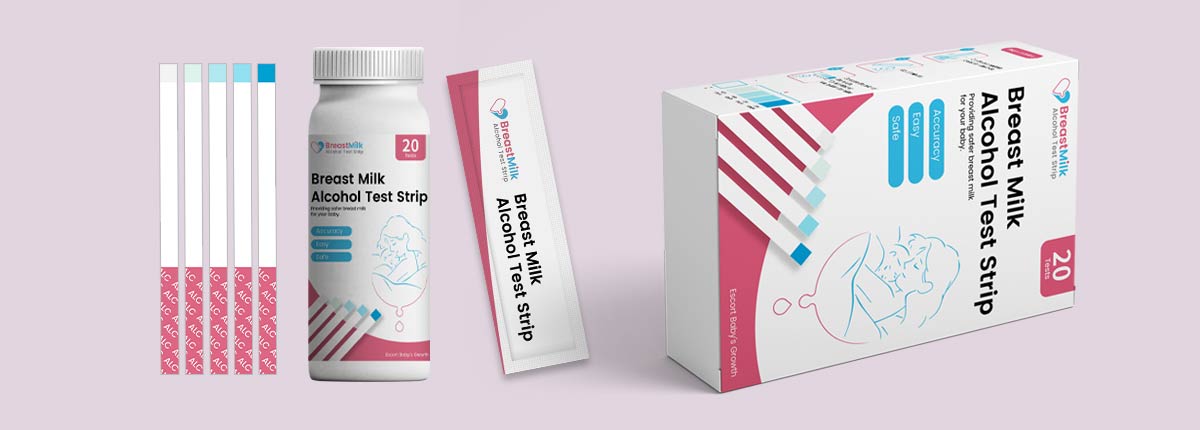
Many parents worry about the safety of using a breast milk alcohol test strip during breastfeeding. They want to know if chemicals from the strip can contaminate breast milk or change its quality. Accurate testing matters because infants depend on clean breast milk for healthy development. Breastfeeding families seek peace of mind when checking breast milk for alcohol.
Key Takeaways
- Alcohol breast milk test strip is designed to be safe. The chemicals used do not leach into the milk when used correctly.
- Choose test strip from reputable brands. Always check expiration dates and follow the manufacturer’s instructions for best results.
- Proper hygiene is crucial. Wash hands and use clean containers to prevent contamination during testing.
- Test strips provide quick results but do not measure exact alcohol levels. They indicate presence or absence of alcohol in breast milk.
- Consult healthcare professionals if unsure about results. Rely on timing and moderation for alcohol consumption while breastfeeding.
Do Breast Milk Alcohol Test Strips Contaminate Milk?
How Strips Are Designed for Safety?
Manufacturers create breast milk alcohol test strips with user safety in mind. These strips use specialized pads that contain reagents designed to react only with alcohol in breast milk. The chemicals remain fixed on the test pad and do not dissolve into the milk during normal use. Most brands instruct users to dip the strip briefly or to expose it to milk vapors, which limits direct contact between the reagents and the milk itself.
Quality control plays a crucial role in the safety and reliability of these products. The following table highlights common quality control measures used by reputable manufacturers:
| Quality Control Measure | Importance |
|---|---|
| Compliance with FDA, ISO 17025, or AOAC | Ensures products meet recognized safety and quality standards, increasing reliability. |
| Manufacturer-provided validation reports | Adds credibility to the test results, ensuring accuracy in measurements. |
| Use of traceable lot numbers and expiration dates | Facilitates quality tracking and ensures the strips are used within their effective lifespan. |
| Cross-Reactivity checks | Ensures specificity to ethanol, preventing false positives from other alcohols or compounds. |
| Batch Consistency | Maintains uniformity in reagent application, ensuring consistent performance across batches. |
| Support & Training | Enhances user confidence through guidance and resources provided by manufacturers. |
Despite these efforts, there is a notable absence of standardized regulatory guidelines for breast milk alcohol test strips. This lack of oversight can lead to differences in product quality and performance. Parents and caregivers should choose products from reputable sources and check for available validation data.
Can Chemicals Leach into Milk?
Breast milk alcohol test strips are formulated to minimize the risk of chemical leaching. The reagents used in these strips are typically immobilized on the test pad, which means they do not dissolve or mix with the breast milk during testing. When used as directed, the strips should not leave any residue or alter the milk sample.
Note: While mothers may feel reassured using breast milk alcohol test strips, no solid research or high-quality studies support their effectiveness. Some concerns exist about the impact of alcohol in breast milk on milk ejection and supply, which these strips may not detect.
Most test strips require only a small sample and a short exposure time. This design further reduces the chance of any chemical transfer. However, because there are no universal safety standards for these products, users should always follow the manufacturer’s instructions closely. Using clean containers and avoiding prolonged contact between the strip and the milk can help prevent accidental contamination.
- Choose strips from trusted brands.
- Check expiration dates before use.
- Store strips in a dry, cool place.
- Discard any strip that appears damaged or discolored.
Breastfeeding families rely on these strips for peace of mind, but they should remain aware of the limitations. The best approach combines careful product selection, proper usage, and consultation with healthcare professionals when in doubt.
Testing Breast Milk for Alcohol: How Strips Work?
Chemicals Used in Test Strips
Breast milk alcohol test strips use specialized chemicals to detect alcohol in breast milk. Most strips contain enzyme-based reagents, such as alcohol oxidase or peroxidase. These enzymes react specifically with ethanol, the type of alcohol found in beverages. The chemicals remain fixed on the test pad and do not dissolve into the milk during testing. Manufacturers design these strips to minimize any risk of chemical transfer, making them safe for use by breastfeeding families.
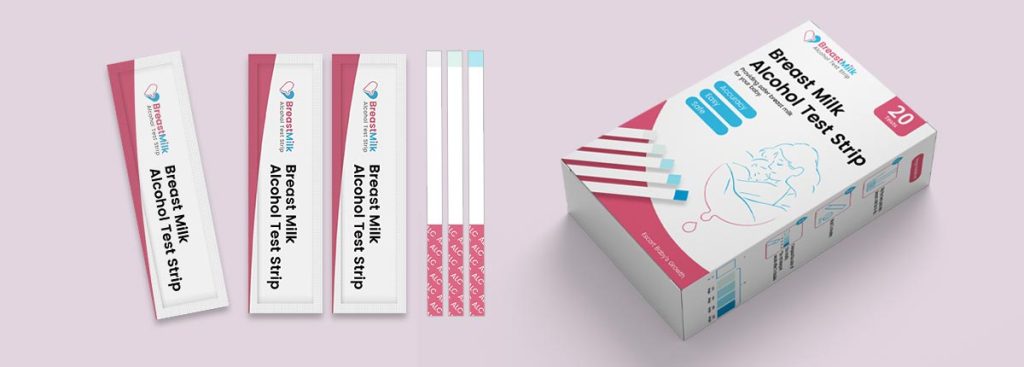
Some brands use color-changing indicators that respond only when they come into contact with alcohol. The test pad may also include stabilizers and buffers to ensure accurate results. These components help maintain the reliability of the test, even when exposed to small amounts of milk. The chemicals used in breast milk alcohol test strips do not affect the quality of the milk sample when used as directed.
How Alcohol Detection Happens?
Testing breast milk for alcohol relies on a simple chemical reaction. When a caregiver dips the strip into a milk sample, the enzymes on the pad react with any alcohol present. This reaction causes the test pad to change color, usually within two minutes. The color change indicates whether alcohol is present in the sample. For example, strips from brands like UpSpring use this method and have a detection threshold around 13.1 mg/dL. These strips provide quick and sensitive results, helping parents detect alcohol presence in breast milk.
Some breast milk alcohol test strips detect vapors instead of direct contact with the liquid. This method can sometimes lead to false positives if the strip is exposed to alcohol fumes from the environment. Caregivers should always follow the instructions to avoid inaccurate results. Clinical studies show that these strips can identify alcohol in breast milk but do not measure the exact concentration. They give a positive or negative result, which helps with decision-making during breastfeeding but does not guarantee complete safety.
Tip: Always use clean containers and avoid exposing the strip to other sources of alcohol to ensure accurate testing breast milk for alcohol.
Testing breast milk for alcohol gives breastfeeding families peace of mind, but understanding how the strips work helps ensure safe and reliable results.
Safe Use of Breast Milk Alcohol Test Strip
Preventing Contamination During Testing
Caregivers can protect the integrity of breast milk alcohol test strips by following simple hygiene steps. Clean hands and sanitized containers reduce the risk of introducing unwanted substances into the sample. They should always use fresh breast milk and avoid touching the test pad directly. Diluting the milk sample to a 5% volume with water, as some brands recommend, can improve results and minimize errors. Careful handling of the strip during testing prevents contamination and ensures accurate results.
Best practices for preventing contamination include:
- Wash hands thoroughly before handling breast milk or alcohol breast milk test strips.
- Use clean, dry containers for collecting and testing breast milk.
- Avoid touching the test pad or allowing it to contact surfaces.
- Dilute the sample if the instructions recommend it for optimal results.
- Store unused strips in a sealed, dry place away from strong odors.
Improper handling often leads to inaccurate results. Many breast milk alcohol test strips do not have medical-grade accuracy. Misreading the color change can cause users to interpret results incorrectly. These risks highlight the importance of careful technique during testing breast milk for alcohol.
Following Instructions for Accurate Results
Manufacturers provide clear guidelines to help users achieve reliable results with breast milk alcohol test strips. They recommend using fresh milk at room temperature and avoiding contamination from outside sources. Regularly replacing or calibrating test strips also supports consistent results. The table below summarizes key recommendations:
| Recommendation |
|---|
| Follow the manufacturer’s instructions carefully. |
| Use fresh milk samples at room temperature. |
| Avoid contamination from external sources. |
| Calibrate or replace test strips/devices as recommended. |
Caregivers should read the instructions before each use. They should not rush the process or skip steps. Consistent technique helps ensure that results reflect the true presence of alcohol in breast milk. If there is any uncertainty, consulting a healthcare provider can provide additional guidance for breastfeeding families.
Tip: Accurate results depend on proper handling and strict adherence to instructions. Always check the expiration date and storage conditions before using a breast milk alcohol test strip.
Conclusion
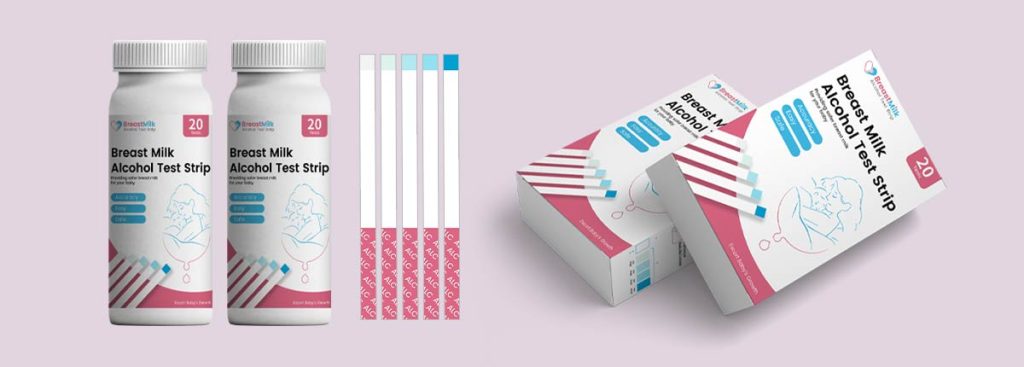
Chemicals of breast milk alcohol test strip chemicals do not contaminate breast milk when used correctly. Breastfeeding mothers can trust these strips for testing breast milk for alcohol, but experts caution that they lack strong scientific validation. Healthcare providers recommend purchasing strips from trusted brands, checking expiration dates, and following instructions. Breastfeeding mothers should avoid excessive alcohol consumption and rely on timing and moderation instead of pump and dump. Many experts agree that pump and dump is rarely needed. User reviews show high ratings for popular brands, but consulting healthcare professionals remains important for peace of mind. Breastfeeding mothers should focus on alcohol and breastfeeding safety, proper technique, and pump and dump only when necessary.
FAQ
Can Breast Milk Alcohol Test Strips Change the Taste of Milk?
Breast milk alcohol test strips do not alter the taste of milk. The chemicals remain fixed on the test pad and do not dissolve into the sample. Caregivers can use these strips without worrying about flavor changes.
Are Breast Milk Alcohol Test Strips Safe for Babies?
Manufacturers design breast milk alcohol test strips for safety. The chemicals stay on the strip and do not enter the milk. Babies do not ingest any test strip residue when caregivers follow instructions.
How Accurate Are Breast Milk Alcohol Test Strips?
Test strips provide a quick positive or negative result for alcohol. They do not measure exact concentrations. Accuracy depends on proper use and following instructions. False positives may occur if exposed to alcohol vapors.
Can I Use the Same Strip for Multiple Tests?
Each strip is intended for single use. Reusing a strip may lead to inaccurate results. Caregivers should discard used strips and use a new one for each test.
What Should I Do If the Strip Shows a Positive Result?
Caregivers should wait before breastfeeding if the strip shows a positive result. They may consult a healthcare provider for guidance. Timing and moderation help ensure safety for the baby.