


A breast milk alcohol test strip uses a specific mechanism to detect alcohol. When someone places human breast milk on the strip, the mechanism activates enzymes on the test area. These enzymes interact with any alcohol present through a chemical mechanism, producing a clear color change. This visible reaction allows parents and caregivers to quickly see results and understand if alcohol is present.
Key Takeaways
- Alcohol breast milk test strip uses enzymes to detect alcohol quickly and accurately, providing results in just two minutes.
- The enzyme alcohol oxidase specifically reacts with ethanol, ensuring reliable detection without false positives from other substances.
- Caregivers can easily use the test strips at home, requiring no special equipment or training, making it a convenient option for monitoring breast milk safety.
- A clear color change on the strip indicates the presence of alcohol, allowing parents to make informed feeding decisions based on the results.
- Following storage and usage instructions is crucial for maintaining the accuracy of the test strips and ensuring safe breast milk for feeding.
What Is an Enzyme-Based Reaction?
Enzyme Action in Test Strips
An enzyme-based reaction describes a process where a specific enzyme interacts with a target substance to produce a measurable result. In breast milk alcohol test strips, the enzyme acts as a biological catalyst. It speeds up the chemical reaction that detects alcohol in breast milk. The enzyme binds to alcohol molecules and transforms them into new compounds. This transformation triggers a visible color change on the test strip.
- Enzymes like alcohol oxidase and alcohol dehydrogenase play a central role in alcohol detection.
- Alcohol oxidase catalyzes the oxidation of alcohols, making it useful for test strips.
- Alcohol dehydrogenase uses NAD+ as an electron acceptor and produces acetaldehyde and NADH.
- The reaction can be summarized as: Ethanol + NAD+ → Acetaldehyde + NADH + H+.
- Alcohol oxidase is often used in colorimetric assays for detecting alcohol in breast milk.
The enzyme ensures that the test strip responds only to alcohol. This selectivity helps parents and caregivers trust the results. The enzyme’s action is both quick and reliable, making the test easy to use at home.
Why Enzymes Are Used?
Enzymes are chosen for breast milk alcohol test strips because they offer several advantages:
- Enzymes work under mild conditions, such as room temperature and neutral pH.
- The enzyme provides high specificity, reacting mainly with alcohol in breast milk.
- Enzyme reactions produce clear and immediate color changes, which are easy to interpret.
- The enzyme can be stored on the strip in a stable form until use.
- Enzyme-based methods do not require complex equipment or technical skills.
Test strips use the enzyme to detect even small amounts of alcohol in breast milk. The enzyme’s efficiency ensures that the test is sensitive and accurate. By using an enzyme, the test strip offers a safe and effective way for parents to check for alcohol in breast milk before feeding their baby.
How Does Breast Milk Alcohol Test Strip Work?
Testing Human Breast Milk
A breast milk alcohol test strip offers a straightforward way to check for alcohol in breast milk. The test strip contains a special area coated with enzyme molecules. These enzymes react only with alcohol in breast milk, making the test both specific and reliable. When a caregiver applies a sample, the enzyme on the strip begins to work immediately. The enzyme detects alcohol by starting a chemical reaction that leads to a visible color change. This process allows parents to quickly determine if alcohol is present before feeding their baby.
The design of the breast milk alcohol test strip focuses on ease of use. The enzyme remains stable on the strip until it comes into contact with the milk. Once the milk touches the reactive pad, the enzyme interacts with any alcohol in breast milk. This interaction produces a result that is easy to read and interpret. The test does not require any special equipment or training. Parents can use the strip at home with confidence, knowing that the enzyme provides accurate detection.
Step-by-Step Process
The process for using a breast milk alcohol test strip involves several simple steps. Each step ensures that the enzyme can react properly with alcohol in breast milk and produce a clear result.
- Prepare the Sample: Collect a small amount of breast milk in a clean container. Freshly expressed milk works best for accurate results.
- Dip the Strip: Insert the test end of the breast milk alcohol test strip into the milk. Make sure the reactive pad, which contains the enzyme, is fully submerged up to the marked line.
- Hold for 5–10 Seconds: Allow the milk to cover the enzyme area. This time lets the enzyme interact with any alcohol in breast milk.
- Remove and Drain: Take the strip out and gently shake off extra liquid. This step prevents excess milk from affecting the enzyme reaction.
- Wait for Reaction: Lay the breast milk alcohol test strip flat and wait about two minutes. The enzyme will process any alcohol in breast milk, causing a color change on the strip.
- Interpret Results: Compare the color on the strip to the provided chart. If the color falls between two values, choose the higher level for safety.
Tip: Always use freshly expressed breast milk for the most reliable results. The enzyme works best with fresh samples.
The entire process takes only a few minutes. The enzyme in the breast milk alcohol test strip ensures that the test is both sensitive and specific. Parents and caregivers can trust the result, as the enzyme reacts only with alcohol in breast milk. The clear color change makes it easy to see if alcohol is present, supporting safe feeding decisions.
Key Enzymes in Alcohol Detection
Role of Alcohol Oxidase
Alcohol oxidase serves as the primary enzyme in many breast milk alcohol test strips. This enzyme recognizes ethanol, the type of alcohol found in beverages, and starts the detection process. When a caregiver applies breast milk to the test strip, alcohol oxidase reacts with any ethanol present. The enzyme converts ethanol into acetaldehyde and hydrogen peroxide. This transformation marks the first step in the color-changing reaction.
The enzyme works quickly and efficiently. It only reacts with ethanol, which helps prevent false positives from other substances. Scientists select this enzyme because it remains stable on the test strip and activates only when it contacts breast milk. The enzyme’s action ensures that the test provides a reliable result every time.
Note: Alcohol oxidase acts as a biological catalyst. It speeds up the reaction without being consumed in the process.
Role of Peroxidase
Peroxidase acts as the second key enzyme in the detection system. After alcohol oxidase produces hydrogen peroxide, peroxidase takes over. This enzyme uses hydrogen peroxide to trigger a reaction with a color-changing dye on the test strip. The enzyme causes the dye to shift color, which signals the presence of alcohol in breast milk.
Peroxidase works alongside alcohol oxidase to complete the detection process. The enzyme’s role is essential for making the results visible and easy to interpret. Without this enzyme, the test strip would not show a clear color change. The combination of both enzymes creates a sensitive and accurate test for alcohol detection.
A summary of the enzyme roles in the test strip:
| Enzyme | Function in Test Strip |
|---|---|
| Alcohol Oxidase | Converts ethanol to hydrogen peroxide |
| Peroxidase | Uses hydrogen peroxide to change dye color |
Caregivers can trust the test strip because each enzyme performs a specific and important function. The enzyme-based system ensures that the test is both accurate and easy to use.
The Chemical Reaction in Detail
Ethanol to Hydrogen Peroxide
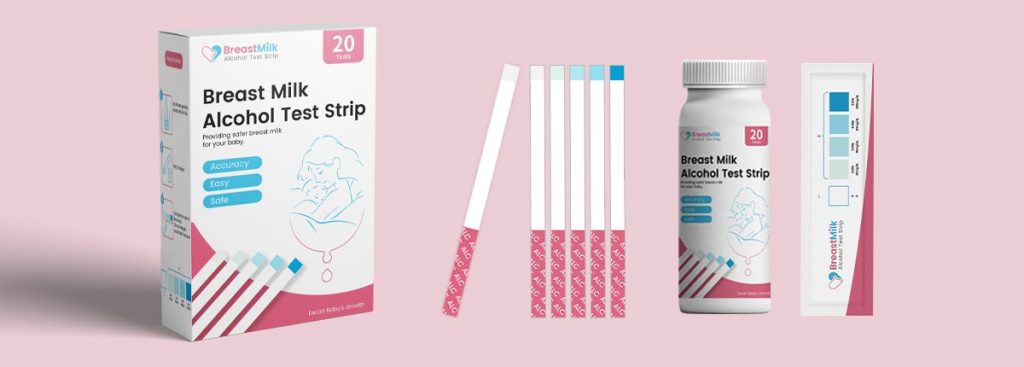
The breast milk alcohol test strip relies on a precise two-step process. The first step begins when alcohol in breast milk comes into contact with the test strip. The enzyme alcohol oxidase starts the reaction. This enzyme recognizes ethanol, which is the main type of alcohol in breast milk after maternal consumption. The enzyme binds to ethanol and uses oxygen from the air to convert ethanol into acetaldehyde and hydrogen peroxide. This transformation marks the beginning of the detection process.
Enzyme activity plays a crucial role in this step. The enzyme must remain stable and active on the strip until it meets alcohol in breast milk. High enzyme activity ensures that even small amounts of ethanol trigger the reaction. The enzyme does not get used up during this process. Instead, it continues to catalyze the conversion as long as ethanol is present. This property allows the test strip to detect a range of alcohol concentrations.
The effectiveness of the test depends on the enzyme activity. Reliable enzyme activity means the strip can detect alcohol in breast milk quickly and accurately.
Dye Reaction and Color Change
The second step involves another enzyme, peroxidase. After alcohol oxidase produces hydrogen peroxide, peroxidase takes over. This enzyme uses hydrogen peroxide to activate a special dye on the test strip. The dye starts out colorless or lightly colored. When peroxidase interacts with hydrogen peroxide, the dye undergoes a chemical change and shifts to a visible color.
Enzyme activity in this stage determines how quickly and clearly the color appears. Strong enzyme activity ensures that the dye reacts fully with hydrogen peroxide. The intensity of the color change depends on the amount of alcohol in breast milk. More ethanol leads to more hydrogen peroxide, which results in a deeper color. Less ethanol produces a lighter color. This relationship allows the test strip to provide a semi-quantitative result.
Parents and caregivers can compare the color on the strip to a reference chart. The chart shows different shades that correspond to specific alcohol concentrations. The test strip’s design ensures that enzyme activity remains consistent, so the color change accurately reflects the amount of alcohol in breast milk.
- Summary Table: Two-Step Enzyme Reaction
| Step | Enzyme Involved | Substrate | Product Formed | Result on Strip |
|---|---|---|---|---|
| 1 | Alcohol Oxidase | Ethanol (alcohol in breast milk) | Hydrogen peroxide | Prepares for color change |
| 2 | Peroxidase | Hydrogen peroxide | Colored dye | Visible color change |
The color intensity on the test strip gives a clear indication of alcohol concentration. This feature helps parents make informed decisions about feeding.
Enzyme activity at both steps ensures the test is sensitive and reliable. The combination of alcohol oxidase and peroxidase creates a system that responds only to alcohol in breast milk. The visible color change provides a simple way to interpret the results. The test strip’s enzyme-based reaction offers a fast, accurate, and user-friendly method for detecting alcohol in breast milk.
Interpreting Test Strip Results
Understanding Color Changes
A breast milk alcohol test strip uses a color scale to show the presence and amount of alcohol. When a caregiver applies breast milk to the strip, the enzyme reaction produces a color change. The color usually ranges from light to dark. A light color often means little or no alcohol. A darker color signals a higher alcohol concentration. Each test kit includes a reference chart. Caregivers compare the strip’s color to this chart to determine the result.
The color change happens because the enzymes react only with alcohol. This reaction ensures that the result is specific to ethanol in breast milk. The test strip’s design makes it easy to see even small changes in color. This feature helps caregivers make quick decisions. The color intensity gives a visual cue about how much alcohol is present.
Tip: Good lighting helps when comparing the test strip to the color chart. This step ensures accurate reading.
What Results Mean for Alcohol Presence?
The test strip result tells caregivers if alcohol is present and how much. The threshold for a positive result is usually around 0.02% blood alcohol concentration (BAC) in breast milk. Most test strips can detect alcohol levels from 0.0% up to 0.2%. Some advanced strips can measure up to 0.3%. These ranges cover the typical amounts found after moderate drinking.
- A color that matches the lowest level on the chart means no detectable alcohol.
- A color that matches or exceeds the threshold signals alcohol is present.
- A darker color means a higher alcohol concentration.
Caregivers should always use the highest color reading if the strip falls between two shades. This practice supports safe feeding choices. The test strip offers a simple way to check breast milk before feeding a baby. The clear color result helps parents and caregivers act with confidence.
Accuracy, Reliability and Safety
Reliability of Enzyme-Based Strips
Breast milk alcohol test strips offer a reliable way to check for alcohol in breast milk at home. The enzyme on each strip reacts only with alcohol, which helps reduce the chance of false positives from other substances. These strips detect alcohol concentrations as low as 0.02% (20 mg/dL) and cover a range up to 0.5 g/dL. Most users see results in one to two minutes. The enzyme works best when users follow the manufacturer’s instructions and store the strips in a cool, dry place.
| Feature | Details |
|---|---|
| Sensitivity | Detects as low as 0.02% (20 mg/dL) |
| Detection Range | 0.0 to 0.5 g/dL (0–80 mg/dL) |
| Time for Results | 1–2 minutes |
| Usage Instructions | Follow manufacturer’s guidelines |
| Storage | Cool, dry place |
The enzyme provides measurable results, but some factors can affect accuracy. Heat, humidity, and expired strips can reduce the enzyme’s sensitivity. Handling errors, such as touching the reactive area or using unwashed hands, may also impact results. The enzyme’s reaction can be influenced by milk temperature, soap residue, and the timing of sample collection. Laboratory testing offers more precise measurements, but enzyme-based strips give parents a convenient and affordable option for frequent monitoring.
Tip: Store strips in their original sealed container and avoid exposing them to heat or moisture.
Safety for Human Breast Milk
Breast milk alcohol test strips use a non-invasive method. The enzyme does not alter or contaminate the milk. Only a small sample touches the strip, so the rest of the milk remains safe for feeding. The reagents on the strip do not mix with the stored milk supply. Clean hands and equipment help prevent bacterial contamination during testing. The enzyme stays on the strip and does not enter the milk.
| Evidence Type | Description |
|---|---|
| Non-Invasive | The strips do not alter or contaminate breast milk. |
| Chemical Transfer | The reagents do not interact with the stored milk supply; only a small sample is used for testing. |
| Hygienic Use | Clean hands and equipment ensure no risk of bacterial contamination during the testing process. |
| Psychological Benefit | Testing can alleviate anxiety about alcohol exposure, empowering mothers in their feeding choices. |
The enzyme-based test strips give mothers peace of mind. They can check for alcohol without risking the safety or quality of their breast milk. The enzyme system supports informed decisions and helps reduce anxiety about alcohol exposure.
Conclusion
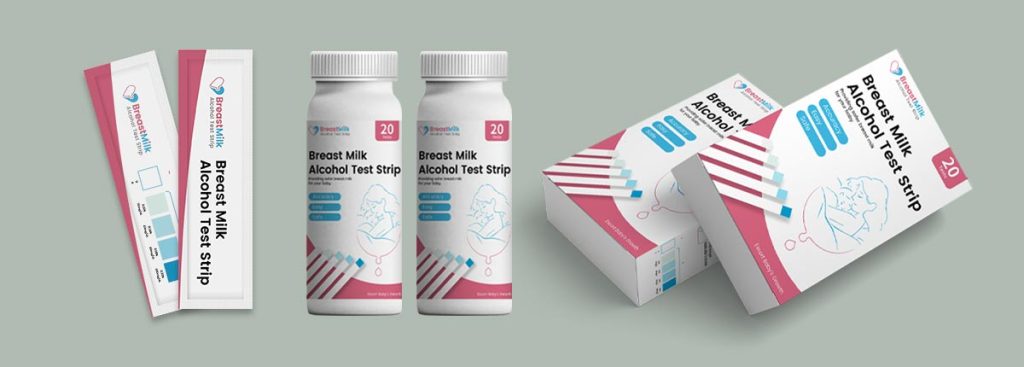
Breast milk alcohol test strips use enzyme-based reactions to deliver fast and reliable results. Parents and caregivers gain peace of mind by confirming milk safety in just two minutes. The following table highlights key benefits:
| Benefit | Description |
|---|---|
| Safety Assurance | Ensures stored milk is free from ethanol contamination after maternal alcohol consumption. |
| Real-time Decision Making | Empowers mothers to make informed choices about feeding. |
| Anxiety Reduction | Reduces stress around social drinking and breastfeeding. |
Caregivers should select certified brands, check expiration dates, and follow instructions for best results.
FAQ
How Accurate Are Breastmilk Alcohol Test Strips?
Breastmilk alcohol test strips show high accuracy when users follow instructions. The assay relies on enzyme activity to detect ethanol. Results reflect alcohol levels in breastmilk, helping caregivers make safe feeding decisions.
Can the Test Strip Detect Other Biomarkers Besides Alcohol?
The test strip focuses on alcohol detection. It does not measure other biomarkers in breastmilk. Researchers use different assay methods for additional biomarkers, such as proteins or hormones.
What Is Point-Of-Care Detection in Breastmilk Testing?
Point-of-care detection means caregivers can test breastmilk at home. The assay uses enzyme activity for quick results. This method does not require laboratory equipment.
How Does the Assay Measure Enzyme Activity?
The assay measures enzyme activity by observing color changes. Some advanced strips use fluorescence-based enzyme activity assay for greater sensitivity. Enzyme activity measurement ensures reliable detection of alcohol in breastmilk.
Is The Assay Safe for Breastmilk and Babies?
The assay uses a small sample of breastmilk. The enzyme activity stays on the strip and does not contaminate the milk. The test supports safe feeding practices and does not harm babies.