


Parents who accidentally fed baby breast milk after consuming alcohol often feel worried. Most cases do not require emergency action. Studies show that low doses of alcohol in breast milk, and health risks from a single dose remain low.
| Study Focus | Findings |
|---|---|
| Alcohol transmission in breast milk | Low doses of alcohol are transmitted (0.5% – 3.3% of maternal dose); health risks from a single dose are low. |
| Motor development impact | Significant lower motor control in infants exposed to alcohol via breast milk; no effect on mental development. |
| Long-term effects | Chronic heavy drinking linked to hormonal imbalances and lower academic success, but unclear if due to breast milk alcohol concentration. |
Breastfeeding can continue safely after waiting the recommended time. Breast milk alcohol test strips provide peace of mind for future feedings.
Key Takeaways
- If you accidentally breastfeed after drinking, stop temporarily and wait before resuming. Follow the recommended waiting times based on the number of drinks consumed.
- Monitor your baby for unusual symptoms like drowsiness or feeding difficulties. Most babies show no effects after a single exposure, but stay alert.
- Consider using breast milk alcohol test strips for reassurance, but remember they are not a substitute for professional advice. Focus on timing and estimating alcohol intake.
- Plan ahead when drinking. Express milk before drinking and wait at least two hours after consuming alcohol before breastfeeding.
- If your baby shows concerning symptoms, contact a pediatrician immediately. Quick action can help protect your baby’s health.
Immediate Actions If You Accidentally Fed Baby
Accidentally fed baby after consuming alcohol can cause anxiety for many parents. Most pediatricians agree that a single instance rarely causes harm to your baby, especially if only a small amount of alcohol was involved. Immediate steps can help reduce any potential risks and provide reassurance.
Stop Breastfeeding Temporarily
When a parent realizes they accidentally fed baby after drinking, they should stop breastfeeding temporarily. Alcohol passes quickly into breast milk, reaching its highest level about 30 to 60 minutes after drinking. The concentration of alcohol in breast milk closely matches the blood alcohol level. To protect the baby, parents should wait before resuming breastfeeding. The following table shows how long to wait based on the number of drinks consumed:
| Number of Drinks | Time to Wait Before Breastfeeding |
|---|---|
| 1 drink | 2-3 hours |
| 2 drinks | 4-5 hours |
| 3 drinks | 6-8 hours or longer |
If a parent feels safe to drive and care for their baby, they can usually resume breastfeeding. Pumping and dumping is not necessary because alcohol leaves the milk as it leaves the bloodstream. Parents should only pump if they need to relieve discomfort or maintain milk supply.
Estimate Alcohol Intake
Estimating the amount of alcohol consumed helps determine how long to wait before breastfeeding again. In the United States, a standard drink contains about 14 grams of pure alcohol. The body usually metabolizes one standard drink in about two hours. The table below shows common drink sizes and their alcohol content:
| Volume (mL) | Alcohol % | Grams of Pure Alcohol |
|---|---|---|
| 355 | 5% | 14 |
| 150 | 12% | 14 |
| 45 | 40% | 14 |
If a parent drank more than one standard drink, they should multiply the waiting time. For example, after two drinks, they should wait at least four to five hours before breastfeeding. This approach helps reduce the amount of alcohol in breast milk and lowers the risk of exposing the baby to alcohol in breast milk.
Observe Your Baby
After a parent accidentally fed baby, they should observe the baby for any unusual symptoms. Most babies show no effects after a single exposure, but monitoring remains important. Signs to watch for include:
- Drowsiness or lethargy
- Decreased milk intake or feeding difficulties
- Irritability or fussiness
- Slow weight gain
- Decreased muscle tone
- Poor coordination or balance
If the baby appears healthy and alert, parents can feel reassured. If the baby shows any signs of distress, such as excessive sleepiness or feeding problems, parents should contact a doctor right away. Health professionals can provide guidance and support if there are concerns about the baby’s well-being.
Use Breast Milk Alcohol Test Strip
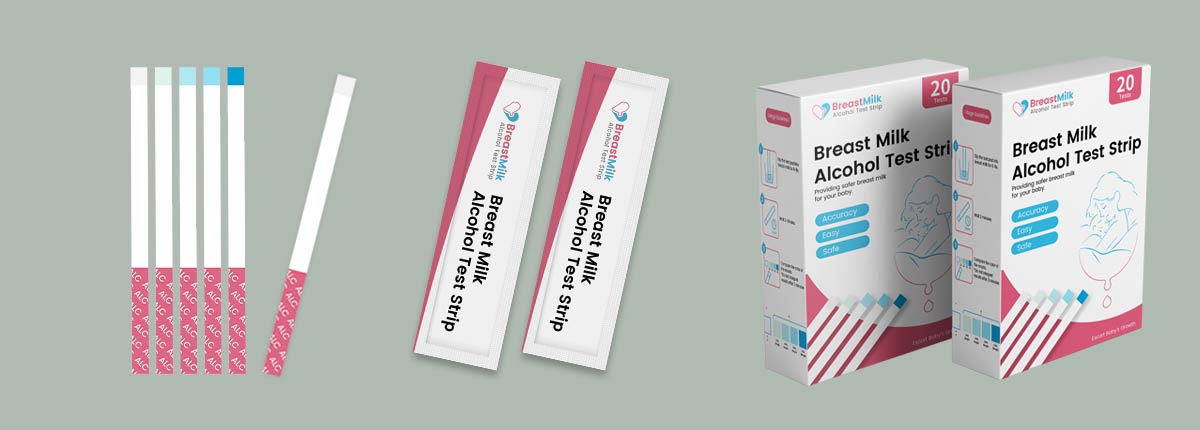
Some parents consider using a breast milk alcohol test strip to check for alcohol in breast milk before feeding. These strips change color when they detect alcohol, offering a quick way to estimate levels. However, health experts question their accuracy. The American Academy of Pediatrics states that these strips are not medical devices and may not provide reliable results. Instead of relying on test strips, parents should focus on timing and estimating their alcohol intake. Careful planning and waiting the recommended time after drinking can help prevent accidental exposure in the future.
Tip: If a parent accidentally fed baby after drinking, they should stay calm, monitor the baby, and follow the recommended waiting times. Most cases do not harm your baby, especially if the exposure was limited.
Monitoring Your Baby After Exposure
Normal Behaviors
After accidental exposure, parents often worry about the short-term effects on the baby. Most babies continue to act normally after a single feeding with alcohol in breast milk. They may show typical behaviors such as alertness, regular feeding patterns, and normal sleep cycles. Babies usually maintain healthy muscle tone and coordination. Parents should expect the baby to respond to stimuli and interact as usual. Breastfeeding can resume once the recommended waiting period has passed and the blood alcohol content has decreased.
Note: Babies rarely experience harm from a single exposure. Parents should focus on observing the baby and maintaining calm.
Symptoms to Watch For
Parents need to watch for symptoms that may indicate short-term effects on the baby. These symptoms include:
- Drowsiness or unusual sleepiness
- Weakness or decreased muscle tone
- Nausea or vomiting
- Dizziness or poor balance
- Feeding difficulties or reduced milk intake
- Irritability or fussiness
The table below summarizes common symptoms and their possible causes:
| Symptom | Possible Cause |
|---|---|
| Drowsiness | Alcohol exposure |
| Weakness | Blood alcohol content |
| Nausea | Alcohol in breast milk |
| Dizziness | Blood alcohol content |
| Poor feeding | Short-term effects on the baby |
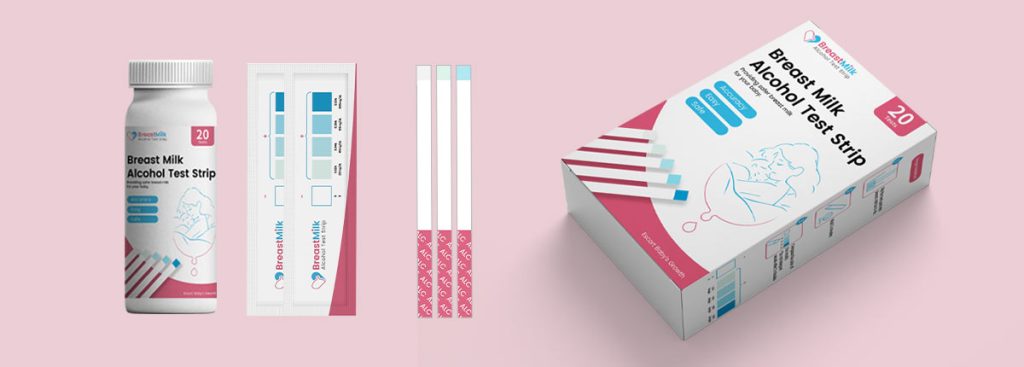
Unhealthy weight gain only becomes a concern with repeated exposure. A single incident rarely affects the baby’s health or growth. Parents should use breast milk alcohol test strip for ongoing monitoring if they feel uncertain. These strips help estimate alcohol levels in milk before feeding. However, parents should remember that test strips do not replace professional advice.
Tip: If the baby shows any unusual symptoms, parents should contact a healthcare provider. Monitoring helps prevent harm your baby and ensures safety.
How Long to Monitor?
Parents should monitor the baby for at least 24 hours after accidental exposure. Most symptoms appear within the first few hours. If the baby remains alert, feeds well, and shows no signs of distress, parents can feel reassured. Ongoing monitoring with breast milk alcohol test strip may provide peace of mind. Parents should check for changes in behavior, feeding, and physical effects. If symptoms persist or worsen, parents should seek medical advice.
Callout: Monitoring protects the baby’s health and helps parents respond quickly to any issues. Parents should avoid repeated exposure and use a pump to maintain milk supply if needed.
When to Seek Medical Help?
Warning Signs
Parents should know when to seek immediate medical attention for their child. Some symptoms may indicate a serious reaction to alcohol exposure. These warning signs include:
- Persistent vomiting or nausea
- Unusual drowsiness or difficulty waking up
- Sudden changes in breathing patterns
- Weakness or limpness in the arms or legs
- Seizures or twitching movements
- Unresponsiveness or lack of interest in surroundings
A doctor should evaluate any of these symptoms right away. These effects may signal that alcohol has started to harm your baby. Quick action can protect the baby’s health and prevent further complications.
Callout: If a parent feels unsure about any symptom, they should not wait. They should call a doctor for advice.
Contacting Your Pediatrician
A pediatrician can help parents decide what steps to take next. Parents should contact a doctor if the baby shows any warning signs or if they feel concerned about the baby’s behavior. The following situations require a call to a doctor:
- The baby vomits more than once or cannot keep food down.
- The baby appears unusually sleepy or hard to wake.
- The baby has trouble breathing or makes strange noises while breathing.
- The baby acts differently or seems confused.
- The baby has a seizure or jerking movements.
A doctor can assess the situation and recommend treatment. If the baby has severe symptoms, parents should call emergency services or go to the nearest hospital. Parents should always talk to your doctor if they have questions about the effects of alcohol on their baby’s health. Early communication with a doctor can prevent serious problems and provide peace of mind.
Tip: Parents should keep their pediatrician’s contact information handy for quick access during emergencies.
Preventing Future Incidents
Plan Ahead When Drinking
Planning ahead can help parents avoid accidental feeding after alcohol use during pregnancy or while breastfeeding. They should express milk before you drink if they anticipate wanting to feed their baby soon after consuming alcohol. Waiting at least two hours after drinking before breastfeeding allows alcohol to clear from the system and reduces the risk of alcohol in breast milk. Eating a solid meal before drinking can also lower the amount of alcohol that enters the milk. Parents should always check how they feel; if they feel neurologically normal, they can safely return to breastfeeding. These steps support giving your baby a healthy start.
Tip: Parents who want extra reassurance can use a breast milk alcohol test strip before feeding. This tool helps estimate if any alcohol remains in the milk.
Use Breast Milk Alcohol Test Strips
Breast milk alcohol test strips offer peace of mind for parents concerned about alcohol exposure. These strips provide a quick way to check for alcohol in breast milk before feeding. While not a substitute for professional advice from a doctor, they can help parents feel more confident about their choices. Using these strips, along with careful timing and planning, can help prevent situations that might harm your baby.
Safe Storage and Pumping
Safe storage and pumping practices protect both milk quality and the best health for you and your baby. Parents should pump and save their milk after drinking instead of discarding it, as this does not speed up alcohol elimination. Storing milk properly ensures it remains safe for later use. Parents should avoid bedsharing with their baby after drinking to reduce the risk of SIDS. If unsure whether alcohol might affect breastfeeding, parents can consult a doctor for guidance. These habits help maintain a steady milk supply and support healthy feeding routines.
Note: Consistent planning and safe practices make it easier to avoid accidental exposure and support the goal of giving your baby a healthy start.
Conclusion
Parents can take several steps if they accidentally feed their baby breast milk containing alcohol:
- Show self-compassion and remember that a small amount rarely causes harm.
- Monitor the baby for any unusual symptoms and seek medical advice if needed.
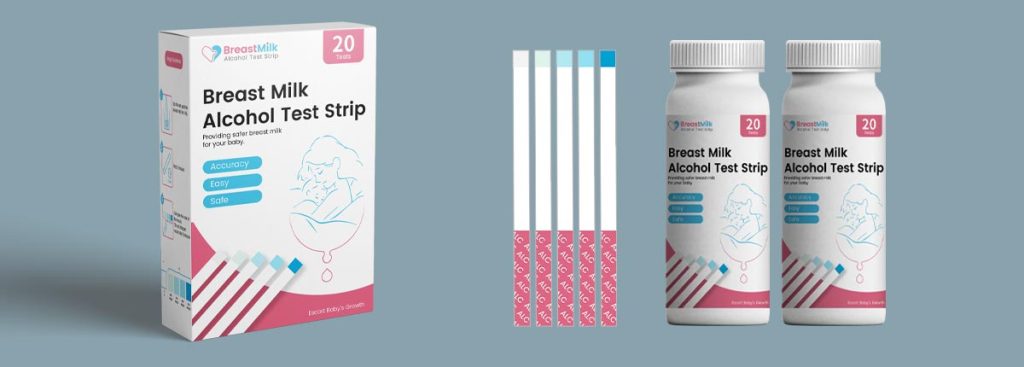
- Use breast milk alcohol test strips for reassurance and informed decisions.
Most situations do not require emergency care, but careful observation remains important. Trusted tools and professional support help parents feel confident about their choices.
FAQ
Can a Mother Breastfeed After Drinking One Glass of Wine?
Most experts say breastfeeding is safe after one glass of wine if the mother waits at least two hours. Alcohol levels in breast milk drop as blood alcohol levels decrease.
Do Breast Milk Alcohol Test Strips Give Accurate Results?
Test strips can show if alcohol is present, but they do not measure exact amounts. Health professionals recommend using timing and intake estimates for safer decisions.
What Should Parents Do If the Baby Shows Unusual Symptoms?
Parents should watch for vomiting, trouble waking, or breathing changes. If any symptoms appear, they should contact a pediatrician right away for advice.
Does Pumping and Dumping Remove Alcohol from Breast Milk?
Pumping and dumping does not speed up alcohol removal. Alcohol leaves breast milk as it leaves the bloodstream. Mothers should only pump to relieve discomfort or maintain supply.
How Long Does Alcohol Stay in Breast Milk?
Alcohol usually stays in breast milk for about two to three hours per standard drink. The exact time depends on the mother’s weight, metabolism, and amount consumed.