


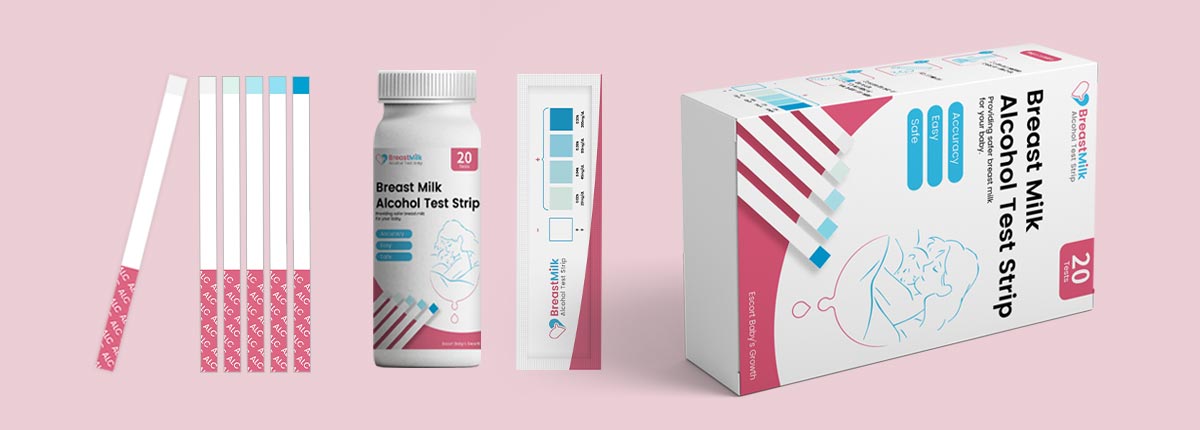
Alcohol influence can affect postpartum depression during breastfeeding. Mothers who engage in postpartum alcohol use may experience impaired maternal functioning and increased depressive symptoms. Regular alcohol use exposes infants to risks, including poor growth and altered development. Breastfeeding appears to protect against problem drinking and may lower postpartum depressive symptoms. The postpartum period brings unique challenges, and postpartum substance use poses additional concerns. Some mothers face anxiety and guilt linked to postpartum alcohol use, which can disrupt breastfeeding and postpartum mood. Professional guidance supports safe practices and helps manage postpartum substance use.
Key Takeaways
- Alcohol use can worsen postpartum depression and affect a mother’s ability to care for her baby.
- Breastfeeding may help reduce the risk of alcohol use and improve maternal mental health.
- Waiting at least two hours after drinking before breastfeeding can help protect the baby from alcohol exposure.
- Using a breast milk alcohol test strip can help mothers check if their milk is safe for feeding after drinking.
- Seeking professional support can improve outcomes for mothers dealing with postpartum depression and alcohol use.
Alcohol Influence on Postpartum Depression
Alcohol and Maternal Mental Health
Alcohol use during the postpartum period can significantly affect maternal mental health. Many mothers experience increased depressive symptoms when engaging in postpartum alcohol use. The relationship between alcohol influence and postpartum depression is complex. Alcohol consumption can reduce attentiveness to children and create a less supportive home environment. This environment may worsen depressive symptoms and increase the risk of postpartum depression.
| Mechanism | Description |
|---|---|
| Alcohol Consumption | Risky drinking by new mothers can lead to decreased attentiveness to their children and a poor home environment. |
| Depressive Symptomatology | Studies identify a relationship between alcohol consumption and depressive symptoms in postpartum women. |
| Brief Interventions | Counseling interventions can reduce alcohol consumption and related health risks. |
The connection between stress and excessive alcohol use is well established. Many mothers turn to alcohol as a coping mechanism for sadness, guilt, or anxiety during the postpartum period. However, using alcohol to self-treat depressive symptoms can be dangerous for both mother and baby. Postpartum alcohol use often increases compared to pre-pregnancy levels, which may raise the risk of postpartum depression. A large study involving over 50,000 women found that maternal alcohol consumption is linked to a higher risk of developing postpartum depression.
Some mothers may not recognize the impact of postpartum substance use on their mental health. Binge alcohol use can intensify depressive symptoms and disrupt the ability to care for an infant. The co-occurrence of alcohol use and depression is often bidirectional, with each condition making the other more severe. Mental health services play a crucial role in supporting mothers who struggle with postpartum substance use and depressive symptoms.
Note: Brief counseling interventions from mental health services can help reduce postpartum alcohol use and improve maternal mental health.
Risk Factors for Postpartum Depression
Several risk factors increase the likelihood of postpartum depression, especially when combined with postpartum alcohol use. Clinical research highlights the following primary risk factors:
| Risk Factor | Strength of Association |
|---|---|
| Depression and anxiety in pregnancy | Strong |
| History of depression | Strong |
| Excessive stress from life events | Strong |
| Poor marital relations | Strong |
| Lack of social support | Strong |
| Low self-esteem | Strong |
| Low socioeconomic status | Weaker |
| Single marital status | Weaker |
| Unwanted pregnancy | Weaker |
Other factors also play a role:
| Category | Risk Factors |
|---|---|
| Biological/Physical | ABO blood group, oxytocin level |
| Psychological | Antenatal depression, body dissatisfaction, child care stress |
| Obstetric/Pediatric | Loss of baby, abortions, pain |
| Socio-demographic | Low social support, poverty, loss of autonomy |
| Cultural | Gender preference |
- Foreign language spoken at home
- History of depression
- Low maternal self-efficacy
- Poor current health of the mother
- No initiation of breastfeeding (associated with lower risk)
- No breastfeeding at 3 weeks postpartum (increased risk)
Socioeconomic factors, such as education and income, influence alcohol consumption patterns among postpartum women. Drinking habits can vary based on socioeconomic status and cultural background, which impacts the relationship with depressive symptoms. Some studies show no significant link between hazardous drinking and postpartum depression, but others highlight the importance of mental health services in addressing these issues.
Alcohol use during pregnancy is associated with a 23% rate of postpartum depression, higher than the general population’s rate of 17%. Women who consume alcohol during pregnancy may have a higher prevalence of postpartum depression, although findings are not always conclusive. The complexity of reporting alcohol use during pregnancy can lead to underestimations, affecting the perceived correlation with postpartum depression.
Binge alcohol use and postpartum substance use can worsen depressive symptoms and increase the need for mental health services. Interventions targeting alcohol use postpartum have shown promise in reducing depressive symptoms. Mothers who consume alcohol while breastfeeding may compromise their child’s development, with negative outcomes observed by age seven.
Mental health services remain essential for mothers facing postpartum depression, postpartum alcohol use, and other forms of postpartum substance use. Early intervention and support can help reduce depressive symptoms and promote healthier outcomes for both mother and child.
Alcohol in Breast Milk and Baby’s Health
How Alcohol Transfers to Breast Milk?
Alcohol passes easily into breast milk during breastfeeding. The concentration of alcohol in breast milk closely matches the mother’s blood alcohol level. Alcohol levels peak in breast milk about 30 to 60 minutes after drinking. Several factors influence how much alcohol enters breast milk:
- Body weight and individual metabolism affect alcohol concentration.
- The amount of alcohol consumed changes the level in breast milk.
- Eating food with alcohol slows absorption and reduces peak levels.
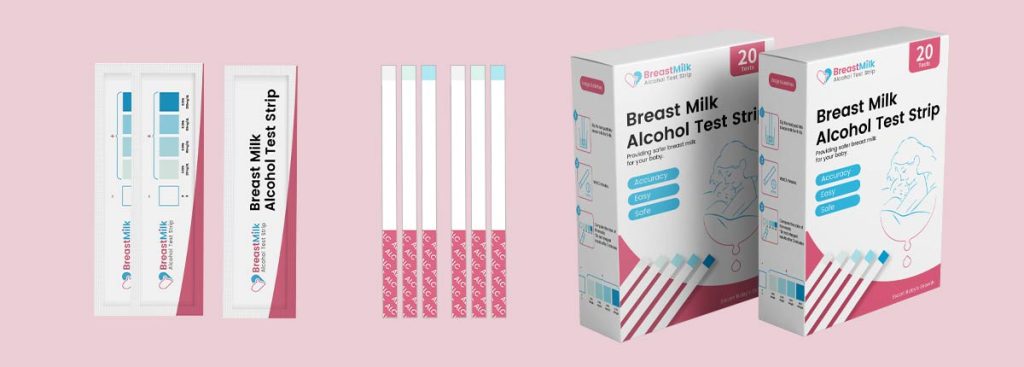
The process of alcohol transfer means that infants exposed during breastfeeding may receive nearly the same concentration as the mother’s blood. Using a breast milk alcohol test strip can help mothers monitor alcohol levels before feeding. This tool provides a practical way to check if breast milk contains alcohol, especially after alcohol use.
| Time Frame | Description |
|---|---|
| 30 to 60 minutes | Alcohol levels peak in breast milk after drinking. |
| 2 to 3 hours | Alcohol can be detected in breast milk. |
| 2 hours | Recommended wait time after a single drink before nursing. |
Effects on Infant Sleep and Development
Alcohol in breast milk affects infant sleep and development. Studies show that infants exposed to alcohol during breastfeeding sleep less and have shorter sleep bouts. For example, infants slept only 56.8 minutes after alcohol exposure compared to 78.2 minutes after regular breast milk. Active sleep time also decreased. Alcohol use during breastfeeding can lead to sleep disturbances, increased crying, and growth retardation. Infants metabolize alcohol much slower than adults, making them more vulnerable. Chronic low-level exposure may cause developmental deficits, reduced body mass, and cognitive issues. Some studies link alcohol use during breastfeeding to lower weight and verbal IQ at age seven. The breast milk alcohol test strip offers a way to reduce risks by checking milk before feeding.
Using Breast Milk Alcohol Test Strip
The breast milk alcohol test strip helps mothers detect alcohol in breast milk. Laboratory studies show these strips work well for trace to moderate alcohol levels. They are less reliable at very high concentrations. Multiple tests over time can track alcohol clearance. Limitations include sensitivity to moisture, temperature, and sample freshness. Timing errors and subjective interpretation may affect results. Strips are single-use and cannot be reused. Mothers should follow instructions carefully and use fresh milk for testing. The breast milk alcohol test strip provides a practical tool for safer breastfeeding and alcohol use.
Tip: Always wait at least two hours after a single drink before breastfeeding and use a breast milk alcohol test strip to ensure milk is safe for the infant.
Safe Practices for Breastfeeding Mothers
Guidelines for Alcohol Consumption
Health organizations provide clear recommendations for postpartum alcohol use during breastfeeding. Mothers should follow these guidelines to protect infant health and reduce depressive symptoms. The safest option remains abstaining from alcohol. Moderate alcohol use, defined as up to one drink per day, is not known to cause harm if mothers wait before breastfeeding. The following table summarizes recommendations:
| Organization | Recommendation |
|---|---|
| CDC | Not drinking alcohol is safest. Moderate use (up to one drink/day) is not harmful. Wait at least 2 hours before nursing. |
| La Leche League USA | Consider non-alcoholic drinks if concerned. |
| General Consensus | No more than one drink per day is likely safe. Abstaining is safest. |
| Research Study | No more than one or two units once or twice a week due to risks to offspring. |
Postpartum care should include education about alcohol use and its effects on depressive symptoms. Mental health services can help mothers understand safe practices and support postpartum care.
Timing and Amount Considerations
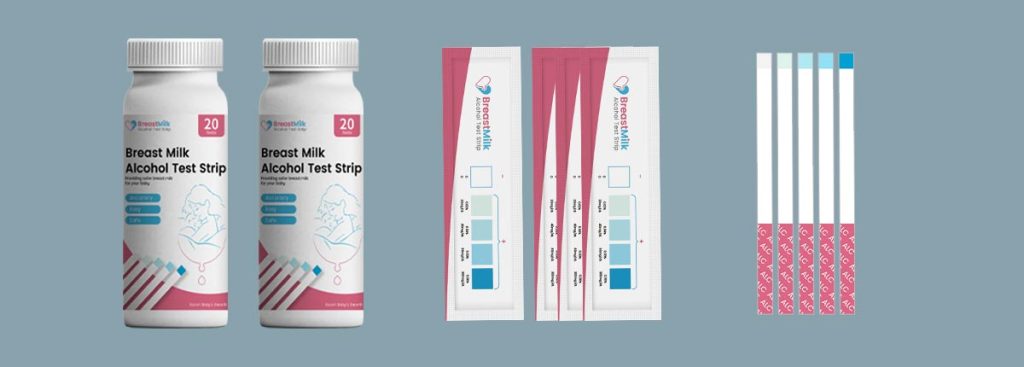
Timing and amount play a crucial role in minimizing risks from postpartum alcohol use. Mothers should limit themselves to one alcoholic beverage or less per day. Waiting at least two hours after drinking before breastfeeding allows alcohol levels to decrease. Longer waiting times are necessary for heavy drinkers or multiple drinks. The breast milk alcohol test strip offers a practical tool for monitoring alcohol in breast milk. Mothers can use this test to check if milk is safe for their infant. Individual differences, such as body weight and number of drinks, affect alcohol clearance time. Avoid breastfeeding during alcohol consumption to prevent exposure. Postpartum substance use can increase depressive symptoms and impact infant development. Mental health services provide guidance for safe postpartum care.
Tip: Use a breast milk alcohol test strip before breastfeeding if alcohol has been consumed. This helps ensure milk safety and supports healthy infant development.
Alternatives for Managing Postpartum Depression
Many alternatives exist for managing postpartum depression without relying on postpartum alcohol use or other substance use. Optimizing rest, improving nutrition, and engaging in gentle physical activity can reduce depressive symptoms. Mindfulness practices and participation in mother-to-mother support groups offer emotional support. Peer counseling programs and community resources help mothers cope with postpartum challenges. Psychotherapeutic interventions, such as individual or group therapy, provide confidential spaces for emotional expression and symptom management. Pharmacological treatments, including selective serotonin reuptake inhibitors, may be considered when psychotherapy alone is insufficient. Education about postpartum depression and early intervention empower mothers. Home visiting programs deliver personalized support and guidance. Exclusive breastfeeding itself offers protective benefits against postpartum depression. Mental health services remain essential for treatment for postpartum women and improving postpartum care.
Note: Mothers experiencing depressive symptoms should seek mental health services for treatment for postpartum women and support. Early intervention improves outcomes for both mother and child.
Conclusion
Alcohol use during the postpartum period can hinder emotional connection with infants and increase the risk of depressive symptoms. Research shows that 14.5% of mothers experience postpartum depression, with alcohol consumption rates varying worldwide. Breastfeeding may protect against risky alcohol use, but alcohol still poses risks for both mother and child. Healthcare professionals play a vital role by offering support, screening for alcohol use and depression, and guiding mothers toward safe practices. Mothers should prioritize self-care, seek professional advice, and remember that support exists for those navigating these challenges.
- Key takeaways:
- Alcohol can impact maternal mood and infant health.
- Breastfeeding may reduce risky alcohol use.
- Professional support improves outcomes.
| Key Findings | Details |
|---|---|
| Prevalence of Alcohol Consumption | 9.8% worldwide, highest in Europe (25.2%) and lowest in Eastern-Mediterranean (0.2%) |
| Risks Associated with Alcohol | Increased risk of adverse pregnancy outcomes and mental health issues, including postpartum depression |
| Inconsistencies in Research | Some studies show no significant association between maternal alcohol consumption and postpartum depression due to various factors |
Support from healthcare providers and loved ones can help mothers balance mental health and safe breastfeeding.
FAQ
Can Alcohol Consumption Increase the Risk of Postpartum Depression?
Alcohol can increase the risk of postpartum depression. Research shows that alcohol affects brain chemistry and mood. Mothers who engage in alcohol or substance use after childbirth may experience more depressive symptoms. Mental health professionals recommend limiting alcohol to support emotional well-being.
How Does Alcohol Enter Breast Milk and Affect the Baby?
Alcohol passes from the mother’s bloodstream into breast milk. The concentration of alcohol in breast milk matches the mother’s blood level. Babies exposed to alcohol through breastfeeding may experience sleep disturbances, developmental delays, and growth issues. Substance use during breastfeeding increases these risks.
Is It Safe to Drink while Breastfeeding If I Wait Before Nursing?
Waiting at least two hours after consuming alcohol before breastfeeding reduces the amount of alcohol in breast milk. However, no amount of alcohol is considered completely safe for infants. Substance use, including alcohol, should be minimized to protect infant health and development.
What Are the Signs of Substance Use Affecting Maternal Mental Health?
Signs of substance use affecting maternal mental health include mood swings, increased anxiety, and difficulty bonding with the baby. Alcohol and other substance use can worsen depressive symptoms. Early intervention and support from healthcare providers help mothers manage these challenges.
Are There Alternatives to Alcohol for Managing Stress or Postpartum Depression?
Many alternatives to alcohol and substance use exist for managing stress or postpartum depression. Support groups, counseling, physical activity, and mindfulness techniques can help. Healthcare professionals recommend these strategies over alcohol or substance use to promote long-term mental health.