


Maternal drinking during pregnancy can cause lasting genetic changes in children. These changes affect health from infancy through adulthood. Many parents worry about how maternal drinking might influence their child’s future. Studies show that moderate to high levels of maternal drinking alter genes responsible for stress response and the body’s biological clock.
The Rutgers-led study found that maternal drinking during pregnancy alters genes in newborns, specifically identifying changes in the POMC and PER2 genes.
Maternal alcohol consumption remains common worldwide:
- Global prevalence: 9.8%
- Ireland: 20% to 80%
- Australia, New Zealand, United Kingdom: 40% to 80%
- United States: 10.2%, with binge drinking at 3.1%
- Africa: 28.33%, Ghana: 34.09%, Ethiopia: 29.19%, Uganda: 19.80%
Informed choices help parents minimize risks and protect their child’s genetic health.
Key Takeaways
- Maternal drinking during pregnancy can lead to lasting genetic changes in children, affecting their health from infancy to adulthood.
- Avoiding alcohol during pregnancy is crucial. No amount of alcohol is proven safe, and risks increase with higher consumption.
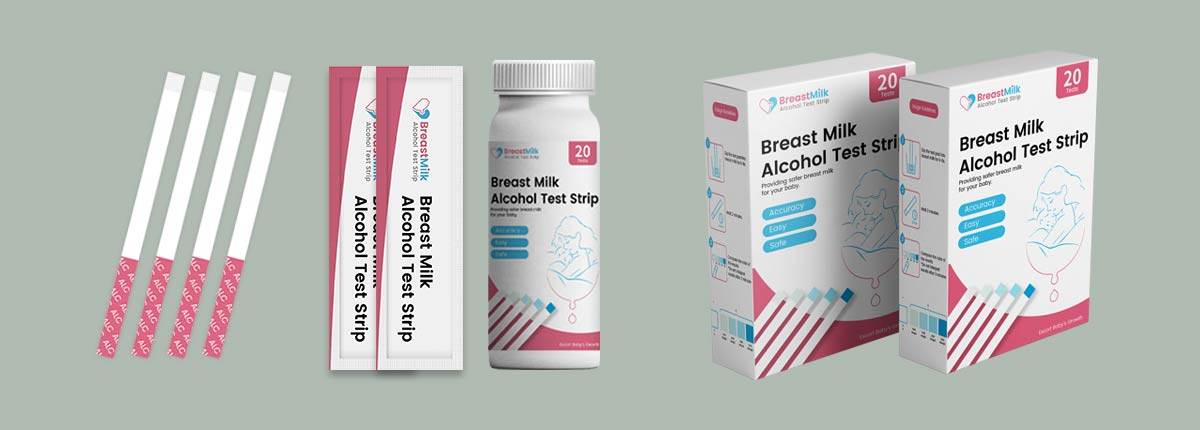
- Breast milk alcohol test strips can help mothers check for alcohol in their milk, empowering them to make informed feeding decisions.
- Understanding the effects of prenatal alcohol exposure can help parents minimize risks and protect their child’s genetic health.
- Support resources, such as counseling and support groups, are available to help pregnant women avoid alcohol and ensure a healthy pregnancy.
Maternal Drinking and Genetic Effects
Alcohol’s Impact on Fetal Genes
Prenatal alcohol exposure can disrupt the normal development of fetal genes. Alcohol exposure during pregnancy affects the fetus at the molecular level, leading to changes in gene expression. Researchers have observed that alcohol exposure alters genes responsible for blood cell development and the formation of blood vessels. These changes impact pathways related to erythropoiesis and angiogenesis. The placenta, which supports the fetus, shows significant alterations in gene expression when exposed to alcohol. Scientists used RNA sequencing to analyze placental samples from women with different levels of alcohol consumption. They found that genes involved in blood cell development respond sensitively to alcohol exposure.
Children exposed to alcohol in utero often experience a range of effects. These effects include hyperactivity, attention problems, learning deficits, and difficulties with memory. Social and emotional development may also suffer. Alcohol exposure disrupts iron homeostasis, growth, and neurodevelopment. The following list summarizes the primary genetic effects observed in children:
- Hyperactivity and attention problems
- Learning and memory deficits
- Problems with social and emotional development
- Altered expression in genes related to erythropoiesis
- Changes in angiogenesis pathways
- Disruptions in iron homeostasis, growth, and neurodevelopment
Alcohol-induced DNA changes can result in altered genes that affect the child’s health for years. The effects of prenatal alcohol exposure extend beyond birth, influencing physical and mental development.
Lasting Changes in Gene Expression
Prenatal alcohol exposure leads to long-lasting genetic change in children. Alcohol exposure during pregnancy can cause persistent alterations in DNA. Researchers identified two genes, POMC and PER2, as being affected by alcohol-induced DNA changes. POMC regulates the stress-response system, while PER2 controls the body’s biological clock. These genes play crucial roles in maintaining health and normal function.
Studies show that alcohol exposure in utero results in lasting changes in gene expression related to stress and circadian rhythms. The effects of these changes can persist throughout life. Children may face challenges with stress management and sleep patterns. The impact of prenatal alcohol exposure on gene regulation highlights the importance of avoiding alcohol during pregnancy.
Note: The effects of alcohol exposure are not limited to immediate health concerns. They can influence gene expression and biological processes for decades.
Alcohol exposure during pregnancy remains a significant risk factor for altered gene expression and developmental issues. Parents can protect their children by understanding the effects of prenatal alcohol exposure and making informed choices.
Prenatal Exposure to Alcohol: Mechanisms
Epigenetics Overview
Epigenetics describes how environmental factors can change gene activity without altering the DNA sequence. Alcohol consumption in pregnancy can trigger these changes. Epigenetic mechanisms influence gene expression throughout life. Environmental exposures, such as prenatal exposure to alcohol, can cause stable changes that persist long after the exposure ends. These changes may even affect future generations. Scientists have observed that alcohol consumption in pregnancy can lead to hypermethylation of specific genes. This process can result in growth retardation and altered skull shape, which are features of fetal alcohol syndrome.
- Epigenetic changes can last for decades.
- Alcohol consumption in pregnancy can affect gene expression in offspring.
- Transgenerational effects may occur through changes in gametogenesis.
Epigenetic mechanisms help explain how alcohol consumption in pregnancy can have lifelong and even cross-generational effects.
DNA Methylation and Alcohol
DNA methylation is a chemical process that adds a methyl group to DNA. This process can turn genes on or off. Alcohol consumption in pregnancy disrupts fetal gene regulation through epigenetic mechanisms, especially DNA methylation. The effects of alcohol on DNA methylation can alter gene expression and contribute to difficulties seen in fetal alcohol spectrum disorders. Prenatal exposure to alcohol leads to specific changes in DNA methylation patterns. These changes affect gene regulation in a tissue-specific manner. Choline supplementation may help reduce some negative impacts of prenatal exposure to alcohol on DNA methylation.
| Evidence Description | Implication |
|---|---|
| Alcohol disrupts fetal gene regulation through epigenetic mechanisms, particularly DNA methylation. | This disruption can alter gene expression and contribute to difficulties experienced by individuals with fetal alcohol spectrum disorders (FASD). |
| Prenatal exposure to alcohol leads to specific changes in DNA methylation patterns affecting gene regulation in a tissue-specific manner. | This suggests that the effects of prenatal exposure to alcohol on DNA methylation are not uniform across different tissues. |
| Choline supplementation may mitigate some adverse effects of prenatal exposure to alcohol on DNA methylation. | Dietary factors can play a role in reducing the negative impacts of prenatal exposure to alcohol. |
How Alcohol Alters Gene Regulation?
Alcohol consumption in pregnancy disrupts several gene regulatory pathways. Dysregulation of growth factor signals, such as TORC1 and insulin-like growth factor, suppresses anabolic processes and affects cell proliferation. Suppression of mitochondrial oxidative processes reduces energy generation and increases oxidative stress. Disruptions in neurotransmitter systems affect synaptic formation and brain organization. Alterations in cytoskeletal and cell adhesion interactions disrupt cell migration and synaptogenesis. In males, growth-related gene regulation is significantly impacted, leading to growth retardation. In females, genes involved in serotonin metabolism are disrupted, which may contribute to brain morphological defects. Fetal alcohol exposure alters signaling pathways linking receptor activation to cytoskeletal reorganization, affecting cell motility. Gene expression changes are influenced by DNA methylation and chromatin remodeling.
- Growth factor signals become dysregulated.
- Mitochondrial processes are suppressed.
- Neurotransmitter systems are disrupted.
- Cytoskeletal interactions are altered.
- DNA methylation and chromatin remodeling influence gene expression.
The effects of alcohol on DNA methylation play a central role in these disruptions, leading to lasting consequences for fetal development.
Evidence from Studies
Animal Research Findings
Animal models provide valuable insight into the genetic impact of maternal drinking. Scientists use these models to study how prenatal alcohol exposure affects development. Rodent studies reveal that alcohol changes DNA methylation patterns, gene expression, and behavior. The following table summarizes key findings from animal research:
| Finding | Description |
|---|---|
| DNA Methylation | Locus-specific responses to alcohol, with some loci showing hypomethylation or hypermethylation. |
| Gene Expression | Chronic ethanol treatment increases NMDA receptor 2B expression in fetal neurons. |
| Behavioral Outcomes | Offspring display stunted growth and craniofacial anomalies, similar to features seen in FASD. |
Researchers also observe:
- Altered social behavior in rats exposed to alcohol during development.
- Difficulties in processing social cues and motivation.
- Impaired cell proliferation and differentiation.
- Disruption of neuronal growth and survival.
- Genetic variation influences susceptibility to teratogenic effects.
Animal research demonstrates that genetic background can affect the severity of alcohol’s impact. Rodent models show phenotypic similarities to human fetal alcohol spectrum disorders, including craniofacial changes and behavioral abnormalities.
Human Outcomes aand Disorders
Human studies confirm that prenatal alcohol exposure leads to a wide range of health problems. Researchers have linked craniofacial dysmorphism and neurodevelopmental issues to fetal alcohol exposure. The timing and amount of alcohol consumed during pregnancy play a critical role in determining outcomes. Genetic and epigenetic factors mediate the effects of alcohol on human development.
Common deficits in humans include:
- Cognitive disabilities, such as problems with learning and memory.
- Behavioral issues, including mood, attention, and impulse control difficulties.
- Neuroimmune function alterations.
- Motor skill and language delays.
- Academic achievement challenges.
- Adaptive behavior issues.
Human genetic studies, especially those involving twins and siblings, help identify susceptibility to fetal alcohol spectrum disorders. No protective factors have been identified, and adverse effects on affect regulation remain consistent across developmental domains.
Genes Linked to Alcohol Exposure
Research identifies several genes that are especially vulnerable to prenatal alcohol exposure. Scientists have found 22 genes with significantly altered expression in alcohol-consuming dams. In addition, 104 genes show massive downregulation, many of which are involved in RNA management and chromatin organization. The SHH and GLI2 genes, which are part of the Hedgehog pathway, are linked to conditions such as holoprosencephaly and cleft palate. Other pathways, including TGF-β, MAPK, and Hedgehog signaling, may also contribute to disease development in humans.
Note: Genetic and epigenetic mechanisms contribute to the wide range of effects seen in children with fetal alcohol spectrum disorders. Variability in alcohol-induced deficits can result from multiple mechanisms activated at different developmental stages.
Effects and Health Risks
Fetal Alcohol Spectrum Disorders
Fetal alcohol spectrum disorders represent a group of conditions that result from heavy drinking during pregnancy. These disorders affect fetal development and can cause lifelong challenges. The prevalence of fetal alcohol spectrum disorders varies widely across regions and populations:
- Globally, about 77.3 per 10,000 people are affected.
- The European Region reports the highest rates, with 198.2 per 10,000.
- The United States estimates 5% of first-grade students have fetal alcohol spectrum disorders.
- In South Africa, rates reach up to 207.5 per 1,000 among first-grade students.
- Children in care and special education populations show much higher rates.
Diagnosis often relies on three main criteria:
- Distinct facial abnormalities
- Growth deficits
- Central nervous system abnormalities
Some children may not show all features but still experience neurodevelopmental impairments in children, requiring confirmation of prenatal alcohol exposure for diagnosis.
Developmental and Behavioral Issues
Groundbreaking research by neuroscientists shows that prenatal alcohol exposure severely disrupts major features of brain development. These disruptions can lead to increased anxiety and poor motor function, which are common in humans with fetal alcohol spectrum disorders.
The effects on neurodevelopment can appear as cognitive and behavioral deficits. Children may struggle with learning, memory, attention, and social interaction. The table below highlights how these issues manifest throughout childhood and adolescence:
| Aspect | Description |
|---|---|
| Neurodevelopment | Prenatal alcohol exposure affects brain development. |
| Behavioral Manifestations | Children face challenges in behavior and social skills. |
| Cognitive and Behavioral Deficits | Significant deficits in cognitive, behavioral, and social domains. |
| Comparison with ADHD | FASD shows higher rates of social problems and less response to medication. |
Lifelong Consequences
The long-term effects of fetal alcohol spectrum disorder extend into adulthood. Individuals face increased risks from prenatal alcohol exposure, including:
- Hypothalamic–pituitary–adrenal axis dysfunction
- Higher rates of carcinogenesis
- Cardiovascular disease
- Immune system dysfunction
- Altered pubertal timing
Prenatal alcohol exposure can lead to adverse postnatal outcomes, such as frequent infections and immune-related health problems. These lifelong consequences impact quality of life and health outcomes, making prevention and early intervention essential for children exposed to alcohol during fetal development.
Prevention and Practical Tools
Using Breast Milk Alcohol Test Strip
Alcohol breast milk test strips offer a practical way for mothers to check for alcohol in their milk before feeding their babies. These strips help parents make informed decisions and reduce anxiety about accidental exposure. The process is non-invasive and requires only a small drop of milk. The following table summarizes the main benefits:
| Evidence Type | Description |
|---|---|
| Detection Capability | Test strips effectively detect alcohol levels in breast milk, aiding informed breastfeeding decisions. |
| Non-Invasive Process | The testing is non-invasive, using only a small drop of milk that does not contaminate the supply. |
| Psychological Benefit | Reduces anxiety for mothers regarding alcohol exposure, empowering them to make confident choices. |
When using a breast milk alcohol test strip, parents should follow these guidelines:
- Purchase test strips from trusted brands with verifiable certifications.
- Always check the expiration date and packaging integrity before use.
- Follow the manufacturer’s instructions precisely for sample collection and interpretation.
- Store strips and readers in a dry, temperature-controlled environment.
- Replace digital reader batteries as needed to ensure consistent performance.
- When in doubt about a result, retest or consult a healthcare professional.
Avoiding Alcohol During Pregnancy
Pregnant women can use several strategies to avoid alcohol and protect their child’s health. Harm reduction approaches help set realistic goals and focus on empowerment. Specialized counseling supports women with dependency issues. Brief behavioral counseling interventions can lower the risk of alcohol-exposed pregnancies. Exposure to warning messages and professional counseling increases knowledge and motivation to abstain. Mutual-help groups and treatment programs provide additional support.
Common barriers include social pressure, life stressors, cravings, and habits. The table below highlights these challenges:
| Barrier Type | Description |
|---|---|
| Social Pressure | Influence from peers and family to drink |
| Life Stressors | Personal challenges that increase alcohol use |
| Cravings and Habits | Established patterns of drinking behavior |
| Stress | Emotional strain affecting decision-making |
| Lack of Knowledge | Insufficient information on reducing alcohol use |
| Pressure from Others | External expectations influencing drinking habits |
Support and Resources
Many organizations offer support for pregnant women seeking to avoid alcohol. The table below lists key resources:
| Resource Name | Description |
|---|---|
| FASD United | Offers support for pregnant women and their families, including treatment facilities and navigational services. |
| Recovering Mothers Anonymous (RMA) | A weekly support group for women who have used substances during pregnancy, providing a safe space for sharing experiences. |
| FASD United’s Family Navigators | Provides free assistance and answers to questions regarding alcohol use during pregnancy. |
Other helpful resources include Alcoholics Anonymous, Narcotics Anonymous, and Alanon. Family Navigators can connect individuals to additional services. Community and healthcare interventions, such as behavioral counseling and motivational interviewing, also play a key role in reducing prenatal alcohol exposure.
Tip: Seeking support early increases the chances of a healthy pregnancy and reduces lifelong risks for the child.
Conclusion
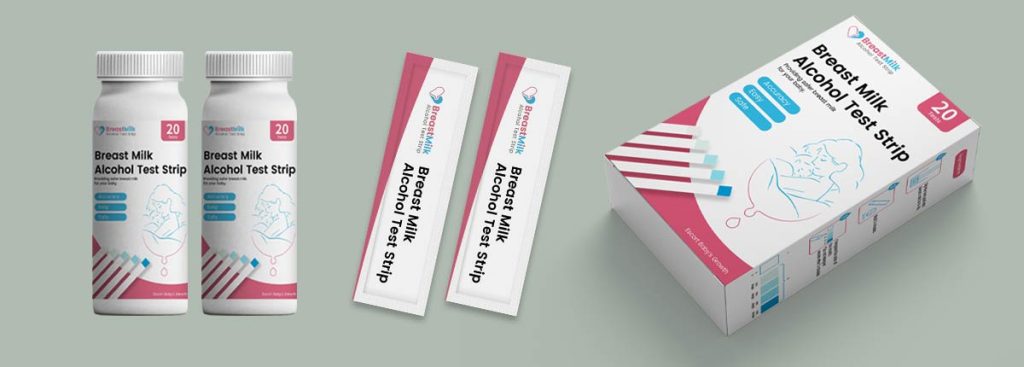
Maternal drinking during pregnancy can cause lifelong genetic changes in children. Understanding how alcohol affects fetal genes and health helps parents make informed choices. Recent guidelines recommend complete abstinence, though scientific reviews show no consistent evidence that low-to-moderate drinking causes fetal alcohol syndrome. Parents can use breast milk alcohol test strips and seek support resources to minimize risks.
The U.S. Surgeon General advises that no amount of alcohol is proven safe during pregnancy, and risk increases with higher consumption.
| Evidence Summary | Description |
|---|---|
| No FAS from Moderate Drinking | Babies born to women who drink occasionally or moderately do not develop FAS. |
| Risks of Binge Drinking | Binge drinking poses greater risk due to high blood alcohol concentration. |
| Comprehensive Review Findings | No consistent evidence of harm from low-to-moderate prenatal alcohol use. |
Parents and caregivers can feel reassured. Occasional or moderate drinking does not lead to fetal alcohol syndrome, but staying informed and cautious protects children’s lifelong health.
FAQ
What Are the Main Risks of Drinking Alcohol During Pregnancy?
Alcohol use during pregnancy increases the risk of fetal alcohol spectrum disorders. Children may experience learning difficulties, behavioral problems, and physical abnormalities. Health experts recommend complete abstinence to prevent these risks.
Can Occasional Drinking Cause Genetic Changes in the Baby?
Even small amounts of alcohol can alter gene expression in the developing fetus. Researchers have not identified a safe level of alcohol during pregnancy. The safest choice is to avoid alcohol entirely.
How Does Alcohol Affect the Baby’s Genes?
Alcohol disrupts normal gene regulation through epigenetic changes. These changes can affect stress response, growth, and brain development. Effects may last throughout the child’s life.
Are There Tools to Help Mothers Avoid Alcohol Exposure?
Breast milk alcohol test strips help mothers check for alcohol before breastfeeding. Support groups and counseling services also provide guidance and encouragement.
Where Can Parents Find Support and Information?
Parents can contact FASD United, Recovering Mothers Anonymous, or local healthcare providers. These organizations offer resources, support groups, and expert advice.