


Imagine someone attends a late-night event, skips sleep and then drinks alcohol. He wonders if missing sleep affects how his body handles alcohol. Recent studies show that sleep deprivation does not slow alcohol metabolism. Researchers found that individuals with sleep disturbances often drink more, and alcohol before sleep leads to severe daytime sleepiness. The table below highlights these findings:
| Evidence Type | Description |
|---|---|
| Relationship | Individuals with sleep disturbances, such as insomnia, are more likely to consume alcohol. |
| Risk Factor | Alcohol intake prior to sleep increases the risk of severe daytime sleepiness (OR 2.1; 95% CI 1.4–3.0). |
| Performance Impact | Sleep deprivation combined with alcohol can impair performance and increase accident risk. |
Understanding this relationship helps people make safer choices for health and daily activities.
Key Takeaways
- Sleep deprivation does not slow down how quickly the body breaks down alcohol. The liver processes alcohol at a steady rate, regardless of sleep.
- Combining lack of sleep with alcohol can increase feelings of intoxication and impair performance. This can lead to slower reactions and poor judgment.
- Drinking alcohol before bed disrupts sleep quality, especially REM sleep, which is important for memory and emotional health.
- To minimize the negative effects of alcohol on sleep, avoid drinking close to bedtime and practice moderation. Aim for no more than one drink per day for women and two for men.
- If sleep issues or alcohol use become concerning, seek professional help. Early intervention can improve sleep quality and overall health.
Alcohol Metabolism Basics
How the Body Processes Alcohol?
The human body treats alcohol as a substance that needs removal. When a person drinks, alcohol enters the bloodstream through the stomach and small intestine. The liver acts as the main organ for breaking down alcohol. Enzymes in the liver, such as alcohol dehydrogenase, change alcohol into acetaldehyde. This compound is toxic, so the body quickly converts it into acetate, which is less harmful. The body then eliminates acetate through water and carbon dioxide.
The speed of this process stays mostly the same for each person. The liver can only handle a certain amount of alcohol per hour. Drinking more than the liver can process leads to higher blood alcohol concentration, which causes intoxication.
Note: The body cannot speed up alcohol removal by drinking coffee, taking cold showers, or exercising. Only time allows the liver to finish its work.
Factors Affecting Alcohol Breakdown
Many factors can change how fast the body breaks down alcohol. These include genetics, age, sex, body weight, and food intake. Some people have genetic differences that affect enzyme activity, which can make alcohol breakdown faster or slower.
Lifestyle and daily rhythms also play a role. Circadian factors, which relate to the body’s internal clock, likely influence how the body handles alcohol. People may notice higher blood alcohol concentrations if they drink in the morning, when their alertness is low. This means the time of day can change how alcohol affects the body.
- Genetics
- Age and sex
- Body weight
- Food in the stomach
- Circadian rhythms and time of day
Understanding these factors helps people make safer choices about drinking. The science of alcohol metabolism shows that each person may react differently to the same amount of alcohol.
Sleep Deprivation and Body Function
Effects on Metabolism
Sleep deprivation changes how the body manages energy and nutrients. When someone lacks sleep, the body may struggle to regulate blood sugar and hormones. This can lead to slower reactions and reduced alertness. People with sleep disorders often experience shifts in metabolism that make daily tasks harder. The body may use energy less efficiently, which can cause fatigue and poor concentration.
Despite these changes, sleep deprivation does not slow alcohol breakdown. The liver continues to process alcohol at its usual rate. The effects of alcohol remain consistent, even when someone feels tired or unrested. Many believe that missing sleep makes alcohol stay in the system longer, but scientific studies show this is not true.
Note: Sleep deprivation affects metabolism and organ function, but it does not change how quickly the liver removes alcohol.
Impact on Enzymes and Liver
The liver uses enzymes to break down alcohol. Sleep disorders can influence overall liver health, but they do not reduce the activity of alcohol-processing enzymes. The effects of alcohol depend on how much someone drinks and their genetic makeup, not on how much sleep they get.
Alcohol can disrupt sleep quality and duration. Clinical research shows that drinking before bed increases stage 1 sleep and reduces REM sleep. This leads to poor rest and impaired alertness the next day. Even small reductions in sleep time from alcohol can cause performance deficits. Pilots in studies showed worse performance after drinking, even when their blood alcohol levels returned to zero. Tolerance to alcohol’s sedative effects develops quickly, making sleep problems worse over time.
People with sleep disorders may find that alcohol compounds their sleep issues. The combination of sleep deprivation and alcohol can make daytime fatigue and performance problems more severe.
| Sleep Issue | Alcohol Effect | Result |
|---|---|---|
| Sleep deprivation | No change in alcohol breakdown | Same alcohol removal rate |
| Sleep disorders | Disrupted sleep quality | Increased fatigue and impairment |
Does Sleep Deprivation Slow Alcohol Metabolism?
Scientific Evidence
Current research shows that sleep deprivation does not slow alcohol metabolism or increase blood alcohol concentration. Scientists have not found direct experimental studies that prove a slower breakdown of alcohol after a sleepless night. Instead, most studies focus on how the body’s internal clock, or circadian rhythm, affects the way alcohol is processed.
- Researchers observed that blood alcohol concentration can change depending on the time of day. People may have higher levels in the morning, when alertness is low.
- Animal studies found that alcohol elimination rates are slower during the early active phase of the day, which matches the body’s natural rhythms.
- Studies by Van Reen and colleagues showed that circadian phase, not sleep loss, influences how the body handles alcohol during the descending limb of the blood alcohol curve.
- Scientists noted that sleep deprivation can make people feel more intoxicated and worsen the effects of alcohol, even if the body removes alcohol at the usual rate.
These findings suggest that the body’s clock, rather than lack of sleep, plays a bigger role in how alcohol is processed. Sleep loss does not directly change the speed of alcohol breakdown, but it can make the effects of alcohol more intense.
Blood Alcohol Concentration and Sleep
Sleep deprivation does not cause the body to hold onto alcohol longer, but it does change how alcohol affects the brain and body. People who drink when tired often feel stronger effects of alcohol, such as drowsiness and poor coordination. This happens even if their blood alcohol concentration is not higher than usual.
- Studies show that people who miss sleep and then drink may experience higher blood alcohol levels, especially if they drink during times of low alertness, like early morning.
- Sleep loss and alcohol together can lead to greater impairment, including slower reaction times and increased risk of accidents.
- The combination also raises the chance of feeling more intoxicated, even at lower blood alcohol levels.
The table below highlights key findings from peer-reviewed research on the interaction between sleep and alcohol:
| Key Findings | Description |
|---|---|
| Age Differences | Older adults show less next-day tiredness from alcohol than younger adults. |
| Mediation by Sleep | In younger adults, alcohol use leads to shorter sleep, which increases tiredness. |
| Generalization | This mediation process does not apply to older adults. |
Alcohol acts as a sedative and changes sleep patterns, especially when consumed before bedtime. It can help people fall asleep faster, but it disrupts sleep quality later in the night. Chronic use leads to ongoing sleep problems, which may increase the risk of alcohol dependence.
Note: The effects of alcohol and sleep deprivation together can worsen daytime sleepiness and impairment, even though the body continues to process alcohol at the same rate.
Real-Life Implications
Risks of Drinking While Sleep Deprived
Sleep deprivation increases the risks associated with alcohol intoxication. Individuals who combine lack of sleep with drinking experience greater impairment. The effects of alcohol become more pronounced, leading to poor judgment and slower reaction times. People with sleep disorders often report higher levels of fatigue after drinking. Chronic use of alcohol disrupts REM sleep, which is essential for memory and emotional health. Over time, this cycle can lead to serious health issues.
- Alcohol consumption disrupts REM sleep, affecting cognitive function and emotional regulation.
- Chronic drinking creates a cycle of poor sleep quality and increased alcohol use, resulting in sleep disorders.
- Fatigue becomes more severe, making daily tasks harder.
- Impaired Memory Consolidation: Chronic REM sleep deprivation hinders the ability to form and retain new memories.
- Emotional Dysregulation: Lack of REM sleep leads to mood swings and increased anxiety.
- Increased Risk of Neurodegenerative Diseases: Chronic REM sleep deprivation may link to diseases like Alzheimer’s.
Regularly exceeding recommended alcohol limits causes ongoing sleep disruptions. Tolerance develops, requiring more alcohol for the same effects. This pattern worsens sleep disorders and increases fatigue.
Driving and Work Performance
Combining sleep deprivation and alcohol metabolism affects safety at work and on the road. Drivers and workers who lack sleep and consume alcohol face higher accident risks. The effects of alcohol impair coordination and attention. Fatigue further reduces alertness, making errors more likely. Studies show that even low levels of alcohol intoxication, when paired with sleep loss, can lead to dangerous situations.
Safety Tip: Avoid driving or operating machinery after drinking, especially if sleep deprived. The combination increases the risk of accidents and poor performance.
Breastfeeding and Alcohol (Breast Milk Alcohol Test Strip)
Breastfeeding individuals must consider the effects of alcohol in breast milk. Alcohol metabolism remains steady, but sleep deprivation can worsen fatigue and impact decision-making. Experts recommend several strategies:
- Consume alcohol at least three hours before bedtime to allow the body to metabolize it.
- Practice moderation to minimize the impact on sleep.
- Maintain a healthy sleep schedule for recovery after late-night drinking.
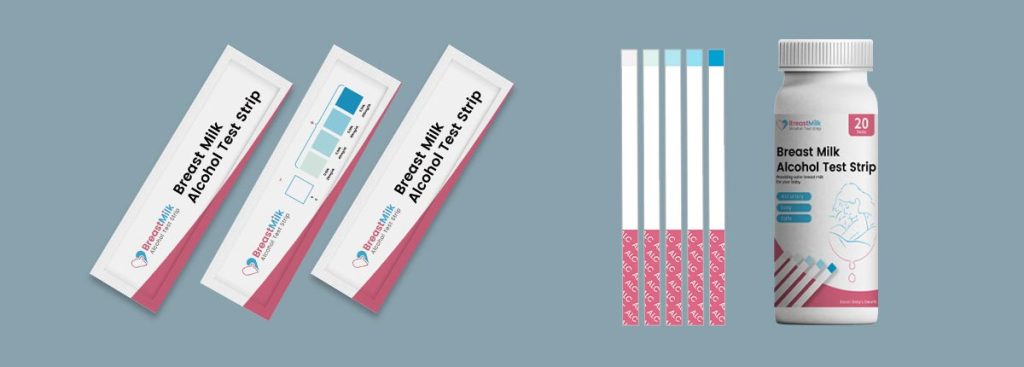
Breast milk alcohol test strips help detect alcohol in breast milk. These strips offer guidance for safe feeding practices. The table below shows their accuracy:
| Accuracy Level | Description |
|---|---|
| Trace to Moderate Levels | Generally accurate for detecting these levels. |
| Very High Alcohol Concentrations | Less reliable in detecting these levels. |
| Recommendation | Use multiple tests over time to track clearance. |
Individuals should use test strips to monitor alcohol in breast milk, especially after drinking and sleep deprivation. Multiple tests provide a clearer picture of alcohol clearance. Practicing moderation and maintaining good sleep habits protect both mother and child from the effects of alcohol and sleep disorders.
Tips for Safe Alcohol Use
Managing Sleep and Drinking
People can protect their health by making smart choices about sleep and alcohol. Experts recommend several strategies to reduce risks and improve well-being:
- Practice self-awareness about drinking habits.
- Set clear goals for alcohol use.
- Find alternatives to alcohol, such as herbal tea or water, during social events.
- Change evening routines to avoid triggers for drinking.
- Manage stress through exercise, hobbies or talking with friends.
- Create a supportive environment by sharing goals with family or roommates.
- Improve sleep environments by keeping bedrooms dark and quiet.
- Establish consistent bedtime routines.
- Show patience with oneself when making changes.
To minimize the impact of alcohol on sleep, individuals should avoid drinking close to bedtime. Drinking in moderation helps prevent negative effects. The Dietary Guidelines for Americans suggest no more than one drink per day for women and two for men. Consuming alcohol at least three hours before sleep allows the body to process it more effectively.
Public health organizations, including the World Health Organization, provide guidelines that help people understand the risks of hazardous drinking. These guidelines link risky drinking to poor sleep quality and increased chances of developing sleep disorders. Following these recommendations can lower the risk of alcohol intoxication and related problems.
When to Seek Help?
Some situations require professional support. People should seek medical help if they notice any of the following:
- Signs of severe depression or thoughts of self-harm.
- Hallucinations or severe confusion.
- Dangerous behaviors caused by sleep deprivation.
- Inability to sleep for several consecutive days.
Sleep disorders often need medical attention, especially when they lead to ongoing fatigue or affect daily life. Doctors can offer treatments and resources for both sleep and alcohol-related concerns. Early intervention improves outcomes and supports long-term health.
Tip: Reaching out for help shows strength and can lead to better sleep, less fatigue, and a healthier relationship with alcohol.
Conclusion
Recent research confirms that sleep deprivation does not slow alcohol metabolism, but the combination increases impairment and fatigue. The table below highlights key findings:
| Evidence | Description |
|---|---|
| Sleep Debt Accumulation | More sleep debt leads to longer recovery sleep. |
| Alcohol and Sleep Timing | Earlier drinking links to longer sleep duration. |
| Effects on Sleep | Alcohol increases slow-wave sleep but reduces REM sleep. |
People with sleep disorders should limit alcohol, as it disrupts deep sleep and worsens next-day alertness. Practical steps include moderating intake, prioritizing rest, and using breast milk alcohol test strips for safe breastfeeding. Everyone should consider health and safety, especially when driving or managing sleep disorders.
FAQ
Does Sleep Deprivation Make Alcohol Stay in the Body Longer?
Sleep deprivation does not slow alcohol metabolism. The liver processes alcohol at the same rate, even when someone feels tired. Scientific studies confirm this fact.
Why Do People Feel More Drunk When Tired?
Fatigue increases the effects of alcohol on the brain. People experience stronger drowsiness, slower reactions, and poor coordination. The combination raises accident risks.
Can Drinking Alcohol Help with Falling Asleep?
Alcohol may help people fall asleep faster. However, it disrupts sleep quality and reduces REM sleep. Over time, this leads to poor rest and increased fatigue.
Are Breast Milk Alcohol Test Strips Reliable?
Test strips detect alcohol in breast milk at trace to moderate levels. They provide guidance for safe feeding. For best results, use multiple tests over time.