


Alcohol does not stay trapped or stored in breast milk. Instead, alcohol enters and leaves breast milk in the same way it moves through the bloodstream. When a person drinks alcohol, levels in breast milk rise and fall, matching their blood alcohol level. After drinking, alcohol peaks in breast milk within about 30 to 60 minutes, then decreases as the body processes it. Breastfeeding parents should know that alcohol exposure for infants depends on timing and amount, not storage in breast milk.
Key Takeaways
- Alcohol does not stay trapped in breast milk; it enters and leaves based on blood alcohol levels.
- Wait at least two hours after consuming one standard drink before breastfeeding to minimize alcohol exposure for the baby.
- Pumping and dumping breast milk does not remove alcohol; only time can lower alcohol levels in milk.
- Plan ahead by feeding the baby before drinking and consider using breast milk alcohol test strips for reassurance.
- Factors like the amount of alcohol consumed and the baby’s age affect how long alcohol stays in breast milk.
Alcohol in Breast Milk
How Alcohol Enters and Leaves?
Alcohol moves between the bloodstream and breast milk through a process called diffusion. When a person drinks alcohol, it enters the blood and then passes into the milk-producing cells in the breast. The amount of alcohol in breast milk rises and falls in direct relation to blood alcohol concentration. This means that as blood alcohol concentration increases, so does the alcohol in breast milk. As the body processes and eliminates alcohol, the levels in both blood and milk decrease.
Drugs enter milk primarily by diffusion, passing from the maternal plasma through capillary walls into the alveolar cell lining the milk buds. They must generally pass through both walls of the alveolar cells to penetrate milk. During the first 4 to 10 days of life, large gaps between alveolar cells exist, permitting enhanced access for substances like alcohol to the milk.
The body does not trap or store alcohol in breast milk. Instead, alcohol moves freely in and out, depending on the current blood alcohol concentration. This process ensures that alcohol levels in breast milk always reflect what is happening in the bloodstream.
Blood Alcohol and Milk Levels
Alcohol in breast milk peak about 30 to 60 minutes after drinking. This timing can vary based on whether the person has eaten food, the type of beverage, and individual metabolism. As the body breaks down alcohol, the concentration in both blood and milk drops. The rate of elimination depends on several factors, but a general guideline helps parents plan for safer breastfeeding and alcohol use.
- It typically takes 2 hours for every standard drink for alcohol to be eliminated from breast milk.
For example, if a person consumes one standard drink, they can expect most of the alcohol to clear from their milk in about two hours. If they have two drinks, it may take around four hours. This timing helps guide decisions about when to breastfeed after drinking.
The relationship between blood alcohol concentration and alcohol levels in breast milk is direct. When blood alcohol concentration falls, so does the alcohol in breast milk. This connection means that waiting for blood alcohol concentration to decrease is the most reliable way to reduce alcohol exposure during breastfeeding. Understanding this process helps parents make informed choices about breastfeeding and alcohol.
Breastfeeding and Alcohol Timing
How Long Alcohol Stays?
The timing of breastfeeding after alcohol consumption plays a crucial role in minimizing exposure for the baby. Alcohol does not linger in breast milk once it leaves the bloodstream. The time to zero for alcohol in breast milk depends on the amount of alcohol consumed and the individual’s metabolism. Experts recommend waiting at least two hours for each standard drink before breastfeeding again. This guideline helps reduce the risk for the baby and ensures safer feeding.
- Wait at least two hours after a single drink before nursing.
- For maximum safety, allow two to three hours per drink before breastfeeding.
- Alcohol from one drink can be detected in breast milk for about two to three hours.
The time to zero for alcohol in breast milk increases with higher alcohol consumption. The following table shows how the amount of alcohol affects the duration alcohol remains detectable:
| Number of Drinks | Duration Detectable in Breast Milk |
|---|---|
| 1 | 2-3 hours |
| 2 | 4-5 hours |
| 3 | 6-8 hours |
Factors Affecting Alcohol Levels
Several factors influence how long alcohol stays in breast milk after consumption. The amount of alcohol consumed directly impacts the time to zero. Maternal body weight also plays a significant role. Heavier individuals metabolize alcohol more quickly, which shortens the time to zero for alcohol in breast milk. The type of beverage and the rate of consumption affect how fast alcohol appears and disappears from breast milk.
The age of the baby is another important consideration. Newborns and infants up to three months metabolize alcohol at half the rate of adults, which increases their risk. Older infants process alcohol more efficiently, but not as quickly as adults. The following table summarizes the risk levels based on the baby’s age:
| Infant Age | Alcohol Metabolism Rate | Risk Level |
|---|---|---|
| Newborn | Metabolizes alcohol at half the rate of adults | Higher risk due to immature liver |
| Up to 3 months | Metabolizes alcohol at half the rate of adults | Higher risk compared to older infants |
| Older infants | Metabolizes alcohol more quickly, but not as well as adults | Lower risk than younger infants |
Alcohol consumption affects breast milk in a predictable way. The amount of alcohol consumed, the time to zero, and the baby’s age all contribute to the overall risk. Parents should consider these factors when planning breastfeeding after alcohol consumption.
Pumping and Dumping Myths
Why It’s Usually Unnecessary?
Many people believe that pumping and dumping breast milk after drinking alcohol will remove alcohol from the milk and make breastfeeding safer. This idea is a common myth. Pumping and discarding milk does not speed up the removal of alcohol from the body or from breast milk. The level of alcohol in breast milk matches the level in the bloodstream. As the body metabolizes alcohol and blood alcohol concentration drops, the alcohol level in breast milk also decreases. Only time can lower the amount of alcohol present.
The Centers for Disease Control and Prevention (CDC) states that pumping and dumping does not reduce alcohol in breast milk faster. Alcohol leaves breast milk only as it leaves the bloodstream.
Breast milk acts as part of the body’s fluid system. The alcohol content in milk reflects the alcohol content in the blood. Removing milk from the breasts does not remove alcohol from the body. The belief that pumping and dumping works likely comes from the idea that milk is like a container that can be emptied, but this is not how alcohol and breastfeeding interact.
When Pumping Might Help?
Pumping and dumping may still have a role in some situations, but not for removing alcohol. Some reasons include:
| Situation | Explanation |
|---|---|
| Medication Safety | Certain medications are unsafe for breastfeeding. |
| Imaging Tests | Some imaging tests with radioactive tracers may make milk unsafe. |
| Severe Illnesses | Conditions like bloodstream infections may require temporary discarding. |
| Psychological Reasons | Pumping and discarding can provide peace of mind and reduce anxiety. |
Pumping and dumping can also help relieve breast fullness or maintain milk supply if a parent needs to skip a feeding. In these cases, the practice supports comfort and ongoing breastfeeding success, not alcohol removal.
Practical Tips for Breastfeeding After Alcohol
Planning Feeds and Timing
Nursing parents can reduce risks by planning ahead. Feeding the baby right before drinking ensures the freshest milk. Waiting at least two to three hours after consuming alcohol before nursing again helps lower the baby’s exposure. Many experts recommend expressing and storing breast milk in advance if planning to drink. This approach provides a safe supply for the baby while alcohol clears from the system. Eating a meal with alcohol slows its absorption, which can further reduce risks. Parents should also remember that alcohol can affect milk let-down, making nursing more difficult.
Tip: If planning to drink more than a moderate amount, arrange for a responsible caregiver to feed the baby.
Using a Breast Milk Alcohol Test Strip
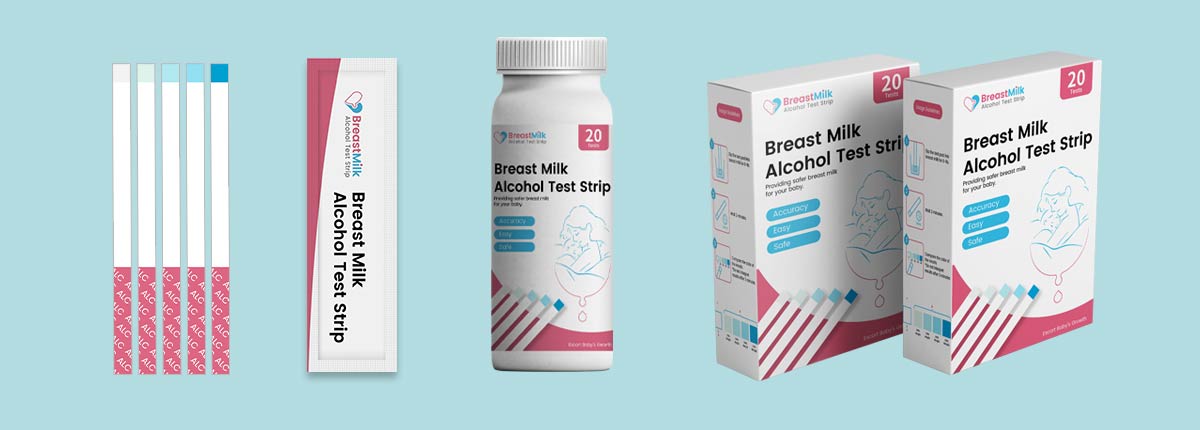
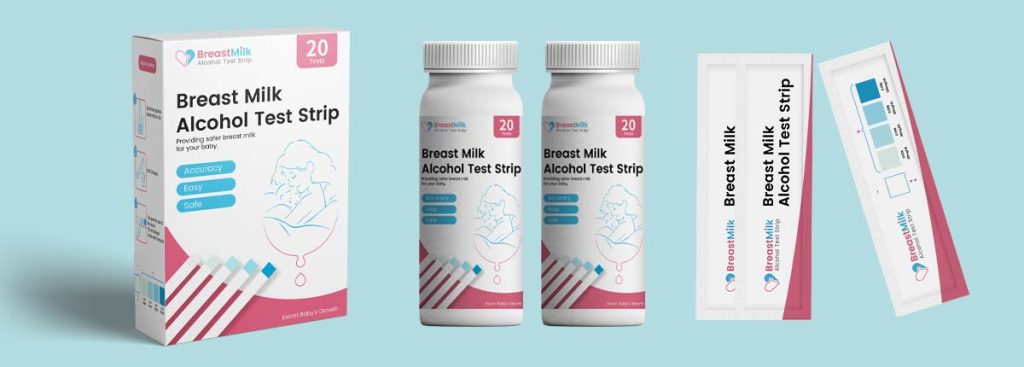
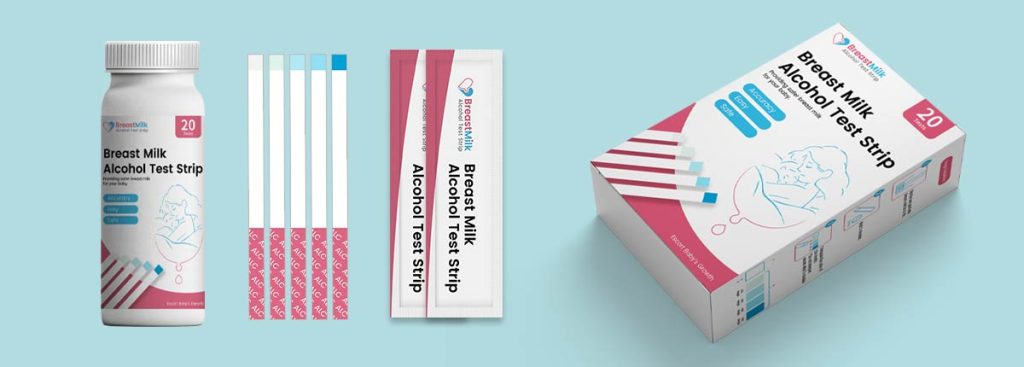
Some parents want extra reassurance before nursing. A breast milk alcohol test strip can help determine if alcohol remains in the milk. These strips provide a quick way to check for alcohol presence. Parents dip the strip into a small sample of milk and compare the color change to the guide. While these strips offer peace of mind, they should not replace careful planning or professional advice. Using a test strip can be especially helpful if unsure about timing or after an unexpected drink.
Reducing Risk
Nursing after drinking requires careful attention to safety. The following strategies help minimize risks for the baby:
- Limit alcohol intake to one or two standard drinks.
- Wait at least two hours per drink before nursing.
- Never bed-share after drinking, as it increases risks for the baby.
- If feeling disoriented, avoid nursing until fully sober.
- Always express and store breast milk in advance when planning to drink.
- Stay hydrated and eat food with alcohol to slow absorption.
Parents should prioritize the baby’s safety and consider all factors before nursing. Occasional alcohol exposure can have lasting effects on development, so minimizing risks remains essential.
Conclusion
Alcohol does not remain trapped in breast milk. It leaves as blood alcohol levels drop, matching the body’s natural process. Research shows moderate alcohol use rarely harms infants when parents plan feeds and wait two to three hours per drink. Parents can protect the benefits of breastfeeding by making informed choices. They should consult a healthcare provider for guidance tailored to their situation.
FAQ
Does Alcohol Stay in Breast Milk Until It Is Pumped Out?
Alcohol does not stay in breast milk until pumped. It leaves breast milk as blood alcohol levels drop. The body processes alcohol naturally, so waiting is the best way to reduce alcohol in milk.
Can a Mother Breastfeed After One Drink?
A mother can breastfeed after one drink if she waits at least two hours. This waiting period allows most of the alcohol to leave her system. Planning feeds helps reduce the baby’s exposure.
Is It Safe to Use Alcohol Test Strips for Breast Milk?
Alcohol test strips provide a quick way to check for alcohol in breast milk. They offer reassurance but do not replace careful timing or professional advice. Parents should use them as an extra tool, not the only method.
What If the Baby Nurses Sooner Than Planned?
If a baby nurses sooner than planned, the amount of alcohol in breast milk will likely be low after one drink and a short wait. Occasional small exposures rarely cause harm. Parents should monitor the baby and consult a healthcare provider if concerned.