


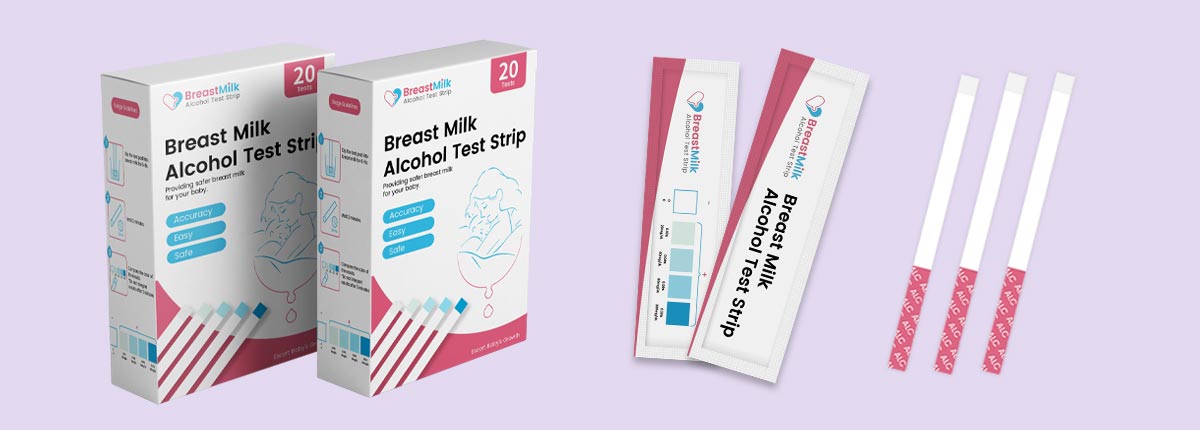
Many nursing moms want to enjoy a drink while keeping choices safe for the baby. Non-alcoholic beers and wines offer a flavorful option that supports abstinence for pregnancy and nursing. These beverages also make a thoughtful gift for new moms who value inclusion at social gatherings. Checking labels for alcohol-free or 0.0% ensures safety. Some parents choose a breast milk alcohol test strip for extra reassurance.
Key Takeaways
- Non-alcoholic beers and wines labeled ‘0.0%’ are safe for nursing moms, allowing them to enjoy social events without alcohol risks.
- Reading labels is crucial; some non-alcoholic drinks may contain up to 0.5% alcohol, so always choose those clearly marked as alcohol-free.
- Moderate consumption of non-alcoholic beer can enhance the antioxidant capacity of breast milk, benefiting both mother and baby.
- Staying hydrated with non-alcoholic options supports milk production and overall health, helping mothers avoid dehydration.
- Non-alcoholic drinks foster social inclusion, allowing nursing moms to participate in celebrations while adhering to abstinence guidelines.
Non-Alcoholic Drinks and Safety for Nursing Moms
Alcohol-Free Label: What to Look for?
Choosing alcohol-free drinks is important for breastfeeding mothers who want to avoid alcohol in breast milk. Many non-alcoholic drinks, including non-alcoholic wine and beer, use labels such as “alcohol-free” or “0.0%.” These labels help parents identify safe options. However, not all non-alcoholic drinks are completely free of alcohol. Some may contain up to 0.5% alcohol by volume (ABV).
The following table shows the alcohol-free threshold in most countries:
| Country | Alcohol-Free Threshold (ABV) |
|---|---|
| Most Countries | 0.5% ABV or less |
Non-alcoholic wine often appears in stores with different labels. Breastfeeding mothers should look for “0.0%” or “alcohol-free” to ensure the drink contains no detectable alcohol. Reading the label carefully helps avoid confusion. This step is especially important because some non-alcoholic drinks may still have trace amounts of alcohol. Choosing true alcohol-free drinks gives peace of mind and supports safe breastfeeding.
Research on Non-Alcoholic Beverages and Breastfeeding
Scientific studies show that non-alcoholic drinks, such as non-alcoholic wine and beer, are generally safe for breastfeeding mothers. Experts agree that alcohol-free drinks labeled “0.0%” do not impact milk production. Milk supply depends more on breastfeeding frequency and hydration than on the type of drink consumed.
Research also indicates that moderate consumption of non-alcoholic beer may increase the antioxidant capacity of breast milk. This benefit can help reduce oxidative stress for breastfeeding mothers. In one study, 15 breastfeeding mothers drank 1.5 liters of non-alcoholic beer. Out of 105 milk samples, only two showed any detectable ethanol. Only one sample had a measurable amount, at 0.21 milligram per deciliter. This result suggests that the transfer of alcohol in breast milk from non-alcoholic drinks is minimal and unlikely to harm infants.
Non-alcoholic wine and other alcohol-free drinks provide a safe alternative for mothers who want to avoid alcohol in breast milk. These options allow mothers to enjoy social occasions without worry.
Using a Breast Milk Alcohol Test Strip
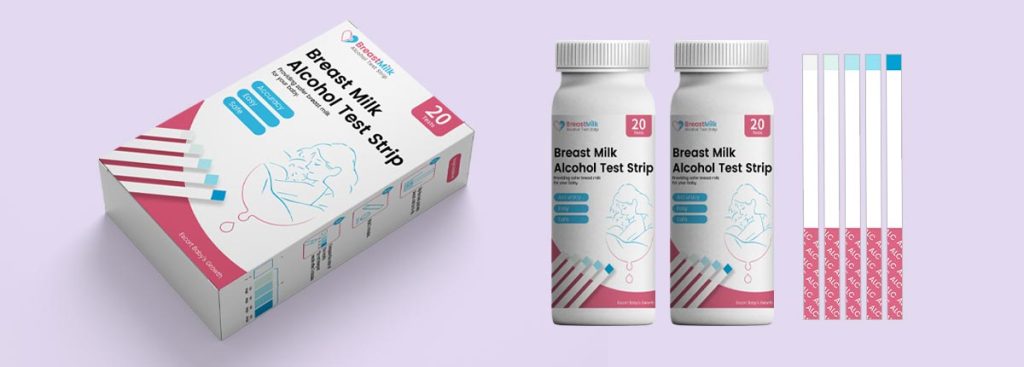
Some breastfeeding mothers use breast milk alcohol test strips to check for alcohol in breast milk after consuming non-alcoholic drinks. These strips measure alcohol levels and show a color change if alcohol is present at or above 13.1 mg/dL. However, health experts question the accuracy of these test strips. Many experts consider them unreliable and not worth the cost. The strips are consumer products, not medical devices, and lack rigorous scientific testing.
Tip: While breast milk alcohol test strips can offer reassurance, mothers should not rely on them as the only method for ensuring safety. Choosing alcohol-free drinks with clear “0.0%” labels remains the best way to avoid alcohol in breast milk.
Non-alcoholic wine and other alcohol-free drinks give breastfeeding mothers safe choices. Reading labels and understanding the limits of test strips help mothers make informed decisions about their non-alcoholic drink options.
Health Benefits of Non-Alcoholic Options
Antioxidants and Lower Oxidative Stress
Non-alcoholic wine and beer contain valuable antioxidants that can support the health of nursing mothers. These beverages include phenolic compounds, which help reduce oxidative stress in the body. Although non-alcoholic beers have lower total phenolic content than regular beers, they still provide a meaningful source of antioxidants. Non-alcoholic wine also offers a rich supply of polyphenols, which increase antioxidant enzyme activity. Studies show that the polyphenolic composition of non-alcoholic wine, rather than alcohol, boosts antioxidant levels. Grape skins used in non-alcoholic wine add vitamins, minerals, and polyphenols, making these drinks more beneficial than grape juice for antioxidant support.
Note: Moderate consumption of non-alcoholic beer may enhance antioxidant capacity in breast milk, which can help lower oxidative stress for breastfeeding mothers.
Boosting Milk Supply with Non-Alcoholic Beer
Many cultures have used malt beverages to support nursing mothers. Non-alcoholic beer contains hops, yeast, and malt, which may play a role in maintaining milk supply. Malt, derived from barley, has a long history as a galactagogue, a substance believed to increase milk production. Non-alcoholic beer may stimulate the secretion of prolactin, a hormone that enhances breast milk production. In the past, non-alcoholic malt beverages were recommended for pregnant and breastfeeding mothers. While more research is needed, some studies suggest that moderate intake of non-alcoholic beer can help with maintaining milk supply without increasing ethanol levels in breast milk.
Hydration and Well-Being
Hydration is essential for breastfeeding mothers. Non-alcoholic wine and beer offer flavorful alternatives to water, making it easier for mothers to stay hydrated. These drinks support milk production and help mothers avoid dehydration symptoms like fatigue and headaches. Choosing low-calorie non-alcoholic options can promote overall health by avoiding excess sugar and calories. Proper hydration also aids in postpartum recovery, boosts energy, and supports mental well-being.
| Benefit | Explanation |
|---|---|
| Enhances Nutrient Delivery | Hydration allows for efficient nutrient delivery through breast milk, benefiting the baby. |
| Boosts Energy Levels | Staying hydrated helps maintain energy, which is vital for new mothers. |
| Aids in Postpartum Recovery | Hydration supports recovery by flushing toxins and reducing swelling. |
| Promotes Overall Health | Good hydration habits improve bodily functions and mental well-being. |
| Prevents Dehydration | Avoiding dehydration helps mothers focus on their newborn and daily activities. |
Non-alcoholic wine and beer can help mothers meet their hydration needs while providing emotional comfort and inclusion in social settings.
Social and Emotional Advantages of Non-Alcoholic Drinks
Inclusion in Social Events
Non-alcoholic drinks allow nursing mothers to participate in social rituals without feeling left out. Many mothers report that these beverages help them feel included at gatherings with friends or family. In a recent survey, 68.8% of respondents said that alcohol-free options made them feel more involved in social events. These drinks offer a way for mothers to raise a glass during celebrations while maintaining their commitment to abstinence for pregnancy.
- Non-alcoholic choices support social inclusion.
- They provide a safe alternative for mothers who want to join in toasts or group activities.
- Many mothers appreciate the variety and taste of non-alcoholic beers and wines.
Enjoyment without Risk
Safety remains the top concern for nursing mothers. Non-alcoholic drinks give mothers the chance to enjoy the taste and experience of traditional beverages without the risks linked to alcohol. Alcohol can impair coordination and awareness, which may affect a mother’s ability to care for her baby. Choosing non-alcoholic options removes this worry and supports abstinence for pregnancy. In fact, 71.9% of mothers select alcohol-free drinks because they see them as a safer alternative. These beverages also help mothers avoid the negative effects of alcohol on milk production and overall well-being.
Tip: Non-alcoholic drinks let mothers relax and enjoy social time, knowing they are making a safe choice for themselves and their babies.
Supporting Abstinence for Pregnancy and Nursing
Health organizations around the world recommend abstinence for pregnancy and breastfeeding. They agree that no amount of alcohol is safe during these times. Non-alcoholic drinks make it easier for mothers to follow these guidelines while still enjoying social occasions. The table below shows recommendations from several health authorities:
| Recommendation | Source |
|---|---|
| Avoid alcohol completely during pregnancy to protect the unborn child. | Know your limit |
| The safest recommendation is to avoid alcohol beverages during pregnancy. | Tips for women who want a pregnancy 2022 |
| It is safest not to drink alcohol at all during pregnancy and while breastfeeding. | Alcool-info-service (2022) |
| There is no safe amount of alcohol for pregnant women. | Healthy and sustainable nutrition recommendations |
| It is not safe for pregnant women to drink any alcohol. | Alcohol: Healthy you |
| During pregnancy, none is the only safe option regarding alcohol consumption. | Canada’s Guidance on Alcohol and Health (2023) |
Non-alcoholic beers and wines help mothers maintain abstinence for pregnancy and nursing. These options provide peace of mind and support both health and social well-being.
Common Concerns About Non-Alcoholic Wine and Drinks
Are Non-Alcoholic Drinks Truly Alcohol-Free?
Many parents wonder if non-alcoholic drinks are completely free of alcohol. Most experts agree that beverages labeled as 0.0% alcohol are safe for breastfeeding. However, some non-alcoholic drinks may contain up to 0.5% alcohol by volume. This small amount is unlikely to cause any issues, but mothers who want to avoid all alcohol in breast milk should always check the label. Non-alcoholic wine often carries a 0.0% label, which means it contains no detectable alcohol. Many mothers choose these options to avoid any potential exposure.
During breastfeeding, it is generally recommended to consume water, milk, herbal teas, soups, and other balanced hydration sources. Alcohol-free wine can be enjoyed occasionally as part of a balanced diet.
What If I Accidentally Consume Alcohol?
Accidental consumption of alcohol can cause worry for nursing mothers. If a mother drinks a beverage with alcohol by mistake, she can take steps to reduce the risk of alcohol in breast milk. She can breastfeed before drinking and wait about three hours before nursing again. Expressing and discarding milk can help if breasts become full during this waiting period. Planning ahead by storing expressed milk and having a responsible caregiver available can also help.
The table below shows possible effects on infants if a mother consumes alcohol:
| Effect on Infants | Description |
|---|---|
| Reduced Milk Intake | Infants consumed 20% less breast milk after mothers consumed alcohol. |
| Altered Sleep Patterns | Infants slept shorter periods after mothers consumed alcohol compared to nonalcoholic beverages. |
| Motor Development | Regular exposure to alcohol in breast milk slightly altered gross motor development in infants. |
Many mothers prefer non-alcoholic wine and other non-alcoholic drinks to avoid these risks. They also seek support from friends or groups when attending events where alcohol is present.
When to Use a Breast Milk Alcohol Test Strip?
Some mothers feel more comfortable using a breast milk alcohol test strip after drinking non-alcoholic beverages. Lactation consultants say these strips can provide reassurance, especially for mothers who feel anxious about possible alcohol in breast milk.
Mothers feel better having a tool, like breast milk alcohol test strips. It generally makes them feel better, rather than trying to calculate or use a chart on their own. I tell them if they are really concerned, then fine, buy them. But, I also caution that we don’t have any good studies or solid research behind them.
Non-alcoholic wine and beer labeled as 0.0% offer the best chance for no alcohol transfer to the baby. Mothers should use test strips if they feel concerned, but reading labels and choosing true non-alcoholic options remains the safest practice.
- Can I drink alcohol while breastfeeding?
- Are there any foods I should avoid while breastfeeding?
- What drinks are best during breastfeeding?
These questions often come up for new mothers. Non-alcoholic drinks provide a safe and enjoyable answer for many families.
Conclusion
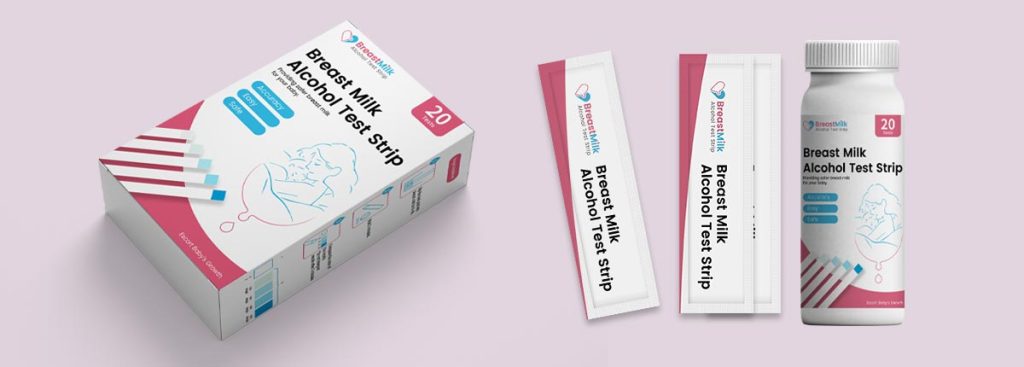
Non-alcoholic beers and wines offer nursing moms a safe and enjoyable way to celebrate motherhood. These options support health, hydration, and social inclusion. Checking for alcohol-free labels and using a breast milk alcohol test strip can provide extra reassurance. Many families choose these drinks to celebrate motherhood while protecting their babies. Every mom deserves to make informed choices that support her well-being.
FAQ
Can Nursing Moms Drink Non-Alcoholic Beer or Wine Every Day?
Most experts say daily consumption of true alcohol-free drinks is safe for nursing moms. Always check for “0.0%” labels. Variety in beverages supports balanced nutrition.
Tip: Rotate drinks like water, herbal tea, and non-alcoholic options for best hydration.
Do Non-Alcoholic Beers and Wines Taste Like Regular Ones?
Many non-alcoholic beers and wines closely mimic the flavor of traditional versions. Some brands use advanced brewing or fermentation techniques for better taste.
- Taste may vary by brand.
- Sampling different options helps find a favorite.
Are There Any Side Effects from Non-Alcoholic Drinks?
Non-alcoholic drinks rarely cause side effects. Some may contain added sugars or artificial flavors. Reading labels helps avoid unwanted ingredients.
| Ingredient | Possible Effect |
|---|---|
| Added Sugar | Extra calories |
| Artificial Flavors | Allergic reactions |
Can Non-Alcoholic Drinks Affect Milk Supply?
Non-alcoholic beer may support milk supply due to barley and hops. No evidence shows a negative effect on milk production from alcohol-free drinks.
Note: Hydration and frequent breastfeeding remain the most important factors for milk supply.
What Should Moms Do If They Feel Unsure About a Drink?
If unsure, moms can use a breast milk alcohol test strip or consult a healthcare provider. Choosing drinks labeled “alcohol-free” or “0.0%” offers peace of mind.
- When in doubt, seek professional advice.
- Trust clear labeling for safety.