


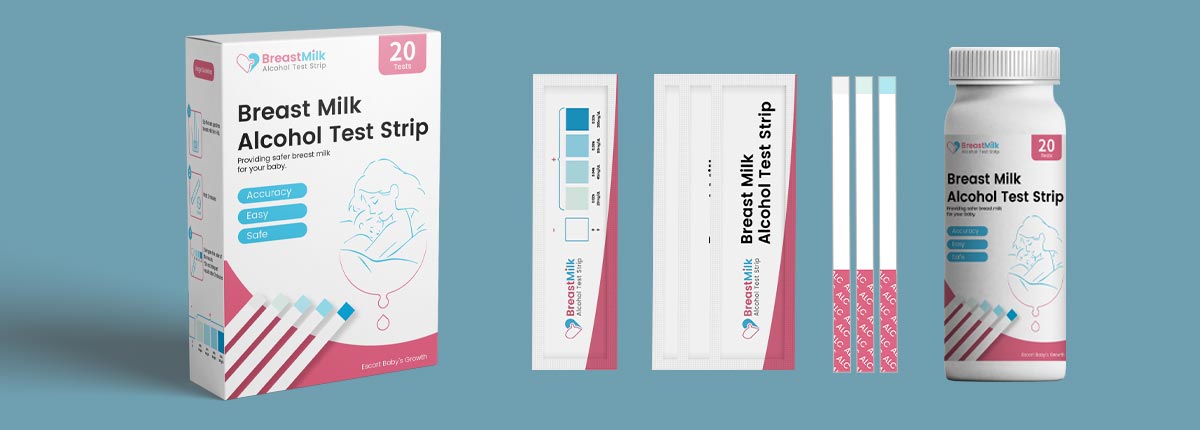
Many mothers feel uncertain about dietary precautions during breastfeeding, even though most foods are safe when eaten in moderation. More than a third of breastfeeding mothers report discomfort due to self-imposed food restrictions. A balanced and varied diet supports both the mother’s health and the baby’s development. Studies show that breastfeeding benefits a child’s health and intellectual growth while also reducing the mother’s risk of certain diseases. While alcohol often receives attention, mothers should consider other factors for safety. Anyone concerned about alcohol can use a breast milk alcohol test strip. Healthcare providers can offer personalized advice for each family’s needs.
Key Takeaways
- A balanced diet is essential for breastfeeding mothers. Focus on nutrient-rich foods to support your health and your baby’s development.
- Limit certain foods like high-mercury fish, caffeine, and alcohol. These can affect your baby’s health and well-being.
- Stay hydrated! Drink plenty of water throughout the day to maintain milk supply and overall health.
- Watch for signs of food sensitivity in your baby. Common symptoms include excessive crying, skin rashes, and digestive issues.
- Consult healthcare providers for personalized dietary advice. They can help you navigate food choices and ensure safety while breastfeeding.
Dietary Precautions for Breastfeeding Mothers
Breastfeeding mothers often wonder which foods to limit for their baby’s health. Most foods are safe in moderation, but some dietary precautions help protect both mother and child. A balanced diet supports optimal nutrition and healthy choices. However, certain foods and substances require careful attention due to their potential impact on infant development and well-being.
Foods to Limit
Healthcare professionals recommend that mothers focus on a diverse diet while being mindful of specific foods to limit. These dietary precautions help reduce risks to the baby and promote safety during breastfeeding. The following list highlights common foods and substances to avoid while breastfeeding or consume in moderation:
- Fish high in mercury, such as bigeye tuna, king mackerel, marlin, orange roughy, shark, swordfish, and tilefish
- Highly processed foods, which often lack essential nutrients and may influence a child’s food preferences later in life
- Caffeine, with a recommended maximum intake of 300 mg per day
- Herbal supplements and teas, due to limited research on their safety
- Alcohol, which requires careful timing and moderation
A table below summarizes the main foods to limit and the reasons for these dietary precautions:
| Food Type | Reason for Limitation |
|---|---|
| High mercury fish | Mercury can harm infant brain and nervous system development |
| Cow’s milk and soy | Some infants may be allergic to these proteins |
| Alcohol | Limit to one drink or less per day; wait at least 2 hours before breastfeeding |
| Caffeine | No more than 300 mg per day to prevent irritability and sleep issues in infants |
| Herbal supplements | Most lack safety data; consult a healthcare provider |
Mothers who follow these guidelines help ensure their baby’s health and reduce the risk of negative outcomes from excessive intake of certain foods.
Mercury-Rich Fish
Mercury exposure remains a major concern for breastfeeding mothers. Mercury can pass from mother to baby through breast milk, and high levels can cause permanent damage to the infant’s central nervous system. This exposure may result in delays or impairments in cognition, fine motor skills, speech and language development, and visual-spatial awareness. Fish high in mercury, such as bigeye tuna, king mackerel, marlin, orange roughy, shark, swordfish, and tilefish, should be avoided while breastfeeding. These species contain mercury levels that pose significant risks to infant health.
Tip: Choose fish low in mercury, such as salmon, sardines, and trout, to gain the benefits of omega-3 fatty acids without the risks.
Excessive intake of mercury-rich fish can lead to cognitive and developmental delays in babies. Mercury exposure through breast milk highlights the importance of dietary precautions for mothers who want to protect their child’s health.
Caffeine and Herbal Supplements
Caffeine is another substance that requires moderation during breastfeeding. Experts recommend limiting caffeine intake to 300 mg or less per day, which equals about two to three cups of coffee. High caffeine intake, especially more than ten cups of coffee daily, can cause irritability and poor sleep patterns in infants. Caffeine passes into breast milk and may affect sensitive babies.
Herbal supplements and teas are popular among many mothers, but most have not undergone rigorous safety testing for use during breastfeeding. Approximately 18% of the US population uses herbal supplements, yet research on their safety and effectiveness remains limited. Physicians encourage mothers to consult healthcare providers before using any herbal products, as some herbs may pose unknown risks to infants.
Note: Always check with a healthcare provider before starting any new supplement or herbal tea while breastfeeding.
Alcohol and Breast Milk Alcohol Test Strip
Alcohol when breastfeeding requires careful planning. Health organizations such as the American Academy of Pediatrics and the CDC recommend limiting alcohol intake to one standard drink per day and waiting at least two hours before nursing. The March of Dimes suggests no more than two drinks per week, with a similar waiting period. Alcohol in breast milk can affect infant development and behavior, so timing and moderation are essential.
Some mothers use breast milk alcohol test strips to check for alcohol in breast milk. However, experts question the accuracy and reliability of these strips. The American Academy of Pediatrics states that these products are unnecessary and lack sufficient research. Lactation consultants also warn that the strips may not provide reliable results.
Reminder: The safest approach is to limit alcohol consumption and follow recommended waiting periods before breastfeeding.
By following these dietary precautions, mothers can make healthy choices that support their baby’s growth and development. A balanced diet, careful intake of certain foods, and attention to processed and high in mercury fish help ensure safety during breastfeeding.
Breastfeeding Nutrition and Balanced Diet
A balanced diet plays a vital role in breastfeeding nutrition. Mothers experience increased nutrient demands during lactation, which makes careful food choices essential for both their health and their baby’s development. Research shows that maternal nutrition directly affects the volume and composition of milk, influencing infant growth and well-being. Poor nutrition can reduce milk production and lead to health complications for both mother and child.
Key Nutrients for Mothers
Breastfeeding mothers need a variety of nutrients to support their own bodies and provide high-quality milk. The table below outlines the recommended daily values for key nutrients:
| Nutrient | Recommended Daily Value |
|---|---|
| Calories | 330 to 400 kcal |
| Iodine | 290 mcg |
| Choline | 550 mg |
| Protein | 2 to 3 servings (3-4 oz each) |
| Calcium | 1,300 mg |
| Iron | 10 mg (18 or younger), 9 mg (19 or older) |
| Vitamin C | 115 mg (18 or younger), 120 mg (19 or older) |
Deficiencies in these nutrients can lower their levels in breast milk and affect infant development. Mothers should focus on nutrient-rich foods to meet these needs.
Whole Grains and Dairy Choices
Whole grains provide energy and fiber, which help maintain steady blood sugar and digestive health. Foods such as oatmeal, brown rice, and whole wheat bread supply important nutrients for breastfeeding nutrition. Dairy products offer calcium, iodine, and choline, all of which support bone strength and milk production. For those who are lactose intolerant or follow a vegan diet, fortified plant-based milks, tofu made with calcium sulfate, and dark leafy greens serve as excellent alternatives.
Protein-Rich Foods
Protein supports tissue repair and milk synthesis. Mothers can choose from a variety of protein sources, including eggs, lean meats, poultry, seafood, beans, nuts, and seeds. Plant-based diets can meet protein needs with legumes, tofu, and fortified cereals. Salmon and sardines provide both protein and omega-3 fatty acids, which benefit infant brain development.
Hydration Tips
Proper hydration is crucial for breastfeeding nutrition. Mothers should drink according to thirst and aim for an 8-ounce glass of water, juice, or milk at each meal and during every feeding. Signs of dehydration include thirst, dry mouth, and dark urine. Drinking 8 to 12 glasses of water daily helps maintain milk supply and overall health. Limiting caffeine and avoiding alcohol further supports hydration.
Tip: Keep a water bottle nearby as a reminder to drink fluids throughout the day.
Recognizing Baby’s Reactions to Your Diet
Signs of Food Sensitivity
Babies sometimes react to foods that pass into breast milk during breastfeeding. Parents may notice certain signs that suggest food sensitivity. These signs can appear soon after a feeding or develop over time. Common symptoms include:
- Severe colic or excessive crying
- Abdominal discomfort
- Skin rash, such as eczema or hives
- Vomiting
- Diarrhea, sometimes with blood or mucus
- Reflux or spitting up
- Constipation
- Lethargy or unusual sleepiness
- Failure to thrive or poor weight gain
- Difficulty breathing
Cow’s milk is the most frequent cause of food sensitivity in breastfed babies. Other foods, such as spicy or “gassy” vegetables like cabbage, may also cause minor reactions. Only a small percentage of exclusively breastfed infants—about 0.5–1%—develop a true allergy to cow’s milk protein. Overdiagnosis of food allergies remains common, so parents should observe symptoms carefully.
Allergic Reactions in Babies
Allergic reactions in babies can range from mild to severe. The following table summarizes typical symptoms and their descriptions:
| Symptom | Description |
|---|---|
| Severe colic | Intense abdominal pain, leading to prolonged crying |
| Abdominal discomfort | General stomach pain or unease |
| Skin rash | Eczema or hives appearing on the skin |
| Vomiting | Forceful expulsion of stomach contents |
| Severe diarrhea | Frequent, loose stools, sometimes with blood |
| Difficulty breathing | Trouble breathing, which may last for hours after breastfeeding |
When food particles enter the bloodstream, a baby’s immune system may treat them as threats. This response can cause diarrhea, rashes, or excessive crying. Most reactions relate to cow’s milk protein, but other foods can also trigger symptoms.
When to Seek Medical Advice?
Parents should contact a healthcare provider if their baby shows two or more symptoms that suggest a food allergy or intolerance. Before making changes to the maternal diet, consider other possible causes, such as teething, illness, or recent vaccinations. The following steps can help document and report suspected reactions:
- Consult with a pediatrician to discuss symptoms and possible referrals.
- Keep a food log to track the mother’s diet and the baby’s symptoms.
- Identify patterns, such as rash or diarrhea after certain foods.
- Remove one food at a time or all common allergens, based on symptom severity.
- Monitor the baby’s symptoms after dietary changes and check for hidden sources of allergens.
Prompt medical advice ensures the baby’s health and helps guide safe breastfeeding practices.
Practical Tips for Safe Eating While Breastfeeding
Meal Planning Strategies
Effective meal planning helps mothers meet the nutritional needs of breastfeeding. They should include protein foods two to three times per day and eat three servings of vegetables, focusing on dark green and yellow varieties. Two servings of fruit and whole grains like oatmeal or whole wheat bread support balanced nutrition. Mothers can use the following table to guide daily choices:
| Food Group | Recommendations |
|---|---|
| Nutrient-Dense | Whole grains, lean protein |
| Added Sugars | Limit intake |
| Saturated Fats | Limit intake |
| Sodium | Limit intake |
| Caloric Intake | Increase by 350-400 calories per day |
A colorful plate with broccoli, carrots, and sweet potatoes provides essential vitamins. Mothers should aim for 2 ½ to 3 ½ cups of vegetables daily.
Reading Food Labels
Reading food labels allows mothers to make informed decisions about what they eat while breastfeeding. Labels list ingredients, allergens, and nutritional content. Resources such as “Understanding Food Labels and Terms” offer guidance on interpreting these labels. The “Pregnancy and Lactation Labeling Resources” provide information about drug amounts in milk and their effects on infants. The “Diet for Breastfeeding Mothers” resource discusses how foods influence milk and offers dietary advice.
Managing Cravings and Social Events
Cravings often occur during breastfeeding. Mothers can manage these by preparing healthy snacks, such as fruit or yogurt, and limiting processed foods. At social events, they can choose dishes with whole grains or lean proteins. Drinking water before meals helps control hunger and supports milk production. Planning ahead reduces the temptation to consume foods that may affect the baby’s health.
Tip: Bring a nutritious snack to gatherings to avoid less healthy options.
Finding Reliable Information
Reliable information empowers mothers to make safe choices for themselves and their babies. Trusted sources include healthcare providers, registered dietitians, and reputable organizations. They can answer questions about breastfeeding, milk safety, and nutrition. Mothers should avoid misinformation from unverified online forums or social media.
Note: When in doubt, consult a healthcare professional for guidance on milk and dietary choices.
Conclusion

Breastfeeding mothers benefit from a balanced diet and careful food choices. Moderation helps protect both mother and baby. They should watch for any changes in the baby’s health or behavior. Healthcare providers can answer questions about breastfeeding nutrition. Most foods remain safe, and tools like a breast milk alcohol test strip offer extra reassurance. Healthy habits support both mother and baby during this important time.
FAQ
Can Breastfeeding Mothers Eat Spicy Foods?
Most mothers can eat spicy foods while breastfeeding. Babies rarely react to spices in breast milk. If a baby shows discomfort, mothers can try removing spicy foods for a few days and observe any changes.
Is It Safe to Eat Sushi While Breastfeeding?
Sushi made with low-mercury fish is generally safe. Mothers should avoid raw fish high in mercury, such as swordfish or king mackerel. Always choose sushi from reputable restaurants to reduce the risk of foodborne illness.
How Soon After Drinking Alcohol Can a Mother Breastfeed?
Experts recommend waiting at least two hours after one standard drink before breastfeeding. Alcohol in breast milk decrease over time. Mothers can use a breast milk alcohol test strip for extra reassurance.
Do Breastfeeding Mothers Need to Take Vitamin Supplements?
Many mothers meet their needs through a balanced diet. Some may need supplements for vitamin D, B12, or iron, especially if they follow a vegan or vegetarian diet. A healthcare provider can recommend the right supplements.
Can Caffeine Affect a Breastfed Baby?
Caffeine passes into breast milk in small amounts. Most babies tolerate moderate caffeine intake. High amounts may cause irritability or poor sleep in sensitive infants. Limiting caffeine to 300 mg per day is a safe guideline.