


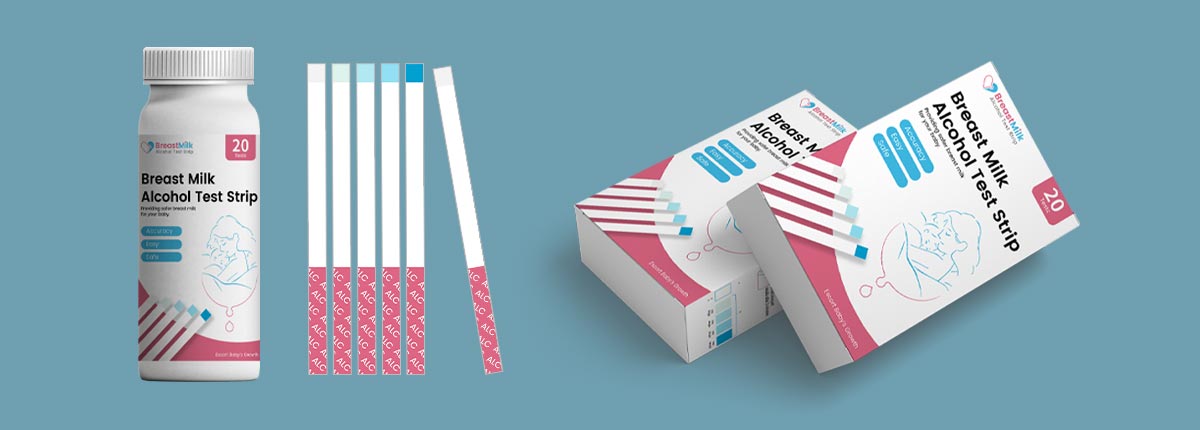
Many parents worry about the risks of drinking while breastfeeding. Breast milk alcohol test strips promise to help monitor alcohol in breast milk, but their reliability remains uncertain. Clinical studies support the manufacturer’s claims, yet medical professionals raise concerns about the research’s strength. Some experts warn that depending on these tests may encourage unsafe behaviors and threaten infant health. Practical alternatives exist for those who want to protect their baby from alcohol exposure. This blog offers clear guidance for safer breastfeeding and alcohol choices.
- Manufacturer claims confidence in test strip accuracy.
- Medical professionals question research robustness.
- Risks remain for infants from low-to-moderate alcohol exposure.
Key Takeaways
- Alcohol enters breast milk through the bloodstream. It peaks 30 to 60 minutes after drinking.
- Wait at least 2 hours after consuming alcohol before breastfeeding to protect your baby.
- Breast milk alcohol test strips can show if alcohol is present but may not be fully reliable.
- Limiting alcohol intake is the safest choice for breastfeeding parents.
- Consult a healthcare provider for personalized advice on breastfeeding and alcohol use.
Alcohol in Breast Milk: What Parents Need to Know?
How Alcohol Gets into Breast Milk?
Alcohol enters breast milk through the bloodstream. When a mother consumes alcohol, her blood alcohol level rises, and the concentration in breast milk mirrors this change. Alcohol in breast milk peak about 30 to 60 minutes after drinking alcohol while breastfeeding. The amount of alcohol present depends on several factors, including the rate of consumption and whether food was eaten at the same time.
Tip: Alcohol in breast milk peak 30 to 60 minutes after drinking. It takes about 2 hours for the alcohol from one standard drink to clear from both the bloodstream and breast milk.
| Time After Drinking | Alcohol in Breast Milk |
|---|---|
| 30 to 60 minutes | Peaks in breast milk |
| 2 hours | Clears from breast milk |
Effects on Infants
Infants exposed to breast milk containing alcohol may experience changes in feeding behavior and sleep patterns. Studies show that short-term alcohol consumption by lactating women alters mother-infant interaction during breastfeeding, diminishing intake and changing sucking patterns.
Recent investigations revealed that infants slept more frequently but for shorter periods during the day their mothers consumed alcohol.
Long-term exposure can affect health and development. Research links alcohol exposure to reduced body mass, lower verbal IQ scores, and deficits in abstract reasoning skills at age 7. Academic abilities may also decline up to grade 5. Excessive alcohol consumption during lactation affects weight and linear growth from 1 to 57 months. Alcohol inhibits oxytocin release, leading to a 23% reduction in milk supply and, in some cases, complete blockage.
Factors That Influence Alcohol Levels
Several factors influence how long alcohol stays in breast milk. The concentration closely follows maternal blood alcohol levels. Peak levels occur 30–60 minutes after consumption. Clearance depends on body weight, metabolism, the amount consumed, and whether food was eaten.
- Alcohol in breast milk mirror maternal blood alcohol levels.
- The time required for alcohol to clear from breast milk varies:
- 1 drink: about 2–3 hours
- 2 drinks: about 4–5 hours
- 3 drinks: about 6–8 hours or longer
Health authorities recommend waiting at least 2 hours after drinking alcohol while breastfeeding before nursing. Parents often ask how long after drinking can you breastfeed. The answer depends on these factors, so understanding how long does alcohol stay in breast milk helps protect infant health. The topic of breastfeeding and alcohol remains important for families seeking safe practices.
Breast Milk Alcohol Test Strips: Reliability and Use
How Test Strips Work?
Breast milk alcohol test strips help parents check for the presence of alcohol in breast milk. These strips use a solid-phase chemistry system. The reaction pad on each strip contains a highly specific enzyme that reacts with alcohol. When alcohol is present, the pad changes color. This color change indicates the concentration of alcohol in the sample.
Parents find these strips easy to use at home. Most products, such as Milkscreen, offer a simple yes or no result. The process requires only a small amount of breast milk. Results appear within one to two minutes. New mothers often prefer these strips because they do not need technical knowledge or special equipment.
Tip: Quick results and easy interpretation make these strips practical for busy parents.
Accuracy and Limitations
Breast milk alcohol test strips provide fast and convenient results, but they have some limitations. Peer-reviewed studies show that these strips may have lower sensitivity in acid milk samples. This means the test might not detect low levels of alcohol if the milk is more acidic. However, the strips remain robust against storage issues and do not give false results due to formaldehyde residues.
The strips work best for detecting the presence of alcohol, not for measuring exact amounts. They give a binary answer—alcohol detected or not detected. This feature helps parents make quick decisions, but it does not replace professional advice or laboratory testing.
Note: Test strips should not be the only method for ensuring safe breastfeeding after drinking. Combining them with other strategies, such as timing feeds and limiting alcohol intake, increases safety for infants.
When to Use Test Strips?
Healthcare professionals recommend using breast milk alcohol test strips in specific situations. Mothers often use them after consuming alcohol to check if their breast milk is safe for feeding. For example, a parent who has gone out for the night may use a strip to determine if enough time has passed for the alcohol to clear from her system.
These strips help remove guesswork about how long does alcohol stay in breast milk. They offer reassurance for parents who want to avoid exposing their infants to alcohol. However, experts advise using test strips as part of a broader approach that includes waiting the recommended time after drinking and considering other factors that influence alcohol in breast milk.
Reminder: Always consult a healthcare provider if unsure about the safety of breastfeeding after drinking alcohol.
Alternatives to Test Strips for Safe Breastfeeding
Timing Your Feeds
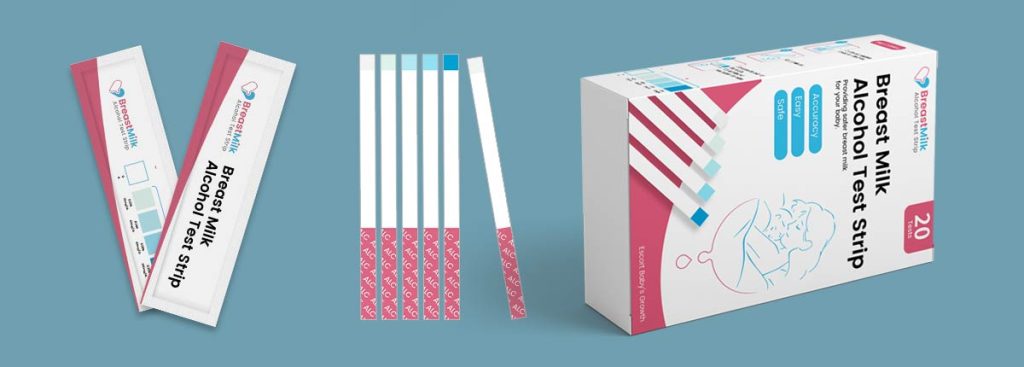
Timing feeds plays a crucial role in reducing infant exposure to alcohol in breast milk. Health authorities recommend waiting before breastfeeding after drinking alcohol while breastfeeding. The concentration of alcohol in breast milk closely follows the mother’s blood alcohol levels. Alcohol peaks in breast milk about 30 to 60 minutes after consumption. The passage of time remains the most effective way to lower alcohol in breast milk. Other methods, such as drinking coffee or pumping, do not speed up clearance.
Tip: Waiting the recommended time before breastfeeding helps protect infant health.
| Alcohol Consumption | Recommended Waiting Time Before Breastfeeding |
|---|---|
| 1 drink | 2 hours |
| More than 1 drink | 2 hours per drink |
- Alcohol concentration in breast milk peaks 30–60 minutes after drinking.
- Time is the primary factor in reducing alcohol levels.
- Recommended waiting times:
- 2–3 hours after one drink
- 4–6 hours after two drinks
- 6–9 hours after three drinks
- 12 hours or more after heavy alcohol consumption, especially for young infants
Parents often ask how long after drinking can you breastfeed. The answer depends on the amount consumed and the time elapsed. Following these guidelines supports safer breastfeeding and alcohol choices.
Limiting Alcohol Intake
Limiting alcohol intake remains the safest strategy for breastfeeding parents. Health experts agree that up to one drink per day is not known to be harmful to infants. Waiting at least two hours after drinking alcohol while breastfeeding before nursing is recommended.
| Alcohol Consumption | Safety For Breastfeeding Parents |
|---|---|
| Up to one drink per day | Not known to be harmful to infants |
| No alcohol | Safest option for breastfeeding parents |
| Wait 2 hours after consumption | Recommended before breastfeeding |
Choosing to avoid alcohol altogether offers the highest level of safety. Parents who decide to drink should keep intake low and follow waiting times. These steps help minimize risks to infant health.
Expressing and Storing Milk
Expressing and storing breast milk provides flexibility for parents who plan to drink alcohol. Planning ahead allows parents to have safe milk available for their baby. Health authorities suggest several best practices:
- Plan ahead by storing expressed breast milk for times when drinking is expected.
- Wait for alcohol to clear from the system before nursing.
- If breasts become full while waiting, hand express or pump to relieve discomfort.
- Breastfeed or pump right before drinking.
- Have your drink.
- Allow time for the peak alcohol level to pass while the baby digests.
Pumping after drinking alcohol while breastfeeding does not speed up alcohol clearance. Alcohol leaves breast milk at the same rate as it leaves the bloodstream. Expressing and storing milk ensures that the baby receives safe milk during periods when alcohol may be present.
The Truth About Pumping and Dumping
Many parents believe that pumping and dumping breast milk after drinking alcohol while breastfeeding will reduce infant exposure. Current research shows that this practice does not accelerate alcohol elimination. Alcohol concentration in breast milk mirrors the mother’s blood alcohol concentration. As the body metabolizes alcohol, levels in breast milk drop naturally. Only time removes alcohol from breast milk.
Note: Pumping and dumping does not remove alcohol from breast milk and only results in wasting milk.
Experts agree that moderate alcohol consumption is safe for breastfeeding mothers. Alcohol dissipates from breast milk at the same rate as from the bloodstream. Pumping and dumping is unnecessary and does not help eliminate alcohol. Waiting for the body to metabolize alcohol remains the best approach.
Making Informed Decisions
Combining Methods for Safety
Parents often use a combination of strategies to reduce the risk of alcohol exposure in breast milk. They can follow a step-by-step approach to maximize safety and protect their baby’s health:
- Breastfeed or pump right before drinking alcohol while breastfeeding.
- Have the drink.
- Allow time for the alcohol level to peak and begin to decline while the baby digests.
- Offer previously expressed milk if the baby needs to feed during the waiting period.
- Discuss a temporary supplement plan with a clinician if needed.
Families may also take extra steps to support safety:
- Ask a sober adult to help with carrying, bathing, or settling the baby at night.
- Avoid bedsharing after consuming alcohol.
Parents should remember that extra caution is important if the baby is very young, premature, low birth weight, jaundiced, unwell, or not gaining weight well. In these cases, a conservative approach works best. Limiting or avoiding alcohol can help protect the baby’s health.
When to Seek Professional Advice?
Some situations require guidance from a healthcare provider. Parents should contact a professional if they feel unsure about the timing of feeds, the amount of alcohol consumed, or the baby’s health. A clinician can help create a personalized plan for feeding and alcohol use. This support becomes especially important for babies with special health needs or when parents have questions about supplementing with formula or stored milk.
A healthcare provider can answer questions and offer reassurance about breastfeeding choices. Seeking advice helps parents make informed decisions and maintain their baby’s health and safety.
Conclusion
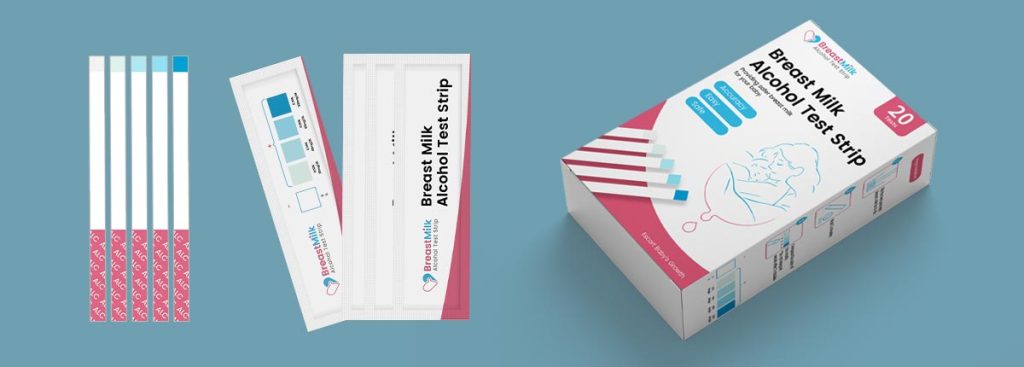
Health experts remain skeptical about the reliability of breast milk alcohol test strips, recommending practical alternatives for parents concerned about drinking alcohol while breastfeeding. Parents can minimize alcohol in breast milk by limiting intake, timing feeds, and planning ahead. Consulting healthcare professionals provides personalized guidance and supports infant health. Many women successfully moderate their alcohol use and time breastfeeding to protect their babies. Safe breastfeeding choices are achievable with careful planning and support.
Parents can feel confident that informed decisions help ensure their baby’s safety.
FAQ
How Accurate Are Breast Milk Alcohol Test Strips?
Breast milk alcohol test strips detect alcohol presence but do not measure exact amounts. Studies show variable sensitivity. Parents should use strips as a guide and combine them with timing and intake limits for best safety.
Can Parents Breastfeed After Drinking Alcohol?
Parents can breastfeed after drinking alcohol if they wait for alcohol to clear from their system. Health authorities recommend waiting at least two hours per drink. Timing feeds and limiting intake help protect infants.
Does Pumping and Dumping Remove Alcohol from Breast Milk?
Pumping and dumping does not remove alcohol from breast milk. Alcohol leaves breast milk as it leaves the bloodstream. Only time reduces alcohol levels. Experts advise waiting before breastfeeding instead of discarding milk.
What Should Parents Do If They Accidentally Breastfeed After Drinking?
If a parent breastfeeds soon after drinking, they should monitor the baby for unusual sleep or feeding patterns. Consulting a healthcare provider offers reassurance and guidance. Most cases of moderate exposure do not cause harm.
Is It Safe to Store Expressed Milk After Drinking Alcohol?
Expressed milk contains alcohol if pumped during peak levels. Parents should store milk expressed before drinking or after alcohol clears. Using stored milk during waiting periods ensures the baby receives safe nutrition.