


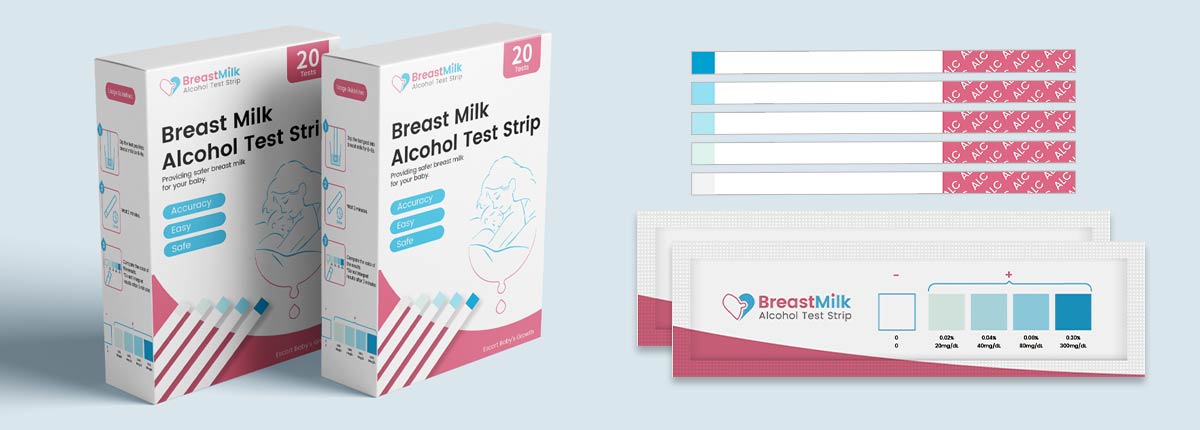
Safe disposal of used breast milk test strips for alcohol protects both people and the environment. These strips do not contain hazardous materials, but proper safety steps help prevent harm. Individuals should place each breast milk alcohol test strip in a puncture-proof container and label it clearly. This method supports safety and reduces the risk of accidental harm. Local guidelines may differ, so checking them supports compliance and community safety. Responsible disposal supports families dealing with alcohol use during pregnancy or breastfeeding and substance use. Testing for alcohol helps support health, prevent harm, and maintain safety for everyone.
Key Takeaways
- Always dispose of used breast milk alcohol test strips in puncture-proof containers to prevent injury and ensure safety.
- Label containers clearly and follow local disposal guidelines to support community health and reduce risks from alcohol residue.
- Choose eco-friendly brands and sustainable packaging options to protect the environment while ensuring family safety.
- Practice proper hand hygiene after handling used test strips to minimize the risk of contamination and maintain a safe home.
- Regularly check local regulations for disposal to stay informed and support responsible waste management.
Proper Disposal of Breast Milk Test Strips for Alcohol
Hazardous vs. Non-Hazardous Waste
Breast milk test strips for alcohol do not contain hazardous chemicals. Most brands design these strips for single use and safe handling. When families use a breast milk alcohol test strip, they do not introduce toxic substances into the waste stream. However, proper disposal remains important. Used strips may carry traces of alcohol or breast milk, which can pose a risk if handled carelessly. Safe disposal practices help prevent harm and support community health. Unlike unneeded medicine or sharp medical waste, these strips do not require specialized hazardous waste treatment. Still, families should treat them with care to support safety and reduce accidental exposure.
Using Puncture-Proof Containers
Puncture-proof containers play a key role in proper disposal. These containers prevent sharp or contaminated items from causing injury. When families dispose of breast milk test strips for alcohol, they should select a container that resists punctures and leaks. The following table lists recommended options:
| Recommended Container Types | Description |
|---|---|
| Milk Jugs | Thick material, puncture-resistant, safe for disposal of sharp objects. |
| Laundry Detergent Bottles | Durable and designed to hold liquids, preventing punctures. |
| Other Thick Material Containers | Any container that is robust enough to prevent punctures, but not glass. |
A breast milk alcohol test strip may seem harmless, but sharp edges or contamination can still cause harm. Safety-engineered containers reduce the risk of injury by up to 94.9%, while wall-mounted devices can eliminate injury risk entirely. These containers support safe disposal and protect anyone who handles household waste. Families who use breast milk test strips for alcohol should always place used strips in a puncture-proof container to support safety and prevent harm.
Marking and Sealing Before Disposal
Clear labeling and sealing of containers further support safety. Families should mark containers holding used breast milk test strips for alcohol with a label such as “Used Test Strips – Do Not Open.” This step warns others and prevents accidental contact. Sealing the container tightly keeps alcohol residue and breast milk contained, reducing the risk of harm. Proper disposal also means checking local regulations. Some communities may have specific rules for disposing of items used in alcohol testing. Local guidelines support safe waste management and protect the environment. By following these steps, families support safety, prevent harm, and ensure responsible disposal of breast milk alcohol test strips.
Tip: Always check with local waste management authorities for the most up-to-date disposal recommendations. This supports compliance and community safety.
Eco-Friendly Disposal Options
Household Hazardous Waste Drop-Off
Many communities offer household hazardous waste drop-off locations or events. These sites accept items that need special handling to prevent harm to people and the environment. While a breast milk alcohol test strip does not contain hazardous chemicals, some families prefer to use these drop-off sites for extra safety. Staff at these locations know how to support safe disposal and reduce risk. They can answer questions about alcohol testing materials and guide families on the best way to support community health. Local waste management websites often list drop-off dates and accepted items. Using these resources helps support responsible disposal and prevents harm.
Recycling and Composting Packaging
Packaging from breast milk alcohol test strips often includes cardboard boxes or paper inserts. These materials support recycling efforts in most areas. Families should remove any plastic or foil wrappers before placing packaging in recycling bins. Some brands use compostable packaging, which supports eco-friendly disposal. Composting reduces landfill waste and supports soil health. A simple table can help families decide how to dispose of packaging:
| Material Type | Disposal Method |
|---|---|
| Cardboard Box | Recycle |
| Paper Insert | Recycle/Compost |
| Plastic Wrapper | Trash |
| Foil Pouch | Trash |
Proper sorting supports recycling programs and reduces harm to the environment. Families who use breast milk alcohol test strips can check local recycling guidelines for more details.
Choosing Sustainable Brands
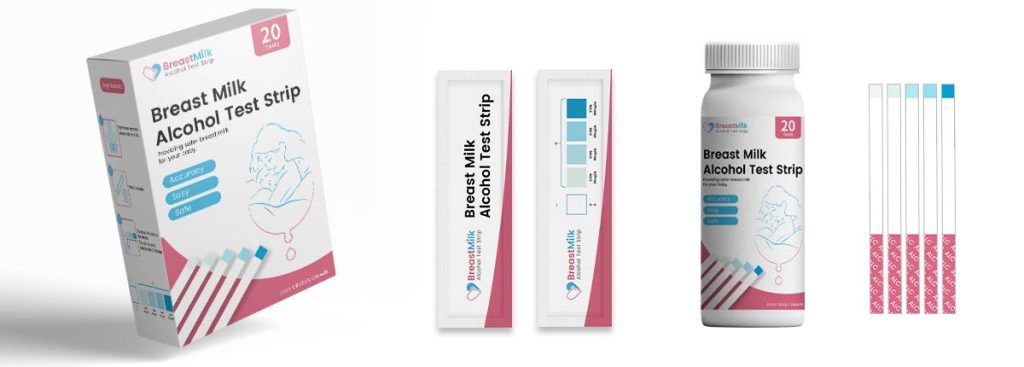
Some companies design breast milk alcohol test strips with sustainability in mind. These brands use recycled materials, compostable packaging, or eco-friendly inks. Choosing these products supports environmental protection and reduces harm. Families can look for brands that support green initiatives or offer take-back programs. Reading product labels and company websites helps identify sustainable options. Supporting these brands encourages more companies to adopt eco-friendly practices. Responsible choices in alcohol testing supplies support both family safety and the planet.
Tip: Always check for local recycling symbols on packaging to support proper disposal and reduce harm.
Safety Precautions for Proper Disposal
Keep Away from Children and Pets
Safety remains a top priority when disposing of any item related to test breast milk for alcohol. Used breast milk alcohol test strips can pose risks if left within reach of children or pets. Children may mistake these strips for toys, while pets might chew on them out of curiosity. Both scenarios can lead to accidental exposure to alcohol residue or breast milk, which may cause harm. Families should always store used strips in a secure, puncture-proof container. Placing the container in a locked cabinet or on a high shelf adds another layer of safety. This approach supports harm reduction strategies and helps prevent accidental ingestion or contact. Responsible disposal practices protect vulnerable family members and support a safe home environment, especially for those managing alcohol use during pregnancy or breastfeeding and substance use.
Tip: Always check the area after testing for any dropped strips to ensure complete safety.
Handwashing After Handling
Proper hand hygiene supports safety after handling used breast milk alcohol test strips. Even small amounts of alcohol or breast milk residue can transfer to hands during disposal. Washing hands thoroughly with soap and water removes these substances and reduces the risk of harm. This simple step supports overall health and prevents the spread of contaminants. Handwashing also protects anyone who may come into contact with household surfaces after testing. Families who practice good hygiene support harm reduction and maintain a safer environment for everyone, including those concerned about substance use during pregnancy. Consistent handwashing after each testing session reinforces safety and supports responsible disposal habits.
- Wash hands thoroughly with soap and water after handling used strips.
- Dry hands completely to prevent the spread of any remaining residue.
Safe disposal of breast milk alcohol test strips, combined with careful handwashing, supports harm reduction and protects both people and pets. These steps help families maintain safety while managing alcohol testing at home.
Conclusion
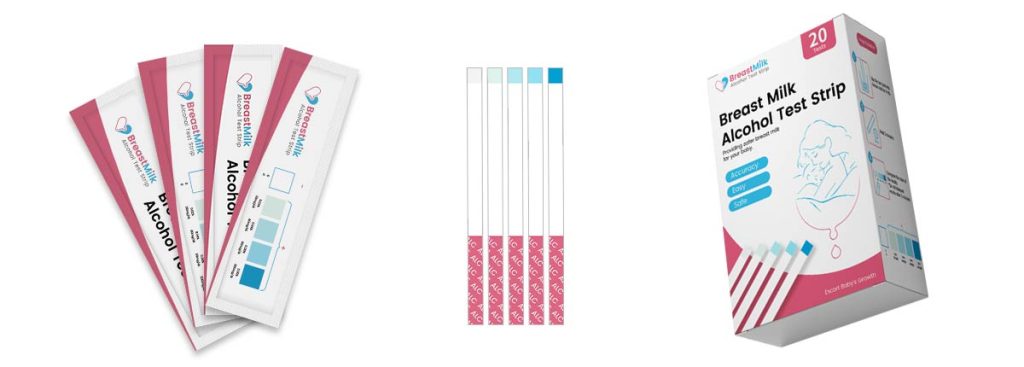
Families should always dispose of breast milk test strips for alcohol in puncture-proof containers to prevent harm and support safety.
Marking containers and following local guidelines help support community health and reduce harm from alcohol residue.
Choosing eco-friendly options and sustainable brands supports the environment and family safety.
Proper testing and disposal of breast milk alcohol test strip products support harm reduction, especially for those managing substance use during pregnancy and alcohol exposure.
Responsible habits in alcohol breast milk test and disposal support safety, prevent harm, and protect everyone in the home.
FAQ
Can Families Throw Away Used Breast Milk Alcohol Test Strips in Regular Trash?
Most families can dispose of used breast milk alcohol test strips in regular trash. These strips do not contain hazardous alcohol chemicals. Placing them in a puncture-proof container helps prevent harm to others who handle waste.
Do Breast Milk Alcohol Test Strips Pose Any Risk to Children or Pets?
Used breast milk alcohol test strips may carry traces of alcohol or breast milk. Children or pets could experience harm if they touch or ingest them. Families should store strips in secure containers and keep them out of reach.
Should Families Wash Hands After Handling Breast Milk Alcohol Test Strips?
Handwashing after handling breast milk alcohol test strips removes alcohol residue and breast milk. This practice reduces harm and supports family health. Soap and water work best for cleaning hands after disposal.
Are There Eco-Friendly Ways to Dispose of Breast Milk Alcohol Test Strip Packaging?
Families can recycle cardboard boxes and paper inserts from breast milk alcohol test strip packaging. Composting supports eco-friendly disposal. Plastic and foil wrappers should go in the trash to prevent alcohol contamination and harm to recycling streams.
How Often Should Families Check Local Guidelines for Alcohol Test Strip Disposal?
Local regulations for breast milk alcohol test strip disposal may change. Families should check guidelines regularly to avoid harm and ensure proper handling of alcohol testing materials. Community websites provide updated information.