


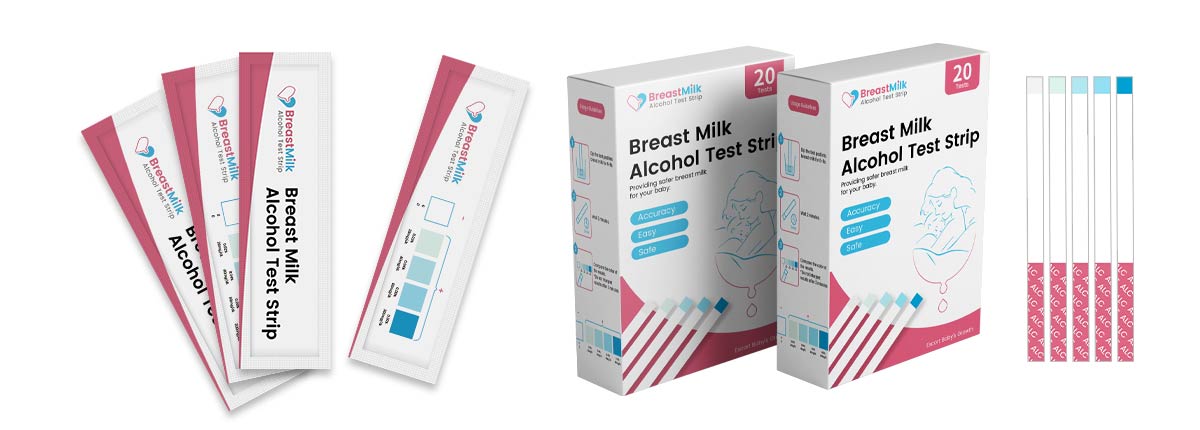
Breastmilk alcohol test strips typically last up to two years when stored as recommended. Proper storage remains vital for anyone practicing breastfeeding, as it helps ensure accurate readings and supports infant safety. Scientific research shows that while many test strips remain effective under various conditions, improper storage may lower their sensitivity, especially in acidic milk. This can affect mothers who rely on these strips to make informed decisions during breastfeeding. Parents who prioritize breastfeeding often look for reliable tools, and storing test strips correctly helps maintain their trust. Safe and effective breastfeeding depends on the accuracy of these tools, so mothers should always check packaging and follow best storage practices.
Key Takeaways
- Breastmilk alcohol test strips last up to two years when stored properly. Always check the expiration date before use to ensure accurate results.
- Store test strips in a cool, dry place between 4°C and 30°C (68°F to 77°F). Avoid heat sources and direct sunlight to maintain their effectiveness.
- Keep test strips in their original foil pouch or an opaque container. This protects them from moisture and light, which can degrade their accuracy.
- Avoid common storage mistakes like refrigeration or exposure to humidity. These can activate the reagents prematurely and lead to false readings.
- Use a simple checklist for testing: saturate the strip, wait for two minutes, and compare the color to the Color Card for accurate alcohol detection.
Shelf Life of Breastmilk Alcohol Test Strips
Typical Expiration Period
Most breastmilk alcohol test strips have a minimum shelf life of two years when stored under recommended conditions. Manufacturers design these strips to remain stable and effective for this period. The expiration date helps users know when the product may no longer provide accurate results. Parents who rely on testing breast milk for alcohol content should always check this date before using a strip. The shelf life depends on how well the strips are protected from heat, moisture, and light. Proper storage supports breastfeeding mothers who want to ensure the safety of their infants.
Importance of Expiry Dates
Checking the expiration date on breastmilk alcohol test strips is essential for accuracy and safety. The expiration date appears on the back of the foil pouch that holds each strip. Using a strip past this date can lead to unreliable results. Inaccurate readings may cause a mother to believe her breast milk is safe for breastfeeding when it is not, or vice versa. This can affect the health and safety of the baby.
Tip: Always use a new strip from an unopened pouch and confirm the expiration date before testing breast milk.
The table below explains the consequences of using expired alcohol test strips:
| Evidence | Explanation |
|---|---|
| Expiration date is printed on the back of the foil pouch that holds the test strip. | Using the test strips after this date may lead to inaccurate results, which can pose risks when assessing alcohol levels in breastmilk. |
Breastfeeding mothers depend on reliable tools to make informed decisions. Alcohol can pass into breast milk and affect infants. Accurate alcohol detection helps mothers decide when it is safe to resume breastfeeding after consuming alcohol. Following expiration guidelines ensures that breast milk alcohol test strips provide trustworthy results every time.
Storing Breast Milk Test Strips
Temperature Guidelines
Proper temperature control plays a crucial role in preserving the accuracy of breast milk alcohol test strips. Manufacturers recommend storing these strips at temperatures between 4°C and 30°C (68°F to 77°F). This range helps maintain the chemical stability of the test reagents. High temperatures can degrade the sensitive components, while freezing temperatures may cause condensation and damage the strip’s integrity.
Parents who practice breastfeeding often keep these strips in a medicine cabinet or a drawer away from heat sources. Direct sunlight, radiators, and kitchen appliances can create temperature spikes that reduce the effectiveness of the strips. Consistent room temperature storage supports reliable results when testing breast milk for alcohol.
Tip: Store breast milk alcohol test strips in a location where the temperature remains steady throughout the year. Avoid placing them in vehicles, bathrooms, or near windows.
Humidity and Light Control
Humidity and light exposure also affect the performance of breast milk alcohol test strips. Experts recommend keeping humidity below 50% to prevent moisture from entering the packaging. Moisture can activate the reagents prematurely, leading to false readings. A cool, dry, and dark place offers the best environment for storage.
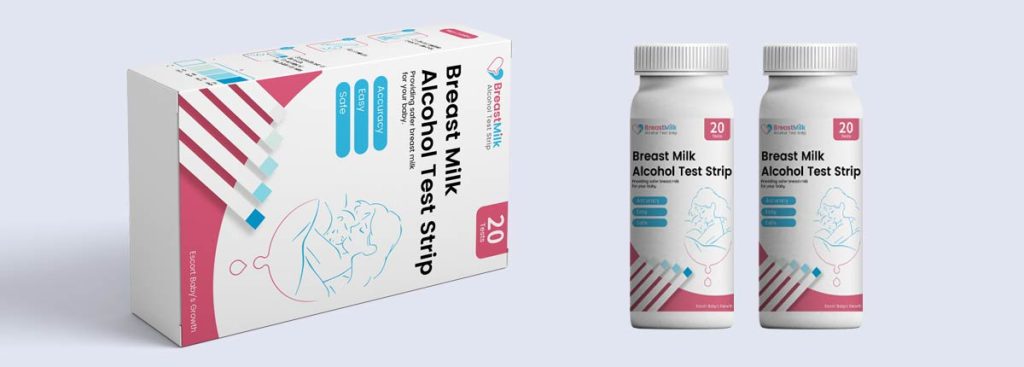
Light, especially sunlight or fluorescent lighting, can break down the chemicals in the test strips. Storing the strips in their original foil pouch or an opaque container shields them from light. Many scientific reviews on alcohol use during lactation highlight the importance of proper storage for both breast milk and testing supplies. These reviews discuss how alcohol can alter milk composition and emphasize the need for careful management of all lactation-related tools.
- Key storage recommendations from lactation research include:
- Keep breast milk alcohol test strips in a sealed pouch until use.
- Avoid exposing strips to humid air or direct light.
- Store strips away from areas with frequent temperature changes.
Mothers who express milk prior to alcohol consumption rely on accurate testing to ensure infant safety. Proper storage of test strips provides guidance for safe breastfeeding alcohol test. Following these guidelines helps maintain the reliability of breast milk alcohol test strips and supports healthy lactation routines.
Packaging and Storage Tips
Airtight Containers and Desiccants
Airtight packaging plays a vital role in preserving the effectiveness of breastmilk alcohol test strips. Manufacturers often seal each breast milk alcohol test strip in a foil pouch to block moisture and air. This packaging method helps maintain the chemical stability needed for accurate testing breast milk. Desiccant packs, which absorb excess moisture, often accompany these strips inside the container. These packs prevent humidity from affecting the reagents that detect levels of alcohol in milk. Parents who practice breastfeeding should always return unused strips to their original packaging after each use. This habit protects the strips from environmental exposure and supports lactation safety.
Note: Desiccant packs should remain inside the container until all strips are used. Removing them early can increase the risk of moisture damage.
What to Avoid in Storage?
Several common mistakes can reduce the accuracy of breast milk alcohol test strips. Exposure to moisture, heat, or refrigeration can damage the sensitive chemicals inside each strip. Storing strips in the refrigerator may seem safe, but condensation can form and activate the reagents prematurely. Placing strips near stoves, windows, or bathrooms exposes them to temperature swings and humidity. These conditions can lead to unreliable results when testing breast milk for levels of alcohol in milk.
The table below highlights mistakes to avoid and their impact on lactation guidance:
| Mistake | Impact on Breastfeeding and Lactation Safety |
|---|---|
| Storing in humid environments | May cause false readings due to reagent activation |
| Exposing to heat or sunlight | Can degrade chemicals and reduce accuracy |
| Refrigerating strips | Increases risk of condensation and damage |
Mothers who monitor maternal alcohol intake during lactation need reliable tools. Proper storage ensures that breast milk alcohol test strips provide accurate guidance about alcohol consumption during lactation. Safe storage supports healthy breastfeeding while under the influence of alcohol and helps protect infants from exposure to unsafe levels of alcohol in milk.
Conclusion
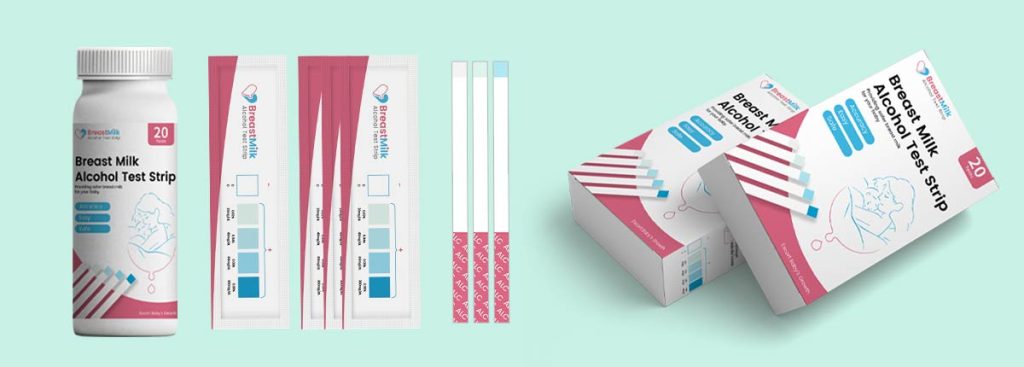
Maintaining the effectiveness of each breast milk alcohol test strip supports safe breastfeeding and lactation. Parents should store strips in a cool, dry place, check expiration dates, and avoid exposure to heat or moisture. Following best practices helps ensure accurate results and protects infants. Creating a simple checklist can guide daily use:
- Saturate the test pad with breast milk.
- Remove the test strip after 3 seconds and tap off excess milk.
- Wait exactly 2 minutes, then compare the color to the Color Card.
Consistent guidance on breastfeeding and alcohol helps families make informed decisions about the safety of consuming alcoholic beverages during lactation.
FAQ
How Long Can Breast Milk Alcohol Test Strips Remain Effective?
Most breast milk alcohol test strips remain effective for up to two years. Users should always check the expiration date before testing breast milk for alcohol to ensure accurate results.
Can Exposure to Sunlight Affect the Accuracy of Breast Milk Alcohol Test Strips?
Direct sunlight can degrade the chemicals in breast milk alcohol test strips. Storing strips in a dark place helps maintain their ability to detect alcohol in breast milk.
Is It Safe to Store Breast Milk Alcohol Test Strips in the Refrigerator?
Refrigeration can cause condensation, which may damage breast milk alcohol test strips. A cool, dry location away from moisture and heat provides the best environment for accurate alcohol detection.
What Should Parents Do If a Breast Milk Alcohol Test Strip Gets Wet Before Use?
If a breast milk alcohol test strip gets wet before testing, discard it. Moisture can activate the reagents and lead to false alcohol readings in breast milk.
How Can Parents Ensure Reliable Alcohol Results When Using Breast Milk Alcohol Test Strips?
Parents should store strips in airtight containers with desiccant packs, avoid exposure to humidity, and always use strips before the expiration date. These steps help ensure accurate alcohol detection in breast milk.