


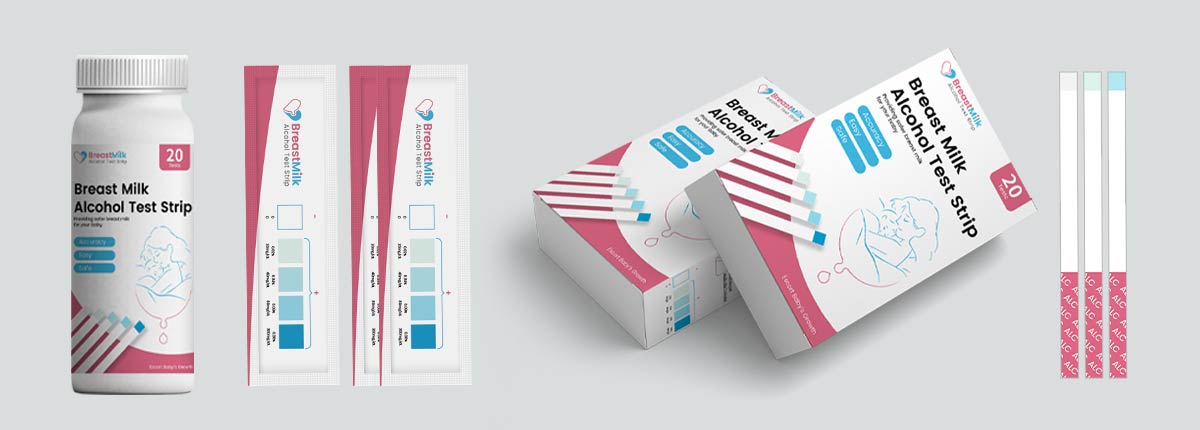
Increased water intake does not clear alcohol in breast milk faster. Many parents feel concerned about the presence of alcohol in breast milk and want to protect their babies. Surveys show that alcohol use during breastfeeding is common, with 36% of US mothers and 47% of Australian mothers reporting consumption.
Experts encourage parents to seek reliable information and practical guidance when making decisions about breastfeeding and alcohol.
Key Takeaways
- Drinking water does not speed up the removal of alcohol in breast milk. Only time allows the body to metabolize alcohol.
- Pumping and dumping after drinking does not eliminate alcohol. The alcohol in breast milk matches the blood alcohol level.
- Wait at least two hours after consuming one standard drink before breastfeeding. This helps reduce alcohol exposure to the baby.
- Use breast milk alcohol test strips for a quick check before breastfeeding. They provide a reliable way to ensure safety.
- Consult healthcare providers for personalized advice on alcohol and breastfeeding. They can help you make informed decisions.
Alcohol in Breast Milk: Why Water Doesn’t Help?
How Alcohol Is Metabolized?
The human body processes alcohol through the liver, which breaks it down at a steady rate. Most adults metabolize alcohol at a predictable pace, usually about one standard drink per two to three hours. The rate of metabolism does not change with increased water intake. The body’s ability to clear alcohol depends on liver function and individual factors such as age, weight, and genetics.
- A 3-month-old baby metabolizes alcohol at a rate that is 50% slower than that of an adult.
This slower metabolism in infants highlights the importance of minimizing exposure to alcohol in breast milk.
Alcohol Transfer to Breast Milk
Alcohol moves easily from the bloodstream into breast milk. The concentration of alcohol in breast milk matches the level found in the mother’s blood. Peak levels occur about 30 to 60 minutes after drinking. As the blood alcohol level drops, the amount of alcohol in breast milk also decreases.
The amount of alcohol in breast milk is directly related to the amount in the mother’s bloodstream.
Pumping and discarding breast milk after drinking does not speed up the removal of alcohol. Only time allows the body to metabolize and eliminate alcohol.
Scientific Evidence on Water Intake
Drinking water does not accelerate the elimination of alcohol in breast milk. Research shows that physiological changes during lactation, such as breast stimulation, can affect how alcohol is processed. The timing of breast pumping relative to alcohol consumption can influence breath alcohol levels, but water intake alone does not change the rate of alcohol clearance.
Studies also reveal that water overload and alcohol can impact hormone release, such as oxytocin and antidiuretic hormone. Water overload does not modify milk ejection, and it inhibits antidiuretic activity. These findings suggest that complex neural pathways control these functions, and simply drinking more water does not help remove alcohol from breast milk.
| Author(s) | Year | Title | Journal/Publisher |
|---|---|---|---|
| Mennella, J. A. | 1997 | Infants’ suckling responses to the flavor of alcohol in mothers’ milk | Alcoholism: Clinical and Experimental Research |
| Mennella, J. A. | 1999 | The transfer of alcohol to human milk: Sensory implications and effects on mother–infant interaction | In Alcohol and Alcoholism: Effects on Brain and Development |
| Mennella, J. A., and G. K. Beauchamp | 1991 | The transfer of alcohol to human milk: Effects on flavor and the infant’s behavior | New England Journal of Medicine |
| Mennella, J. A., and M. Y. Pepino | 2010a | Breastfeeding and prolactin levels in lactating women with a family history of alcoholism | Pediatrics |
| Mennella, J. A., and M. Y. Pepino | 2010b | Breast pumping and lactational state exert differential effects on ethanol pharmacokinetics | Alcohol |
| Probyn, M. E., et al. | 2013 | The effect of low-to-moderate-dose ethanol consumption on rat mammary gland structure and function | American Journal of Physiology-Regulatory, Integrative and Comparative Physiology |
Note: The best way to reduce alcohol in breast milk is to allow time for the body to metabolize it. Drinking water, coffee, or other fluids does not speed up this process.
Myths About Alcohol in Breast Milk
Water Intake and Alcohol Clearance
Many parents believe that drinking extra water can help clear alcohol in breast milk more quickly. This idea remains widespread, but science does not support it. The body removes alcohol at a steady rate, and water does not speed up this process. Only time allows the body to metabolize and eliminate alcohol. Drinking water may help with hydration, but it does not change how fast alcohol leaves breast milk. Public health campaigns have addressed this myth, explaining that no amount of water, coffee, or other fluids can accelerate alcohol clearance.
Pumping and Dumping Myths
The practice of “pumping and dumping” after drinking alcohol is another common misconception. Many believe that removing milk from the breasts will also remove alcohol in breast milk. However, research shows that this method does not reduce the alcohol content. The concentration of alcohol in breast milk matches the level in the bloodstream. As the blood alcohol level drops, so does the level in the milk. Pumping and dumping does not speed up this process. Experts recommend pumping only for comfort or to maintain milk supply, not to clear alcohol.
- Pumping and dumping does not remove alcohol from the body.
- The level of alcohol in breast milk mirrors the blood alcohol level.
- Pumping is unnecessary for alcohol removal unless the mother needs relief.
Foods and Remedies
Some believe that certain foods or home remedies can help clear alcohol in breast milk faster. Popular suggestions include eating bread, drinking coffee, or using herbal supplements. Research does not support these claims. The body metabolizes alcohol naturally, and no food or remedy can change this rate. The only effective way to reduce alcohol in breast milk is to wait until the body processes the alcohol.
Tip: Time is the only reliable method for clearing alcohol from breast milk. No food, drink, or remedy can speed up this process.
Safe Breastfeeding After Alcohol
Timing and Waiting Periods
Medical guidelines recommend waiting before breastfeeding after consuming alcohol. The waiting period depends on the amount consumed. For a single drink, experts suggest waiting at least two hours. Alcohol can remain detectable in breast milk for about two to three hours per drink. The following table summarizes the recommended waiting periods:
| Recommendation | Waiting Period |
|---|---|
| After a single drink | At least 2 hours |
Parents can use these guidelines to plan feeding times and reduce their baby’s exposure to alcohol.
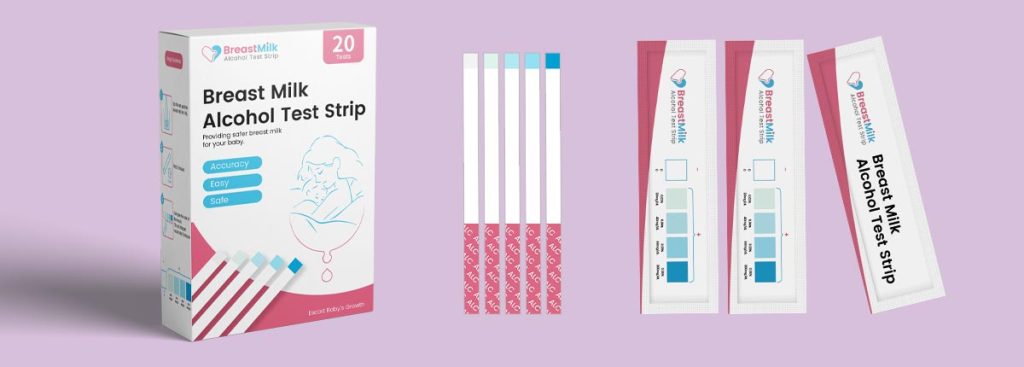
Using Breast Milk Alcohol Test Strip
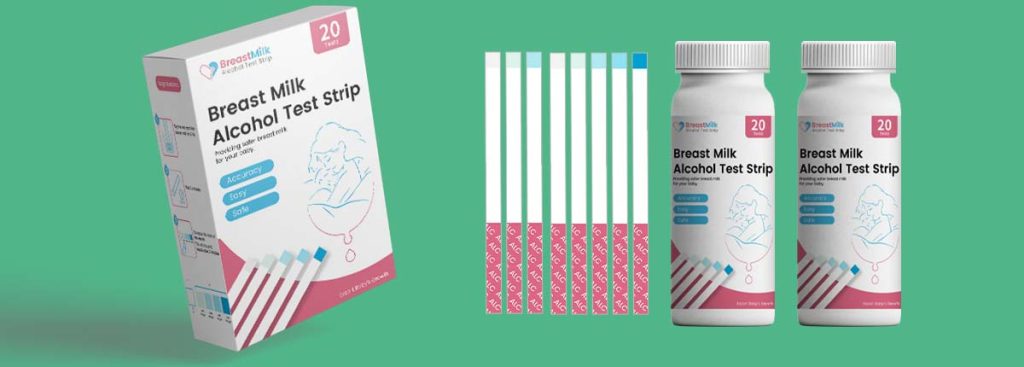
Breast milk alcohol test strips offer a practical way to check for alcohol before breastfeeding. These strips provide preliminary screening with an accuracy rate of 99.7%. Laboratory methods remain the gold standard for alcohol testing, but test strips give parents a quick and convenient option.
- Breast milk alcohol test strips help parents make informed decisions.
- Laboratory tests provide more precise results but require professional facilities.
Tip: Use a breast milk alcohol test strip if unsure about the timing of your next feeding after drinking.
Alternatives to Direct Breastfeeding
Parents who consume alcohol can consider several alternatives to direct breastfeeding.
- Feed the baby right before drinking to maximize the time until the next feeding.
- Store expressed breast milk in advance for later use.
- Wait at least two hours per standard drink before breastfeeding again.
- Aim for moderation and limit alcohol intake to one standard drink.
- Pumping or feeding within one hour before drinking may slightly reduce alcohol levels in milk.
The highest alcohol levels in milk occur 30 to 60 minutes after drinking. Waiting two to two and a half hours per drink helps decrease alcohol in milk.
Planning Ahead
Planning ahead helps parents minimize risk.
- Store expressed breast milk before drinking.
- Breastfeed immediately before consuming alcohol.
- Wait about three hours before nursing again.
- If breasts become full while waiting, hand express or pump and discard the milk.
Note: Experts recommend breastfeeding or pumping first, waiting at least two hours per drink, and using expressed milk when possible. Pumping and dumping does not speed up alcohol elimination.
Support for Parents
Individual Differences
Every parent metabolizes alcohol differently. Several factors influence how quickly alcohol leaves the body and breast milk.
- The amount of alcohol consumed affects how long it remains in the system.
- Drinking alcohol quickly can lead to higher peak blood alcohol levels.
- Eating food with alcohol slows absorption.
- Body weight plays a role; heavier individuals usually process alcohol faster.
- Genetics and liver health impact metabolism speed.
Parents should recognize that these differences mean recommendations may not apply equally to everyone. Understanding personal factors helps parents make safer choices about breastfeeding after alcohol consumption.
Consulting Healthcare Providers
Healthcare providers offer valuable guidance for breastfeeding parents concerned about alcohol.
- They advise avoiding alcohol until the baby reaches at least eight weeks old.
- Parents should breastfeed or pump milk before drinking alcohol.
- Limiting alcohol intake to one or two standard drinks reduces risk.
Research shows that alcohol can affect lactation and infant health. Even small amounts may impair milk production and the milk ejection reflex. Babies exposed to alcohol in breast milk may experience sleep disturbances or slower weight gain. Providers help parents weigh risks and develop safe feeding plans.
Tip: Parents should discuss their individual circumstances with a healthcare provider to receive tailored advice.
Resources for Breastfeeding
Many resources support parents who want reliable information about alcohol and breastfeeding.
- Alcohol appears in breast milk at levels similar to those in the bloodstream.
- Only time reduces alcohol in breast milk; no other method works.
- Support is available for parents concerned about alcohol exposure during pregnancy and breastfeeding.
Helpful organizations and tools include:
- Centers for Disease Control and Prevention
- FASD United: Expectant Parents
- March of Dimes
- National Institute on Alcohol Abuse and Alcoholism
- SAMHSA Behavioral Health Treatment Services Locator
- MSU Extension Nutrition provides detailed information on alcohol and breastfeeding.
- Alcohol breast milk test strip offers a practical way to check breast milk for alcohol.
Note: Parents can access these resources for guidance, support, and practical tools to keep their babies safe.
Conclusion
Research shows that drinking more water does not speed up alcohol clearance from breast milk. The following table highlights key facts:
| Key Aspect | Details |
|---|---|
| Alcohol in Breast Milk | Matches blood alcohol level within 30–60 minutes after drinking |
| Alcohol Clearance | About 2 hours per drink for the average woman |
| Water Intake Impact | Extra water does not help remove alcohol |
For safe breastfeeding, experts recommend these steps:
- Avoid alcohol when possible.
- Limit to one drink and wait at least two hours before nursing.
- Feed before drinking and keep expressed milk ready.
- Use test strips if unsure and consult healthcare providers.
Parents can make informed choices and protect their babies with these strategies.
FAQ
Does Drinking Water Help Remove Alcohol from Breast Milk?
Drinking water does not speed up alcohol removal from breast milk. The liver metabolizes alcohol at a steady rate. Only time reduces alcohol levels in breast milk.
How Long Should Someone Wait After Drinking Before Breastfeeding?
Most experts recommend waiting at least two hours after one standard drink. The waiting period increases with each additional drink. Parents can use breast milk alcohol test strips for extra reassurance.
Can Pumping And Dumping Clear Alcohol from Breast Milk?
Pumping and dumping does not remove alcohol from breast milk. The alcohol content matches the blood alcohol level. Only time allows the body to process and eliminate alcohol.
Are Breast Milk Alcohol Test Strips Accurate?
Breast milk alcohol test strips provide quick screening with high accuracy. Laboratory testing offers more precise results. Parents can use test strips to help decide when breastfeeding is safe.
What Are Safe Alternatives If Someone Has Consumed Alcohol?
Parents can feed expressed breast milk, wait the recommended time, or use formula. Planning ahead helps reduce risk. Feeding before drinking maximizes the time until the next breastfeeding session.