


A parent often wonders if it is safe to breastfeed after enjoying a drink. Fat content in breast milk plays a crucial role in how alcohol is cleared from milk. Many breastfeeding parents consume alcohol, as shown in the table below.
| Region | Percentage of Alcohol Consumption |
|---|---|
| United States | 36% |
| Australia | 47% |
| Canada | 20% |
| Netherlands | 19% – 22% |
Understanding this relationship helps parents make safer choices. Knowledge gives parents confidence to protect their infant’s health.
Key Takeaways
- Fat content in breast milk affects how alcohol clears from milk, impacting infant safety.
- Alcohol in breast milk match those in the bloodstream, peaking 30 to 60 minutes after drinking.
- Wait at least two hours after consuming a drink before breastfeeding to reduce alcohol exposure.
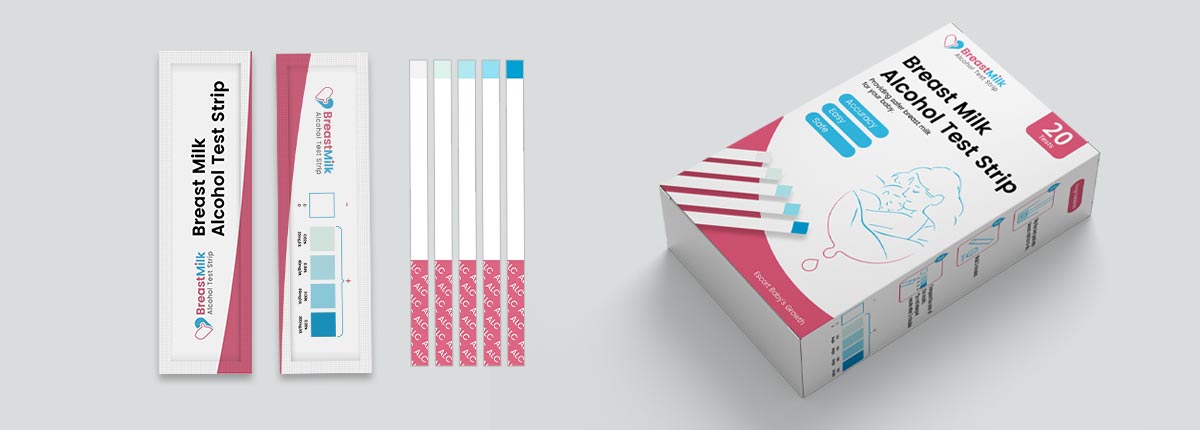
- Use breast milk alcohol test strips to check alcohol levels before feeding your baby.
- Only time can clear alcohol in breast milk; pumping and discarding does not speed up the process.
Alcohol and Breastfeeding: How Alcohol Moves in Milk?
Alcohol Transfer from Blood to Milk
Alcohol and breastfeeding often raise questions for new parents. When a person consumes alcohol, it enters the bloodstream and moves into breast milk through a process based on pharmacokinetic properties. These properties include solubility in water, pH, molecular weight, and protein binding. The concentration of alcohol in breast milk closely matches the level found in the blood. This means that as the blood alcohol level rises, so does the amount in the milk. The elimination of alcohol from both blood and milk occurs at a similar rate.
Several factors influence how much alcohol passes from blood to milk. The following table outlines these factors:
| Factor | Description |
|---|---|
| Alcohol concentration in blood | The level of alcohol in breast milk mirrors that in the mother’s blood. |
| Infant’s weight | Smaller infants will have higher blood alcohol levels per dose of alcohol consumed. |
| Infant’s metabolism | Newborns metabolize alcohol at a rate of 25% to 50% of adults, affecting blood alcohol levels. |
| Rate of alcohol consumption | The speed at which alcohol is consumed can influence its transfer to breast milk. |
| Food consumption | Consuming alcohol with food can affect the absorption and transfer rate to breast milk. |
| Mother’s body weight | The mother’s weight can influence the amount of alcohol that enters breast milk. |
| Individual variations | Differences in alcohol absorption and metabolism among individuals can impact transfer rates. |
Timing of Peak Alcohol Levels
Timing plays a key role in alcohol and breastfeeding safety. After drinking, peak alcohol levels in breast milk usually occur within 30 to 60 minutes. The timing of alcohol consumption affects when the highest concentration appears in the milk.
Tip: Waiting at least one to two hours after drinking before breastfeeding can help reduce the amount of alcohol in milk.
During lactation, the body undergoes changes that affect alcohol metabolism. Increased intestinal surface area and hormonal shifts can alter how quickly alcohol is absorbed and eliminated. These changes may influence the timing and amount of alcohol in breast milk. Understanding these processes helps parents make informed decisions about breastfeeding after alcohol consumption.
Fat Content in Breast Milk: What It Means?
What Determines Fat Content?
Many factors influence the fat content in breast milk. Maternal nutrition and dietary intake play a critical role. Mothers who consume a balanced diet with healthy fats often produce milk with higher fat levels. The stage of lactation also affects the composition. Early milk, known as colostrum, contains less fat compared to mature milk. Maternal profession and socioeconomic status can impact milk quality. For example, mothers with higher socioeconomic status tend to have better dietary quality, which increases levels of polyunsaturated fatty acids in their milk.
Other factors include maternal pre-pregnancy BMI and body fat. Overweight or obese mothers usually have higher saturated fatty acids in their milk. Food insecurity can lower the fat content in breast milk. Increased protein intake by the mother correlates with higher energy and fat levels in milk. The following list summarizes key influences:
- Maternal nutritional status and dietary intake
- Stage of lactation
- Maternal profession and socioeconomic status
- Pre-pregnancy BMI and body fat
- Food security and protein intake
The average fat content in breast milk is about 1.2 grams per ounce, or roughly 4.2 grams per 100 mL. Studies show a typical range from 2 to 5 grams per 100 mL. The table below shows how fat concentration changes with infant age:
| Age (months) | Median Fat Concentration (g/L) |
|---|---|
| 0-0.5 | 37.0 |
| 0.5-1 | 35.9 |
| 1-2 | 34.2 |
| 2-3 | 31.2 – 32.8 |
How Fat Levels Change?
Fat content in breast milk does not remain constant during feeding. At the start of a session, foremilk contains less fat and appears watery. As feeding continues, the milk transitions to hindmilk, which is creamier and richer in fat. The fullness of the breast influences this change. A fuller breast produces milk with lower fat content, while an emptier breast yields milk with higher fat levels. Allowing the infant to nurse longer on one breast ensures they receive more hindmilk.
Throughout the day, fat content in breast milk fluctuates. The pooled median total fat intake for infants from one to six months is about 26 grams per day. Mean milk fat concentrations in studies with full breast expression are around 35.2 grams per liter. Human milk fat levels range from 3.5 to 4.5 grams per 10 mL during lactation. These variations highlight the dynamic nature of breast milk composition.
Note: Understanding how fat content in breast milk changes helps parents provide optimal nutrition for their infants.
Fat Content and Alcohol Clearance
Alcohol Solubility in Fat vs. Water
Alcohol dissolves more easily in water than in fat. This property affects how alcohol distributes in breast milk. Human milk contains both water and fat. The water portion holds most of the alcohol. Fat molecules do not attract alcohol as strongly. As a result, higher fat content in breast milk can slightly reduce the concentration of alcohol in the breast milk. However, the difference remains small because alcohol prefers the water phase.
Research shows that the fat content does not prevent alcohol from entering breast milk. Instead, it changes how alcohol spreads between the fat and water parts. When fat levels rise, the water portion becomes smaller. This shift can lead to a minor decrease in alcohol in breast milk. Scientists continue to study the exact impact of alcohol on breast milk composition. They agree that the water content plays the main role in alcohol transfer.
Impact on Alcohol Elimination
The process of alcohol elimination from breast milk depends on several factors. The body removes alcohol at a steady rate. Fat content in breast milk can influence how quickly alcohol levels drop. Higher fat levels may slow the movement of alcohol out of the milk. This happens because alcohol stays longer in the water phase, which becomes smaller as fat increases.
The time-to-zero for alcohol in breast milk varies with the amount consumed. The following table shows how long it takes for blood alcohol concentration and alcohol levels in breast milk to return to zero after drinking:
| Alcohol Consumption | Time for Blood Alcohol Levels to Return to Zero |
|---|---|
| 1 drink | ~2–3 hours |
| 2 drinks | ~4–5 hours |
| 3 drinks | ~6–8 hours or longer |
Time-to-zero means the period needed for alcohol to clear from the body and breast milk. The more drinks consumed, the longer the time to zero. Fat content can make this process slightly slower, but the main factor remains the amount of alcohol consumed. Research suggests that waiting at least two hours after drinking before breastfeeding helps reduce alcohol levels in breast milk. Eating food before drinking can also slow alcohol absorption and lower peak alcohol levels.
Alcohol can affect milk supply and the milk ejection reflex. Studies show that alcohol in breast milk may make it harder for infants to feed well. Babies sometimes drink less milk after their mother consumes alcohol. Changes in the taste of breast milk may cause this effect. The impact of alcohol on infant feeding highlights the importance of timing and monitoring alcohol intake.
Using a Breast Milk Alcohol Test Strip
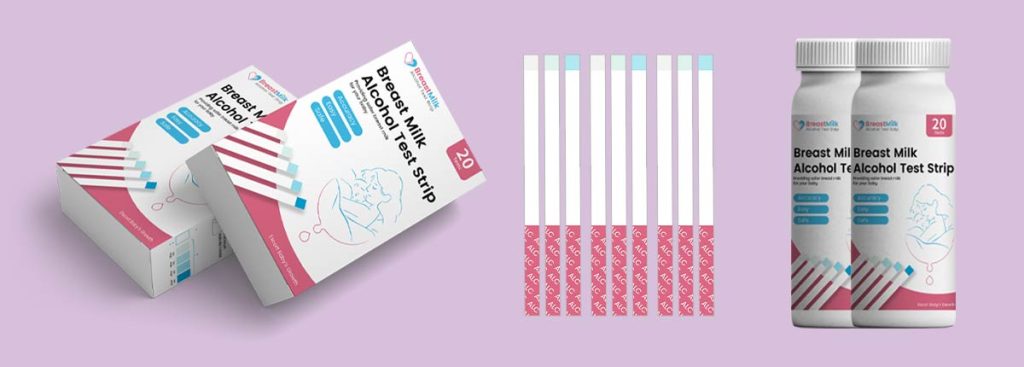
Parents can use a breast milk alcohol test strip to check alcohol in breast milk. These strips provide a simple way to measure alcohol before feeding. To use a test strip, a parent places a few drops of expressed milk on the strip. The color change indicates the presence of alcohol. This tool helps parents decide when it is safe to breastfeed.
Practical tips for managing alcohol and breastfeeding include:
- Limit alcohol intake to one drink or less per day.
- Eat something before drinking to slow alcohol absorption.
- Wait at least two hours after drinking before breastfeeding.
- Use a breast milk alcohol test strip to check alcohol levels if unsure.
These steps help reduce the effects of alcohol on infants and support healthy feeding. Monitoring time-to-zero and using test strips can give parents peace of mind. Research continues to improve understanding of how fat content and alcohol interact in breast milk. Parents who stay informed can make safer choices for their infants.
Breastfeeding, Alcohol and Infant Safety
Timing Feeds After Drinking
Breastfeeding mothers often ask when it is safe to nurse after consuming alcohol. Timing plays a crucial role in reducing alcohol exposure in breastfed infants. Alcohol in breast milk peak about 30 to 60 minutes after drinking. Alcohol can remain detectable in breast milk for two to three hours per drink. To minimize risk, mothers should wait at least two hours after a single standard drink before breastfeeding or expressing milk. Moderate alcohol consumption, up to one drink per day, does not harm infants if mothers follow the recommended waiting period. Nursing mothers who plan ahead can protect their infants by allowing enough time for alcohol to clear.
Waiting at least two hours after drinking before breastfeeding helps ensure infant safety.
Practical Tips for Parents
Parents can use several strategies to reduce alcohol exposure in breastfed infants. These tips help mothers maintain safe breastfeeding practices:
- Feed or pump before drinking to maximize the time until the next nursing session.
- Plan alcohol consumption right after a breastfeeding session.
- Use previously expressed milk for the next feeding if needed.
- Wait at least two hours per drink before nursing again.
- Pump for comfort and discard that milk if alcohol is still present.
- Stay hydrated and eat food with alcohol, though this does not speed up elimination.
- Trust your body and wait until you feel normal before breastfeeding.
Not drinking remains the safest option for breastfeeding mothers. Moderate and planned alcohol consumption, combined with careful timing, supports infant safety.
Effects on the Infant
Alcohol exposure in breastfed infants can cause short-term and long-term effects. The table below summarizes these impacts:
| Effect Type | Short-Term Effects | Long-Term Effects |
|---|---|---|
| Hormonal Impact | Disruption of prolactin and oxytocin levels | Reduced milk production with regular consumption |
| Infant Health | Potential damage to sleep patterns, development, growth | Casual use unlikely to cause significant issues |
International guidelines advise breastfeeding mothers to avoid alcohol due to risks to infant health and development. Alcohol in breast milk can reduce milk production and affect breastfeeding dynamics. Infants are especially vulnerable to alcohol exposure, so mothers should prioritize safety and follow recommended practices.
Myths About Fat and Alcohol in Breast Milk
Common Misconceptions
Many parents hear conflicting advice about alcohol and fat in breast milk. Some believe that fat content can trap alcohol in milk or that drinking alcohol boosts milk production. Others think alcohol helps babies sleep better. These ideas spread quickly through social media and parenting forums. People often repeat these myths without checking scientific facts.
Parents should question popular claims and seek reliable information from health professionals.
The following list highlights frequent misconceptions:
- Alcohol stays in breast milk for hours or gets stored.
- Drinking alcohol increases milk supply.
- Alcohol helps infants sleep more soundly.
- Fat content in milk prevents alcohol from reaching the baby.
These beliefs can lead to unsafe feeding practices. Parents who rely on myths may expose their infants to unnecessary risks.
What Science Says?
Researchers have studied how alcohol interacts with breast milk. Scientific evidence shows that alcohol does not get stored in breast milk. As blood alcohol levels drop, alcohol in breast milk also decrease. Drinking alcohol actually lowers milk production. Polysaccharides in barley, not alcohol, stimulate prolactin and milk supply. Babies who breastfeed after their mothers drink alcohol sleep less and spend less time in REM sleep.
The table below summarizes scientific findings that contradict common myths:
| Myth | Evidence Contradicting the Myth |
|---|---|
| Alcohol is stored in breast milk | Alcohol in breast milk drop as blood alcohol levels drop, not stored. |
| Drinking alcohol increases milk production | Alcohol decreases milk production; polysaccharides in barley, not alcohol, stimulate prolactin. |
| Alcohol helps babies sleep | Infants sleep less after breastfeeding from mothers who consumed alcohol, spending less time in REM sleep. |
Science shows that fat content in breast milk does not shield infants from alcohol exposure. Alcohol moves freely in the water portion of milk, and fat content only slightly affects concentration.
Parents who understand these facts can make safer choices. Reliable information helps protect infant health and supports confident breastfeeding.
Conclusion
- Fat content in breast milk influences how alcohol clears from milk and affects infant safety.
- Alcohol levels in breast milk mirror those in the bloodstream, peaking 30 to 60 minutes after consumption.
- Waiting at least two hours after a single drink before breastfeeding reduces risk.
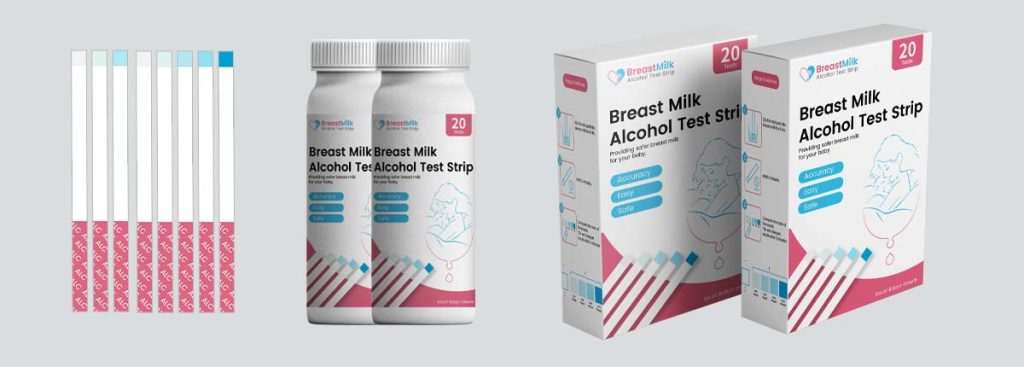
- Practical tools like test strips help parents check alcohol levels.
- Only time lowers alcohol in breast milk; pumping and discarding does not speed clearance.
Parents who understand these facts can make safer choices. Knowledge empowers families to protect their infants and support healthy breastfeeding.
FAQ
Does Pumping and Dumping Remove Alcohol from Breast Milk?
No, pumping and dumping does not speed up alcohol removal. The body processes alcohol over time. As blood alcohol levels drop, so do levels in breast milk. Only time clears alcohol from milk.
How Accurate Are Breast Milk Alcohol Test Strips?
Test strips provide a quick estimate of alcohol in breast milk. They help parents decide when to feed. Strips may not detect very low levels. For best results, follow the instructions on the package.
Can a High-Fat Diet Prevent Alcohol from Reaching The Baby?
A high-fat diet does not stop alcohol from entering breast milk. Alcohol dissolves mainly in the water part of milk. Fat content only slightly lowers alcohol concentration. The safest choice is to wait before breastfeeding.
How Long Should Parents Wait After Drinking Before Breastfeeding?
Parents should wait at least two hours after one standard drink. More drinks require more time. Waiting reduces the amount of alcohol in breast milk and protects the infant.
Does Alcohol Affect Milk Supply or Infant Feeding?
Alcohol can lower milk production and change the taste of milk. Some infants may feed less after the mother drinks alcohol. Parents should monitor feeding and wait before nursing.