


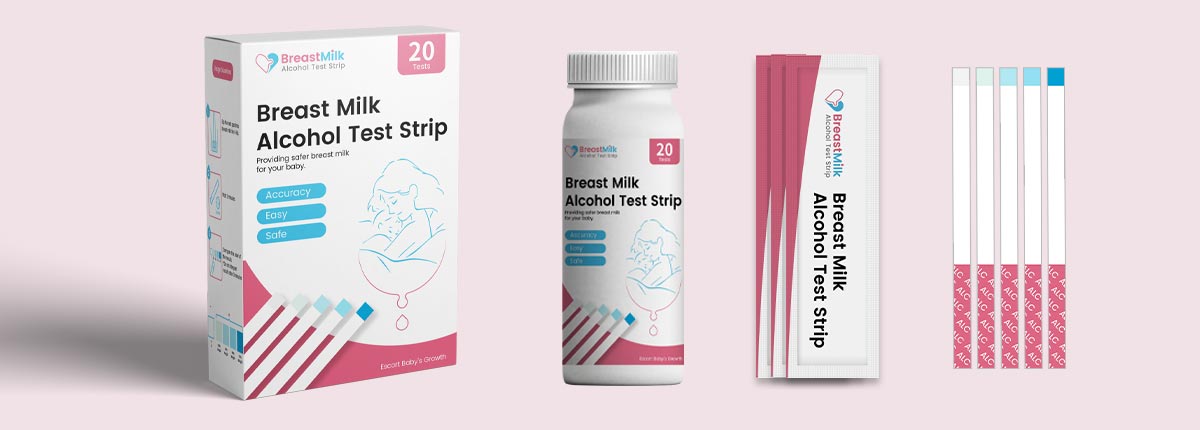
A breast milk alcohol test strip helps parents check for alcohol in breast milk before feeding their baby. Many breastfeeding parents use this tool to gain peace of mind after consuming alcohol. The strip quickly shows if breast milk contains alcohol, supporting safe feeding decisions. This simple method provides reassurance and helps protect the health of both parent and child.
Key Takeaways
- Breast milk alcohol test strip provides a quick way to check for alcohol in breast milk, ensuring safe feeding for babies.
- The strip changes color to indicate alcohol presence, making it easy for parents to interpret results in just two minutes.
- Using the strip can give parents peace of mind after consuming alcohol, helping them balance social life and breastfeeding.
- While the strip is user-friendly, they should not replace professional medical advice; consult healthcare providers for concerns.
- Timing is crucial; wait at least two hours after drinking before alcohol breast milk test to ensure safety for your baby.
What Is a Breast Milk Alcohol Test Strip?
Simple Definition
A breast milk alcohol test strip is a rapid, non-invasive tool designed to detect alcohol in breast milk. The strip contains a porous carrier matrix coated with a reagent that includes an alcohol oxidase enzyme and a hydrogen donor indicator. When a parent exposes the strip to breast milk, the reagent reacts with any alcohol present. The strip then changes color, allowing the user to compare the result against a color chart. This chart displays the intensity of alcohol in breast milk, often with a numerical scale and a clear safe/not safe warning.
| Component | Description |
|---|---|
| Purpose | Detects the presence and intensity of alcohol in breast milk. |
| Composition | Porous carrier matrix with alcohol oxidase enzyme and hydrogen donor indicator. |
| Functionality | Changes color upon contact with alcohol, compared to a color chart. |
| Additional Features | Numerical scale of blood alcohol concentration and safe/not safe warning. |
| Testing Method | Rapid, highly sensitive, and non-invasive. |
The breast milk alcohol test strip provides a straightforward way for parents to check for alcohol in breastmilk before feeding their baby. The color change offers a visual indication, making it easy to interpret the result.
Purpose for Breastfeeding Parents
Breastfeeding parents use breast milk alcohol test strip to ensure the safety of their baby after consuming alcohol. These strips help parents make informed decisions about feeding, especially when they are unsure about the presence of alcohol in breast milk. The test offers reassurance and supports responsible breastfeeding practices.
Many parents seek peace of mind, especially after social events or celebrations. The breast milk alcohol test strip allows them to check breast milk quickly and confidently. Some parents may avoid using alcohol testing strips due to concerns about reliability. Others may rely on timing or personal judgment instead of testing.
- Common reasons parents may not use breast milk alcohol test strip:
- Concerns about reliability of the test result.
- Preference for alternative methods to assess safety.
- Trust in personal judgment or timing since last alcohol consumption.
The breast milk alcohol test strip serves as a valuable tool for those who want extra assurance. It helps parents balance social life and breastfeeding responsibilities while prioritizing their baby’s health.
How Does Breast Milk Alcohol Test Strip Work?
Detection Mechanism
A breast milk alcohol test strip uses a chemical reaction to identify alcohol in breast milk. The strip contains a pad with special enzymes and indicators. When a person applies a few drops of breastmilk to the pad, the enzymes react with any alcohol present. This reaction triggers a visible change on the strip.
The process is quick and simple. Most alcohol testing strips require only a small sample. The user removes the strip after three seconds and waits for two minutes to see the result. The color-changing pad makes it easy to interpret the alcohol test. The following steps outline the typical procedure:
- Add a few drops of breast milk to the test pad.
- Remove the strip after three seconds.
- Wait exactly two minutes for the result.
- Observe the color change to determine the presence of alcohol.
This method allows breastfeeding parents to check for alcohol in breast milk before feeding their baby. The test provides an accurate result in a short time.
Color Change and Thresholds
Alcohol reast milk test strip uses color intensity to indicate the amount of alcohol in breast milk. The pad changes color based on the concentration detected. Each product sets a minimum detection level, often around 20 mg/dL. Some strips show a color change at or above 13.1 mg/dL. The table below summarizes detection thresholds and color indicators:
| Test Strip | Alcohol Concentration Thresholds | Color Change Indicator |
|---|---|---|
| Easy@Home Breastmilk Alcohol Test Strips | 0.02% (20mg/dL) to 0.30% (300mg/dL) | Intensity of blue color (darker indicates higher concentration) |
| Milkscreen Alcohol Test Strips for Breast Milk | At or above 13.1 mg/dL | Color change at 2 minutes indicates presence of alcohol |
A darker blue color signals a higher alcohol concentration. The user compares the pad to a color chart for an accurate result. This visual system helps parents make informed decisions about breastfeeding after alcohol consumption.
Accuracy and Limitations
Reliability of Alcohol Testing Strips
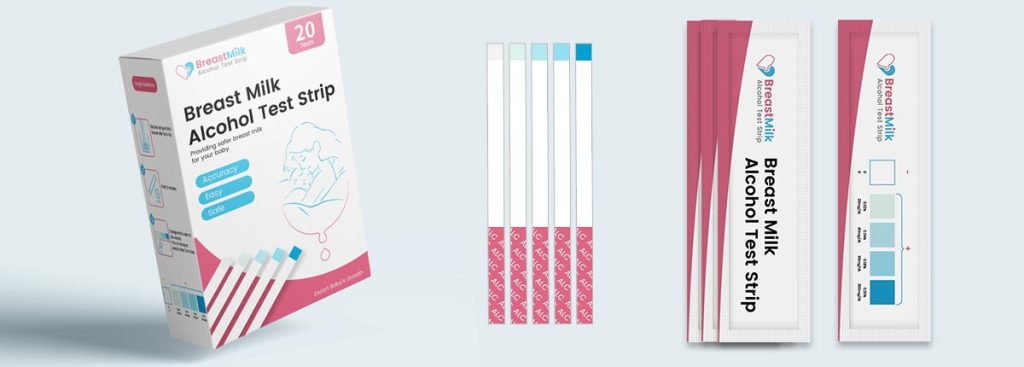
Manufacturers often claim that alcohol testing strips deliver over 99.9% accuracy. Many users find these strips easy to use and appreciate the clear instructions. Some report satisfaction with the product, stating they would use it again for safety when breastfeeding after alcohol consumption. However, health experts express skepticism about the reliability of these strips. The American Academy of Pediatrics notes that these products lack sufficient study and are unnecessary. A registered nurse and lactation consultant describes the strips as not accurate and a waste of money. Medical professionals recommend careful and limited alcohol intake rather than relying solely on these strips.
- Some health professionals question the accuracy of alcohol testing strips.
- Users appreciate the convenience and clarity of instructions.
- Satisfaction varies, with some parents trusting the strips for peace of mind.
False Positives and User Concerns
False positive results can occur with breast milk alcohol test strips. Technical or procedural errors during the testing process may lead to inaccurate readings. The presence of interfering substances, such as medications or certain foods, can also affect the outcome. Individual metabolism plays a role, making it possible for a negative result to not guarantee the absence of alcohol. Mothers may experience increased stress when a strip shows a positive result after minimal alcohol consumption.
Tip: Always follow the instructions carefully and consider other factors that may influence the test outcome.
What the Strips Can and Cannot Tell You?
Breast milk alcohol test strips offer several benefits:
| Feature | Description |
|---|---|
| Peace of Mind | Tests if milk is safe for the baby |
| Fast Results | Provides results in just 2 minutes |
| Convenient | Small and portable for testing anywhere |
| Easy to Read | Simple detection results |
| Highly Sensitive | Detects alcohol at levels of 0.02% BAC |
| User-Friendly | Clear instructions for use |
| Precise Results | Indicates alcohol amount and clearance time |
Breastfeeding alcohol test helps parents make quick decisions about feeding. It does not replace professional medical advice or guarantee complete safety. Limitations include the potential for false positives and lack of comprehensive study. Experts recommend using these strips as a supplementary tool, not as the sole method for determining breast milk safety.
Safety and Breastfeeding Considerations
When to Use a Test Strip?
Breastfeeding women often wonder when to use a test after drinking alcohol. Experts recommend waiting before testing breast milk. The following steps help guide breastfeeding mums:
- Wait at least 2 hours after consuming one standard drink before pumping or breastfeeding.
- For each additional drink, add another 2 hours to the waiting period.
- Use a reliable alcohol test strip designed for breast milk to check for alcohol presence.
Timing plays a key role in reducing risk. Breastfeeding and alcohol safety guidelines suggest that mums should breastfeed or pump first before drinking. This approach helps minimize alcohol exposure for babies.
Actions After a Positive Result
If a test strip shows a positive result, breastfeeding women should take specific actions to protect the health of babies. The following points outline recommended steps:
- Alcohol leaves breast milk as it leaves the bloodstream, so pumping and dumping is unnecessary.
- Retest breastmilk after a couple of hours to check if alcohol has cleared.
- A positive result does not mean severe impairment; strips detect very low alcohol levels.
- Consider the timing of alcohol consumption in relation to breastfeeding to maximize clearance time.
- Newborns are more sensitive to alcohol, so extra caution is needed.
Health risks for infants can arise if breastfeeding continues after a positive alcohol test. Chronic heavy drinking may cause hormonal imbalances, sedation, and developmental issues. Some infants have developed metabolic disorders due to excessive maternal alcohol intake, which resolved when the mother stopped drinking. Long-term studies show that children exposed to more than two drinks per day may face lower academic success and developmental challenges. Regular alcohol consumption above recommended limits can decrease milk supply and lead to sleep, growth, and developmental problems.
Additional Safety Tips
Breastfeeding mums can follow these safety tips to reduce risks:
- Plan to drink right after a breastfeeding session to minimize alcohol in breast milk.
- Use tools like the InfantRisk Center’s calculator to estimate alcohol clearance time.
- Keep previously pumped milk available for feeding if alcohol has been consumed.
- Consult healthcare professionals or lactation consultants if unsure about breastfeeding and alcohol.
- Store expressed breastmilk for occasions when drinking is planned.
- Wait for alcohol to clear from the system before nursing.
- Limit alcohol intake to one standard drink per day, as this is not believed to harm babies.
- The American Academy of Pediatrics advises consuming alcohol just after nursing or pumping.
These strategies help breastfeeding mums make informed choices and protect the health of babies.
Conclusion
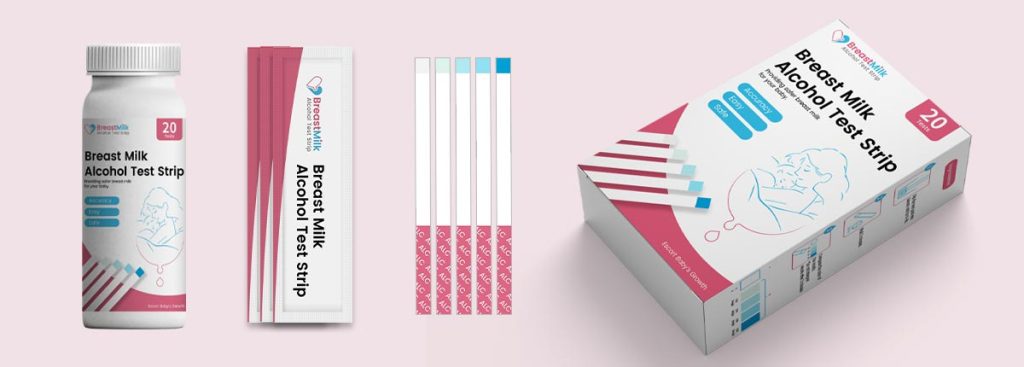
Breast milk alcohol test strip offers breastfeeding parents a quick and convenient way to check milk safety. The table below highlights their main benefits:
| Benefit | Description |
|---|---|
| Peace of Mind | Easily test breast milk for alcohol if milk is safe for the baby |
| 2 Minute Results | Fast detection results |
| Accurate | Science-backed results to avoid unnecessary pumping |
The strip helps parents make informed choices, but they do not replace advice from healthcare professionals. Parents should always consult experts if they have concerns. Making informed decisions supports every baby’s well-being.
FAQ
How Accurate Is Breast Milk Alcohol Test Strip?
Manufacturers claim high accuracy, often above 99%. User experiences vary. Health professionals recommend using strips as a supplementary tool, not as a sole method for safety.
Can Breast Milk Alcohol Test Strip Detect All Types of Alcohol?
Test strips detect ethanol, the type of alcohol found in beverages. They do not identify other substances or medications. Parents should consult healthcare providers for concerns about other chemicals.
How Long Does It Take to Get Results from a Test Strip?
Most test strips provide results within two minutes. The color change appears quickly, allowing parents to make timely decisions about feeding.
Do Test Strips Replace Medical Advice?
Test strips offer guidance but do not replace professional medical advice. Parents should seek help from healthcare providers for questions about breastfeeding and alcohol.
Tip: Always read instructions before using a test strip to ensure accurate results.
What Should Parents Do If the Test Strip Shows a Positive Result?
Parents should wait before breastfeeding and retest after some time. Alcohol leaves breast milk as it leaves the bloodstream. Consulting a healthcare provider ensures the best safety for the baby.
| Question | Quick Answer |
|---|---|
| Accuracy | Claims above 99% |
| Detection | Ethanol only |
| Result Time | About 2 minutes |
| Medical Advice | Does not replace professionals |
| Positive Result | Wait, retest, consult provider |