


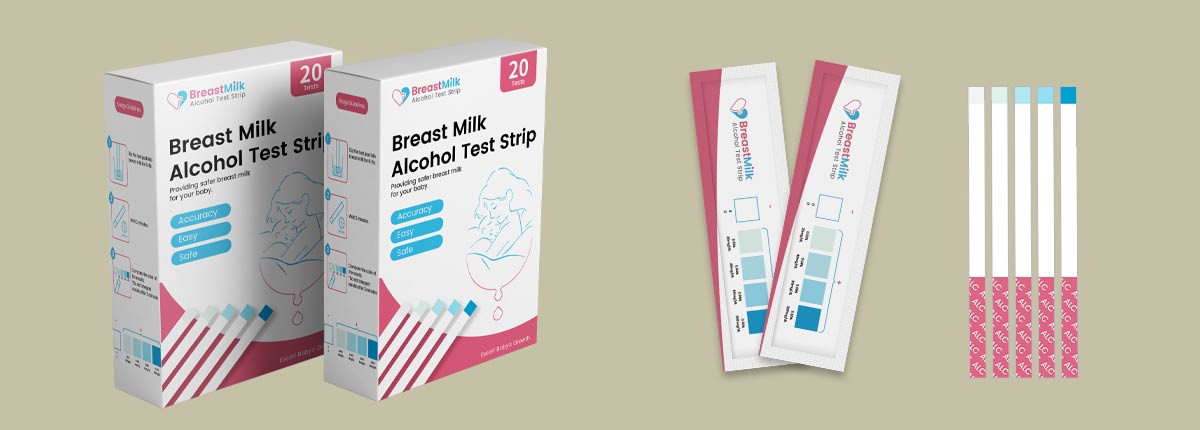
Many new parents ask if alcohol and breastfeeding can mix safely. The American Academy of Pediatrics (AAP) advises that mothers who drink occasionally do not need to stop breastfeeding, but they should wait two hours after having alcohol. The Centers for Disease Control and Prevention (CDC) stresses the importance of understanding how alcohol affects breast milk.
| Organization | Statement |
|---|---|
| AAP | Mothers who have occasional alcohol intake are not contraindicated from breastfeeding, but should wait two hours after consumption before breastfeeding. |
| CDC | Emphasizes understanding the effects of alcohol consumption while breastfeeding. |
Confusion remains common, as many women do not fully understand the risks. Clear information helps parents make healthy choices for their children.
Key Takeaways
- Mothers can drink alcohol occasionally while breastfeeding but should wait at least two hours after one drink before nursing.
- The CDC recommends limiting alcohol intake to one drink per day to minimize risks to infants.
- Alcohol passes into breast milk at similar levels as in the mother’s blood, peaking about 30 to 60 minutes after drinking.
- Pumping and dumping breast milk is not necessary after moderate drinking; waiting is sufficient for safety.
- Consulting a healthcare provider can help parents make informed decisions about alcohol and breastfeeding.
Alcohol and Breastfeeding: Official Guidelines
CDC Recommendations for Breastfeeding Mothers
The CDC provides clear recommendations for mothers who choose to consume alcohol and continue breastfeeding. The organization defines moderate alcohol consumption for women as up to one drink per day. Drinking while breastfeeding should be limited to this amount to reduce risks to the infant. The CDC also emphasizes the importance of timing. Mothers should wait at least two hours after consuming a single standard drink before breastfeeding. This waiting period allows the body to process and eliminate most of the alcohol from the bloodstream and breast milk.
| Recommendation | Duration |
|---|---|
| Wait to Breastfeed | 2 hours per drink |
The CDC highlights that alcohol passes into breast milk at similar concentrations as in the blood. The amount of alcohol in breast milk peaks about 30 to 60 minutes after consumption. For mothers who weigh more, the body may process alcohol slightly faster, but the general recommendation remains the same. The CDC also notes that excessive alcohol intake can harm both mother and baby. High levels of alcohol can lead to drowsiness in infants, affect their motor development, and reduce milk supply. Alcohol can also impair a mother’s judgment and caregiving abilities.
- The CDC recommends:
- Limiting alcohol intake to one drink per day.
- Waiting at least two hours after drinking before breastfeeding.
- Avoiding regular or heavy drinking to protect infant health.
AAP Advice on Infant and Toddler Health
The American Academy of Pediatrics (AAP) takes a cautious approach to alcohol and breastfeeding. The AAP advises against drinking alcohol while breastfeeding, but recognizes that occasional, moderate consumption may occur. If a mother chooses to drink, the AAP recommends waiting at least two hours before breastfeeding or pumping to minimize alcohol exposure to the infant.
The American Academy of Pediatrics states that no amount of alcohol is considered safe for an unborn child, emphasizing that prenatal alcohol exposure is the leading preventable cause of birth defects and intellectual disabilities in children. They highlight the risks of Fetal Alcohol Spectrum Disorders (FASD) and developmental issues, including problems with math, language, memory, and impulse control.
The AAP permits the occasional consumption of a single drink, but strongly discourages regular drinking. More than one drink daily is not considered safe. The AAP also warns that excessive alcohol can be harmful to the baby. It can cause drowsiness, interfere with motor skills, and reduce milk supply. Alcohol can transfer into breast milk and affect the baby’s sleep, growth, and development.
- The AAP guidelines include:
- Advising against alcohol use while breastfeeding.
- Permitting an occasional single drink, with a two-hour wait before breastfeeding.
- Strongly discouraging regular or heavy drinking.
- Warning that excessive alcohol can harm both mother and baby.
Both the CDC and AAP agree that minimizing alcohol intake is the safest choice for mothers and infants. Parents should follow these recommendations to protect their child’s health. When in doubt, consulting a healthcare provider can help families make informed decisions about breastfeeding and alcohol.
How Alcohol Affects Breast Milk and Infant Health?
Alcohol Transfer to Breast Milk
Alcohol and breastfeeding raise important questions about how substances move from a mother’s body to her baby. Alcohol passes directly from the mother’s blood into her breast milk. The concentration of alcohol in breast milk closely matches the mother’s blood alcohol level. This transfer happens quickly, with alcohol levels in milk peaking about 30 to 60 minutes after drinking. The dose of alcohol that reaches the milk is less than 16% of what the mother consumes.
| Key Point | Details |
|---|---|
| Transfer Mechanism | Alcohol transfers readily into human milk from maternal blood. |
| Timing of Peak Concentration | Levels in milk peak approximately 30 to 60 minutes after ingestion. |
| Decline of Alcohol Levels | Alcohol levels in milk decline rapidly if no further alcohol is consumed. |
| Relative Dose in Milk | The dose of alcohol in milk is less than 16% of the mother’s dose. |
| Blood Alcohol Level Decrease Rate | An average adult decreases blood alcohol levels by 15 to 20 mg/dL/hour. |
Several factors influence the amount of alcohol in breast milk. These include the mother’s blood alcohol level, her body weight, age, and overall health. Heavier individuals may process alcohol more quickly. The infant’s weight and ability to metabolize alcohol also play a role. Newborns process alcohol at about half the speed of adults, but older babies and toddlers clear it faster. Less than 2% of the alcohol a mother drinks reaches her milk.
Duration Alcohol Stays in Breast Milk
Many parents want to know how long alcohol stays in breast milk. After drinking alcohol while breastfeeding, alcohol levels in milk usually peak within 30 to 60 minutes. Alcohol can be detected in breast milk for about 2 to 3 hours after a single standard drink. The exact time depends on several variables, such as the amount of alcohol consumed, the mother’s metabolism, and her body weight.
- Alcohol can be detected in breast milk for about 2 to 3 hours after one standard drink.
- It takes about 2 hours for alcohol levels to decrease after consuming one drink.
- The timing of alcohol consumption affects how long alcohol stays in breast milk, especially if the mother drinks on an empty stomach.
| Factor | Description |
|---|---|
| Timing of Alcohol Consumption | Peak alcohol concentration in breast milk occurs about an hour after ingestion on an empty stomach. |
| Maternal Behavior | Many women reported moderating alcohol consumption and adjusting timing around breastfeeding. |
| Physiological Responses | Acute alcohol intake reduces maternal serum oxytocin levels, affecting milk ejection temporarily. |
| Feeding Type | Studies did not control for exclusive versus mixed feeding, complicating assessment of infant exposure. |
| Frequency of Alcohol Intake | Women consuming more than two drinks per day were nearly twice as likely to discontinue breastfeeding. |
The question of how long alcohol stays in breast milk matters for every nursing mother. Individual factors such as body weight, age, and metabolism affect how quickly alcohol leaves the body and milk. Genetic factors, liver health, and drinking habits also play a role. Mothers who plan to nurse should consider these variables when deciding when to breastfeed after drinking.
Impact on Infant and Toddler Health
Drinking alcohol while breastfeeding can affect infants and toddlers in both the short and long term. Short-term effects include reduced milk intake, disrupted sleep, and increased fussiness. Infants may drink about 20% less milk after their mothers consume alcohol. Alcohol in breast milk can shorten the total duration of infant sleep and cause more frequent waking. Some infants may cry more or seem more irritable in the hour after exposure.
- Infants consume less milk after mothers drink alcohol.
- Alcohol in breast milk can disrupt and shorten infant sleep.
- Increased fussiness and crying may occur after exposure.
Long-term exposure to alcohol through breast milk can affect motor development. Studies show that repeated exposure may result in slightly lower motor control in infants. However, no significant effect on cognitive development has been found. Some research links higher maternal alcohol consumption while breastfeeding to lower reasoning and academic scores in children, but these effects are dose-dependent. No significant association appears between moderate alcohol use during breastfeeding and developmental health outcomes at ages 6-7 or 10-11.
| Study Focus | Findings |
|---|---|
| Motor Development | Alcohol exposure via breast milk resulted in significantly lower motor control in infants. |
| Cognitive Development | No significant effect on mental development was found. |
| Conclusion | Alcohol in breast milk has a slight detrimental effect on motor development, but not on cognitive development. |
Parents should remember that newborns process alcohol slowly. Even small amounts can build up in their systems. For toddlers, the risk decreases as their bodies mature, but minimizing exposure remains important.
Using Breast Milk Alcohol Test Strips
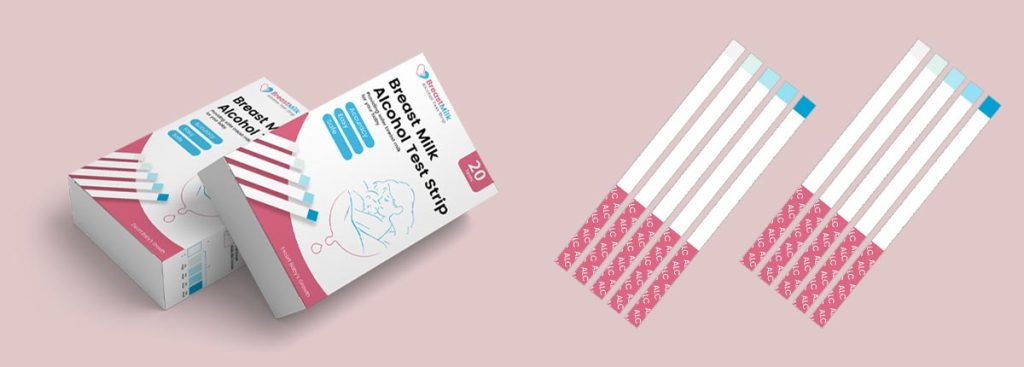
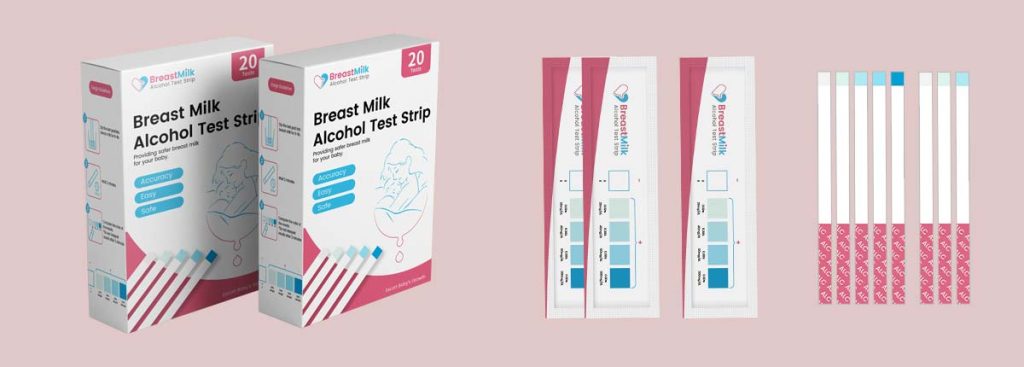
Some mothers use breast milk alcohol test strips to check for alcohol before nursing. These strips can detect the presence of alcohol, but they do not measure the exact amount. Laboratory testing provides more accurate results. Test strips may give false positives or negatives, making them less reliable for making decisions about breastfeeding and alcohol.
| Aspect | Test Strips | Laboratory Testing |
|---|---|---|
| Detection Capability | Can detect presence of alcohol | Measures exact alcohol concentration |
| Result Type | Positive/Negative | Specific alcohol levels |
| Reliability | Less reliable, potential false results | Highly reliable, validated results |
| Medical Validation | Lacks rigorous testing | Undergoes extensive validation |
The American Academy of Pediatrics states that alcohol breast milk test strips are unnecessary and have not been sufficiently studied. Many factors affect the reliability of these strips, including metabolism, the amount of alcohol consumed, body weight, and feeding schedule.
| Factor | Impact on Reliability |
|---|---|
| Metabolism | Faster metabolism clears alcohol sooner |
| Amount Consumed | More alcohol stays longer in milk |
| Body Weight | Heavier individuals may process alcohol differently |
| Feeding Schedule | Timing affects alcohol levels in milk |
| Experience | Frequent breastfeeding may improve clearance |
“There are lots of reasons why this test could be dangerous: alcohol might only stay in a woman’s system for 12 hours, but it can stay in a baby’s system for up to 72. This means there is a real danger of babies accumulating alcohol in their body.”
Mothers should not rely solely on test strips to decide when to nurse. The safest approach involves following official guidelines for drinking alcohol while breastfeeding, considering how long alcohol stays in breast milk, and planning feedings to minimize risk.
Practical Tips for Safe Breastfeeding
Timing After Drinking Alcohol
Timing plays a crucial role in breastfeeding and alcohol safety. Mothers who choose to drink alcohol while breastfeeding should follow a simple rule: wait at least two hours after consuming one standard drink before nursing. For each additional drink, they should add two more hours to the waiting period. Alcohol levels in breast milk peak about 30 to 60 minutes after drinking on an empty stomach and 60 to 90 minutes after drinking with food. Nursing immediately after drinking alcohol can increase the infant’s exposure. Parents can minimize risk by planning feedings and waiting the recommended time.
Quick Reference Table:
| Number of Drinks | Minimum Wait Time Before Nursing |
|---|---|
| 1 | 2 hours |
| 2 | 4 hours |
| 3 | 6 hours |
Is Pumping and Dumping Needed?
Many parents wonder if pumping and dumping breast milk is necessary after drinking alcohol while breastfeeding. Research shows that moderate alcohol intake does not require pumping and dumping. The alcohol concentration in breast milk matches the mother’s blood alcohol level and decreases over time. If a mother waits the recommended period before nursing, the milk will be safe for the infant. Pumping and dumping may be considered if alcohol is consumed in excess or if nursing must occur sooner than recommended. Expressing milk can relieve discomfort but does not speed up alcohol removal. Consulting a healthcare provider or lactation consultant helps ensure safety for infant and toddler health.
Planning for Infant and Toddler Health
Careful planning supports both infant and toddler health during breastfeeding and alcohol consumption. Parents can take several steps to reduce risk:
- Limit alcohol intake to occasional, small amounts.
- Breastfeed or pump before drinking alcohol to minimize exposure.
- Arrange for a sober adult to care for the baby if heavy drinking occurs.
- Avoid bed sharing or sleeping on a sofa or chair after drinking.
- Watch for changes in the infant’s behavior after nursing.
- Make empowered decisions by following guidelines for breastfeeding and alcohol.
These strategies help parents protect their child’s safety and support healthy parenting throughout the infant’s first year and beyond.
Conclusion
The CDC and AAP provide clear guidance for breastfeeding mothers who consider alcohol. The safest choice remains not drinking alcohol during breastfeeding. Moderate consumption, defined as up to one drink per day, does not show harm if mothers wait two hours before breastfeeding. The table below highlights these key points:
| Key Point | Description |
|---|---|
| Safest Option | Not drinking alcohol is the safest choice for breastfeeding mothers. |
| Moderate Consumption | Up to 1 drink per day is not known to be harmful to the infant. |
| Timing | Waiting two hours after a single drink before nursing helps reduce alcohol transfer. |
Mothers should minimize risk by making informed decisions about breastfeeding and alcohol. Consulting healthcare providers supports personalized advice. They can address questions about alcohol, breastfeeding, and infant health. Every parent deserves support and accurate information on this journey.
FAQ
How Much Alcohol Passes into Breast Milk?
Alcohol moves from the mother’s blood into her milk. The amount of alcohol in breast milk matches the blood alcohol level. Alcohol peaks in milk about 30 to 60 minutes after drinking. Alcohol leaves milk as it leaves the blood. Alcohol does not stay in milk longer than in blood.
Can Alcohol Affect a Baby’s Sleep or Behavior?
Alcohol can change a baby’s sleep patterns. Alcohol may cause shorter sleep and more waking. Alcohol can also make babies fussier. Alcohol can reduce the amount of milk a baby drinks. Alcohol may affect a baby’s motor skills if exposure happens often.
Is It Safe to Drink Alcohol While Breastfeeding If I Wait?
Waiting after drinking alcohol lowers the risk. Alcohol levels drop in breast milk as they drop in blood. Waiting two hours after one drink before breastfeeding reduces alcohol exposure. Alcohol clears faster in larger adults. Alcohol can still affect infants if mothers drink often.
Do I Need to Pump and Dump After Drinking Alcohol?
Pumping and dumping does not remove alcohol from the body. Alcohol leaves milk naturally as it leaves the blood. Alcohol will not stay in milk if the mother waits the right amount of time. Alcohol pumping may help with comfort but does not speed up alcohol removal.
What If I Accidentally Breastfeed After Drinking Alcohol?
Accidental breastfeeding after alcohol happens sometimes. Alcohol exposure from one drink is usually low. Alcohol effects depend on the amount and timing. Alcohol can cause mild sleep changes or fussiness. Alcohol exposure should be minimized. Alcohol risks increase with frequent or heavy drinking.