


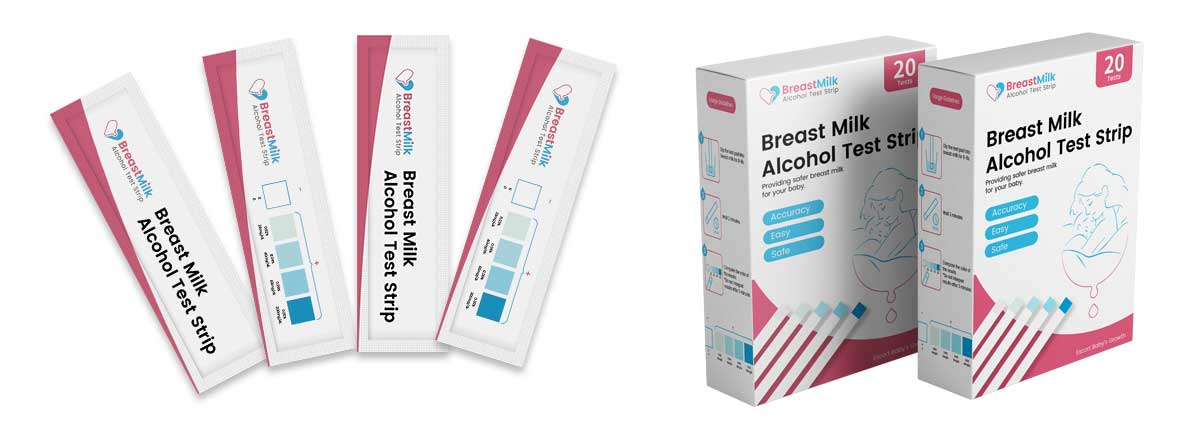
Many parents feel concerned about alcohol exposure during breastfeeding. An alcohol breast milk test strip shows a negative result when alcohol is not present at or above 13.1 mg/dL, while a positive result indicates alcohol at or above this level.
| Result Type | Alcohol Presence Level |
|---|---|
| Positive | Alcohol present at or above 13.1 mg/dL |
| Negative | Alcohol not present at that level |
Key Takeaways
- A negative result on an alcohol breast milk test strip means the milk is safe for feeding. No color change indicates alcohol is below the detection level.
- A positive result shows alcohol is present in the milk. Parents should wait before breastfeeding or consider pumping and dumping to reduce exposure.
- Timing matters! Wait at least two hours after drinking before breastfeeding to lower the risk of passing alcohol to the baby.
Alcohol Breast Milk Test Strip Results
Negative Result
A negative result on an alcohol breast milk test strip means that the alcohol concentration in the milk is below the detection threshold. Most alcohol testing strips, including popular brands, detect alcohol levels as low as 0.02%. When a breastfeeding mom or breastfeeding mum receives a negative result, the strip shows no color change within the recommended reading time. This outcome suggests that the milk is safe for feeding and that the effects on breastfed babies from alcohol exposure are unlikely.
Tip: Always follow the instructions on the breast milk test strips package. Reading the strip after the recommended time may lead to inaccurate results.
Positive Result
A positive result occurs when the alcohol concentration in breast milk meets or exceeds the detection limit of the test strip. The most common threshold for a positive reading is between 0.02% and 0.30%, as shown below:
| Test Strip | Detection Limit |
|---|---|
| Alcohol Breast Milk Test Strip | 0.02% to 0.30% |
| Easy@Home Breastmilk Alcohol Test Strips | 0.02% to 0.30% |
A color change on the strip within two minutes signals a positive result. Several factors can influence this outcome:
- Time since alcohol consumption affects the concentration in breast milk. Alcohol peaks 30-60 minutes after drinking.
- The amount of alcohol consumed increases the likelihood of a positive result.
- Body weight and metabolism play a role in how quickly alcohol leaves the system.
- Hydration can help the body process alcohol more efficiently.
- Eating food while drinking slows alcohol absorption.
- Frequent breastfeeding or discarding milk after drinking can reduce alcohol levels.
Health experts have raised concerns about the results accuracy of alcohol breast milk test strip. The American Academy of Pediatrics notes that these strips lack sufficient study and may not always provide reliable readings. Some lactation consultants recommend that breastfeeding moms and breastfeeding mums limit alcohol intake instead of relying solely on test strips.
Note: A positive result does not always mean the milk is unsafe, but it does indicate the presence of alcohol at or above the threshold. Consider waiting before breastfeeding or consult a healthcare provider for guidance.
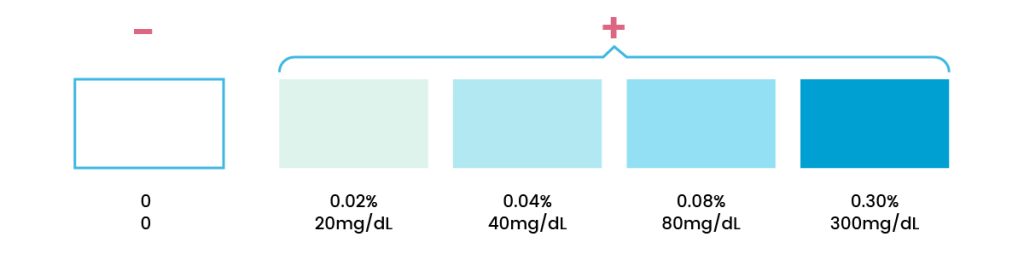
Color Guide for Breast Milk Test Strips
No Color Change
A negative result appears when the alcohol breast milk test strip shows no color change within two minutes. This means the alcohol concentration in the milk is below the detectable threshold. Most alcohol testing strips use a color guide to help parents interpret results. When no color appears, the milk is considered safe for breastfeeding. The effects on breastfed babies from alcohol exposure are unlikely in this case. Parents should always wait the recommended two minutes before reading the strip to ensure accuracy.
Tip: Always check the strip within the suggested time frame. Reading too early or too late may lead to incorrect interpretation.
Color Change Detected
A color change on breast milk test strips within two minutes signals a positive result. This indicates that alcohol is present at or above the threshold, usually 0.02% BAC (20 mg/dL). The intensity of the color can suggest how much alcohol remains in the milk and how long it may take to clear. The table below shows how color changes relate to alcohol concentration:
| Alcohol Concentration | Interpretation |
|---|---|
| 0.02% BAC (20 mg/dL) | Detectable level of alcohol in breast milk |
| Color Change | Indicates amount of alcohol and time for clearance |
Parents should use the color guide provided with the test strips for the most accurate reading. The color intensity may help estimate when it is safe to resume breastfeeding.
After Your Test
If Negative
A negative result from an alcohol breast milk test strip gives breastfeeding moms and breastfeeding mums peace of mind. They can continue breastfeeding without concern for the effects on breastfed babies. Most parents feel relieved when alcohol testing strips show no color change. This outcome means the milk is safe for feeding.
Tip: Store unused test strips in a cool, dry place to maintain accuracy for future tests.
Many parents choose to resume regular feeding schedules after a negative result. They do not need to wait or discard milk. If questions remain, they may contact a healthcare provider for reassurance.
If Positive
A positive result signals the presence of alcohol in breast milk. Parents should consider waiting before breastfeeding or use pumping and dumping to reduce exposure. The effects on breastfed babies can include decreased milk intake, sleep disturbances, increased fussiness, and possible long-term developmental impacts.
| Health Implication | Evidence |
|---|---|
| Decreased milk intake | Infants consume about 20% less milk during the immediate hours after maternal alcohol consumption. |
| Sleep disturbances | Small amounts of alcohol in milk disrupt and shorten total duration of infant sleep, leading to more fragmented sleep. |
| Increased fussiness | Infants were observed to be fussier and cry more frequently after consuming alcohol-containing milk. |
| Long-term developmental impacts | Limited data suggest a possible link between alcohol exposure during lactation and later academic performance. |
Parents may choose to wait until the alcohol clears from their system before breastfeeding again. They can use alcohol testing strips to retest after a few hours. Consulting a healthcare professional helps parents make informed decisions about feeding and safety.
Timing and Accuracy
When to Test?
Choosing the right time to use an alcohol breast milk test strip helps parents get accurate results. Alcohol enters breast milk about one hour after a drink. To reduce the risk of passing alcohol to a baby, parents should wait at least two hours after drinking before breastfeeding. Many experts recommend drinking just after breastfeeding or pumping. This strategy allows more time for alcohol to leave the body before the next feeding. Ideally, waiting four hours between drinking and the next feeding or pumping session increases safety.
- Alcohol reaches breast milk about one hour after consumption.
- Waiting at least two hours after drinking before breastfeeding lowers risk.
- Drinking after breastfeeding or pumping gives the body more time to process alcohol.
- Four hours between drinking and feeding or pumping is considered safest.
Tip: Parents who practice pumping and dumping may use test strips to check when milk is free of alcohol.
Reliability
Several factors influence the reliability of alcohol breast milk test strips. Individual metabolism affects how quickly alcohol leaves the body. The amount of alcohol consumed changes how long it remains in breast milk. Body weight also impacts how fast alcohol clears from the system. The timing of feeding and drinking matters, as it determines how much alcohol is present during breastfeeding. Experience with breastfeeding may help the body process alcohol more efficiently.
| Factor | Impact on Reliability |
|---|---|
| Metabolism | Faster metabolism clears alcohol sooner |
| Amount Consumed | More alcohol stays longer in milk |
| Body Weight | Heavier individuals may process alcohol differently |
| Feeding Schedule | Timing affects alcohol levels in milk |
| Experience | Frequent breastfeeding may improve clearance |
Note: Test strips provide a useful guide, but parents should consider these factors for the most accurate results.
Conclusion
Alcohol breast milk test strip helps parents make informed choices. Key points include:
- Limit alcohol to 8 oz wine or two beers.
- Wait at least two hours before breastfeeding.
- If safe to drive and care for a baby, breastfeeding is generally safe.
| Resource | Description |
|---|---|
| La Leche League International | Offers evidence-based guidance on alcohol and breastfeeding. |
| InfantRisk Center | Provides expert support and safety resources. |
Parents should consult healthcare professionals for further questions. Support remains available for every family.
FAQ
How Accurate Are Alcohol Breast Milk Test Strips?
Test strips provide a general estimate. They may not detect very low alcohol levels. Parents should consult healthcare professionals for specific concerns.
Can Parents Use Test Strips for Every Feeding?
Parents may use test strips as needed. Frequent testing helps monitor alcohol levels. Experts recommend limiting alcohol intake for safety.
What Should Parents Do If the Strip Shows a Positive Result?
Parents should wait before breastfeeding. Retesting after a few hours helps ensure milk safety. Healthcare professionals offer guidance for individual situations.