


No amount of alcohol is safe during pregnancy for a baby’s brain development. Many people ask if small amounts might be harmless. Recent data show that alcohol use during pregnancy remains common worldwide. The table below highlights the prevalence in different regions:
| Region/Country | Prevalence of Alcohol Use During Pregnancy |
|---|---|
| Global (1984-2014) | 9.8% |
| Ireland | 20% – 80% |
| Australia, New Zealand, UK | 40% – 80% |
| United States (18-44 years) | 53.6% (any use), 18.2% (binge drinking) |
| Pregnant Women (US) | 10.2% (any use), 3.1% (binge drinking) |
| Recent (2011-2018, US) | Current drinking increased from 9.2% to 11.3% |
Alcohol’s Impact affects both prenatal and postnatal development. Parents deserve clear, research-backed answers.
Key Takeaways
- No amount of alcohol is safe during pregnancy. Avoiding alcohol completely protects your baby’s brain development.
- Even small amounts of alcohol can harm a developing baby. Research shows that low-level exposure can lead to lasting brain and behavior issues.
- Alcohol affects brain development at every stage of pregnancy. The safest choice is to abstain from alcohol throughout the entire pregnancy.
- Paternal alcohol use can also impact a baby’s brain. Fathers should avoid alcohol before conception to support healthy development.
- If you drink for breastfeeding, wait at least two hours before nursing. This helps reduce the risk of alcohol exposure to your baby.
Is Any Alcohol Safe During Pregnancy?
No Safe Level for Child’s Brain Development
Major health organizations, including the Centers for Disease Control and Prevention (CDC), state that there is no known safe amount of alcohol consumption during pregnancy. Any exposure can increase the risk of fetal alcohol spectrum disorders and other negative outcomes for the baby. Research consistently shows that even minimal alcohol exposure can cause significant changes in the developing brain. The following table summarizes key findings from recent studies:
| Level of Exposure | Observed Effects on Brain Development |
|---|---|
| No exposure | Typical brain structure and function |
| Minimal exposure | Noticeable neuroanatomical changes |
| Low to moderate exposure | Increased risk of behavioral and cognitive problems |
| Heavy or binge exposure | High risk of fetal alcohol spectrum disorders (FASD) |
Studies confirm that no completely safe level of alcohol consumption during pregnancy exists. The safest choice for expectant mothers is to avoid drinking alcohol entirely.
Why Small Amounts Still Cause Harm?
Many people believe that small amounts of alcohol will not harm a developing baby. However, recent research challenges this idea. Longitudinal studies have tracked children exposed to low levels of alcohol before birth and found measurable effects on their brains and behavior.
- A study in JAMA Network Open found that even one drink per week during pregnancy can alter brain structure in children. MRI scans revealed deficiencies in areas linked to behaviors such as aggression and hyperactivity.
- Another study followed 108 children with low-level prenatal alcohol exposure (about one drink per week). These children showed higher scores on behavioral checklists, indicating more problems compared to children with no exposure. The differences persisted over four years, highlighting the lasting impact of even small amounts of alcohol.
- Research reviews show mixed results for executive function, but most studies report negative effects on emotional regulation, especially with heavier drinking. Some studies suggest possible protective effects at very low levels, but these findings remain inconsistent and do not outweigh the risks.
Note: The safest approach is to avoid all alcohol consumption during pregnancy. Even small amounts can have unpredictable effects on a child’s brain development.
Alcohol’s Impact on Brain Development
How Prenatal Alcohol Exposure Affects the Brain?
Alcohol’s impact on the fetus begins early in pregnancy. Even low levels of alcohol exposure can change the structure and function of the developing brain. Researchers have found that alcohol disrupts neuroplasticity, which is the brain’s ability to adapt and form new connections. This disruption affects both the fetus and, later, the child. The following table summarizes recent findings:
| Key Findings | Description |
|---|---|
| Impact on Neuroplasticity | Alcohol exposure reduces the brain’s ability to reorganize and grow. |
| Neural Crest Development | Ethanol harms neural crest cells, which are vital for brain and facial formation. |
| Disruption of Neurogenesis | High or chronic alcohol exposure leads to long-term brain deficits. |
Prenatal alcohol exposure can cause growth deficits, abnormal facial features, and cognitive impairments. The fetus may show poor concentration and behavioral issues. Timing matters: early exposure can lead to major abnormalities, while later exposure affects growth and brain development. Heavy prenatal alcohol or heavy drinking during pregnancy increases the risk of irreversible brain damage.
Paternal Alcohol Use and Brain Development Problems
Alcohol’s impact on the fetus does not come only from the mother. Studies show that a father’s alcohol use before conception can cause growth defects in the brain and face of the fetus. Male alcohol exposure can change sperm, leading to altered brain development and behavioral issues in the child. These changes may include delays in motor skills and differences in behavior between boys and girls. Heavy prenatal alcohol from either parent raises the risk of long-term problems for the fetus.
Alcohol in Breast Milk and Test Strips
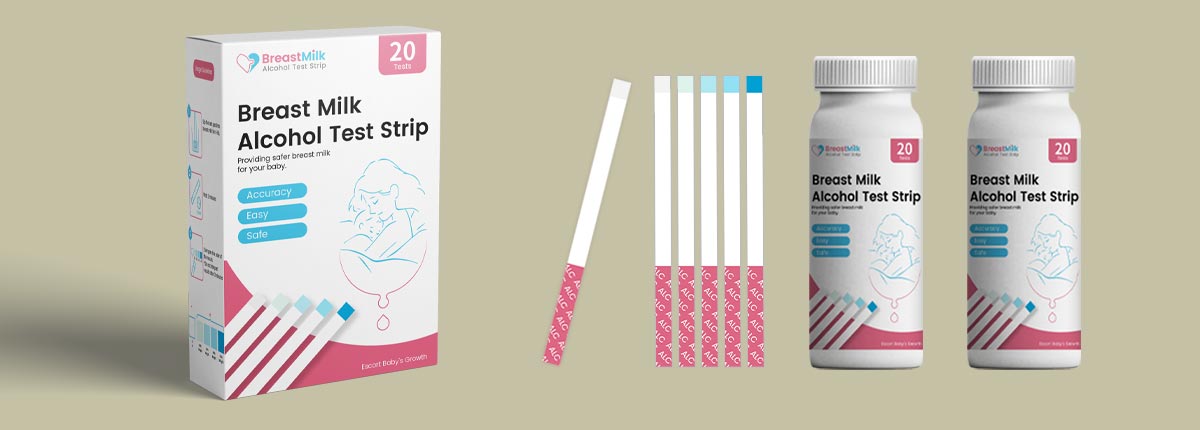
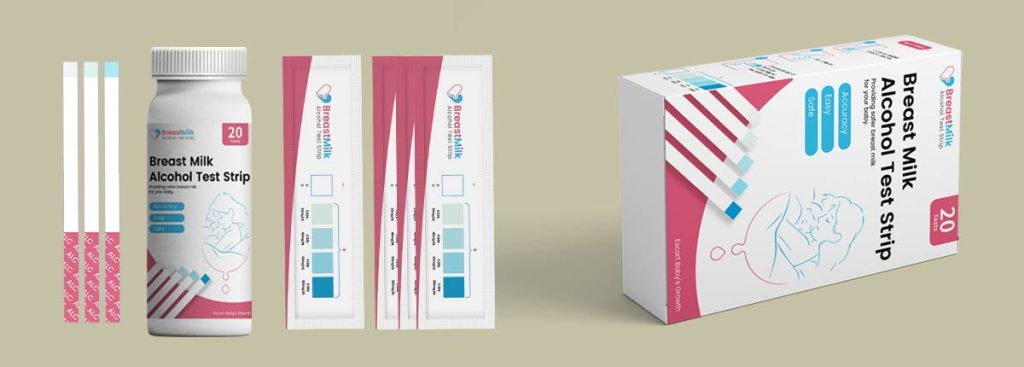
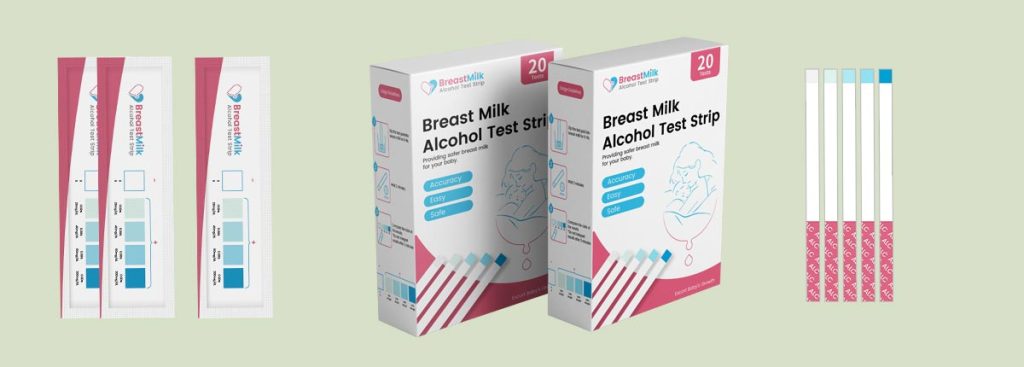
After birth, alcohol exposure can continue through breastfeeding. Alcohol passes into breast milk and reaches the fetus, now an infant. Some parents use a breast milk alcohol test strip to check for alcohol levels. However, experts question the accuracy of these strips. They often provide only a rough estimate and may miss low levels of alcohol, which still pose risks to brain development. The American Academy of Pediatrics and lactation consultants do not recommend relying on alcohol breast milk test strip. The safest choice is to avoid alcohol while breastfeeding to protect the infant’s brain.
Prenatal Alcohol Exposure Risks
Fetal Alcohol Syndrome and Brain Damage
Fetal alcohol syndrome represents one of the most severe outcomes of prenatal alcohol exposure. This syndrome includes a range of physical, cognitive, and behavioral problems. Epidemiological studies identify several common risks associated with alcohol exposure during pregnancy:
- Fetal alcohol syndrome
- Reduction in birth weight
- Behavioral effects
- Other late effects
The prevalence of fetal alcohol syndrome and related brain damage varies across regions. The table below shows estimates for different populations:
| Region | Prevalence Estimate (PE) | 95% Confidence Interval (CI) |
|---|---|---|
| European Region (EUR) | 25.2% | 21.6%–29.6% |
| Americas Region (AMR) | 11.2% | 9.4%–12.6% |
| African Region (AFR) | 10.0% | 8.5%–11.8% |
| Western-Pacific Region (WPR) | 8.6% | 4.5%–11.6% |
| South-East Asia Region (SEAR) | 1.8% | 0.9%–5.1% |
| Eastern-Mediterranean Region (EMR) | 0.2% | 0.1%–0.9% |
Structural and Functional Brain Changes
Children exposed to alcohol prenatally often experience significant changes in brain structure and function. Alcohol acts as a teratogen, disrupting normal fetal development. Researchers observe the following effects:
- Cognitive and psychosocial deficits
- Alterations in brain structure and function
- Deficits in intellectual functioning, attention, working memory, executive skills, and academic skills
- Abnormalities in white matter and multiple brain systems
- Relationships between morphological differences and cognitive function
- Changes in neurotransmitter metabolite concentrations
- Differences in brain activation during working memory, learning, and inhibitory control tasks
These changes can affect a child’s ability to learn, remember, and regulate behavior. The clinical significance of these findings highlights the importance of avoiding alcohol during pregnancy.
Timing and Continuous Risk Throughout Pregnancy
Alcohol exposure poses risks to the fetal brain at every stage of pregnancy. The timing of exposure influences the type and severity of damage. Early exposure increases the risk of major structural abnormalities, while later exposure affects growth and brain function. Continuous risk exists because the fetal brain develops throughout pregnancy. No period is considered safe for alcohol consumption. Health professionals recommend complete abstinence from alcohol to prevent fetal alcohol syndrome and related brain damage.
Tip: Protecting the fetal brain means avoiding alcohol at all stages of pregnancy. Even small amounts can lead to lifelong consequences.
Brain Development Problems and Outcomes
Learning and Memory Deficits
Children exposed to alcohol before birth often face challenges with learning and memory. These problems can appear early and continue as the child grows. Research shows that children with heavy prenatal alcohol exposure struggle most with verbal tasks.
Children with heavy prenatal alcohol exposure exhibit significant learning and memory deficits, particularly in verbal tasks. They were found to be impaired in free recall but not in recognition memory, indicating specific areas of memory functioning that are affected. Additionally, they showed deficits in verbal fluency tasks, especially in letter fluency, suggesting broader impacts on language-related memory processes.
These defects can make it hard for a child to remember instructions, learn new words, or perform well in school. Teachers and parents may notice that the child forgets information quickly or has trouble expressing ideas.
Behavioral and Emotional Issues
Alcohol exposure during pregnancy and breastfeeding can lead to a range of behavioral and emotional problems. These issues often appear in infancy and can last into childhood. The table below highlights common problems linked to alcohol exposure:
| Behavioral/Emotional Issues | Description |
|---|---|
| Central Nervous System Dysfunction | Signs include jitteriness, irritability, autonomic instability, increased activity levels, and sleep disturbances at birth. |
| Childhood Depression | Early irritability and poor mother-child interactions in heavily exposed infants predicted higher levels of depression at age 6. |
| Insecure Attachment Behaviors | 80% of children in the moderate-heavy alcohol exposure group displayed insecure attachment behaviors. |
| Increased Infant Irritability | Infants exposed to alcohol showed high levels of irritability, which can lead to maladjustment in attachment. |
| Disturbed Sleep Patterns | Alcohol-exposed infants exhibited significant sleep disturbances compared to matched controls. |
| Feeding Difficulties | Infants showed feeding difficulties, indicating early problems in state regulation. |
These defects affect how a child interacts with others and handles emotions. Many children with prenatal alcohol exposure show signs of irritability, sleep problems, and trouble forming secure attachments.
Long-Term Effects on Child’s Brain Development
Long-term effects of prenatal alcohol exposure can be severe and lasting. Studies supported by the National Institutes of Health reveal that heavy drinking during pregnancy disrupts proper brain development in children. These children often show static growth in brain regions, especially in the parietal cortex, which controls attention and movement planning. They also display lower intelligence and a higher risk of developmental disorders, including fetal alcohol spectrum disorder. These defects can limit a child’s ability to reach their full potential and may require lifelong support.
Early prevention and support can help reduce the impact of brain development problems caused by alcohol exposure.
Myths and Misconceptions
“A Little Won’t Hurt”—The Facts
Many people believe that small amounts of alcohol during pregnancy do not harm fetal health. Surveys show that 30% of women think any alcohol intake is harmless, and 21.2% of female drinkers consider low quantities safe. However, research tells a different story. Health organizations such as the CDC, ACOG, and WHO agree that no amount of alcohol consumption is safe during pregnancy. Complete abstinence remains the only way to eliminate the risk of fetal alcohol spectrum disorders. Even two units of alcohol per day can increase the risk of low birth weight, which links to further developmental problems. These facts highlight the importance of avoiding all alcohol consumption to protect fetal health.
Experts recommend zero alcohol consumption during pregnancy for the best outcomes.
Is Any Trimester Safe?
Some people ask if there is a safe time for alcohol consumption during pregnancy. National health organizations, including the American Academy of Pediatrics and the CDC, recommend complete abstinence from alcohol during all trimesters. Studies show that any alcohol consumption, even at low levels, can increase the risk of adverse outcomes such as spontaneous abortion, especially in the first trimester. Each additional week of alcohol exposure during the first trimester raises the risk of miscarriage. Fetal health faces risks at every stage, so the safest choice is to avoid alcohol throughout pregnancy.
Breastfeeding and Alcohol Myths
Misconceptions about alcohol and breastfeeding are common. Some believe that mothers cannot drink while breastfeeding. Others think that “pumping and dumping” is necessary after drinking. Research shows that alcohol peaks in breast milk 30-60 minutes after consumption, at levels similar to those in the mother’s blood. Moderate alcohol consumption does not significantly affect breastfeeding duration unless heavy drinking occurs. Chronic alcohol consumption may have serious effects on infant development, especially in the early months. Alcohol does not help with milk production. Mothers should prioritize infant and fetal health by limiting or avoiding alcohol consumption during breastfeeding.
- Common myths:
- You cannot drink alcohol if breastfeeding.
- Pumping and dumping removes alcohol from milk.
- Alcohol boosts milk production.
- Facts:
- One drink, followed by a two-hour wait, usually allows safe breastfeeding.
- Alcohol leaves breast milk as it leaves the bloodstream.
- Alcohol does not increase milk supply.
Protecting Your Child’s Brain Development
Steps to Avoid Alcohol Exposure
Parents can take several steps to prevent alcohol exposure and protect a baby’s brain. Early abstinence remains the most effective strategy. Health professionals recommend stopping alcohol use before conception and maintaining complete abstinence throughout pregnancy. The following table outlines practical steps for parents:
| Practical Steps for Parents | Description |
|---|---|
| Complete Abstinence | Avoid taking alcoholic beverages during pregnancy. |
| Early Abstinence | Stop alcohol consumption from the first day of pregnancy. |
| Pre-Pregnancy Planning | Cease drinking while trying to conceive and during pregnancy. |
| Breastfeeding Considerations | Wait 2 hours per standard drink before breastfeeding to minimize alcohol in breast milk. |
These steps help reduce the impact of alcohol on a baby’s brain and lower the risk of negative effects.
Using Breast Milk Alcohol Test Strips Safely
Some parents use a breast milk alcohol test strip to check for alcohol levels before feeding their baby. Experts advise caution with these strips. They may not detect low levels of alcohol, which can still impact the baby’s brain. Parents should not rely solely on test strips. Waiting the recommended time after drinking remains the safest approach. If unsure, parents can express and store breast milk in advance to avoid exposing the baby to alcohol.
Tip: Use breast milk alcohol test strip as a supplementary tool, not as a guarantee of safety.
What to Do If You’ve Consumed Alcohol?
Immediate actions can help minimize the impact of alcohol on a baby’s brain. Parents should plan ahead to reduce exposure. They can store expressed breast milk before drinking. Breastfeeding immediately before consuming alcohol and waiting about three hours before nursing again helps lower the risk. If breasts become full while waiting, parents should express or pump and discard the milk. Alcohol moves between the bloodstream and breast milk, so waiting for the alcohol to clear is effective. Pumping and dumping is not necessary if parents wait the appropriate time.
Resources and Support
Support services help families manage the effects of alcohol exposure. Children with fetal alcohol spectrum disorders often struggle with attention and self-regulation. Early intervention programs improve outcomes. Families Moving Forward and Parent-Child Assistance Program offer coaching and education. The Step-by-Step Program provides mentors for parents. Schools may offer support through the Individuals with Disabilities Education Improvement Act. Caregivers can access resources to prevent burnout and promote healthy development.
Early support and intervention can reduce the impact of alcohol on a baby’s brain and improve long-term outcomes.
Conclusion
No amount of alcohol is safe for a baby’s brain structure or development. Studies show that early drinking can cause lasting consequences for the child’s growth and increase the risk of future alcohol problems. Parents and caregivers can protect children by making informed choices and seeking support when needed.
Recent guidelines stress the importance of abstaining from alcohol during pregnancy and breastfeeding to prevent abnormal brain development.
Next steps for families include:
- Talk to a doctor about any concerns.
- Assess the child’s needs and document observations.
- Consider an evaluation for fetal alcohol spectrum disorders.
Helpful resources:
| Source | Description |
|---|---|
| SAMHSA | Public health efforts for behavioral health. |
| NCSACW | Resources for families affected by substance use. |
| CDC | Information on substance use during pregnancy. |
| OWH | Women’s health topics, including substance use. |
| NIAAA | Research on alcohol and health. |
| MCHB | Health of mothers, children, and families. |
| FindTreatment.gov | Treatment locator for substance use disorders. |
| MedlinePlus | Information on pregnancy and substance use. |
| Women’s Health.gov | Alcohol and drug use information for women. |
FAQ
What Is Fetal Alcohol Spectrum Disorder?
Fetal alcohol spectrum disorder describes a group of conditions that result from maternal alcohol exposure during pregnancy. These conditions include fasd, which can cause learning problems, behavioral issues, and physical abnormalities.
How Does Maternal Alcohol Exposure Affect a Baby’s Brain?
Maternal alcohol exposure can disrupt brain development. It may lead to fasd, brain and facial defects, and alcohol-related birth defects. These changes can affect memory, attention, and emotional regulation.
Can FASD Occur with Low Levels of Alcohol?
Fasd can develop even when a mother drinks small amounts of alcohol. Research shows that no safe level exists. Any exposure increases the risk of fetal alcohol spectrum disorders and alcohol-related birth defects.
What Are the Long-Term Impact of Heavy Prenatal Alcohol Exposure?
Heavy prenatal alcohol exposure can cause fasd and severe brain and facial defects. Children may experience lifelong learning difficulties, behavioral challenges, and physical health problems.
How Are Alcohol-Related Birth Defects Diagnosed?
Doctors diagnose alcohol-related birth defects by observing physical signs, developmental delays, and behavioral symptoms. They may use medical history and screening tools to identify fasd and other fetal alcohol spectrum disorders.