


Parents often seek greater precision when using an alcohol breast milk test. Health authorities in 2025 highlight the importance of understanding risks and adopting harm reduction strategies. Many parents face challenges such as inconsistent advice and misleading practices like “pump and dump.” To achieve reliable results, they should focus on these essential steps:
- Wait the recommended time after consuming alcohol
- Collect samples using clean, uncontaminated containers
- Handle and label samples properly
These actions help ensure parents receive the most accurate results possible.
Key Takeaways
- Wait at least 2 hours after consuming one standard drink before testing breast milk. This timing improves test accuracy.
- Use clean, uncontaminated containers for sample collection. Proper hygiene prevents measurement errors.
- Label each sample with the date and time of collection. Accurate labeling helps maintain data integrity.
- Take multiple measurements at different times after alcohol consumption. This practice increases reliability and precision.
- Avoid foods and drinks that may interfere with test results, such as kombucha or mouthwash. This helps maintain test sensitivity.
Timing and Alcohol Breast Milk Test Accuracy
Timing After Drinking
The timing of alcohol intake plays a crucial role in the sensitivity and specificity of an alcohol breast milk test. Recent studies show that the timing of alcohol consumption relative to feeding was not always measured, which makes it difficult to determine the exact amount of ethanol available for the infant. This gap can affect the accuracy of testing and the reliability of results. Researchers found that acute exposure to alcohol in mothers’ milk changed infants’ sleep–wake patterns. Infants whose mothers consumed alcohol during lactation slept for shorter periods immediately after alcohol intake. These findings highlight the importance of understanding how timing influences both sensitivity and specificity in testing.
Tip: Parents should consider the timing of alcohol consumption and feeding to improve the sensitivity and specificity of their alcohol breast milk test.
Best Time to Test for Precision
Testing breast milk at the right time increases both sensitivity and specificity, leading to greater accuracy and precision. Experts recommend waiting at least 2 hours after consuming one standard drink before pumping or breastfeeding. For each additional drink, another 2 hours should be added to the waiting period. This approach helps ensure that the sensitivity and specificity of the test remain high, reducing the risk of false positives or negatives. Parents who follow these guidelines can expect more reliable results from their alcohol breast milk test.
- Wait at least 2 hours after one drink before testing.
- Add 2 hours for each additional drink.
- Test when the recommended waiting period has passed for optimal sensitivity and specificity.
Choosing the best time for testing not only improves accuracy but also protects infant health. Parents who understand the relationship between timing, sensitivity, and specificity can make informed decisions and trust their results.
Sample Collection and Improve Lab Accuracy
Clean Collection Methods
Clean collection methods play a vital role in ensuring the accuracy of alcohol breast milk test. Researchers have shown that improper collection can introduce errors in measurement, affecting both sensitivity and specificity. Parents should always use sterile containers and avoid touching the inside surfaces. This practice reduces the risk of introducing foreign substances that could alter the measurement. Consistent use of clean equipment helps maintain the precision of the test and supports the validity of the results.
Tip: Always wash hands thoroughly before handling any collection materials to improve lab accuracy.
Avoiding Contamination
Contamination remains a significant concern during breast milk sample collection. Even small amounts of external substances can impact sensitivity and specificity, leading to unreliable measurement. The following table summarizes findings from recent studies on contamination risks:
| Study | Findings |
|---|---|
| Rowe et al. (2013) | Evaluated 12 women who ingested 0.3 g/kg of ethanol; mean maximum concentration of ethanol in milk was 320 mg/L within 4 hours. Ingestion of 1.5 g/kg significantly reduced milk production and constant consumption of 21 drinks daily caused psychomotor delay in infants. |
| American Academy of Pediatrics (2020) | Alcohol consumption during breastfeeding has no safe dose and decreases milk production, posing risks to infant health. |
| Lawrence et al. (2016) | Identified traces of drugs in some milk samples; consumption of toxic substances presents a high risk for newborns as drugs can reach breast milk. |
These findings highlight the importance of preventing contamination to protect both the sensitivity and specificity of the measurement. Parents should avoid using containers that previously held other substances. They should also ensure that all surfaces and tools are free from residues. Proper technique supports data validity and helps ensure that the measurement reflects the true alcohol content.
Proper Labeling and Handling
Proper labeling and handling of samples contribute directly to the accuracy and reliability of testing. Each sample should include the date, time, and any relevant notes about alcohol consumption. Accurate labeling prevents mix-ups and supports the integrity of the data. When handling samples, parents should seal containers immediately after collection to prevent exposure to air or contaminants. Consistent handling procedures enhance both sensitivity and specificity, ensuring that the measurement remains stable from collection to analysis.
- Label each sample with date and time.
- Store samples in a clean, cool environment.
- Avoid repeated freezing and thawing, as this can affect measurement.
Accurate sample management not only improves lab accuracy but also strengthens the precision and validity of the results. Reliable data supports informed decisions and protects infant health.
Test Kit Calibration and Diagnostic Testing Accuracy
Importance of Calibration
Calibration forms the foundation of diagnostic testing accuracy in alcohol breast milk analysis. Reliable measurement depends on the ability to calibrate and maintain equipment. Modern calibration technology has advanced rapidly. Wearable sensors now allow for real-time monitoring of chemicals in breast milk, improving both sensitivity and specificity. These devices collect small samples and send readings directly to smartphones, supporting informed decisions about breastfeeding.
This pioneering wearable sensor addresses a significant gap in technology for monitoring chemicals in breast milk, ensuring safer feeding practices for infants by allowing mothers to monitor acetaminophen levels effectively.
Recent advancements in calibration technology for breast milk alcohol test strip include the development of a wearable electrochemical sensor that allows for rapid and frequent measurement of acetaminophen in breast milk. This device is designed to be worn over the breast and samples milk throughout the day, providing a user-friendly solution for nursing mothers.
The wearable sensor built into the lactation pad collects small amounts of breast milk and sends real-time readings to the user’s smartphone, enabling informed decisions about breastfeeding and medication exposure.
These innovations reduce human variability and increase the precision of diagnostic testing accuracy. Consistent calibration ensures that measurement systems analysis produces sound experimental conclusions. The breast milk alcohol test strip also benefits from these improvements, as regular calibration minimizes variability and supports accurate diagnostic exam results. Proper calibration enhances both positive predictive values and negative predictive values, making diagnostic tools more reliable.
Sensitivity of Test Strips
Sensitivity and specificity remain critical diagnostic test metrics for any breast milk alcohol test strip. High sensitivity allows the detection of even low concentrations of alcohol, while high specificity ensures that only alcohol triggers a positive result. The following table summarizes the sensitivity levels and detection ranges of popular test strips:
| Product Name | Sensitivity Level | Detection Range |
|---|---|---|
| Exploro At Home Breast Milk Alcohol Test Strips | 0.02% BAC (20 mg/dL) | Detects low concentrations of alcohol |
| Pregmate Alcohol Breast Milk Tests | 0.02% to 0.30% | Color change indicates alcohol presence |
| UpSpring MilkScreen Test Strips | Detects alcohol | Color change on contact with alcohol in milk |
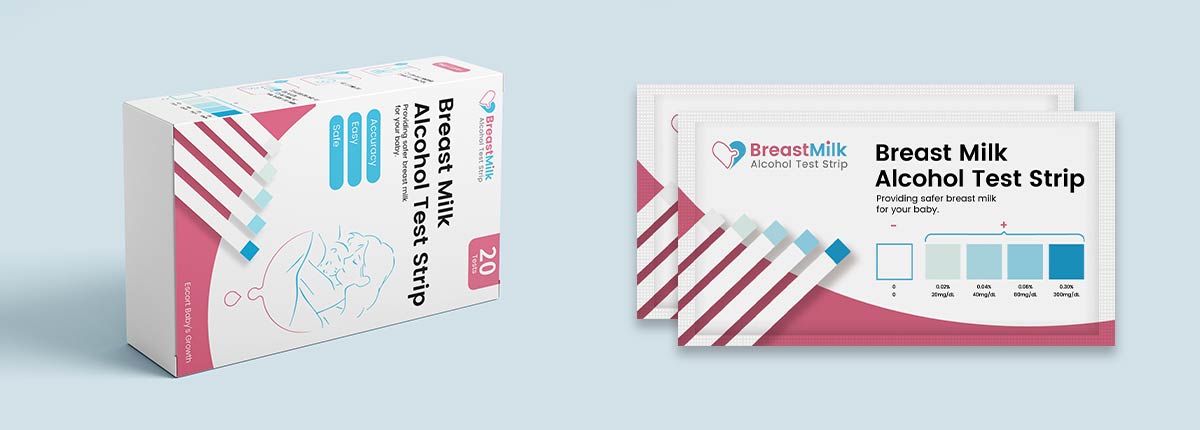
Test strips use a color change to indicate alcohol presence. Results range from light blue at 0.02% to dark blue at 0.30%. The UpSpring MilkScreen test strips use a reactive pad that changes color when exposed to alcohol-containing breast milk. This visual cue helps parents interpret diagnostic exam results quickly and accurately.
Sensitivity and specificity must remain balanced. High sensitivity ensures that even small amounts of alcohol are detected, while high specificity prevents false positives. Measurement systems analysis evaluates these properties to ensure diagnostic testing accuracy. Variability in strip performance can affect both sensitivity and specificity, so manufacturers must monitor and control these factors during production.
Environmental Factors
Environmental factors can influence diagnostic testing accuracy and the reliability of measurement. Both physiologic and external factors affect sensitivity and specificity. Researchers conduct tests in controlled environments, such as private, quiet rooms, to minimize these influences.
- Environmental factors can influence infant feeding behaviors.
- Physiologic factors affecting both mother and infant can interfere with test accuracy.
- Tests were conducted in a controlled environment (private, quiet room) to minimize these influences.
Measurement systems analysis considers environmental variability when evaluating diagnostic tools. Temperature, humidity, and light exposure can all impact the performance of an alcohol breast milk test strip. Diagnostic testing accuracy improves when users store and use test kits according to manufacturer guidelines. Consistent environmental conditions support sound experimental conclusions and reduce measurement variability.
Diagnostic testing accuracy depends on the interplay of calibration, sensitivity, specificity, and environmental factors. Regular calibration, careful measurement systems analysis, and attention to environmental variability ensure that diagnostic exam results remain reliable. These steps help parents trust the precision and accuracy of their breast milk alcohol test strip, supporting safe feeding decisions.
Interfering Substances and Accuracy
Medications and Chemicals
Many medications and household chemicals can influence the sensitivity and specificity of alcohol breast milk test. Some over-the-counter drugs, such as cough syrups or pain relievers, contain alcohol or other compounds that may interfere with the test’s sensitivity. Prescription medications can also affect specificity by causing false positives or negatives. Cleaning agents or residues from breast pumps may introduce substances that alter sensitivity. Parents should always check ingredient labels and consult healthcare professionals before using any medication while breastfeeding.
Note: Healthcare providers recommend recording all medications and chemicals used before testing to help interpret results accurately.
Food and Drink Effects
Certain foods and beverages can impact the sensitivity and specificity of breast milk alcohol test. Fermented foods like yogurt, kombucha, or sauerkraut may contain trace amounts of alcohol, which can affect sensitivity. Energy drinks and herbal teas sometimes include ingredients that interfere with specificity. Even mouthwash or flavored water can introduce substances that change sensitivity. Parents should avoid consuming these items before testing to maintain precision.
A quick reference table helps parents identify common foods and drinks that may interfere:
| Item | Possible Effect on Test |
|---|---|
| Kombucha | Alters sensitivity |
| Mouthwash | Reduces specificity |
| Herbal tea | Affects specificity |
| Yogurt | Changes sensitivity |
Common User Errors
User errors remain a leading cause of reduced sensitivity and specificity in breast milk alcohol testing. Failing to follow instructions can lower sensitivity, while improper timing can decrease specificity. Using expired test strips or contaminated containers often leads to inaccurate results. Parents sometimes misinterpret color changes, which affects both sensitivity and specificity. To improve accuracy and precision, parents should:
- Read all instructions before testing.
- Use fresh, uncontaminated test strips.
- Avoid eating or drinking unfamiliar products before testing.
- Double-check timing for optimal sensitivity and specificity.
Tip: Careful attention to each step in the testing process helps ensure reliable results and protects infant health.
Quality Control and Precision
Multiple Measurements
Researchers recommend that parents take multiple measurements when using alcohol breast milk test. This approach increases both sensitivity and specificity by reducing the impact of random errors. When individuals take multiple measurements, they can compare the values and identify any outliers. Consistency across multiple measurements supports higher precision and helps confirm the accuracy of the results. Experts suggest that parents take multiple measurements at different times after alcohol consumption. This practice allows for a better understanding of how alcohol levels change over time and improves the reliability of each measurement.
- Take multiple measurements at intervals to monitor changes.
- Record each measurement to track sensitivity and specificity.
- Compare multiple measurements to spot inconsistencies.
Quality Control Procedures
Quality control procedures play a key role in maintaining sensitivity and specificity during testing. Laboratories often use control samples to check the reliability of their measurement systems. At home, parents can follow similar steps by using fresh test strips and clean containers for each measurement. They should store test kits according to manufacturer instructions to avoid environmental factors that could affect sensitivity or specificity. Regularly checking expiration dates on alcohol strips for breast milk also helps maintain measurement quality. These steps ensure that each measurement reflects true alcohol levels and supports precise results.
Tip: Consistent quality control procedures help reduce errors and improve both sensitivity and specificity in every measurement.
Appropriateness of Testing Method
The choice of testing method directly affects sensitivity, specificity, accuracy, and precision. Some experts, such as Maria Parlapiano, have expressed concerns about the reliability of breastmilk alcohol test strips, stating that they are not accurate and may not provide value. Dr. Maya Bunik has emphasized that careful and limited alcohol consumption remains the safest approach for breastfeeding mothers. The American Academy of Pediatrics has noted that milk test strips are unnecessary and lack sufficient study. However, some brands, like Exploro Breast Milk Alcohol Test Strips, claim to deliver 99.99% accuracy by using enzymatic methods similar to laboratory screening.
- Some experts question the sensitivity and specificity of test strips.
- Laboratory-based measurement methods often provide higher sensitivity and specificity.
- Parents should consider the appropriateness of the testing method for their needs.
Selecting the right testing method ensures that sensitivity and specificity remain high, and that measurement results are trustworthy.
Step-by-Step Checklist for Alcohol Breast Milk Test
Pre-Test Preparation
- Wash hands thoroughly with soap and water.
- Use a clean, dry container to collect breast milk.
- Express milk directly onto the test pad or dip the pad into a small portion of milk.
- Make sure the test strip and all materials remain uncontaminated.
- Record the time and date of collection for accurate measurement.
Tip: Preparing all materials in advance helps improve the accuracy and precision of the alcohol breast milk test.
During the Test
- Saturate the test pad with breast milk by following the instructions on the package.
- Remove the test strip after three seconds.
- Tap off any excess milk from the test pad.
- Place the test strip on a clean, flat surface.
- Wait exactly two minutes before reading the results.
Note: Consistent timing during testing supports reliable measurement and reduces errors.
After the Test
- Compare the test pad to the provided color card to interpret the results.
- Record the outcome and any observations in a notebook or digital tracker.
- Dispose of the used test strip safely.
- Store any remaining breast milk samples in a clean, cool place if further measurement is needed.
- Clean all equipment thoroughly before the next use.
Parents who follow each step carefully can trust the alcohol breast milk test for dependable results and better infant safety.
Conclusion
Parents can improve accuracy of alcohol breast milk test by following clear steps. They should use clean collection methods, label samples carefully, and follow the recommended timing for testing. Test strips offer a quick way to check for alcohol, as they change color based on concentration. Some strips may vary in precision, and medical professionals note that these products are not FDA-approved. Parents should use test strips alongside established guidelines to interpret results with confidence.
FAQ
How Accurate Are Alcohol Breast Milk Test Strips?
Most test strips provide reliable results when users follow instructions. Sensitivity and specificity depend on the brand and proper use. Some experts question their accuracy, so parents should use them as a guide and consult healthcare professionals for concerns.
Can Medications Affect Test Results?
Yes. Many medications, including over-the-counter drugs, may interfere with test strip sensitivity. Parents should check ingredient labels and record all medications before testing. Healthcare providers can help interpret results if medications are involved.
What Should Parents Do If the Test Shows Alcohol?
If a test shows alcohol, parents should wait before breastfeeding. Alcohol levels in breast milk decrease over time. Experts recommend waiting at least two hours per standard drink. Parents can use this time to monitor and retest if needed.
Do Foods or Drinks Change Test Accuracy?
Certain foods and drinks, such as kombucha or mouthwash, may affect test results. These items can introduce trace alcohol or chemicals. Parents should avoid consuming such products before testing to maintain accuracy.
How Should Parents Store Test Strips?
Proper storage helps maintain test kit accuracy. Parents should keep test strips in a cool, dry place away from sunlight. Always check expiration dates and seal containers tightly after each use.