


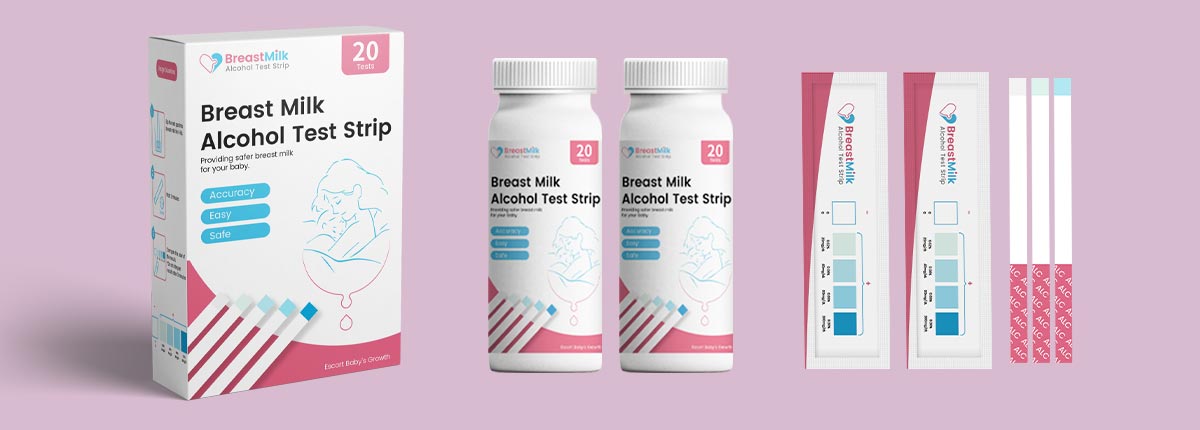
Many breastfeeding mothers wonder if any amount of alcohol is truly safe. Health experts define low-risk drinking for breastfeeding as drinking in moderation—usually up to one standard drink per day. Timing plays a key role in safety. Waiting at least two hours after drinking before nursing helps reduce alcohol in breast milk. Breast milk alcohol test strips offer extra reassurance for those seeking peace of mind.
- Recent surveys show:
- About 8.5% of breastfeeding mothers consume alcohol.
- The percentage varies with the baby’s age and education level.
- Common concerns include mixed messages about low-risk drinking, effects on babies, and changing recommendations.
Key Takeaways
- Moderate drinking is defined as up to one standard drink per day for breastfeeding mothers. This amount is generally considered safe for infants when proper timing is followed.
- Wait at least two hours after consuming alcohol before breastfeeding. This allows the body to metabolize alcohol, reducing exposure to the baby.
- Newborns process alcohol more slowly than older infants. It’s safest to avoid alcohol until the baby is at least one month old.
- Using breast milk alcohol test strips can provide reassurance, but timing and moderation are the most reliable methods for ensuring safety.
- If a baby shows signs of distress after alcohol exposure, seek medical advice immediately. Monitoring the baby closely is essential.
Low-Risk Drinking Guidelines
Alcohol Limits for Breastfeeding
Health authorities agree that moderation is key for breastfeeding mothers who choose to drink. Most guidelines recommend limiting alcohol consumption to up to one standard drink per day. This amount is not believed to be harmful to the baby when mothers follow proper timing and precautions. The following table summarizes current clinical recommendations:
| Recommendation | Details |
|---|---|
| Maximum Alcohol | Up to 1 standard drink per day |
| Safety Note | Not believed to be harmful to your baby |
Understanding what counts as a standard drink helps mothers make informed choices. Different countries define a standard drink in specific ways. The table below outlines these definitions:
| Country | Definition of a Standard Drink |
|---|---|
| United States | One standard drink contains roughly 14 grams of pure alcohol, found in: 12 oz of beer (5% alcohol), 5 oz of wine (12% alcohol), 1.5 oz of distilled spirits (40% alcohol). |
| United Kingdom | The NHS suggests using a unit calculator for understanding alcohol units. |
Lactation experts generally agree that occasional alcohol consumption in moderation is safe during breastfeeding. They emphasize that mothers should always consider the age of their infant. Newborns have immature livers and process alcohol at about half the rate of adults. Older infants can metabolize alcohol more efficiently and are less vulnerable to its effects.
Tip: The safest approach is to avoid alcohol until the baby is at least one month old, especially for mothers of newborns.
Timing and Precautions
Timing plays a crucial role in minimizing the risk of alcohol exposure during nursing. Alcohol passes from the bloodstream into breast milk, reaching its highest level about 30 to 60 minutes after drinking. To reduce the risk, mothers should follow these practical guidelines:
- Wait at least 2 hours after consuming a single standard drink before breastfeeding or expressing milk.
- For each additional drink, delay nursing or pumping for another 2 hours per drink.
- Moderate alcohol consumption (up to 1 standard drink per day) is not known to be harmful to the infant if mothers wait at least 2 hours after drinking.
The Centers for Disease Control and lactation experts both stress the importance of this waiting period. It allows the liver to metabolize the alcohol, making breast milk safer for the baby. Mothers should always consider the age of their child. Newborns are more sensitive to alcohol, while older infants can handle small amounts more efficiently.
- Newborns detoxify alcohol at about half the rate of adults.
- Older infants process alcohol more quickly and are less vulnerable.
Drinking in moderation, combined with careful timing, helps protect the baby from potential risks. Exceeding recommended limits can lead to problems such as disrupted sleep patterns, poor weight gain, and developmental delays. Mothers should always prioritize safety and follow established guidelines for alcohol consumption while breastfeeding.
Alcohol Effects on Breast Milk
How Alcohol Passes to Milk?
Alcohol enters breast milk through a simple biological process. Ethanol, the chemical name for alcohol, moves easily across cell membranes. The transfer from the bloodstream to breast milk depends on concentration. Alcohol in breast milk mirrors the mother’s blood alcohol levels in real time.
- Alcohol passes quickly into breast milk after consumption.
- Alcohol in breast milk peak about 30 to 60 minutes after drinking.
- The concentration in breast milk matches the mother’s blood alcohol levels.
The time alcohol remains detectable in breast milk depends on the amount consumed. Health organizations recommend waiting before breastfeeding to reduce exposure.
| Number of Drinks | Time Alcohol Is Detectable In Breast Milk |
|---|---|
| 1 drink | 2-3 hours |
| 2 drinks | 4-5 hours |
| 3 drinks | 6-8 hours |
Mothers who consume one standard drink should wait at least two hours before breastfeeding. Some experts suggest waiting three hours for added safety. Alcohol levels in breast milk drop as the body metabolizes alcohol.
Note: Alcohol in breast milk peaks within the first hour after drinking. Waiting before breastfeeding helps protect infants from exposure.
Impact on Baby and Milk Supply
Alcohol can affect infants and breast milk production in several ways. Even low to moderate alcohol intake may influence infant development and behavior.
| Effect Type | Description |
|---|---|
| Growth | Some infants exposed to alcohol show slower growth in the first months. Deficits in height and head circumference can persist for years. |
| Intellectual Function | Children whose mothers drank alcohol moderately during pregnancy may experience challenges in arithmetic, attention, and working memory. |
| Behavioral Issues | Increased impulsivity, aggression, and social problems have been reported in children with alcohol-related neurodevelopmental disorder. |
Excessive alcohol intake can reduce breast milk production and change its composition. Recent studies show that high alcohol consumption lowers milk supply and may alter nutrients in breast milk. Mothers who breastfeed should manage their alcohol intake to avoid these risks.
Tip: Limiting alcohol and following recommended waiting periods helps maintain healthy milk supply and supports infant growth.
Alcohol affects breastfeeding in many ways. It can disrupt sleep patterns and feeding routines for infants. Higher alcohol levels in breast milk increase the risk of developmental delays and behavioral issues. Mothers should prioritize safety and follow guidelines to protect their babies.
Safety Tips for Breastfeeding Mothers
How to Breastfeed After Drinking?
Lactation consultants recommend several safe ways to compromise when mothers choose to drink while breastfeeding. They suggest feeding the baby or pumping milk about an hour before drinking. This timing allows mothers to enjoy a drink while minimizing alcohol exposure to the infant. After drinking, waiting at least two to three hours before breastfeeding again gives the body time to metabolize the alcohol. Pumping and dumping is not necessary for breastfeeding safety, as alcohol levels in breast milk decrease naturally over time. However, mothers may pump or hand express if their breasts become full before it is safe to nurse again. Keeping previously pumped milk on hand provides a backup feeding option for the baby.
Practical tips for drinking include planning to drink right after a breastfeeding session and arranging childcare if planning to have more than one drink.
Using Breast Milk Alcohol Test Strip
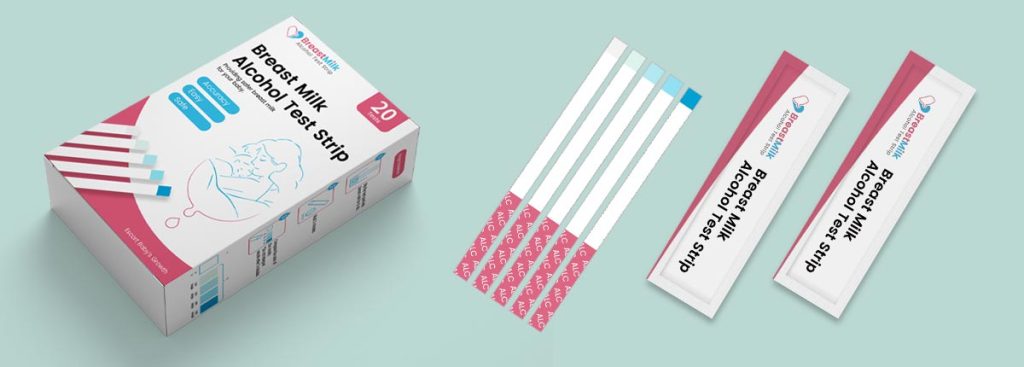
Some mothers use a breast milk alcohol test strip to check for alcohol in their milk. These strips change color to indicate the presence of alcohol, usually after two minutes of submersion. However, experts like registered nurse Maria Parlapiano and Dr. Maya Bunik note that these strips do not accurately reflect the amount of alcohol in breast milk. The American Academy of Pediatrics states that test strips are unnecessary and not well studied. Careful timing and moderation remain the most reliable strategies for breastfeeding safety.
Strategies to Minimize Risk
Mothers can follow several steps to reduce the risk of alcohol exposure to their infants:
- Feed the baby or pump before drinking.
- Limit alcohol to one standard drink per day.
- Wait at least two hours per drink before breastfeeding again.
- Store expressed milk for use if drinking.
- Avoid bed-sharing after drinking.
- Consult a healthcare professional if unsure about breastfeeding safety.
Everybody metabolizes alcohol differently, so these strategies help provide safe and practical tips for drinking while breastfeeding.
Signs of Alcohol Exposure in Babies
Symptoms to Watch for
Infants can show a range of symptoms after exposure to alcohol through breast milk. These symptoms may appear mild or more serious, depending on the amount and timing of exposure. Parents and caregivers should observe the baby closely for any unusual changes. Common symptoms include:
- Increased sleepiness or difficulty waking
- Poor feeding or trouble latching
- Weak sucking reflex
- Irritability or fussiness
- Unusual breathing patterns
- Vomiting
A table below summarizes findings from recent studies on the effects on babies and infants:
| Symptom Type | Description |
|---|---|
| Motor Development | Slight but significant delays in motor skills have been observed. |
| Growth | Some infants may experience slower growth in the first months. |
| Mental Development | No significant impact on mental development has been found. |
Low doses of alcohol, ranging from 0.5% to 3.3% of the maternal dose, pass into breast milk. The potential dose for infants can range from 3.0 to 58.8 mg, with an average of 13.4 mg. Health risks from a single dose remain low, but experts recommend postponing nursing for three hours after drinking. Long-term effects on infants are still unknown. Newborns are especially sensitive to these exposures.
Parents should limit noise and bright lights for infants who show symptoms. Extra skin-to-skin contact and gentle care can help soothe the baby.
When to Seek Help?
Caregivers should act quickly if a baby shows signs of distress after alcohol exposure. Pediatricians recommend the following steps:
- Stop nursing or pumping and discard any milk expressed within three hours of drinking.
- Seek emergency medical attention if the baby shows physical or emotional distress.
- Consult a healthcare provider or lactation specialist for guidance.
- Switch to formula feeding if needed until alcohol clears from the mother’s system.
- Consider professional support for alcohol use if necessary.
Long-term support may be needed for infants with developmental issues or organ damage. Early intervention can improve outcomes for affected babies. Parents should always prioritize the baby’s safety and consult professionals when unsure about the effects on babies or infants.
Conclusion
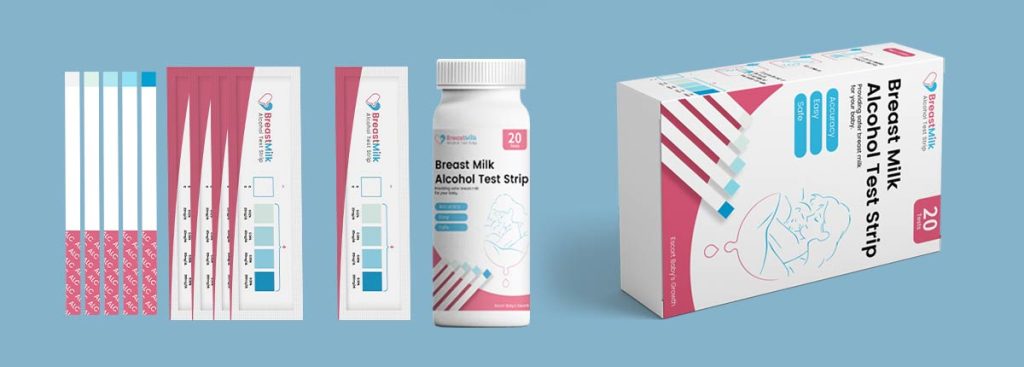
Current research highlights several important safety guidelines for drinking while breastfeeding. Mothers should keep drinking occasional and moderate, waiting at least two hours after drinking before nursing. Healthcare providers recommend timing feeds and using breast milk alcohol test strips if reassurance is needed. The best practice involves drinking right after breastfeeding, allowing enough time before the next session. Consulting healthcare professionals ensures personalized advice. Every mother deserves support and confidence while making safe choices for her baby.
FAQ
Is It Ever Safe to Drink Alcohol While Breastfeeding?
Health experts state that moderate drinking can be safe. Mothers should wait at least two hours after one drink before breastfeeding. Timing and moderation help protect the baby.
Do I Need to Pump and Dump After Drinking?
Pumping and dumping does not speed up alcohol removal from milk. The body naturally clears alcohol over time. Mothers may pump for comfort if needed.
Can Alcohol Affect My Milk Supply?
Alcohol can lower milk production. Studies show that heavy drinking reduces milk output and changes its composition. Limiting intake helps maintain a healthy supply.
What If My Baby Accidentally Drinks Alcohol-Exposed Milk?
Most babies experience mild symptoms like sleepiness. Parents should monitor the baby closely. Seek medical advice if the baby shows unusual behavior or distress.
Are Non-Alcoholic Beers and Wines Safe During Breastfeeding?
Non-alcoholic drinks contain very little alcohol. Most experts consider them safe for breastfeeding mothers. Always check labels for exact alcohol content.