


How the body processes alcohol depends on several factors, but most people metabolize a standard drink per hour. For breastfeeding, waiting at least one hour per standard drink helps reduce risk. The table below shows how the body processes alcohol for each drink consumed:
| Standard Drinks | Approximate Processing Time |
|---|---|
| 1 | 1 hour |
| 2 | 2 hours |
| 3 | 3 hours |
| 4 | 4 hours |
| 5 | 5 hours |
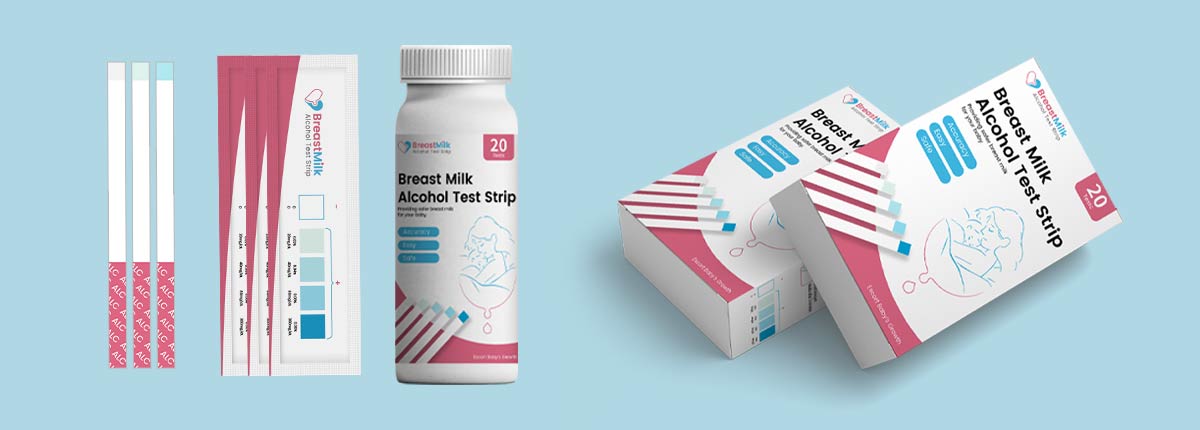
How the body processes alcohol varies with weight, sex, and food intake. Using breast milk alcohol test strip gives extra confidence when choosing drinks for breastfeeding.
Key Takeaways
- One standard drink takes about one hour to process in the body. Wait at least one hour per drink before considering breastfeeding.
- Alcohol in breast milk peaks 30 to 60 minutes after drinking. To ensure safety, wait at least two hours per drink before breastfeeding.
- Eating food while drinking slows alcohol absorption. Always consider having a meal before consuming alcohol to reduce its effects.
- Breast milk alcohol test strip can provide quick results, but their accuracy is questioned. Relying on the recommended wait times is the safest approach.
- Pumping and dumping does not remove alcohol. Only time allows the body to metabolize alcohol and clear it from breast milk.
How Long Does Alcohol Stay in Your Body?
How Long Does Alcohol Metabolism Take?
The body processes alcohol at a steady rate, but the exact speed depends on several factors. On average, one standard drink takes about one hour to leave the system. This guideline helps answer the common question: how long does alcohol stay in your body? However, the answer varies for each person. Age and genetics play a major role. Some people have genetic differences in alcohol-metabolizing enzymes, such as ADH1B and ALDH2, which can speed up or slow down alcohol metabolism. Younger individuals often have lower elimination rates because their enzyme systems are not fully developed. Older adults may also process alcohol more slowly due to decreased liver function.
| Factor | Description |
|---|---|
| Age | Very young individuals have low alcohol elimination rates due to underdeveloped enzyme expression. |
| Genetic Factors | Variations in ADH1B and ALDH2 genes influence alcohol metabolism rates across populations. |
| Variability | There is a 3–4 fold variability in alcohol elimination rates among individuals. |
Because of these differences, how long does alcohol stay in your system can range from less than an hour to several hours per drink. This variability means that how long does alcohol stay in the body is not the same for everyone.
Peak Blood Alcohol Levels
Peak blood alcohol levels depend on several factors. Body weight, speed of drinking, and the presence of food in the stomach all affect how quickly alcohol enters the bloodstream. Drinking quickly or on an empty stomach leads to higher peak levels. The table below summarizes these influences:
| Factor | Description |
|---|---|
| Body Weight | Influences the volume of distribution of alcohol in the body, affecting BAC levels. |
| Speed of Drinking | Faster consumption leads to higher peak BAC levels due to quicker absorption. |
| Nutritional Content | The presence of food can slow absorption, affecting the timing and magnitude of peak BAC. |
| Total Body Water | Affects how alcohol is distributed in the body, influencing BAC levels. |
| Stomach Contents | The contents of the stomach can alter the absorption rate of alcohol, impacting peak BAC timing. |
How is alcohol measured in your body? Blood alcohol concentration (BAC) tests provide the most accurate measurement. BAC reflects the amount of alcohol in the bloodstream at a given time. For those wondering how long does it take for the effects of alcohol to wear off, the answer depends on BAC levels and individual metabolism.
People often ask how long after drinking can you drive. The safest approach is to wait at least one hour per drink, but individual differences mean some may need more time. Alcohol metabolism varies, so how long will it take for alcohol to leave your body depends on personal factors. Always err on the side of caution before driving.
Tip: Even if you feel sober, alcohol may still be present in your system. Use caution and consider waiting longer before driving.
Factors Affecting Alcohol Metabolism
Body Weight and Sex
Body weight and biological sex play a major role in how fast does the body metabolize alcohol. Individuals with higher fat-free mass (FFM) tend to eliminate alcohol more quickly, especially women. Liver volume also impacts alcohol processing speed, since most alcohol is metabolized in the liver. Men usually process alcohol faster than women due to greater lean body mass and larger liver size. The following tables summarize these factors:
| Evidence Description | Findings |
|---|---|
| Fat-free mass (FFM) accounts for most of the variance in alcohol elimination rate in women. | Higher FFM is linked to faster alcohol elimination rates, especially in women. |
| Obesity correlates with increased FFM. | This relationship influences the alcohol elimination rate (AER). |
| Systemic AER is positively associated with liver volume. | Most alcohol is metabolized in the liver, indicating that liver size impacts elimination rates. |
| Gender | Alcohol Elimination Rate | Factors Influencing Rate |
|---|---|---|
| Men | Higher | Lean body mass, liver volume |
| Women | Lower | N/A |
Food and Hydration
Food and hydration status are important factors that influence alcohol processing. Eating before or during drinking slows alcohol absorption, while drinking on an empty stomach leads to faster intoxication. The type of mixer also matters. Diet mixers cause quicker gastric emptying, which increases alcohol absorption and breath alcohol concentration. Regular mixers with sucrose slow absorption. Hydration affects how does the body metabolize alcohol. Dehydration raises blood alcohol concentration and slows elimination, since the liver needs water to function well.
- Diet mixers speed up gastric emptying and increase alcohol absorption.
- Regular mixers slow absorption due to sucrose content.
- Dehydration leads to higher BAC and slower alcohol elimination.
Tip: Drinking water alongside alcohol helps maintain hydration and supports liver function.
Individual Differences
Individual differences shape factors that affect alcohol metabolism. Sex, genetics, and enzyme activity all contribute to variation in alcohol processing speed. Men metabolize alcohol more efficiently than women because they have higher levels of alcohol dehydrogenase (ADH) in the stomach and liver. Some people carry the ALDH2*2 mutation, which impairs enzyme activity and causes acetaldehyde buildup. Genetic variations in ADH1B and ALDH2 genes influence alcohol metabolism rates in different populations. For example, East Asians often have protective alleles that reduce alcoholism risk by increasing acetaldehyde levels.
| Gene | Population Influence | Effect on Alcohol Metabolism |
|---|---|---|
| ADH1B | East Asians | Protective alleles reduce alcoholism risk by increasing acetaldehyde levels |
| ALDH2 | East Asians | Protective alleles reduce alcoholism risk by affecting acetaldehyde oxidation |
| ADH4 | Europeans | Variants influence alcoholism risk in this population |
| Noncoding Variants | Various Populations | Likely affect risk for alcoholism, requiring further study |
Understanding the factors that influence alcohol processing helps explain why alcohol processing speed varies so much between individuals.
Breastfeeding Safety After Drinking
Recommended Wait Times
Breastfeeding mothers often ask when it is safe to nurse after consuming drinks for breastfeeding. Experts recommend waiting at least two hours per standard drink before breastfeeding. Alcohol levels in breast milk reach their highest point between 30 and 60 minutes after drinking. If a mother consumes two drinks for breastfeeding, she should wait at least four hours before nursing. This guideline helps reduce the risk of exposing infants to alcohol.
- Alcohol levels in breast milk peak 30 to 60 minutes after consumption.
- Wait at least 2 hours per standard drink before breastfeeding.
- For 2 drinks, wait at least 4 hours before breastfeeding.
Risks associated with breastfeeding too soon after drinking include reduced milk intake, sleep disturbances, and possible long-term developmental impacts. The table below summarizes these risks:
| Risk Type | Evidence |
|---|---|
| Milk Production | Infants consume about 20% less milk during the immediate hours after maternal alcohol consumption. |
| Infant Sleep Disturbances | Small amounts of alcohol in milk disrupt and shorten total duration of infant sleep. |
| Long-term Developmental Impact | Limited data suggest a possible link between infant alcohol exposure and later academic performance. |
Mothers should consider these risks when planning drinks for breastfeeding. Waiting the recommended time helps protect infant health and development.
Using Breast Milk Alcohol Test Strip
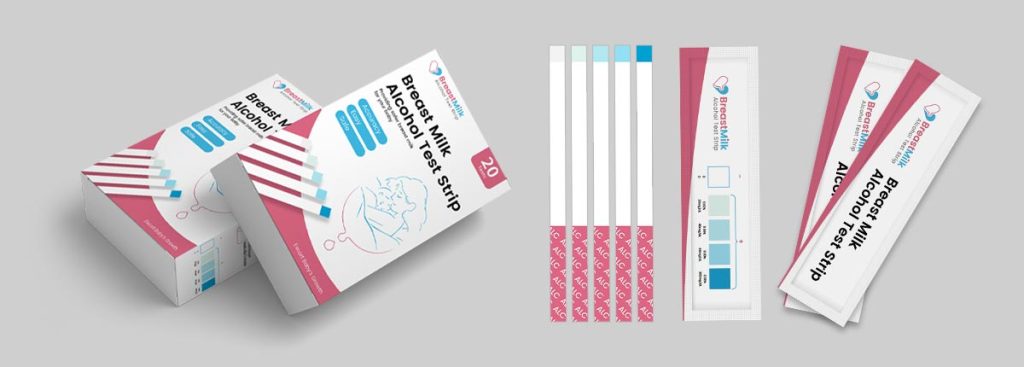
Some parents use breast milk alcohol test strips to check for alcohol in breast milk after drinks for breastfeeding. These strips offer quick results, but health experts express skepticism about their accuracy. The American Academy of Pediatrics states that breast milk alcohol test strip products are unnecessary and not sufficiently studied. A registered nurse and lactation consultant noted that the strips are not accurate and may be a waste of money. A pediatrician recommends careful and limited alcohol consumption while breastfeeding.
A study compared the Milkscreen® test strip to laboratory methods. The strip provided fast results and good sensitivity, but it showed lower sensitivity in acidic milk samples. This means the strip can help with screening, but it may not be as reliable as laboratory testing for detecting blood alcohol concentration.
Parents who choose to use alcohol breast milk test strip should follow these steps:
- After consuming drinks for breastfeeding, collect a few drops of breast milk.
- Apply the drops to the test strip.
- Wait two minutes to see the results and confirm if the milk is safe for breastfeeding.
Although these strips offer convenience, waiting the recommended time remains the most reliable way to ensure safe breastfeeding after alcohol metabolism.
Myths About “Pump And Dump”
Many mothers believe that pumping and dumping breast milk after drinks for breastfeeding will remove alcohol from their milk. Research shows this method does not work. Alcohol enters breast milk at the same rate as it enters the bloodstream. Pumping and dumping does not eliminate alcohol from breast milk. The only way to reduce alcohol in breast milk is to wait for the body to metabolize it, which usually takes about two hours per drink. Once alcohol is present in breast milk, only time and alcohol metabolism will remove it.
Common myths about alcohol and breastfeeding include:
- Drinking before discovering pregnancy is safe.
- Alcohol consumption at any stage of pregnancy can affect the developing baby. Experts advise stopping alcohol use as soon as pregnancy is suspected.
- It is safe to drink a small amount of alcohol later in pregnancy.
- No known safe amount of alcohol exists during pregnancy. Experts recommend avoiding alcohol entirely.
Understanding blood alcohol concentration and blood alcohol content helps mothers make informed decisions about drinks for breastfeeding. Waiting the recommended time and using practical tools like breast milk alcohol test strip products can help ensure safe breastfeeding practices.
Safe Breastfeeding Reference
Key Guidelines
Parents can follow several practical steps to ensure safe breastfeeding after drinking alcohol. These guidelines help minimize infant exposure and support healthy feeding routines:
- Moderate alcohol consumption is generally acceptable for breastfeeding mothers because only a small amount transfers into breast milk.
- Avoid breastfeeding during and for at least two hours after consuming alcohol.
- Wait two hours for every standard drink before breastfeeding again.
- Express and store breast milk before drinking if planning to consume alcohol.
- Limit alcohol intake to one drink per day or less and avoid binge drinking.
- Feed or pump just before drinking to allow for safer breastfeeding timing.
- Use previously expressed milk if the baby needs to feed before the waiting period ends.
- Alcohol can decrease milk production and affect milk release.
- Infants may experience drowsiness or irritability if exposed to higher alcohol levels.
- If a parent feels safe to drive and care for their baby after drinking, breastfeeding is likely safe.
Tip: Parents can use a calculator or nomogram to estimate how long it will take for alcohol metabolism to clear alcohol from breast milk.
Wait Times By Drink Amount
The following table provides a quick reference for recommended wait times after consuming alcohol. These guidelines reflect international recommendations and help parents plan safe feeding schedules:
| Standard Drinks | Recommended Wait Time | Notes |
|---|---|---|
| 1 | 2 hours | Wait before breastfeeding; use expressed milk if needed |
| 2 or more | 4 hours or more | Longer wait required; avoid breastfeeding while alcohol is in bloodstream |
| Occasional (1-2 drinks) | 2-4 hours | Return to breastfeeding when feeling normal |
| Regular drinking | Avoid | May affect infant development; not recommended |
Parents should always minimize infants’ exposure to alcohol during breastfeeding. Feeding or expressing milk before drinking supports safer timing. International guidelines agree that regular drinking may affect infant development, so limiting intake remains important.
Conclusion
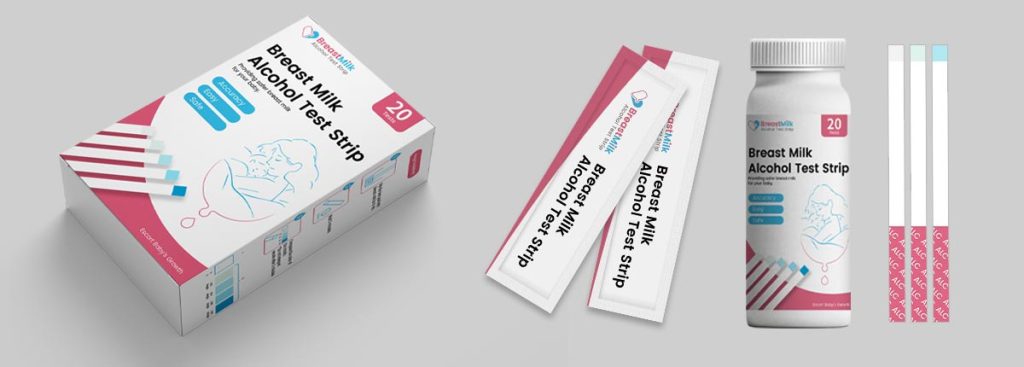
Parents can follow the one-hour-per-drink guideline to help keep breastfeeding safe. Individual factors such as body weight and food intake affect alcohol metabolism. Breast milk alcohol test strips offer reassurance, though experts question their accuracy and recommend caution.
- Milkscreen test strips aim to reassure mothers, but experts highlight risks of alcohol in breast milk.
- Some organizations advise against drinking while breastfeeding, while others suggest occasional low intake may be safe.
Parents make informed choices by using practical tools and waiting the recommended time. Support and knowledge help families protect their infants’ health.
FAQ
How Long Should Someone Wait to Breastfeed After Drinking Alcohol?
Most experts recommend waiting at least two hours per standard drink before breastfeeding. This wait time helps reduce the amount of alcohol in breast milk and lowers the risk for the baby.
Can Alcohol Be Completely Removed from Breast Milk By Pumping and Dumping?
Pumping and dumping does not speed up alcohol removal from breast milk. Only time allows the body to metabolize alcohol and clear it from both blood and milk.
Do Breast Milk Alcohol Test Strips Guarantee Safety for the Baby?
Test strips can provide reassurance, but they do not guarantee complete safety. Their accuracy varies, and experts recommend following wait-time guidelines for the best protection.
Is Occasional Drinking Safe While Breastfeeding?
Occasional, moderate drinking is generally considered safe if parents follow recommended wait times. Limiting intake and planning ahead helps protect the infant’s health.
What Are the Signs That Alcohol Is Still in the Body?
Common signs include feeling lightheaded, slowed reaction time, or impaired judgment. If any of these symptoms remain, alcohol may still be present in the bloodstream and breast milk.