


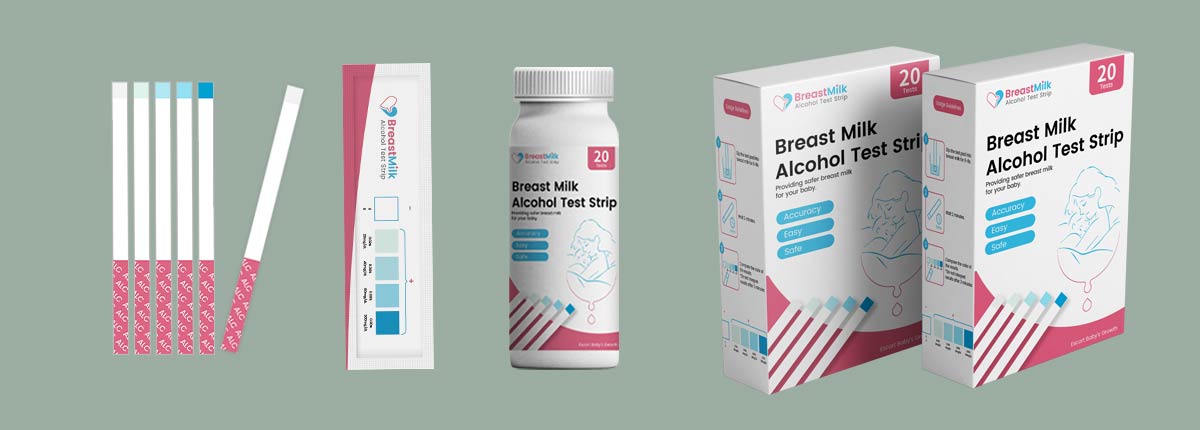
Alcohol Affect Baby’s Sleep by disrupting normal sleep cycles in infants. Maternal alcohol consumption during pregnancy or breastfeeding leads to increased waking, sleep disturbances, and developmental risks. Studies show that 78% of infants with fetal alcohol spectrum disorders experience significant sleep problems, while 58% receive a sleep disorder diagnosis. Maternal alcohol consumption also raises the risk of abnormal melatonin profiles in infants. Parents can monitor the effects of alcohol by using breast milk alcohol test strip, which help reduce exposure and support better sleep for infants.
Key Takeaways
- Alcohol disrupts infants’ sleep patterns, leading to increased waking and sleep disturbances. Avoiding alcohol during pregnancy and breastfeeding supports better sleep for babies.
- Breast milk can contain alcohol, affecting an infant’s sleep. Parents should monitor alcohol consumption and consider using breast milk alcohol test strip for safety.
- Infants exposed to alcohol may experience shorter sleep durations and increased fussiness. Establishing a consistent bedtime routine can help improve sleep quality.
- Recognizing signs of sleep disruption, such as frequent awakenings and irritability, is crucial. Parents should seek medical advice if sleep problems persist.
- Early intervention and support from healthcare providers can prevent long-term developmental risks associated with sleep disturbances in infants.
How Alcohol Reaches Babies?
Breastfeeding and Alcohol Transfer
Alcohol enters a baby’s system through breastfeeding. When a mother drinks alcohol, her blood alcohol level rises. The alcohol then passes into her breast milk, reaching levels similar to those in her bloodstream. Peak alcohol concentration in breast milk occurs about 30 to 60 minutes after drinking. Breast-fed infants may ingest about 5% to 6% of the maternal alcohol dose. The presence of alcohol in breast milk can last for two to three hours after a single drink, and longer if more alcohol is consumed. Even though only a small portion, usually less than 2%, transfers to breast milk, the effects on breast-fed infants can include changes in milk intake, drowsiness, and psychomotor delays. Some mothers believe moderate drinking does not affect their babies, but research shows that alcohol can reduce oxytocin release, leading to less milk consumed and increased fussiness or reduced sleep in infants exposed to alcohol.
Note: Alcohol in breast milk often peak higher than in maternal blood, which can surprise many parents.
Prenatal Alcohol Exposure Pathways
Prenatal alcohol exposure affects babies before birth. Alcohol crosses the placenta and interacts directly with the embryo and fetus. This exposure disrupts fetal development in several ways:
- It changes maternal metabolism, producing secondary metabolites that impact the fetus.
- It alters the maternal enteric microbiome, affecting fetal immune function and nutrient supply.
- It causes inflammation, which can lead to fetal anemia and impaired placental function.
Prenatal alcohol exposure also changes placental gene expression related to blood formation and blood vessel growth. These changes disrupt iron balance, growth, and neurodevelopment. Babies with prenatal alcohol exposure often face adverse postnatal outcomes, including sleep problems and developmental delays.
Using Breast Milk Alcohol Test Strips
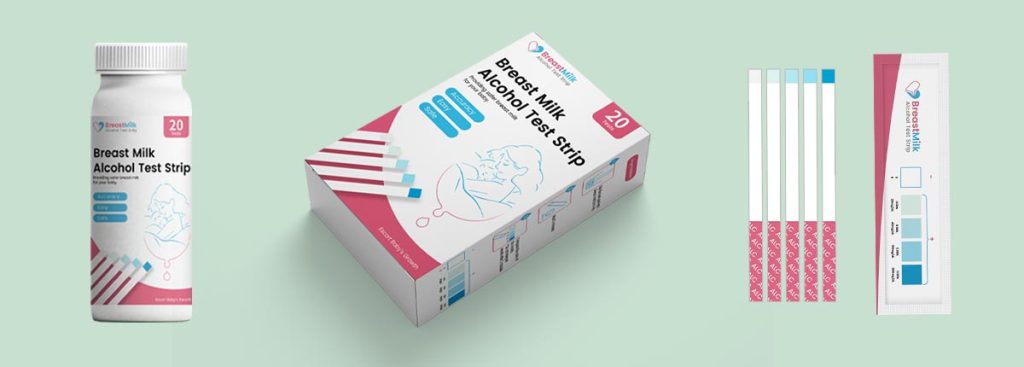
Many parents use breast milk alcohol test strips to check for alcohol in breast milk. These strips promise a quick way to monitor exposure for breast-fed infants. However, health experts question their accuracy. The American Academy of Pediatrics states that milk test strips are unnecessary and lack sufficient research. Lactation consultants and nurses also warn that these strips may not provide reliable results. Dr. Maya Bunik recommends careful and limited alcohol consumption while breastfeeding, rather than relying on breast milk alcohol test strips. Parents should focus on timing and moderation to reduce risks for breast-fed infants.
Alcohol Affect Baby’s Sleep Patterns
Short-Term Sleep Disruption
Alcohol affect baby’s sleep in several immediate ways. When an infant consumes breast milk containing alcohol, sleep disturbances often appear within hours. Researchers observed that infants slept for shorter periods after exposure to alcohol in breast milk. Many infants showed a noticeable reduction in active sleep time, which is the phase when the brain processes information and supports growth. Parents may notice that their infant wakes up more frequently and struggles to settle back to sleep. These changes can make nighttime routines more challenging and lead to increased fussiness.
Tip: If a parent notices sudden changes in their infant’s sleep after alcohol exposure, monitoring feeding times and using alcohol breast milk test strip can help reduce risks.
Changes In Sleep-Wake Cycles
Alcohol affect baby’s sleep by altering the natural sleep patterns that infants develop in their first months. Disrupted sleep-wake cycles can cause infants to experience more frequent awakenings and shorter sleep durations. The following table summarizes how alcohol exposure influences infant sleep:
| Evidence Type | Description |
|---|---|
| Interaction Effect | Time since exposure and test day significantly affect active sleep duration. |
| Active Sleep Reduction | Infants spend less time in active sleep after alcohol exposure. |
| Compensation | Infants may compensate for lost active sleep if not re-exposed to alcohol. |
Infants exposed to alcohol often show increased sleep fragmentation, meaning they wake up more often and have difficulty staying asleep. These sleep disturbances can affect alertness during the day and may lead to irritability. Binge drinking during pregnancy also predicts sleep problems in infants, with many showing poor sleep efficiency and fragmented sleep cycles.
Reduced Active Sleep
Alcohol affect baby’s sleep by consistently reducing the amount of active sleep an infant gets. Nearly all infants tested after maternal alcohol consumption showed less active sleep. This phase is critical for brain development and physical growth. Infants who receive alcohol-exposed milk may not get enough restorative sleep, which can impact their mood and behavior. Sleep disturbances in this stage can also lead to longer-term issues with sleep patterns as the child grows.
- Infants with prenatal alcohol exposure often experience short sleep duration and increased sleep fragmentation.
- Maternal alcohol consumption before pregnancy correlates with poor infant alertness.
- Up to 80% of children with fetal alcohol spectrum disorder face ongoing sleep problems.
Genetic factors also play a role. Children with a family history of alcoholism have a higher risk for sleep disturbances and may develop substance-related issues later in life. Variations in sleep or circadian rhythms can increase the likelihood of early substance use in genetically predisposed infants.
Note: Parents who avoid alcohol during pregnancy and breastfeeding help support healthy sleep patterns and reduce the risk of sleep disturbances in their infant.
Prenatal Alcohol Exposure and Long-Term Effects
Sleep Architecture Changes
Prenatal alcohol exposure can alter the structure of sleep in infants. Researchers have observed that the effects of alcohol on the developing brain disrupt normal sleep patterns. Infants exposed to alcohol during pregnancy often show changes in sleep latency, which means they take longer to fall asleep. These infants also experience fragmented sleep cycles, waking up more frequently throughout the night. The disruption of neonatal sleep cycling can affect the way infants move between different sleep stages, including the fetal sleep state.
The timing and amount of alcohol exposure during pregnancy play a role in these sleep disturbances. The following table summarizes findings from several studies:
| Study | Findings | Conclusion |
|---|---|---|
| Morales‐Muñoz et al. (2018) | No association between prenatal alcohol exposure and sleep problems | Maternal risk factors other than alcohol were linked to sleep issues |
| Stone et al. (2010) | Maternal drinking not associated with sleep problems in the first 12 years | Only nicotine was a unique predictor of sleep problems |
| Current Study | No causal effect of hazardous drinking during the first trimester on sleep problems | Adjusted for maternal risk factors, similar to other studies |
Although some studies did not find a direct link between prenatal alcohol exposure and sleep problems, many infants with fetal alcohol spectrum disorders still experience significant sleep architecture changes. These changes can lead to difficulties in maintaining restorative sleep and may impact overall health.
Developmental Risks
Infants exposed to alcohol before birth face increased risks for developmental challenges. The effects of alcohol on the brain can interfere with cognitive growth, emotional regulation, and behavior. Sleep disturbances caused by prenatal alcohol exposure often correlate with cognitive impairment in early childhood.
The table below highlights the relationship between sleep disturbances and cognitive development:
| Sleep Disturbance Type | Description | Correlation with Cognitive Impairment |
|---|---|---|
| Short Sleep Duration | Reduced total sleep time reported in children with FASDs. | Yes |
| Sleep Anxiety | Increased anxiety related to sleep in affected children. | Yes |
| Bedtime Resistance | Difficulty in going to sleep at the desired time. | Yes |
| Increased Sleep Fragmentation | More frequent awakenings during the night. | Yes |
| Parasomnias | Abnormal behaviors during sleep, such as sleepwalking. | Yes |
Developmental ethanol exposure in animal studies leads to fragmented slow-wave sleep and impaired memory. Infants who experience sleep fragmentation often struggle with learning and attention. These effects of alcohol can persist as the child grows, making early intervention important.
Note: Sleep fragmentation in infants is linked to cognitive challenges, but not to hyperactivity. This suggests a specific impact on memory and learning rather than general behavior.
Persistent Sleep Issues
Many infants with prenatal alcohol exposure continue to face sleep problems as they age. Persistent sleep issues include difficulty falling asleep, frequent night awakenings, and abnormal sleep behaviors. These problems can last into childhood and adolescence, affecting daily functioning and quality of life.
Researchers found that hazardous drinking during the first trimester may appear to cause sleep problems at ages 1.5 and 3 years. However, when adjusting for maternal risk factors, the effects become insignificant. The table below shows these findings:
| Study | Initial Findings | Adjusted Findings | Conclusion |
|---|---|---|---|
| Current Study | Hazardous drinking associated with sleep problems at 1.5 and 3 years | Effects reduced and insignificant with sibling control | No causal effect of first trimester drinking on sleep problems |
Despite these results, infants with fetal alcohol spectrum disorders often experience ongoing sleep disturbances. These persistent issues can lead to behavioral symptoms such as irritability, mood swings, and difficulty concentrating. Parents and caregivers should monitor sleep patterns and seek support if problems continue.
Tip: Early recognition of sleep problems in infants can help prevent long-term developmental risks. Regular sleep routines and professional guidance support healthy sleep architecture.
Signs and Solutions for Sleep Disruption
Recognizing Sleep Problems
Parents and caregivers often notice sleep disruption in an infant through several common signs. These include frequent night awakenings, difficulty falling asleep, shorter sleep duration, and increased fussiness during bedtime. Some infants may show resistance at bedtime or experience abnormal behaviors such as sleepwalking or restless movements. A child who wakes up tired or seems irritable during the day may also have sleep problems. Monitoring these patterns helps families identify when an infant’s sleep is not typical.
| Sign of Sleep Disruption | Description |
|---|---|
| Frequent Awakenings | Infant wakes multiple times nightly |
| Short Sleep Duration | Infant sleeps fewer hours overall |
| Bedtime Resistance | Infant struggles to settle at night |
| Daytime Irritability | Infant appears cranky or tired |
Practical Prevention Tips
Families can take several steps to prevent or address sleep disruption in infants. Avoiding alcohol during pregnancy and breastfeeding remains the most effective strategy. Parents who choose to breastfeed should consider using a breast milk alcohol test strip to check for alcohol presence before feeding. Establishing a consistent bedtime routine helps infants develop healthy sleep habits. Keeping the sleep environment quiet and dark supports restful sleep. Pediatricians recommend tracking feeding times and sleep patterns to spot changes early.
Tip: Parents who notice sleep problems in their infant should discuss feeding habits and alcohol exposure with their healthcare provider.
When to Seek Help?
Healthcare providers play a key role in screening for alcohol exposure in infants who present with sleep problems. Pediatricians routinely obtain a history of prenatal alcohol exposure during health supervision visits. They use risk assessment tools and maternal self-report to identify alcohol use during pregnancy. Family members may also provide important information. If sleep problems persist or worsen, families should seek medical advice. Early intervention can improve outcomes and support healthy development.
Conclusion
Alcohol exposure disrupts a baby’s sleep and can cause lasting developmental effects. Parents who avoid alcohol during pregnancy and breastfeeding help protect their child’s health. Educational programs increase awareness and encourage abstinence, though results vary. Public health strategies include universal screening, personalized support, and evidence-based policies:
| Strategy | Description |
|---|---|
| Community Intervention | Multi-component approach to prevent alcohol use among pregnant women |
| Awareness Campaigns | Promote risks of alcohol during pregnancy |
| Evidence-Based Policies | Use research to guide alcohol harm reduction |
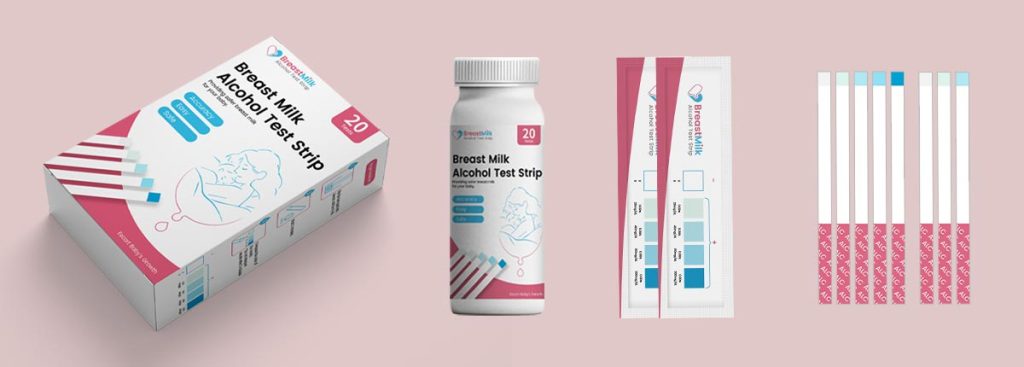
Parents should use breast milk alcohol test strips and consult healthcare providers if concerned. Support and guidance foster healthy sleep for every baby.
FAQ
How Long Does Alcohol Stay in Breast Milk?
Alcohol remains in breast milk for about two to three hours after one standard drink. The duration increases with higher alcohol intake. Mothers can use breast milk alcohol test strips to check levels before feeding.
Can Occasional Drinking Affect a Baby’s Sleep?
Even occasional drinking can disrupt a baby’s sleep. Infants may experience shorter sleep periods and increased waking. Experts recommend avoiding alcohol during breastfeeding to support healthy sleep patterns.
Are Breast Milk Alcohol Test Strips Reliable?
Breast milk alcohol test strips offer quick results, but experts question their accuracy. The American Academy of Pediatrics does not recommend relying solely on these strips. Parents should focus on timing and moderation.
What Are Signs of Sleep Disruption in Babies?
Common signs include frequent night awakenings, shorter sleep duration, fussiness, and difficulty settling at bedtime. Daytime irritability may also indicate sleep problems. Parents should monitor these behaviors closely.
When Should Parents Seek Medical Advice?
Parents should consult a healthcare provider if sleep problems persist or worsen. Early intervention helps prevent long-term developmental risks. Pediatricians can offer guidance and support for healthy sleep routines.