


Alcohol in breast milk raises concerns about a child’s cognitive development. Researchers found that alcohol consumption by breastfeeding mothers relates to reduced cognitive abilities in children, especially in areas like literacy and numeracy.
- 20% of breastfeeding women in Canada consume alcohol.
| Study | Findings | Conclusion |
|---|---|---|
| Wilson et al. (2017) | No association between maternal alcohol use during lactation and infant sleep or developmental outcomes at 8 weeks and 12 months. | Insufficient evidence to determine an association with cognitive development. |
| Gibson and Porter (2018) | Association between maternal AUDIT-C scores and nonverbal reasoning at 6-7 years, not at 10 years. | No consistent evidence linking alcohol consumption during lactation to cognitive outcomes. |
| Gibson and Porter (2020b) | Negative associations between maternal alcohol consumption and academic performance in third and fifth grades. | Potential impact of alcohol when breastfeeding, but study limitations exist. |
Parents and caregivers need clear information to make informed decisions. Scientists continue to investigate risks and uncertainties around alcohol in breast milk.
Key Takeaways
- Alcohol in breast milk can affect a child’s cognitive development, especially with frequent or high intake.
- Health experts recommend waiting at least two hours after drinking before breastfeeding to reduce alcohol exposure for infants.
- Moderate alcohol consumption may not significantly harm cognitive development, but heavy drinking poses greater risks.
- Parents should consult healthcare professionals for guidance on alcohol use while breastfeeding to ensure infant health.
- Using breast milk alcohol test strips is not recommended as a reliable method for ensuring safe breastfeeding.
Alcohol in Breast Milk and Child Development
Research Findings on Cognitive Impact
Researchers have examined the relationship between maternal alcohol consumption and child cognitive outcomes for decades. Several large-scale studies have tracked children over time to understand how exposure to alcohol in breast milk may influence their cognitive development. One notable longitudinal cohort study followed 5,107 infants every two years. The findings revealed a significant association between maternal alcohol consumption during breastfeeding and poorer cognitive outcomes in children. Increased maternal alcohol consumption correlated with decreased nonverbal reasoning scores in children aged 6 to 7 years. The effect remained independent of prenatal alcohol consumption, maternal age, income, birth weight, head injury, and learning delay.
Animal studies support these findings, showing that ethanol in breast milk can disrupt brain development.
The table below summarizes key research findings:
| Finding | Description |
|---|---|
| Association | Maternal alcohol consumption during breastfeeding is linked to poorer cognitive outcomes in children. |
| Study Details | Longitudinal cohort study with 5,107 infants followed every 2 years. |
| Cognitive Impact | Increased maternal alcohol consumption correlated with decreased nonverbal reasoning scores in children aged 6-7 years. |
| Statistical Significance | 95% CI: –0.18 to –0.04; P = .01. |
| Comparison Group | No significant association found in children who were never breastfed (95% CI: –0.20 to 0.17; P = .87). |
| Other Factors | The effect was independent of prenatal alcohol consumption, maternal age, income, birth weight, head injury, and learning delay. |
| Additional Insights | Findings align with animal studies indicating that ethanol in breast milk can disrupt brain development. |
Despite these results, some studies report conflicting evidence. For example, certain research found no consistent link between maternal alcohol consumption during lactation and cognitive outcomes at later ages. Some studies observed associations at specific ages, such as 6 to 7 years, but not at 10 years. These inconsistencies highlight the complexity of measuring long-term effects and the influence of other environmental and genetic factors.
Effects on Motor Skills
The impact of alcohol in breast milk on motor skill development has also received attention. Researchers have assessed infants and toddlers at different ages to determine if maternal alcohol consumption affects their physical development. Studies focusing on 1-year-old infants of heavy drinkers found lower motor skill development scores, but the average drop was only 2 points and not considered clinically significant. When researchers evaluated 18-month-old toddlers, they found no relationship between alcohol consumption and motor skill development. In some cases, scores were even higher in infants whose mothers drank alcohol.
- Daily consumption of more than one drink per day may lead to psychomotor skills delay and cognitive delay later in life.
- A 2018 study linked maternal alcohol consumption while breastfeeding to lower cognitive scores in children aged 6 to 7 years, indicating a potential impact on development.
- Excessive drinking by breastfeeding mothers is associated with poor weight gain and disrupted sleep patterns in infants.
- The study concluded that alcohol exposure through breast milk was responsible for cognitive changes, not just maternal factors.
These findings suggest that while moderate or occasional maternal alcohol consumption may not cause significant motor delays, higher levels of exposure could increase the risk of developmental challenges. The evidence remains mixed, and researchers continue to debate the extent of the impact on neurodevelopment. Parents and caregivers should consider both the potential risks and the areas where studies disagree when making decisions about breastfeeding and alcohol use.
How Alcohol Reaches Breast Milk?
Biological Mechanisms
Alcohol passes from a mother’s bloodstream into her milk through several biological processes. During lactation, the body undergoes changes that affect how substances move and are processed. The following table outlines key mechanisms involved:
| Mechanism | Description |
|---|---|
| Intestinal Growth | Lactation increases the height of intestinal villi and mucosal lining, which boosts absorption of substances like alcohol. |
| Hormonal Surge | Nursing triggers hormones such as oxytocin, which can change how quickly the stomach empties and how drugs are absorbed. |
| Liver Hypertrophy | The liver grows larger and its enzyme activity shifts during lactation, altering how alcohol is broken down and removed. |
These changes help explain why alcohol can appear in milk soon after consumption.
Factors Influencing Infant Exposure
The concentration of alcohol in breast milk closely matches that in the mother’s blood, peaking about 30 minutes to an hour after drinking. Alcohol can also affect the hormones that control milk production and release, which may change the amount of milk available.
Infants may respond to alcohol in milk by changing how often or how much they feed. Studies show that infants can adapt their feeding patterns when exposed to alcohol, which may influence their overall intake. Maternal alcohol use can also change the taste and composition of milk, leading to shifts in feeding behavior. These changes might affect milk demand and supply. Although the amount of alcohol in breast milk is lower than what the mother consumes, even small amounts can alter infant behavior. This challenges the idea that moderate drinking during breastfeeding is harmless.
Using Breast Milk Alcohol Test Strip
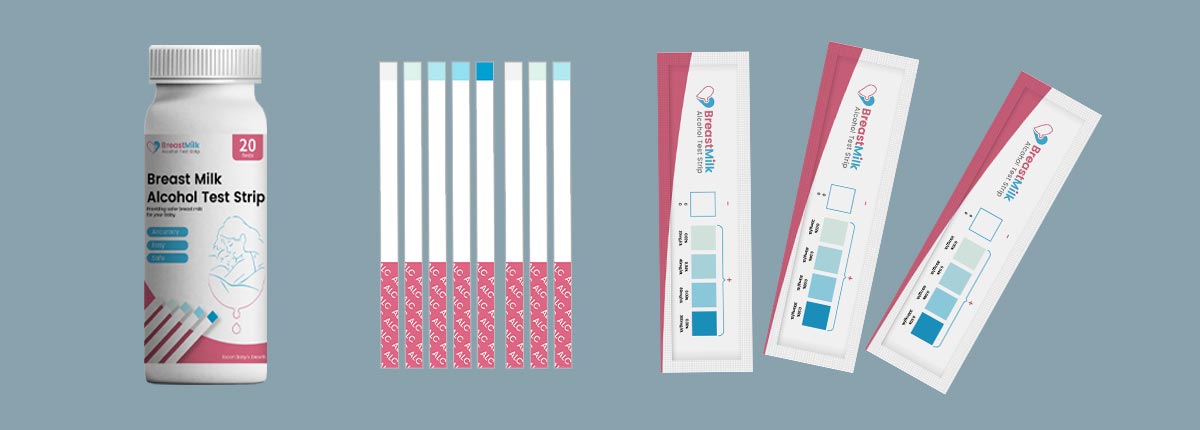
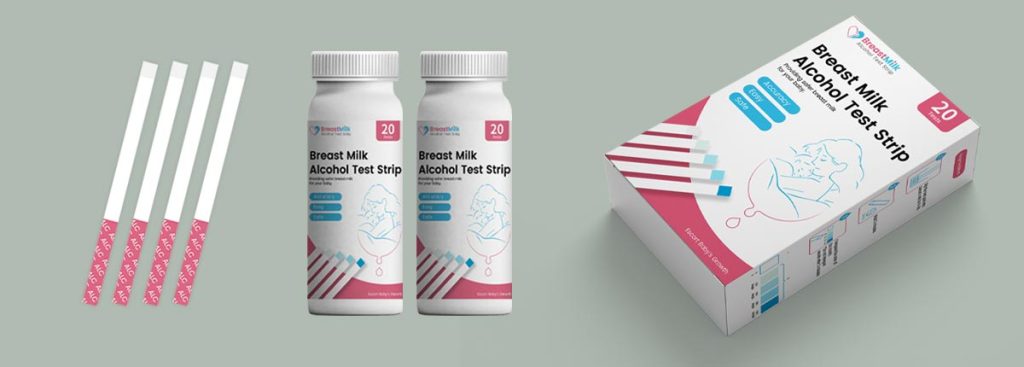
A breast milk alcohol test strip offers a practical way for mothers to check for alcohol before feeding. These strips, such as the Milkscreen® test, detect ethanol residues in milk within two minutes. Studies show that these strips have good sensitivity and rarely give false positives. However, their accuracy may decrease if the milk sample is acidic. Despite this limitation, test strips provide a quick and reliable screening tool for mothers who want to minimize alcohol exposure for their infants.
Breastfeeding Benefits and Alcohol Risks
Cognitive Benefits of Breastfeeding
Breastfeeding offers significant advantages for cognitive development in infants. Large-scale studies have shown that children who receive breast milk for longer periods tend to achieve higher scores on intelligence tests. Researchers observed that children breastfed for more than six months had mean verbal I.Q. scores nearly four points higher at age six compared to those who never received breast milk. Each additional month of breastfeeding correlated with better language skills and higher I.Q. scores at age seven. These benefits extend into adolescence, with breastfed children consistently outperforming their peers in cognitive assessments.
| Study Focus | Findings |
|---|---|
| Breastfeeding Duration and I.Q. | Children breastfed for over 6 months had mean verbal I.Q. scores nearly 4 points higher at age 6 compared to non-breastfed children. |
| Long-term Cognitive Benefits | Breastfed children showed higher scores in intelligence tests throughout childhood and adolescence. |
| Language Skills | Each additional month of breastfeeding correlated with better language skills and higher I.Q. scores at age 7. |
Brain imaging studies support these findings. Longer breastfeeding duration links to increased cortical thickness and surface area, both predictors of positive cognitive outcomes. Researchers also found that longer breastfeeding associates with increased grey matter in the frontal cortex, which relates to improved cognitive performance and lower risk of neuropsychiatric disorders.
Risks of Alcohol During Breastfeeding
While breastfeeding provides many benefits, alcohol in breast milk can introduce risks. Low doses of alcohol pass into breast milk, and infants may experience slight changes in motor skills if exposed. Most studies report that occasional maternal use of alcohol does not significantly affect cognitive development. However, frequent or heavy maternal alcohol consumption increases the risk of developmental challenges.
| Evidence Type | Findings |
|---|---|
| Alcohol Exposure | Low doses of alcohol are transmitted through breastmilk, with potential health risks being low for occasional consumption. Frequent or heavy drinking poses greater risks to development. |
| Cognitive Development | Studies indicate that occasional alcohol exposure does not significantly affect cognitive development, but may have a slight detrimental effect on motor skills. |
| Recommendations | Nursing should be postponed for three hours after consuming one standard drink, according to guidelines. |
- A study found no significant effect on mental development but noted lower motor control in infants exposed to alcohol via breast milk.
- Another study could not replicate these findings, suggesting that the effects of alcohol on cognitive development may be minimal if consumption is occasional.
Health experts recommend that mothers wait at least three hours after consuming one standard drink before breastfeeding. This practice helps reduce the risk of alcohol exposure for infants. Parents should weigh the benefits of breastfeeding and alcohol risks when making decisions about feeding and maternal behavior. The relationship between breastfeeding and alcohol remains complex, but prioritizing infant health and development remains essential.
Studies on Cognitive Development
Major Longitudinal Studies
Researchers have conducted several major longitudinal study projects to understand the effects of breastfeeding and maternal alcohol consumption on developmental health outcomes. These studies follow children over many years, tracking changes in cognitive development and academic outcomes. The table below highlights two key longitudinal study findings:
| Study Title | Findings | Age of Children Assessed |
|---|---|---|
| Drinking or Smoking While Breastfeeding and Later Cognition in Children | Maternal alcohol consumption during lactation was linked to dose-dependent reductions in cognitive abilities. | 6 to 7 years |
| Drinking or Smoking While Breastfeeding and Later Developmental Health Outcomes in Children | Alcohol consumption while breastfeeding associated with decreases in abstract reasoning ability and academic scores. | Later ages |
These longitudinal study results suggest that maternal use of alcohol during breastfeeding can influence developmental health outcomes and academic outcomes well into childhood.
Evidence of Cognitive and Verbal Effects
Longitudinal study data show that alcohol exposure through breast milk can affect developmental health outcomes in several ways. Researchers found that low doses of alcohol transfer to infants, ranging from 0.5% to 3.3% of the maternal dose. The table below summarizes the main findings:
| Findings | Description |
|---|---|
| Alcohol Exposure | Low doses of alcohol are transmitted through breast milk (0.5% to 3.3% of maternal dose). |
| Developmental Impact | Significant detrimental effect on motor development in infants exposed to alcohol via breast milk, but no effect on mental development. |
| Long-term Effects | Physical or neurobehavioral effects may not be evident until later years, with associations found in children diagnosed with FASD by age 7. |
Longitudinal study evidence indicates that developmental health outcomes may not appear immediately. Some children show effects on academic outcomes and cognitive development only after several years.
Gaps and Controversies
Researchers continue to debate the full impact of maternal alcohol consumption during breastfeeding on developmental health outcomes. Several gaps and controversies remain:
- Maternal alcohol consumption during breastfeeding can significantly affect infant neurological growth and sleep patterns.
- Alcohol alters the flavor of breast milk, which may lead to infant refusal and disrupted feeding patterns.
- There are gaps in the research regarding the specific cognitive developmental impacts of alcohol in breast milk.
Limitations in existing longitudinal study research include:
- Lack of recorded data on the amount of breast milk consumed.
- Frequency of feeding not documented.
- Amount of alcohol consumed was not recorded.
- Changes in sleep patterns and nutritional intake may also affect cognition.
- Cognitive improvements in children may be linked to increased education rather than breastfeeding alone.
Note: Longitudinal study findings highlight the need for more precise data collection to better understand developmental health outcomes and academic outcomes related to breastfeeding and maternal use of alcohol.
Recommendations for Breastfeeding Mothers
Expert Guidelines on Alcohol Use
Health organizations provide clear guidance for mothers who practice breastfeeding. Experts agree that not drinking alcohol remains the safest choice. However, moderate consumption can be compatible with breastfeeding if mothers follow certain precautions. The American Academy of Pediatrics advises against drinking alcohol while breastfeeding because alcohol passes into breast milk. They recommend waiting at least two hours after consuming alcohol before nursing or pumping. This waiting period helps reduce the amount of alcohol that reaches infants. Experts also caution against consuming more than one drink per day, as repeated exposure may affect long-term development.
| Recommendation | Details |
|---|---|
| Safest Option | Not drinking alcohol is the safest option for breastfeeding mothers. |
| Moderate Consumption | Up to one drink per day is not known to be harmful to the infant. |
| Wait Time | Wait at least 2 hours after a single drink before nursing. |
| Daily Limit | Consuming more than one drink per day while breastfeeding is not recommended. |
If a mother feels safe to drive and care for her baby after moderate drinking, breastfeeding is considered safe. Pumping and dumping does not speed up the removal of alcohol from the body; only time reduces alcohol levels.
Practical Tips for Reducing Risk
Mothers can take several practical steps to lower the risk of alcohol exposure for infants during breastfeeding. Timing and planning play important roles in minimizing the effects of maternal use of alcohol. Experts suggest the following tips:
- Store expressed breast milk for times when drinking is planned.
- Drink alcohol just after nursing or pumping milk.
- Wait at least four hours after the last drink before breastfeeding again.
- Hand express or pump if breasts become full while waiting.
- Choose non-alcoholic drinks as an alternative.
- Avoid sharing a sleeping surface with the baby if alcohol has been consumed.
Timing feeds can help manage alcohol levels in breast milk. The table below outlines effective strategies:
| Strategy | Timing Recommendations | Effectiveness in Minimizing Exposure |
|---|---|---|
| Timing Feeds | 2-3 hours after 1 drink | Helps manage alcohol levels in breast milk effectively. |
| 4-6 hours after 2 drinks | ||
| 6-9 hours after 3 drinks | ||
| 12 hours or more after heavy drinking | ||
| Test Strips | Considered as extra information, not reliable | Not sufficient to base feeding decisions solely on. |
Drinking alcohol just after nursing or pumping allows more time for the body to process alcohol before the next feeding. Waiting at least four hours after drinking further reduces the risk of exposure for infants.
When to Use Breast Milk Alcohol Test Strip?
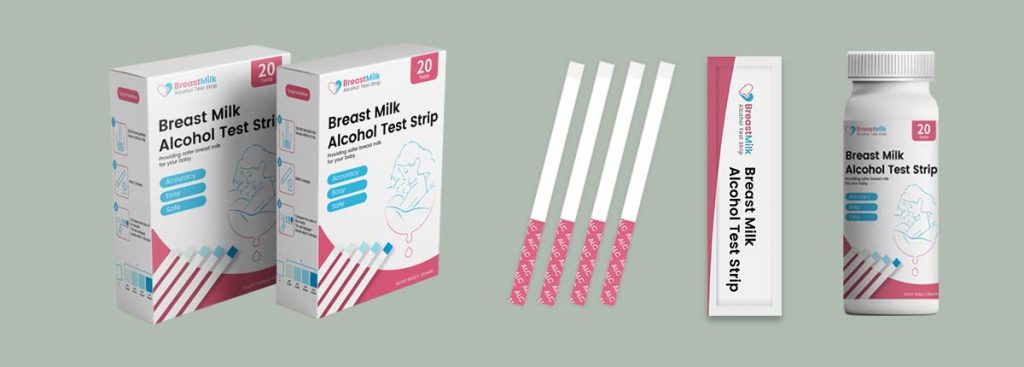
Mothers sometimes consider using a breast milk alcohol test strip to check for alcohol before feeding. Experts, however, do not recommend relying on these strips for decision-making. Most lactation consultants and pediatricians agree that test strips are unnecessary. They emphasize that the mother’s ability to care for her baby and the timing of alcohol consumption matter more than the results of a test strip.
Maria Parlapiano, a registered nurse and lactation consultant, states that these strips lack accuracy and often waste money. Dr. Maya Bunik recommends careful and limited maternal use of alcohol as the best approach. Test strips may provide extra information, but they should not replace established guidelines. Mothers should focus on timing feeds and monitoring their own readiness to care for their infants.
The most effective way to minimize risk is to follow expert recommendations on timing and moderation, rather than relying on test strips.
Conclusion
Current research shows that alcohol in breast milk may affect long-term cognitive development, especially with frequent or high intake. Healthcare professionals recommend careful planning and consultation, since no safe level of alcohol use during breastfeeding exists. Parents should time feeds, monitor their ability to care for the baby, and seek advice from healthcare providers. Making informed choices based on current evidence helps protect infant health and supports positive developmental outcomes.
- Consult a doctor or lactation consultant if milk supply issues arise.
- Ask healthcare professionals for accurate, nonjudgmental information about alcohol and breastfeeding.
FAQ
Does Alcohol Leave Breast Milk Over Time?
Yes. Alcohol levels in breast milk decrease as the mother’s blood alcohol level drops. The body processes alcohol at a steady rate. Waiting before breastfeeding allows alcohol to clear from the milk.
Can Occasional Drinking Affect My Baby’s Brain Development?
Occasional, low-level drinking usually does not cause lasting effects. Frequent or heavy maternal alcohol consumption increases the risk of developmental problems. Experts recommend waiting before breastfeeding after drinking.
How Long Should Mothers Wait After Drinking Before Breastfeeding?
Most guidelines suggest waiting at least two hours after one standard drink. This waiting period helps reduce the amount of alcohol in breast milk and lowers the risk for the infant.
Are There Safe Levels of Alcohol for Breastfeeding Mothers?
No completely safe level exists. Experts advise avoiding alcohol when possible. If a mother chooses to drink, she should limit intake and follow timing recommendations to protect her baby.
Do Alcohol Breast Milk Test Strips Guarantee Safe Breastfeeding?
Test strips can detect alcohol in breast milk, but they do not guarantee safety. Timing and moderation remain the most reliable ways to reduce infant exposure to alcohol.