


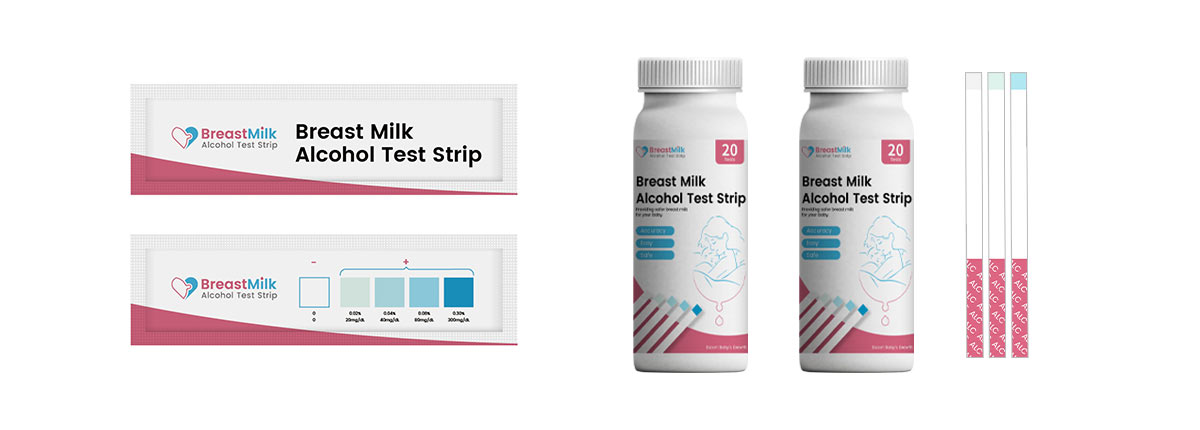
Many parents feel concerned about the safety of consuming alcohol while nursing their infants. Scientific studies confirm that alcohol in breast milk results directly from alcohol entering the bloodstream, with its concentration closely matching blood alcohol levels.
- Alcohol moves freely between blood and milk, maintaining an equal balance.
- The need to ‘pump and dump’ after drinking only arises if alcohol remains in the bloodstream.
Recent research shows that cultural beliefs and personal considerations shape the choices of breastfeeding mothers. Rates of alcohol consumption vary by income and age of the child, with higher household income linked to increased drinking during breastfeeding.
Key Takeaways
- Alcohol in breast milk mirrors blood alcohol levels. Wait at least 2 hours after drinking before breastfeeding to minimize infant exposure.
- Feeding infants before drinking alcohol can help reduce their exposure. Plan ahead to ensure your baby gets enough milk.
- Pumping and dumping milk does not speed up alcohol removal. Only time allows alcohol to clear from breast milk.
- Moderate alcohol consumption, defined as up to one standard drink per day, is generally considered safe, but heavy drinking poses risks.
- Understanding the effects of alcohol on milk production can help mothers make informed choices for their breastfeeding journey.
Alcohol in Breast Milk: How It Happens?
Passive Diffusion and Blood-Milk Correlation
Alcohol in breast milk results from a biological process known as passive diffusion. Human milk comes directly from the blood, so any substance present in the bloodstream can move into the milk. When a mother drinks alcohol, her liver metabolizes it, and the alcohol enters her bloodstream. Less than 2% of the alcohol dose reaches the milk, but the concentration in breast milk closely matches the level found in the blood. This direct relationship means that as blood alcohol levels rise or fall, the amount of alcohol in breast milk changes in parallel.
The following table shows how certain factors influence the way alcohol moves between blood and milk:
| Factor | Effect on Ethanol Pharmacokinetics |
|---|---|
| Breast Pumping Before Drinking | Independent of lactation effects on ethanol metabolism |
| Breast Pumping After Drinking | Synergistic effects with lactation on ethanol metabolism |
| Alcohol Consumption with Meal | More pronounced effects on metabolism observed |
The amount and type of alcohol consumed also play a role. Higher amounts of alcohol take longer to process, which extends the time alcohol remains in breast milk. Alcohol in breast milk mirrors the levels found in the blood, peaking about 30 to 60 minutes after drinking on an empty stomach. If consumed with food, the peak occurs between 60 and 90 minutes. The body’s ability to eliminate alcohol depends on factors such as lactational state and whether food is present in the stomach. Food increases the rate of elimination by enhancing liver activity and changing how quickly the stomach empties.
Note: The concentration of alcohol in breast milk always reflects the mother’s blood alcohol level. As long as alcohol is present in the bloodstream, it will also be found in the milk.
Timing and Detection Window
Timing plays a crucial role in understanding alcohol in breast milk. Scientific studies show that alcohol in breast milk peak 30 to 60 minutes after consumption. If alcohol is consumed with food, the peak may be delayed by about an hour. The following table summarizes these findings:
| Timing of Alcohol Peak in Breast Milk | Notes |
|---|---|
| 30 to 60 minutes after consumption | Milk alcohol levels peak closely parallel maternal blood alcohol concentrations. |
| Delayed by an hour if consumed with food | Consumption with food can affect the timing of the peak. |
Alcohol can be detected in breast milk for a specific period after drinking. The duration depends on the amount consumed:
- Alcohol can be detected in breast milk for about 2 to 3 hours after a standard drink.
- For two drinks, detection lasts about 4 to 5 hours.
- For three drinks, alcohol may remain for 6 to 8 hours.
- The duration varies based on individual metabolism and lactational state.
Physiological factors also influence how quickly alcohol leaves breast milk. Lactation changes how the body absorbs, distributes, and eliminates alcohol. The presence of food increases elimination rates by boosting liver blood flow and enzyme activity. Lactation may also affect how fast the stomach empties, which further impacts alcohol processing.
Alcohol in breast milk remains a concern for many parents. Understanding the timing and biological mechanisms helps families make informed decisions about breastfeeding after alcohol consumption.
Effects on Infants
Short-Term Impacts
Alcohol in breast milk can influence infants in several immediate ways. Researchers have observed that babies exposed to alcohol through breast milk may experience changes in feeding and sleep patterns. These effects often appear soon after exposure and can disrupt daily routines.
- Babies may eat less after consuming milk containing alcohol.
- Changes in sleeping patterns have been reported, with some infants sleeping for shorter periods.
A study that monitored infants after exposure to alcohol-flavored milk found significant differences in sleep duration. Infants spent less time sleeping after consuming milk with alcohol compared to regular breast milk. The following table summarizes these findings:
| Aspect | Details |
|---|---|
| Objective | To test the hypothesis that exposure to alcohol in breast milk affects infants’ sleep and activity levels in the short term. |
| Methods | Thirteen lactating women and their infants were tested on 2 days, with infants monitored for sleep and activity after consuming alcohol-flavored milk versus breast milk alone. |
| Results | Infants spent significantly less time sleeping after consuming alcohol-flavored milk (78.2 minutes compared to 56.8 minutes after breast milk alone). |
| Conclusions | Short-term exposure to small amounts of alcohol in breast milk produces distinctive changes in the infant’s sleep-wake patterning. |
Feeding behavior also changes when alcohol is present in breast milk. Studies show that infants consumed about 20% less breast milk after maternal alcohol intake. This reduction in intake may affect growth and nutrition if exposure occurs frequently.
| Evidence Type | Findings | Implications |
|---|---|---|
| Maternal Alcohol Consumption | Infants consumed 20% less breast milk after maternal alcohol intake | Indicates reduced milk intake due to alcohol presence |
| Motor Development Study | Delayed motor development persisted despite controlling for confounding variables | Suggests a direct link between maternal drinking and motor development issues |
| Longitudinal Study | Regular exposure to alcohol in breast milk slightly altered gross motor development | Highlights potential risks of regular alcohol consumption during lactation |
Researchers have also found that regular exposure to alcohol in breast milk can slightly alter gross motor development. However, no significant correlation exists between maternal drinking and infants’ mental development in the short term. Infants whose mothers consumed less than one drink per day showed no significant differences in development compared to those whose mothers did not drink.
Long-Term Developmental Risks
Long-term exposure to alcohol in breast milk raises concerns about infant development. Studies have linked repeated exposure to subtle but measurable changes in motor skills and cognitive abilities.
| Study Focus | Findings |
|---|---|
| Motor Development | Alcohol exposure through breast milk has a slight but significant detrimental effect on motor development, but not on mental development. |
| FASD Diagnosis | Alcohol use during breastfeeding is associated with a six-fold increase in the likelihood of a diagnosis on the FASD continuum. |
| Physical and Neurobehavioral Traits | Maternal alcohol consumption is linked to poorer cognitive and behavioral development, including depressed head circumference and poor brain development. |
Researchers have observed dose-dependent decreases in abstract reasoning ability in children aged six to seven years following maternal alcohol use while breastfeeding. Academic scores in children at later ages also show negative impacts from maternal alcohol consumption during lactation. These findings highlight the potential risks of regular alcohol exposure during breastfeeding.
Longitudinal studies reveal that maternal alcohol consumption during breastfeeding is linked to cognitive harms in children, particularly affecting nonverbal reasoning and academic performance. One cohort study found a significant association between increased maternal alcohol consumption and decreased nonverbal reasoning scores in children aged six to seven years who were breastfed. The cognitive effects did not appear in children who were never breastfed, suggesting that exposure through breast milk is a key factor. The association was not evident in children aged eight to eleven years, possibly due to mediation by factors like increased education.
- Dose-dependent reductions in abstract reasoning ability were observed in children aged six to seven years following maternal alcohol use while breastfeeding.
- There is a similar dose-dependent relationship between maternal alcohol consumption during lactation and academic outcomes.
- An Australian cohort study assessed cognitive measures at ages six to seven and found an association between maternal alcohol consumption and nonverbal reasoning. This association did not persist at age ten years for children whose mothers reported alcohol consumption during lactation.
Chronic alcohol exposure through breast milk can damage the developing liver of infants. Regular alcohol consumption by breastfeeding mothers is associated with developmental delays in infants. These delays can hinder infants from achieving normal mental and physical milestones.
Note: While occasional, moderate alcohol consumption may not cause significant harm, repeated or heavy exposure increases the risk of negative outcomes for infant development.
Alcohol and Milk Production
Oxytocin Inhibition and Letdown
Alcohol affects the hormones that control milk production and release. Oxytocin plays a key role in the milk letdown reflex, which allows milk to flow from the breast to the infant. When a breastfeeding mother consumes alcohol, her body releases less oxytocin. This reduction delays the milk ejection reflex and makes it harder for milk to reach the baby. Researchers have found that elevated ethanol levels slow down milk delivery. Over time, frequent alcohol intake can lead to less effective milk removal and reduced overall milk production.
Tip: Mothers who notice difficulty with milk flow after drinking alcohol may want to wait until alcohol has cleared from their system before breastfeeding.
Thomas W. Hale, a leading expert in lactation pharmacology, explains that alcohol acts as a significant inhibitor of oxytocin release. This inhibition reduces both the speed and amount of milk available to the infant. Regular, substantial alcohol consumption can compromise milk supply and may affect the baby’s growth due to slower milk release.
Reduced Milk Supply
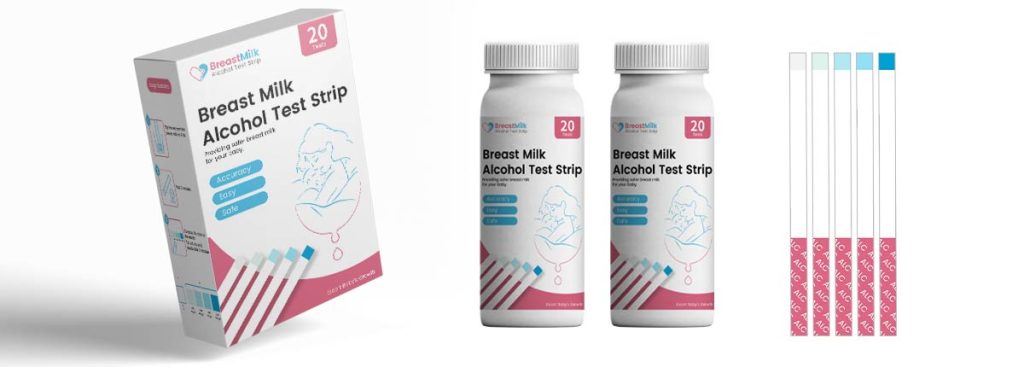
Alcohol not only delays milk letdown but also reduces the total amount of milk produced. Studies show that infants consume about 20% less breast milk after their mothers drink alcohol. When mothers pump milk after drinking, they often obtain significantly less milk than usual. Researchers have observed that alcohol lowers oxytocin levels, which delays milk ejection. At the same time, alcohol increases prolactin levels, which can further contribute to this delay.
- Alcohol can inhibit the milk ejection reflex, leading to decreased milk intake by infants.
- Reduced milk intake may affect infant nutrition if alcohol exposure occurs frequently.
Breastfeeding mothers should understand that even moderate alcohol consumption can impact milk production and delivery. By recognizing these effects, families can make informed choices to support both maternal health and infant growth.
Guidelines for Safe Alcohol Use
Waiting Periods After Drinking
Health organizations recommend specific waiting periods after alcohol consumption before breastfeeding. These guidelines help reduce the amount of alcohol that passes into breast milk. The following table summarizes recommendations from leading authorities:
| Organization | Recommendation |
|---|---|
| CDC | Wait at least 2 hours after a single drink before nursing. |
| Academy of Breastfeeding Medicine | Wait at least 2 hours after drinking alcohol before breastfeeding. |
| Healthline | Wait 2 hours or more after drinking alcohol before breastfeeding. |
Most experts agree that waiting at least two hours after each standard drink allows the body to process alcohol and lowers its concentration in breast milk. If a mother consumes more than one drink, she should wait longer. Some countries, such as Australia and Iceland, advise total abstinence, while others recommend limiting alcohol consumption or avoiding it during the first month of breastfeeding.
Tip: If a mother feels alert and neurologically normal, she can usually resume breastfeeding safely.
Using a Breast Milk Alcohol Test Strip
Some mothers consider using a breast milk alcohol test strip to check for alcohol before feeding. These strips offer a quick way to estimate alcohol levels in breast milk. However, experts urge caution. Test strips may not match the accuracy of laboratory testing. Many health professionals question their reliability and necessity. A registered nurse and lactation consultant described these strips as inaccurate and unnecessary. Pediatric experts suggest that careful and limited alcohol consumption remains the safest approach.
Note: Pumping and discarding milk does not speed up the removal of alcohol from breast milk. Only time reduces alcohol levels.
Tips to Minimize Infant Exposure
Parents can take several steps to minimize infant exposure to alcohol in breast milk:
- Feed the baby before drinking alcohol.
- Wait at least 2 to 3 hours after each drink before breastfeeding.
- Express milk before social events for later use.
- If planning to drink more than two standard drinks, express extra milk in advance.
- Follow weekly low-risk alcohol guidelines.
- Avoid sharing a bed or sofa with the baby after drinking alcohol.
The American Academy of Pediatrics recommends limiting alcohol consumption to no more than 1-2 drinks per week. Occasional, moderate alcohol consumption is generally not harmful, but parents should always use caution and plan ahead to protect their infants.
Myths and Facts About Alcohol in Breast Milk
Common Misconceptions
Many parents and caregivers hold misconceptions about alcohol and breastfeeding. One widespread belief suggests that alcohol can boost milk production. This idea likely started because some studies observed infants sucking more often when their mothers had consumed alcohol. However, increased sucking does not mean babies receive more milk. In reality, alcohol may actually reduce milk production in the short term. Mothers who drink alcohol might notice that their babies feed more frequently, but the total amount of milk consumed often decreases.
Another common myth claims that “pumping and dumping” milk after drinking will remove alcohol from breast milk faster. In truth, only time allows the body to clear alcohol from both blood and milk. Expressing milk does not speed up this process. Some people also believe that small amounts of alcohol are always safe for infants. While moderate intake rarely causes immediate harm, heavy drinking can lead to serious health problems in babies. For example, doctors have documented cases where infants developed symptoms related to their mothers’ excessive alcohol use, which improved when the mothers reduced their intake.
Note: Alcohol in breast milk always matches the mother’s blood alcohol level. No quick fix can remove it except waiting for the body to metabolize the alcohol.
What Research Shows?
Current research provides clear guidance on alcohol use during breastfeeding:
- Recent animal studies show that alcohol exposure during lactation can cause developmental problems in offspring.
- Alcohol can negatively affect lactation, so experts recommend that breastfeeding women significantly reduce their alcohol intake.
- The Centers for Disease Control and Prevention (CDC) states that moderate alcohol consumption—up to one standard drink per day—is generally not harmful, but avoiding alcohol remains the safest choice.
- Experts advise mothers to minimize infant exposure to alcohol and limit intake to one drink per day or less.
- Waiting at least 2 to 3 hours after a single drink before breastfeeding helps reduce alcohol levels in milk.
- Occasional moderate alcohol use has not shown clear harmful effects, but concerns remain about possible long-term impacts on development and sleep.
- The American Academy of Pediatrics recommends limiting alcohol to occasional intake, with specific guidelines based on body weight.
These facts help parents make informed decisions and separate myths from evidence-based recommendations.
Conclusion
Alcohol passes into breast milk quickly, matching blood levels. Timing and moderation help reduce risks during breastfeeding. The following table highlights key findings:
| Key Finding | Description |
|---|---|
| Rapid Transfer | Alcohol enters breast milk rapidly, paralleling blood levels. |
| Behavioral Effects | Infants show reduced milk intake, disrupted sleep, and more crying. |
| Developmental Impact | Long-term exposure may cause developmental delays. |
| Severe Outcomes | Heavy use can lead to severe infant outcomes. |
| Lactation Effects | Alcohol reduces oxytocin, delaying milk ejection and lowering production. |
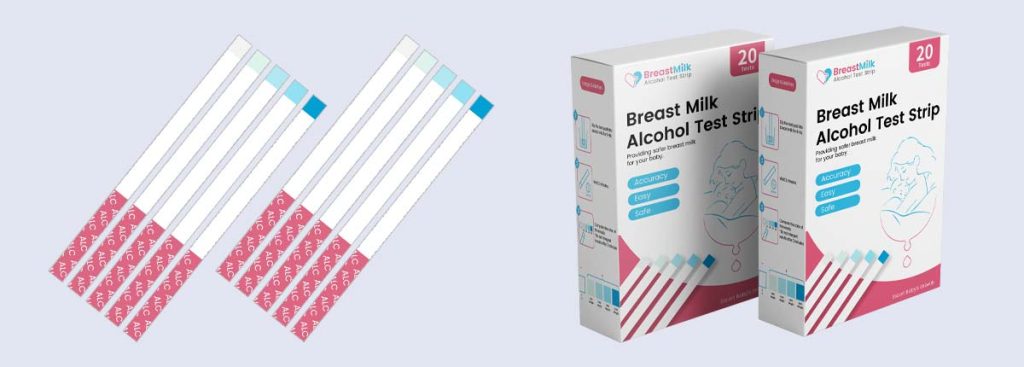
Many mothers use a breast milk alcohol test strip for guidance.
Breast milk test strips change color with alcohol concentration, but doctors question their accuracy since they are not medical grade.
Parents should follow evidence-based breastfeeding guidelines and use available resources. The CDC and Washington State Department of Health offer reliable information for breastfeeding families. Occasional, moderate alcohol use can be managed safely with proper precautions. Support and education help families make informed breastfeeding choices.
| Resource | Description |
|---|---|
| Lactation Guidance and Patient Education | Offers evidence-based materials on risks and harm reduction for breastfeeding and alcohol use. |
| Drinking Guidelines for Pregnancy and Breastfeeding | CDC guidance on safe alcohol use during breastfeeding. |
FAQ
Does Alcohol Stay in Breast Milk Until It Is Pumped Out?
Alcohol leaves breast milk as it leaves the bloodstream. Pumping and discarding milk does not speed up this process. Only time reduces alcohol levels in both blood and milk.
Can Occasional Drinking Harm a Breastfed Baby?
Occasional moderate drinking rarely causes harm. Most experts agree that one standard drink, followed by a waiting period, poses minimal risk. Heavy or frequent drinking increases the chance of negative effects.
How Long Should a Mother Wait After Drinking Before Breastfeeding?
Most health organizations recommend waiting at least two hours after one standard drink. Longer waiting times are needed for additional drinks. This allows the body to process and remove most of the alcohol.
Are Breast Milk Alcohol Test Strips Reliable?
Many experts question the accuracy of breast milk alcohol test strips. These strips may not provide precise results. Health professionals recommend following evidence-based guidelines for timing and moderation instead.