


Chronic low-level drinking poses less risk to infants than occasional binge drinking, but both can affect breast milk quality and infant development. Alcohol enters breast milk quickly, and its impact depends on timing and amount. Most mothers who drink while breastfeeding use strategies to reduce infant exposure.
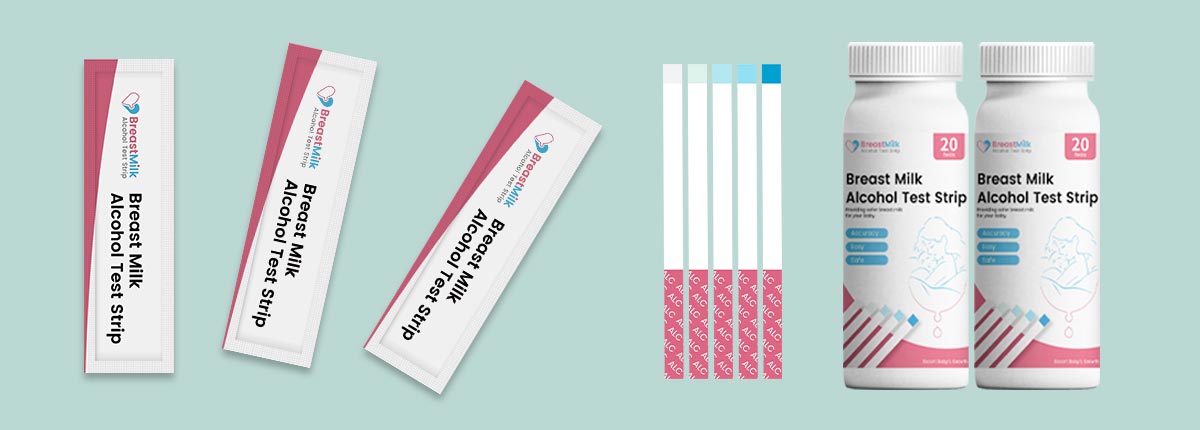
Parents can check alcohol levels with breast milk alcohol test strips to help ensure safety.
Key Takeaways
- Chronic low-level drinking poses fewer risks to infants than binge drinking, but both can affect breast milk quality.
- Alcohol in breast milk peaks 30-90 minutes after drinking; wait at least 2 hours after a drink before breastfeeding.
- Monitor your infant for changes in behavior and feeding after alcohol exposure; this helps ensure their safety.
- Use alcohol breast milk test strips cautiously; they may not be reliable and should not replace timing strategies.
- Plan to breastfeed before drinking and store expressed milk for later use to minimize infant exposure.
Alcohol Transfer to Breast Milk
How Alcohol Enters Breast Milk?
Alcohol moves from a mother’s bloodstream into breast milk through a process that mirrors blood alcohol levels. When a woman drinks alcohol, less than 2% of the consumed alcohol reaches breast milk. The concentration of alcohol in breast milk rises and falls alongside the levels in her blood. This means that pumping and discarding breast milk does not remove alcohol if it remains in the bloodstream. The transfer of alcohol in breast milk depends on several factors, including the mother’s metabolism, the amount consumed, and whether she has eaten food.
| Factor Influencing Alcohol Transfer | Description |
|---|---|
| Pharmacological Effects | Alcohol affects both the mother and infant, potentially altering milk ejection reflex and infant feeding behavior. |
| Milk Composition | Ethanol consumption may change the composition of milk, affecting caloric intake despite reduced volume. |
| Sensory Changes | Changes in flavor due to alcohol may influence infant feeding behavior, as infants may consume less milk in response to altered taste. |
Timing and Peak Levels
Alcohol in breast milk reaches its highest point about 30 to 90 minutes after drinking. The exact timing varies based on individual metabolism and whether the mother eats food with the alcohol. Experts recommend waiting at least two hours per standard drink before breastfeeding. This guideline helps reduce the amount of alcohol in breast milk and lowers the risk to the infant.
- Alcohol concentration in breast milk peaks approximately 30-90 minutes after maternal ingestion.
- The timing can change depending on food intake and individual metabolism.
Using a Breast Milk Alcohol Test Strip
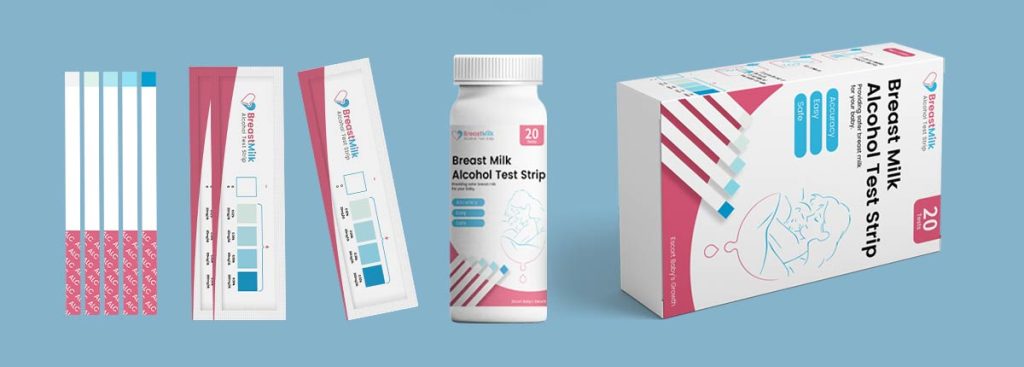
Some parents use a breast milk alcohol test strip to check for alcohol in breast milk before feeding their baby. Health experts, including the American Academy of Pediatrics, caution that these test strips are not necessary and lack reliable accuracy compared to laboratory testing. Maria Parlapiano, a registered nurse and lactation consultant, describes the test strips as inaccurate and a waste of money. Despite skepticism, some parents find reassurance in using a breast milk alcohol test strip as an extra safety measure.
Tip: Parents should rely on timing guidelines and avoid breastfeeding when feeling the effects of alcohol. Test strips may offer peace of mind, but scientific evidence does not support their accuracy.
Several studies have explored alcohol transfer to breast milk and its effects on infants. Notable research includes articles published in journals such as the New England Journal of Medicine, Nutr Diet, Basic Clinical Pharmacology & Toxicology, and Pediatrics.
| Study Title | Citation | Link |
|---|---|---|
| Drinking or smoking while breastfeeding and later developmental health outcomes in children | N Engl J Med. 1989;321(7):425–30. | https://link.springer.com/article/10.1186/s13104-020-05072-8 |
| Alcohol and lactation: a systematic review | Nutr Diet. 2006;63(2):103–16. | https://doi.org/10.1111%2Fj.1747-0080.2006.00056.x |
| Alcohol and breastfeeding | Basic Clin Pharmacol Toxicol. 2014;114(2):168–73. | https://doi.org/10.1111%2Fbcpt.12149 |
| Alcohol, breastfeeding, and development at 18 months | Pediatrics. 2002;109(5):E72. | https://doi.org/10.1542%2Fpeds.109.5.e72 |
| Alcohol consumption by breastfeeding mothers: frequency, correlates and infant outcomes | Drug Alcohol Rev. 2017;12(3):829. | N/A |
Effects of Chronic Low-Level Drinking
Definition and Patterns
Chronic low-level drinking refers to regular, moderate maternal alcohol consumption during lactation. Nursing mothers may consume one standard drink daily or less, often believing that small amounts have minimal effects on breast milk and infant development. This pattern differs from binge drinking, which involves higher alcohol intake over a short period.
Impact on Milk Production
Current research shows no clear association between maternal alcohol consumption and changes in breast milk production or composition. Experts have not found definitive evidence that alcohol affects milk supply or the nutritional quality of breast milk. The effects on lactation remain uncertain, and mothers should consider individual differences in metabolism and supply.
- There is insufficient evidence to determine any association between maternal alcohol consumption at any level during lactation and milk composition or milk production.
- No definitive conclusions can be drawn regarding the effects of maternal alcohol consumption on milk composition or production.
Immediate Infant Effects
Infants exposed to breast milk containing low levels of alcohol may experience changes in feeding and sleep patterns. Studies show that alcohol exposure can reduce milk intake in the first few hours after maternal consumption, but infants often compensate with increased feedings later.
| Time Period | Milk Intake Change | Statistical Value | p-value |
|---|---|---|---|
| 0-4 hours | -20% | paired t(11 df) = 2.35 | p = 0.04 |
| 8-12 hours | Compensated intake | paired t(11 df) = -2.13 | p = 0.05 |
| 8-12 hours | Increased feedings | paired t(11 df) = -2.24 | p = 0.04 |
Infant sleep and arousal may also change, with some infants showing shorter sleep duration after alcohol exposure through breast milk.
Long-Term Infant Outcomes
Research indicates that chronic low-level alcohol exposure during lactation can affect infant development. Infants exposed regularly to alcohol in breast milk may score lower on motor development tests. One study found that infants whose mothers consumed one or more drinks daily had a mean Psychomotor Development Index score of 98, compared to 103 for less exposed infants. Heavier maternal alcohol consumption during breastfeeding also correlated with reduced cognitive functioning, especially in abstract reasoning, in children aged six to seven years. These effects suggest that regular alcohol exposure can impact neurodevelopmental outcomes.
Breastfeeding Safety Guidelines
Experts recommend several safety guidelines for nursing mothers who choose to drink alcohol during lactation:
- Limit alcohol intake to one standard drink at a time.
- Wait 2-3 hours after drinking before breastfeeding.
- Monitor the infant for changes in behavior, feeding, or sleep.
- Consult a healthcare provider for personalized advice.
- Avoid alcohol during the first month postpartum while establishing milk supply.
- Do not drink if exclusively breastfeeding without alternative feeding options.
- Refrain from alcohol if the infant shows signs of sensitivity.
- Alcohol levels in breast milk reflect blood alcohol concentration, so timing is crucial.
Tip: The safest approach is to wait at least 2-3 hours after consuming one glass of wine before breastfeeding. This reduces alcohol exposure and supports healthy infant development.
Effects of Occasional Binge Drinking
Definition and Scenarios
Occasional binge drinking describes episodes when mothers consume a large amount of alcohol in a short period. This pattern differs from regular low-level maternal alcohol consumption. Mothers may engage in an occasional drink at social events or celebrations, leading to higher alcohol exposure for infants through breast milk. Research shows that binge drinking can result in a rapid increase in alcohol concentration in breast milk, which may affect infant development and sleep.
Disruption of Milk Letdown
Alcohol can disrupt the milk letdown reflex, making breastfeeding more difficult after binge drinking. Studies reveal that alcohol consumption greater than one drink may interfere with the letdown reflex. One study found that alcohol decreases oxytocin response and delays milk letdown. The table below summarizes these effects:
| Alcohol Dose (g/kg) | Effect On Oxytocin Response (%) | Delay In Milk Letdown (seconds) |
|---|---|---|
| 0.5 | 18 | 30 |
| 1.5 | 80 | 330 |
Alcohol also increases cortisol and prolactin levels, which may further affect breast milk production and infant feeding.
Immediate Infant Effects
Infants exposed to breast milk after maternal alcohol consumption may experience changes in sleep and feeding. Alcohol can reduce milk intake and disrupt infant sleep patterns. Some infants show shorter sleep duration and increased arousal. These effects may last several hours after exposure. Research suggests that alcohol exposure through breast milk can temporarily affect infant development and behavior.
Long-Term Infant Outcomes
Concerns exist about the long-term effects of alcohol exposure on infant development. The American Academy of Pediatrics advises against alcohol consumption while breastfeeding due to potential risks. Chronic maternal alcohol consumption may reduce breast milk production and negatively impact infant growth and cognitive development. Evidence suggests that repeated exposure to alcohol in breast milk can affect motor skills and sleep patterns in infants.
Breastfeeding After Binge Drinking
Mothers should wait before breastfeeding after a binge drinking episode. Health authorities recommend waiting at least two hours after a single standard drink to allow alcohol in breast milk to decrease. Timing and hydration play key roles in reducing infant exposure. Mothers should avoid breastfeeding while feeling the effects of alcohol. Monitoring infant sleep and development helps ensure safety. Research supports waiting periods and careful observation to protect infants from the effects of alcohol exposure.
Tip: Drinking water and waiting the recommended time before breastfeeding can help reduce risks for infants after occasional binge drinking.
Comparing Risks for Infant Health
Alcohol Exposure Differences
Alcohol exposure through breast milk varies depending on the drinking pattern of mothers. Chronic low-level drinking leads to consistent, smaller amounts of alcohol in breast milk. Occasional binge drinking causes sudden spikes in alcohol concentration, which can result in higher risks for infants. Research shows that alcohol levels in breast milk mirror maternal blood alcohol levels, peaking 30 to 60 minutes after consumption. Infants may experience reduced body mass and cognitive deficits due to alcohol exposure. Dose-dependent reductions in cognitive functions and academic abilities have been observed in children exposed to alcohol via breast milk. These effects can increase the risk of developmental issues, including Fetal Alcohol Spectrum Disorders (FASD), by age seven.
- Higher maternal drinking scores correlate with lower abstract reasoning abilities in children.
- Children who were breastfed showed dependent responses in cognitive tests, unlike those who were not breastfed.
- Alcohol exposure through breast milk is linked to negative developmental traits in children.
- These traits can lead to diagnoses of FASD.
Infant Sleep and Growth
Infant sleep and growth are sensitive to the effects of alcohol exposure. Studies comparing chronic low-level and occasional binge drinking reveal differences in sleep patterns and neurological development. Infants of binge drinking mothers showed abnormal EEG maturation and elevated total power of EEG across gestational age (Ioffe & Chernick, 1988). Alcohol-exposed infants had increased EEG power during REM and quiet sleep, which correlated with worse motor and mental development scores (Ioffe & Chernick, 1990). Heavy prenatal alcohol exposure led to more frequent arousals and disrupted sleep cycles in infants (Rosett et al., 1979).
| Study Reference | Findings |
|---|---|
| Ioffe & Chernick (1988) | Infants of binge drinking mothers showed abnormal EEG maturation and elevated EEG power. |
| Ioffe & Chernick (1990) | Alcohol-exposed infants had increased EEG power during REM and quiet sleep, linked to worse motor and mental development scores. |
| Rosett et al. (1979) | Heavy prenatal alcohol exposure led to more frequent arousals and disrupted sleep cycles. |
Alcohol in breast milk can also affect infant growth. Evidence shows that exposed infants may have reduced body mass and cognitive deficits. Children who experienced alcohol exposure through breast milk scored lower on personal-social interaction scales at 12 months, suggesting potential long-term impacts on social development.
Practical Risk Reduction
Research supports several practical strategies to reduce risks associated with alcohol exposure in breastfed infants. These strategies help protect infant development and health. Parents can limit alcohol intake, wait before breastfeeding, and monitor infant behavior. Health professionals recommend waiting at least two hours per standard drink before breastfeeding. Mothers should avoid breastfeeding while feeling the effects of alcohol. Increased knowledge and motivation to reduce alcohol use, improved access to health services, and strengthened peer and community support systems contribute to safer breastfeeding practices.
| Outcome Level | Description |
|---|---|
| Long-term | Reduced maternal alcohol use, improved HIV prevention behaviors, and decreased vertical HIV transmission |
| Intermediate | Improved alcohol use disclosure, increased uptake and adherence to PrEP/ART, and reduced stigma in accessing care |
| Immediate | Increased knowledge and motivation to reduce alcohol use, improved access to health services, and strengthened peer and community support systems |
Tip: Parents who plan to drink alcohol should time their breastfeeding sessions, use breast milk alcohol test strips for reassurance, and seek support from healthcare providers. These steps help minimize the effects of alcohol on infant development.
Managing Alcohol and Breastfeeding
Timing Feeds and Pumping
Parents can use several strategies to minimize infant exposure to alcohol during lactation. Timing plays a crucial role in reducing risks. They should plan to drink alcohol immediately after a breastfeeding session or as close to it as possible. This approach allows the body to metabolize alcohol before the next feed. If breasts become full before it is safe to nurse again, pumping or hand expressing helps maintain comfort and supports lactation. The expressed breast milk should be discarded if alcohol remains in the system.
Recommended Timing Strategies:
- Drink alcohol right after breastfeeding.
- Wait at least 2 hours after a single standard drink before nursing.
- Store expressed breast milk before drinking to feed the infant during the elimination period.
- For larger amounts of alcohol, extend the waiting period accordingly.
Pumping and discarding breast milk, often called “pump and dump,” does not remove alcohol from the milk or speed up its clearance. This practice serves to relieve engorgement and maintain lactation, not to cleanse the breast milk. If a mother needs to wait several hours before feeding, pumping can prevent a dip in supply and discomfort. The milk expressed during this time should be discarded if alcohol is still present.
The key takeaway here is that pumping supports comfort and milk production, not the removal of alcohol from breast milk.
Using Test Strips for Safety
Some parents use a breast milk alcohol test strip to check for alcohol before feeding. Experts remain skeptical about the reliability of these test strips. There is no consensus on how much alcohol can be safely present in breast milk during lactation. The British Medical Association advises against any alcohol consumption, while the Royal College of Obstetricians and Gynaecologists suggests that one or two units occasionally may be safe. Debate continues about the risks of low-to-moderate alcohol intake, and some experts warn that test strips could mislead parents and potentially harm infants.
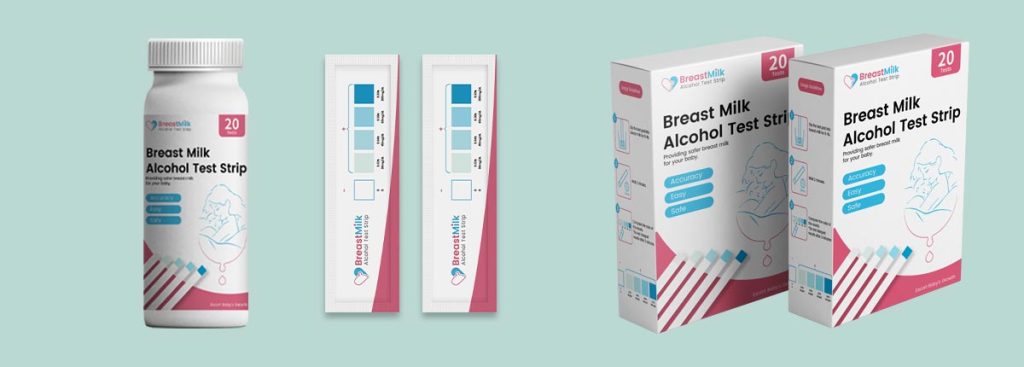
A breast milk alcohol test strip may offer reassurance, but parents should rely on timing strategies and observe their infant for changes in behavior. Using test strips as an extra precaution can help some parents feel more confident about safety, but scientific evidence does not support their accuracy.
| Strategy | Purpose | Notes |
|---|---|---|
| Timing feeds after alcohol | Minimize infant exposure | Wait at least 2 hours per drink |
| Pumping and discarding | Maintain lactation and comfort | Does not remove alcohol from breast milk |
| Breast milk alcohol test strip | Extra reassurance | Reliability is debated |
Tip: Parents should prioritize timing and monitoring over relying solely on breast milk alcohol test strips for safety during lactation.
Conclusion
Chronic low-level drinking presents fewer risks to infants than occasional binge drinking, but both can affect breast milk and child development. Recent studies show that higher levels of alcohol intake or binge episodes may lead to more difficulties for children. Parents should time feeds carefully, monitor their infant, and use breast milk alcohol test strips only for reassurance, since these tools may not always provide accurate results. Choosing to wait before breastfeeding, storing breast milk, and observing the baby’s behavior can help protect infant health and support parental confidence.
- Plan to feed before drinking.
- Store breast milk for later use.
- Use test strips with caution.
Parents can feel confident that careful timing and monitoring of breast milk help keep infants safe.
FAQ
How Does Maternal Alcohol Consumption Affect Breast Milk Production?
Maternal alcohol consumption can reduce breast milk production. Research shows that alcohol may disrupt the hormones responsible for milk supply. Mothers who drink regularly may notice changes in how much milk they produce.
What Are the Effects of Occasional Drink on Infant Development?
An occasional drink can lead to temporary effects on infant development. Evidence suggests that infants may experience changes in sleep patterns and feeding behavior. These effects usually resolve as alcohol leaves the mother’s system.
Can Alcohol Consumption Impact Infant Nutrition?
Alcohol consumption during breastfeeding can affect infant nutrition. Studies show that maternal alcohol consumption may change the composition of breast milk. Infants who receive milk after alcohol exposure may consume less, which can influence their nutrition.
Is There a Safe Level of Alcohol Consumption for Breastfeeding Mothers?
No safe level of alcohol consumption exists for breastfeeding mothers. Research indicates that even low levels of maternal alcohol consumption can affect infants. Experts recommend waiting until blood alcohol concentration drops before nursing.
How Long Should Mothers Wait After Alcohol Consumption Before Breastfeeding?
Mothers should wait at least two hours per standard drink after alcohol consumption before breastfeeding. This waiting period helps reduce alcohol exposure for infants and supports healthy infant development. Timing feeds can help maintain milk supply and infant nutrition.