


No, pumping and dumping does not clear alcohol from breast milk faster. Alcohol in breast milk mirrors those in the bloodstream, rising and falling together. Researchers observe that alcohol peaks in breast milk about 30 to 60 minutes after drinking, or 60 to 90 minutes when consumed with food. Experts, including Thomas W. Hale, confirm that the plasma/milk ratio for alcohol is about 1, showing close correspondence. Only time allows the body to metabolize and remove alcohol from both blood and milk.
Key Takeaways
- Pumping and dumping does not remove alcohol from breast milk. Only time allows the body to metabolize alcohol.
- Alcohol in breast milk mirrors those in the bloodstream. Wait at least two hours per standard drink before breastfeeding.
- Factors like body weight and metabolism affect how quickly alcohol leaves breast milk. Consider these when planning feeds.
- Moderation is key. Limit alcohol intake to one standard drink per day to minimize risks for your baby.
- Consult healthcare providers for personalized advice on alcohol consumption and breastfeeding to ensure safety.
Alcohol in Breast Milk
How Alcohol Enters Milk?
Alcohol moves from the mother’s bloodstream into breast milk through a process called passive diffusion. The concentration of alcohol in breast milk closely matches the concentration in the blood. Several factors influence how alcohol enters milk:
- Alcohol passes freely from blood into breast milk.
- The concentration of alcohol in milk is similar to that in blood.
- Pharmacokinetic properties, solubility, pH, molecular weight, and protein binding affect transfer.
- Lipid-soluble drugs penetrate milk in higher concentrations.
- Alcohol, as a small water-soluble molecule, travels through aqueous pores in cell membranes.
- The degree of protein binding determines how much alcohol enters milk; unbound alcohol moves more easily.
- For weak acids and bases, pKa, plasma concentration, and the pH of milk and plasma influence excretion.
Alcohol in breast milk rises and fall with blood alcohol levels. Peak alcohol levels in both blood and milk usually occur 30 minutes to an hour after drinking. Hormonal changes related to lactation can also affect how alcohol moves into milk. Individual differences, such as metabolism and body weight, may change the timing and rate of alcohol transfer.
Note: Alcohol does not stay in milk permanently. The body continues to process and remove alcohol over time.
How Alcohol Leaves Milk?
Alcohol leaves breast milk as the mother’s body metabolizes and eliminates it from the bloodstream. The removal process depends on how quickly the liver breaks down alcohol. As blood alcohol levels drop, the concentration in breast milk also decreases. The standard guideline suggests that it takes about 2 hours for every standard drink to be metabolized. Most people need 2 to 3 hours to clear one standard drink from their system.
The duration alcohol remains in breast milk varies. Factors such as the mother’s weight, the amount of alcohol consumed, and her metabolic rate all play a role. Newly produced milk will still contain alcohol until the body has processed and removed it. Pumping milk does not speed up the elimination of alcohol. Only time allows alcohol to leave both blood and milk.
Tip: Waiting for alcohol to clear naturally is the safest way to ensure breast milk is free of alcohol.
Pumping and Dumping Myths
Why It Doesn’t Work?
Many parents believe that pumping and dumping can remove alcohol from breast milk faster. This idea remains one of the most common myths about breastfeeding after drinking. Scientific studies show that pumping and dumping does not speed up the removal of alcohol from milk. The concentration of alcohol in breast milk matches the level in the bloodstream. As the body processes alcohol, the amount in both blood and milk decreases at the same rate.
Lactation experts agree that expressing and discarding milk does not eliminate alcohol from the body. Alcohol does not evaporate from pumped milk. It stays in the milk until the mother’s liver metabolizes it. Pumping and dumping may help relieve breast fullness or prevent engorgement, but it does not make the milk alcohol-free any faster.
Note: Pumping and dumping does not change how quickly alcohol leaves breast milk. Only time allows the body to clear alcohol.
Some common myths about pumping and dumping include:
- Pumping out contaminated milk once makes it clean.
- Drinking water speeds up alcohol removal.
- You can remove alcohol from pumped milk.
- Alcohol increases milk supply.
- Discard all milk after taking medication.
The facts show that none of these beliefs help remove alcohol from breast milk. The only way to ensure milk is free of alcohol is to wait for the body to process it.
What Actually Removes Alcohol?
The liver plays the main role in removing alcohol from the bloodstream and breast milk. As the liver breaks down alcohol, its concentration drops in both blood and milk. The process depends on factors like body weight, the amount consumed, and individual metabolism. On average, it takes about two to three hours for one standard drink to leave the system.
Pumping and dumping does not affect this process. Alcohol leaves breast milk only as it leaves the bloodstream. If a mother drinks, she must wait for her body to metabolize the alcohol before her milk becomes safe for the baby. Drinking water, coffee, or other fluids does not speed up this process.
- Alcohol enters breast milk in a concentration similar to blood alcohol levels.
- The liver metabolizes alcohol at a steady rate.
- Less than 2% of the alcohol a mother drinks reaches her milk.
- Infants process alcohol much more slowly than adults.
Tip: Waiting for the body to metabolize alcohol is the safest way to protect the baby. Pumping and dumping may help with comfort, but it does not remove alcohol from milk.
How Quickly Alcohol Leaves Milk?
Factors Affecting Clearance
Several factors influence how quickly alcohol leaves breast milk. Each person’s body processes alcohol at a different rate. The following table outlines the main factors that affect clearance:
| Factor | Description |
|---|---|
| Amount of Alcohol | The more alcohol consumed, the longer it stays in breast milk. |
| Body Weight | Larger individuals may process alcohol more slowly due to greater body mass. |
| Metabolism Rate | A faster metabolism allows quicker processing of alcohol, while a slower metabolism retains it longer. |
| Type of Drink | Different drinks have varying alcohol content, affecting clearance time. |
| Food Intake | Eating while drinking can slow absorption, leading to lower alcohol concentration in milk. |
Body weight and metabolism play a significant role. Heavier individuals often metabolize alcohol more quickly than lighter individuals. The type of drink also matters. Drinks with higher alcohol content take longer to clear from the body. Food intake can slow the absorption of alcohol, which may result in lower concentrations in breast milk.
Infants process alcohol much more slowly than adults. Newborns, in particular, metabolize alcohol at about half the rate of adults. This slower rate means that even small amounts of alcohol in breast milk can affect a baby for a longer period.
Tip: Mothers should consider these factors when deciding when to breastfeed after drinking.
Typical Timeframes
Understanding how quickly alcohol leaves breast milk helps parents make informed decisions. The average time for one standard drink to clear from breast milk is about two hours. The following table shows the estimated detection times for different amounts of alcohol:
| Standard Drinks Consumed | Estimated Time Alcohol Detectable in Breast Milk |
|---|---|
| 1 | 2-3 hours |
| 2 | 4-5 hours |
| 3 | 6-8 hours |
The American Academy of Pediatrics recommends waiting at least two hours after consuming one standard drink before breastfeeding. This guideline helps minimize the concentration of alcohol in breast milk. Drinking in moderation is generally considered compatible with breastfeeding, but timing remains important.
Newly pumped milk will still contain alcohol if the body has not finished metabolizing it. Pumping and discarding milk does not speed up the process. Only time allows the body to clear alcohol from both blood and milk. For more detailed information, some studies provide charts that estimate clearance times based on maternal weight and the number of drinks consumed.
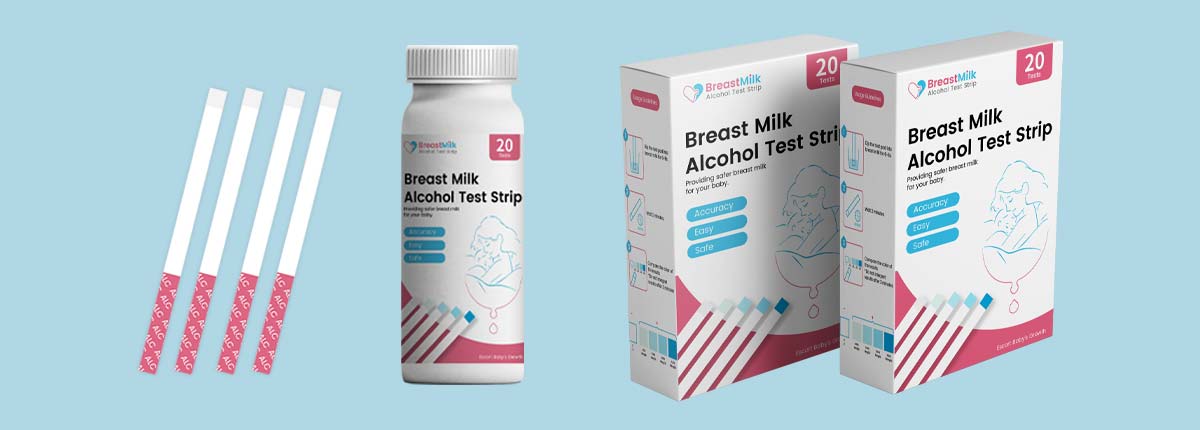
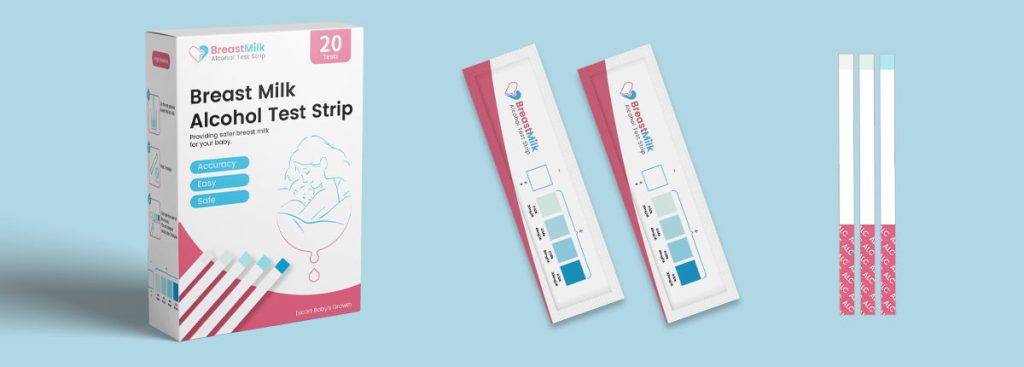
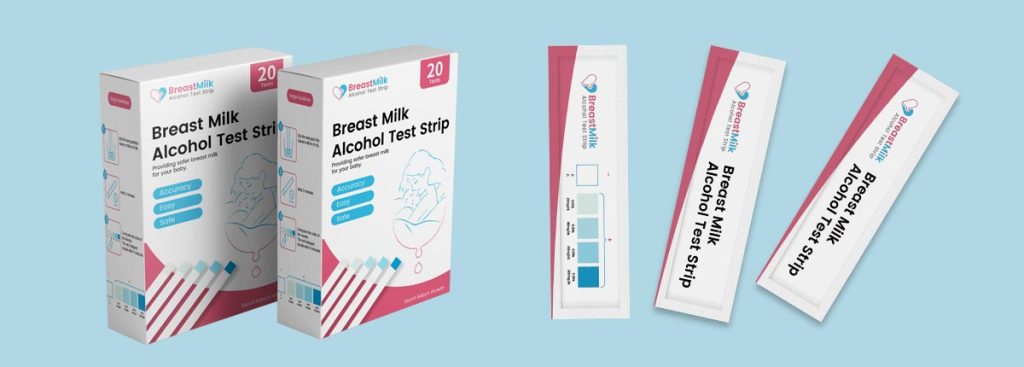
Note: The safest approach is to wait until the body has fully processed the alcohol before breastfeeding. Using a breast milk alcohol test strip can provide extra reassurance.
Breastfeeding After Drinking
Timing Feeds Safely
Parents who plan to drink should consider several strategies to keep breastfeeding safe. Experts recommend feeding the baby or expressing milk before consuming any drinks. Planning ahead allows parents to have milk ready for later feeds. After drinking, waiting at least two hours per standard drink before breastfeeding helps reduce the baby’s exposure. For every additional drink, parents should add another two to three hours before the next feed. If a parent expects to attend a social event, expressing milk in advance provides a safe option for the baby. Some mothers may notice breast fullness if they wait longer between feeds, so expressing for comfort can help.
Tip: Limiting intake to one standard drink per day and enjoying it with a meal can further reduce risks during breastfeeding.
Using a Breast Milk Alcohol Test Strip
Some parents consider testing breast milk for alcohol using a breast milk alcohol test strip. Health experts, however, question the reliability of these strips. The American Academy of Pediatrics states that these products lack sufficient evidence and do not measure exact concentrations. Many strips have not undergone rigorous medical testing, and user error can affect results. Lactation consultants warn that these strips may create a false sense of security. Scientific studies do not fully support their accuracy. Instead of relying on alcohol breast milk test strip, experts suggest careful planning and limited drinking as the safest approach for breastfeeding families.
What If Baby Needs to Feed Early?
Sometimes, a baby may need to breastfeed before the recommended waiting period ends. In these cases, parents can follow best practices to protect the infant:
| Best Practice | Description |
|---|---|
| Avoid Alcohol | The safest option for breastfeeding mothers is to avoid alcohol entirely. |
| Moderation Is Key | Up to one standard drink per day is generally not known to harm the infant. |
| Timing For Safety | Wait at least 2 hours after a single drink before breastfeeding. |
| Practical Guidelines | Limit alcohol consumption to one drink per day or less. |
| Eat Something | Enjoy your drink with a meal. |
| Wait To Breastfeed | After consuming alcohol, wait 2 hours per drink before breastfeeding. |
| Expressing Milk | Use previously expressed milk if unable to wait; expressing does not speed up clearance. |
Feeding before alcohol clears from breast milk can lead to risks such as drowsiness, weakness, and disrupted sleep in infants. Some studies show a reduction in milk intake and possible impacts on early development. Parents should always prioritize the baby’s safety when making breastfeeding decisions.
Safe Drinking and Breastfeeding
Occasional vs. Heavy Drinking
Researchers have found that occasional alcohol consumption during breastfeeding usually has minimal effects on infant development. When a mother drinks in moderation, the blood alcohol level in her system rises and falls in a predictable way. Low doses of alcohol in breast milk may cause slight changes in motor development, but mental development remains unaffected. Heavy drinking, especially binge drinking with more than five drinks per occasion, poses much greater risks. Infants exposed to high levels of alcohol through breast milk face severe developmental challenges.
Parents should understand the difference between drinking in moderation and heavy drinking. The risks associated with heavy drinking include long-term effects such as growth delays, physical anomalies, and cognitive or behavioral deficits. Chronic exposure can depress head circumference and hinder brain development. The following list highlights some of the long-term consequences:
- Increased risk of diagnoses on the Fetal Alcohol Spectrum Disorders continuum
- Growth delays and physical anomalies
- Cognitive and behavioral deficits
- Poor brain development
Choosing moderation and timing feeds carefully improves safety for both mother and baby. Experts recommend consuming alcohol right after nursing or pumping and waiting at least two hours per drink before breastfeeding again. This approach helps keep blood alcohol level low during feeding and supports the baby’s well-being.
Talking to Your Provider
Parents often benefit from discussing alcohol consumption and breastfeeding with their healthcare provider. Open communication allows for tailored advice and support. Providers can explain how alcohol affects breast milk and infant health. They can also address the impact of alcohol consumption on parenting and lactation.
Questions parents may ask include:
- What are the biological effects of alcohol on breast milk and infants?
- How does alcohol consumption influence parenting and lactation?
- Why is nonjudgmental support important when discussing these topics?
Providers recommend several resources and strategies for concerned parents:
- Alcohol easily enters breast milk, and no known safe amount exists for breastfeeding.
- Avoid alcohol while nursing whenever possible.
- Alcohol can change the taste of breast milk, which may lead to decreased intake by the baby.
- Timing matters: consume alcohol after nursing or pumping, and wait at least two hours per drink before breastfeeding.
Parents who feel their alcohol consumption affects breastfeeding should seek evaluation and support. Providers can help families make healthier choices and ensure safety for both mother and child.
Tip: Moderation and honest conversations with healthcare providers help maintain safety and support healthy development.
Conclusion
Scientific research shows that pumping and dumping does not speed up alcohol removal from breast milk. The safest approach involves waiting for alcohol to clear naturally, as breast milk alcohol levels match those in the bloodstream. Parents can limit drinking, time feeds carefully, and use breast milk alcohol test strips for reassurance. Reliable resources, such as The Breastfeeding Network factsheet, offer up-to-date guidance. Consulting healthcare providers helps families make informed decisions and protect infant health.
- The Breastfeeding Network offers evidence-based guidelines.
- Parents can contact experts for personalized advice.
FAQ
Does Pumping and Dumping Remove Alcohol from Breast Milk?
Pumping and dumping does not remove alcohol from breast milk. The alcohol level in breast milk matches the blood alcohol level. Only time allows the body to clear alcohol from both blood and breast milk.
How Long Does Alcohol Stay in Breast Milk?
Alcohol can stay in breast milk for about two to three hours per standard drink. The exact time depends on body weight, metabolism, and the amount consumed. Breast milk will contain alcohol until the body fully processes it.
Can Drinking Water or Coffee Clear Alcohol from Breast Milk Faster?
Drinking water or coffee does not speed up alcohol removal from breast milk. The liver breaks down alcohol at a steady rate. Breast milk becomes alcohol-free only when the blood alcohol level drops naturally.
Is It Safe to Breastfeed If There Is Alcohol in Breast Milk?
Breastfeeding when alcohol is present in breast milk can expose the baby to risks. Infants process alcohol slowly. Experts recommend waiting until breast milk is free of alcohol before feeding to ensure safety.
What Should Parents Do If the Baby Needs to Feed Before Alcohol Leaves Breast Milk?
If a baby needs to feed before alcohol leaves breast milk, parents can use previously expressed breast milk. Expressing milk after drinking does not make breast milk safe. Planning ahead helps keep breast milk free of alcohol for the baby.