


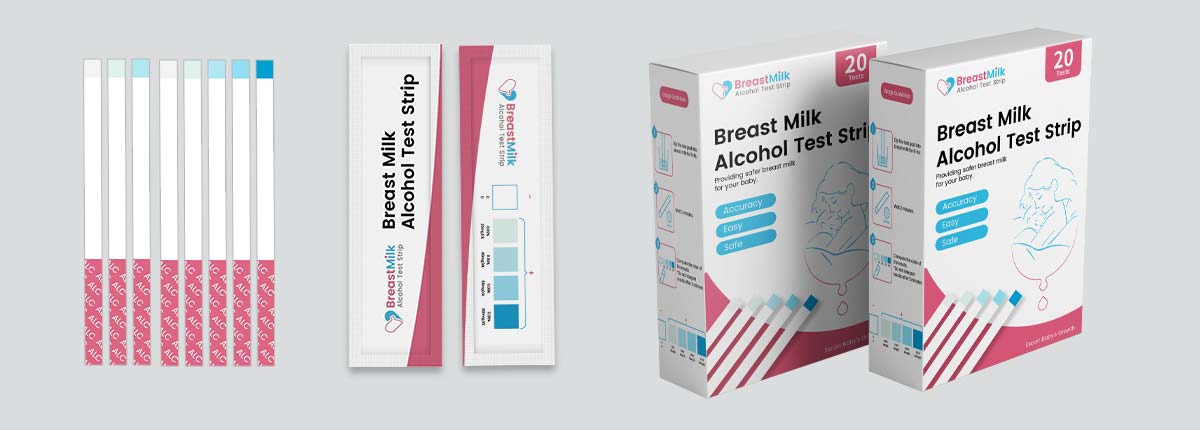
Nursing moms often wonder if breast milk test strips or a personal breathalyzer offers more reliable guidance when breastfeeding after alcohol consumption. Experts note that alcohol in breast milk can disrupt infant sleep and lower milk intake, which makes safety a top priority. Many parents seek practical tools to protect their babies and value accuracy and convenience. This post aims to support every mom’s decision-making by offering clear answers and correcting common misconceptions, while sharing up-to-date expert insights.
Key Takeaways
- Breast milk test strips may not provide reliable results for alcohol detection, while breathalyzers offer a more accurate estimate of blood alcohol content.
- Using a breathalyzer can help nursing moms make informed decisions about breastfeeding after drinking, reducing anxiety about alcohol exposure.
- Breast milk test strips are easier to use at home and less expensive per test, but they may lead to confusion due to their accuracy issues.
- Experts recommend waiting until blood alcohol content returns to zero before breastfeeding to ensure the baby’s safety.
- Consulting healthcare professionals remains essential for nursing moms to address concerns about alcohol and breastfeeding.
Quick Comparison of Breast Milk Test Strips and Breathalyzers
Main Differences
| Feature | Breast Milk Test Strips | Personal Breathalyzers |
|---|---|---|
| Accuracy | May not reliably detect alcohol; experts question their accuracy | Designed to measure blood alcohol content (BAC) in breath; generally more reliable |
| Ease of Use | Requires expressing a milk sample | Involves blowing into a device |
| Cost | Usually less expensive per test | Higher upfront cost, reusable |
| Peace of Mind | Some uncertainty due to limited research | Offers clear BAC readings, but does not directly measure milk alcohol levels |
- Breast milk test strips often appeal to those who want a direct answer about alcohol in breast milk. However, some health experts, including the American Academy of Pediatrics, state that these strips are unnecessary and lack sufficient study. Breathalyzers, on the other hand, measure alcohol in the breath, which correlates with blood alcohol levels but not directly with breast milk.
Key Similarities
- Both tools aim to help nursing mothers make safer decisions about breastfeeding after drinking alcohol.
- Each method provides a way to estimate the presence of alcohol, though neither guarantees complete safety for the baby.
- Both options offer convenience for parents who want to check alcohol levels before breastfeeding.
Note: Neither breast milk test strips nor breathalyzers replace professional medical advice. Parents should use these tools as guides, not as absolute guarantees of safety.
How Breast Milk Test Strips Work?
Testing Process
Breast milk test strips offer a straightforward way for mothers to check for alcohol in breastmilk before breastfeeding. The process begins when a person expresses a small sample of breastmilk into a clean container. They then dip a breast milk alcohol test strip into the sample. The strip contains special enzymes that interact with alcohol molecules. This interaction triggers a chemical reaction, which causes the strip to change color. The color shift indicates the presence and concentration of alcohol in the breastmilk. Most test kits include a chart that helps users compare the strip’s color to estimate alcohol levels.
- The scientific principles behind breast milk test strips include:
- The use of enzymes that react specifically with alcohol.
- A chemical reaction starts when the strip contacts the breastmilk sample.
- The strip displays a color change, which signals the amount of alcohol present.
Accuracy and Limitations
Breast milk alcohol test strips provide a quick answer, but their accuracy remains a concern among health professionals. The strips detect alcohol in breastmilk, but they may not measure the exact concentration. Factors such as milk temperature, timing after alcohol consumption, and the type of alcohol consumed can affect results. The strips do not account for how alcohol moves from the bloodstream into breastmilk, which varies from person to person. Some studies suggest that these strips may give false positives or negatives, leading to confusion for breastfeeding mothers.
Pros and Cons
| Pros | Cons |
|---|---|
| Easy to use at home | May not provide precise results |
| Quick results | Can be affected by milk conditions |
| Affordable for most families | Limited scientific validation |
| Offers reassurance for some moms | May cause unnecessary worry |
Breast milk test strips can help mothers feel more confident about breastfeeding after drinking alcohol. However, they should not replace professional advice or serve as the only method for making decisions about breastfed infants. Understanding the effects of alcohol on breastmilk and the limitations of these test strips helps parents make safer choices.
Using a Personal Breathalyzer for Breastfeeding Moms
How Breathalyzers Measure BAC?
Personal breathalyzers help individuals estimate blood alcohol concentration (BAC) by analyzing exhaled breath. These devices use different scientific methods to detect and measure alcohol levels. The table below summarizes the main types of breathalyzers and their operating principles:
| Type of Device | Principle of Operation |
|---|---|
| Photovoltaic Assays | Measure color change in a liquid due to a redox reaction when ethanol is detected. |
| Infrared Spectroscopy | Measures spectral changes in breath by passing NIR radiation through the sample, specifically for ethanol. |
| Fuel Cell Devices | Oxidation of ethanol into acetaldehyde on an electrode cell, measuring current output proportional to ethanol level. |
| Semiconductor Devices | Change in conductance of metal oxide layers in the presence of ethanol, still in early development stages. |
Fuel cell devices are the most common for personal use. They provide reliable readings and are easy to operate. These devices do not measure alcohol in breastmilk directly, but they give a good estimate of BAC, which can help guide breastfeeding decisions.
Reliability for Alcohol and Breastfeeding
Breathalyzers offer a practical way for mothers to check their BAC before breastfeeding. The BAC reading reflects the amount of alcohol in the bloodstream, which closely matches the level in breastmilk. However, the device does not account for individual differences in alcohol metabolism. Factors such as body weight, food intake, and time since drinking can affect results. While breathalyzers provide a reliable estimate, they cannot guarantee that breastmilk is completely free of alcohol. Health professionals recommend waiting until BAC returns to zero before breastfeeding to minimize infant exposure.
Tip: For the most accurate results, wait at least 15 minutes after drinking or eating before using a breathalyzer.
Pros and Cons
The table below highlights the main advantages and disadvantages of different types of breathalyzers for mothers concerned about alcohol exposure during breastfeeding:
| Type of Breathalyzer | Pros | Cons |
|---|---|---|
| Single-use strips | Compact, inexpensive, and easy to carry around. | Less accurate than electronic breathalyzers; influenced by recent food consumption. |
| Mobile Apps | Convenient as most people always have smartphones. | Only provides estimates, not actual BAC measurements; reliability varies. |
| Professional Blood Tests | Highly accurate. | Invasive, not immediate, and impractical for casual use. |
| Smart Wearables | Continuous monitoring and real-time updates. | Might not be as accurate as blood tests or high-quality breathalyzers; requires consistent wear. |
Personal breathalyzers give mothers a sense of control and reassurance when making breastfeeding choices after drinking alcohol. They are easy to use and provide quick feedback. However, they do not directly measure alcohol in breastmilk, and results can vary based on device quality and user habits.
Breast Milk Test Strips vs. Breathalyzers: Which Is Better?
Accuracy and Safety for Drinking While Breastfeeding
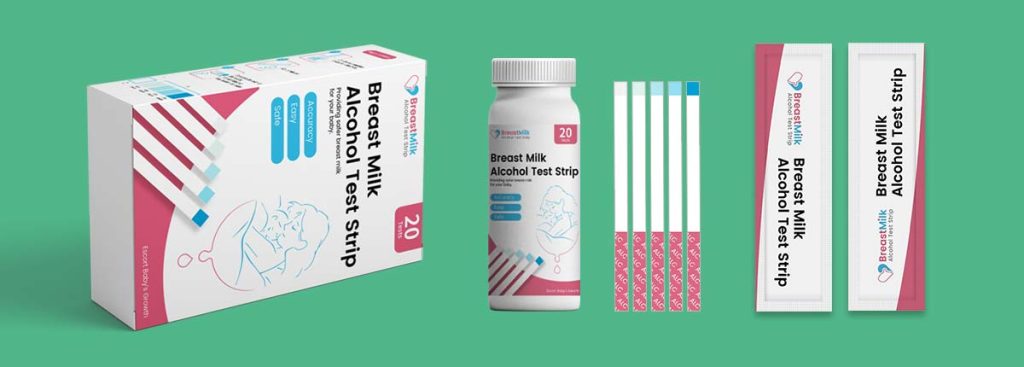
Accuracy plays a critical role when mothers decide whether it is safe to nurse after alcohol consumption. Breast milk test strips claim to detect alcohol directly in breastmilk. However, studies show that these strips may not always provide reliable results. The color change on alcohol test strips can mislead mothers if the milk sample is too warm or if the timing after drinking is not ideal. Breathalyzers measure alcohol in the bloodstream by analyzing exhaled breath. The concentration of alcohol in blood closely matches the level in breastmilk, so breathalyzers offer a more consistent estimate. Experts agree that waiting until blood alcohol content returns to zero before breastfeeding reduces the risk to the infant.
| Method | Directly Measures Alcohol in Breastmilk | Reliable Estimate of Safety | Risk of False Results |
|---|---|---|---|
| Breast Milk Test Strips | Yes | Low | Moderate |
| Breathalyzers | No (measures BAC) | High | Low |
Mothers who want to ensure their baby’s safety should consider the impact of drinking alcohol on breastfed infants. Breathalyzers provide a clearer picture of when it is safe to nurse, while breast milk test strips may leave some uncertainty.
Convenience and Cost
Convenience and cost influence the choice between breast milk test strips and breathalyzers. Breast milk test strips are easy to use at home and cost less per test. Mothers only need to express a small amount of breastmilk and dip the strip. Breathalyzers require a higher upfront investment, but they are reusable and provide instant results. Some breathalyzers connect to mobile apps for added convenience. The pump and dump method, often used by nursing moms, can waste breastmilk and may not be necessary if accurate testing is available.
- Breast milk test strips:
- Affordable for most families
- Single-use, so costs add up over time
- Simple process: express, dip, compare
- Breathalyzers:
- Higher initial cost
- Reusable for multiple tests
- Quick results without needing to pump and dump
Tip: Mothers who breastfeed regularly may find breathalyzers more cost-effective in the long run, especially if they want to test frequently after moderate alcohol consumption.
Peace of Mind for Moms
Peace of mind matters for nursing moms who want to protect their baby while enjoying occasional alcohol. Breast milk test strips offer reassurance for some mothers, but doubts about accuracy can cause stress. Breathalyzers give a clear reading of blood alcohol content, helping mothers decide when it is safe to nurse. The ability to test before breastfeeding and avoid unnecessary pump and dump routines helps moms feel confident about their choices.
- Moms who use breathalyzers often report less anxiety about the effects of alcohol and breastfeeding.
- Breast milk test strips may help mothers who prefer a direct test of breastmilk, but expert guidance suggests relying on BAC readings for safety.
- Both methods support informed decisions, but breathalyzers align more closely with current recommendations for minimizing the impact of drinking while breastfeeding.
Note: Consulting a healthcare provider remains the best way to address concerns about alcohol and breastfeeding. Both breast milk test strips and breathalyzers serve as helpful tools, but professional advice ensures the safety of every baby and mother.
Real-Life Scenarios: Drinking While Breastfeeding
When to Use Breast Milk Test Strips?
Many mothers face uncertainty after consuming alcohol and want to ensure their milk is safe for their baby. Breast milk test strips often provide reassurance in these situations. Mothers typically use these strips in the following scenarios:
- After a social event or dinner where alcohol was consumed, a mother may want to check her milk before the next nursing session.
- Some mothers test their milk multiple times after drinking to monitor changing alcohol levels and decide when breastfeeding can safely resume.
- When a mother feels unsure about how much alcohol remains in her milk, she may use a test strip to avoid guesswork and gain peace of mind.
These strips help mothers feel more confident about breastfeeding, especially when they want to avoid exposing their baby to alcohol. The ability to test at home offers convenience and a sense of control.
When a Breathalyzer Is Preferable?
A personal breathalyzer becomes the preferred tool in situations where accuracy and consistency matter most. Mothers who want a reliable estimate of alcohol in their bloodstream often choose a breathalyzer. This device works well when:
- A mother wants to know if her blood alcohol content has returned to zero before breastfeeding.
- She prefers not to express milk for testing and values a quick, non-invasive method.
- Frequent social occasions or regular moderate drinking while breastfeeding make reusable breathalyzers more practical and cost-effective.
Breathalyzers provide a clear reading, which closely matches the alcohol in breast milk. This approach helps mothers avoid unnecessary pumping and dumping, and supports informed decisions about when to safely feed their baby. By using a breathalyzer, mothers can confidently plan their next nursing session and reduce anxiety about alcohol exposure.
Expert Advice on Alcohol and Breastfeeding
What Lactation Consultants Recommend?
Lactation consultants often guide mothers through questions about alcohol and breastfeeding. Many experts agree that breast milk test strips do not provide reliable results. Maria Parlapiano, a registered nurse and lactation consultant, explained that these strips lack accuracy and often waste money. She encourages mothers to focus on safe practices rather than rely on test strips. Dr. Maya Bunik from the University of Colorado School of Medicine also suggests that careful and limited alcohol use remains the best approach for mothers who breastfeed.
- Most lactation consultants recommend:
- Limiting alcohol intake while breastfeeding.
- Avoiding dependence on test strips for decisions about baby safety.
- Waiting until feeling sober before nursing the baby.
These recommendations help mothers protect their infant from the possible effects on babies that alcohol in breast milk can cause.
Pediatrician Guidance
Pediatricians also address concerns about alcohol and breastfeeding. They emphasize that alcohol passes quickly into breast milk and can affect the baby’s development. Most pediatricians advise mothers to wait at least two hours after a single drink before breastfeeding. For heavier drinking, they recommend waiting longer or using stored milk. Pediatricians warn that neither test strips nor breathalyzers guarantee complete safety for the baby.
Note: Pediatricians highlight that the safest choice is to avoid drinking while breastfeeding, especially for newborns or premature infants.
Pediatricians and lactation consultants agree that moderation and timing are key. They encourage mothers to plan ahead if they choose to drink alcohol. By following expert advice, mothers can reduce risks and support their baby’s health.
Conclusion
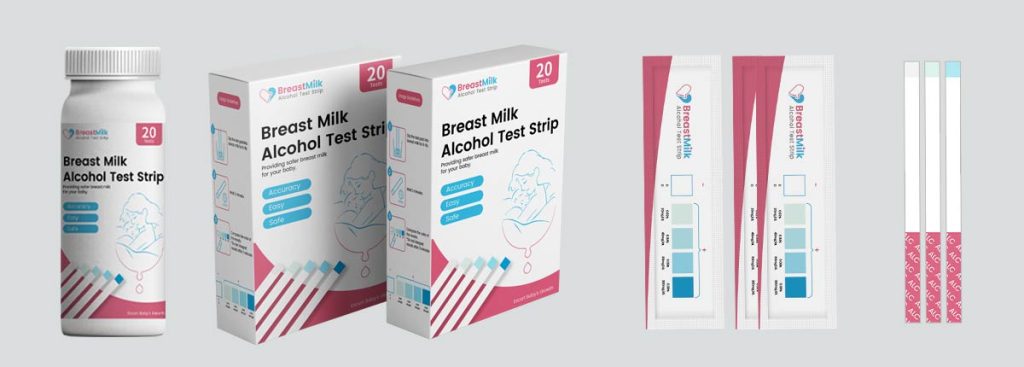
Personal breathalyzers offer nursing moms greater accuracy and reliability than breast milk test strips when making decisions about alcohol and breastfeeding. Experts recommend mothers nurse before drinking alcohol, wait at least two hours after each drink, and keep expressed milk available for their baby. They advise limiting alcohol intake and following safe sleep guidelines. Only a small percentage of mothers receive counseling about alcohol risks, so consulting healthcare professionals remains important. Prioritizing both peace of mind and the safety of the baby helps families make confident choices.
- Practical tips for safe breastfeeding after drinking alcohol:
- Use a calculator to estimate when it is safe to nurse again.
- Avoid being the sole caregiver if alcohol impairs judgment.
- Always place the baby on their back to sleep.
FAQ
How Long Does Alcohol Stay in Breast Milk?
Alcohol usually leaves breast milk at the same rate as it leaves the bloodstream. Most experts say one standard drink takes about two to three hours to clear. The exact time depends on body weight and metabolism.
Can Pumping and Dumping Remove Alcohol from Milk?
Pumping and dumping do not speed up the removal of alcohol from breast milk. Only time reduces alcohol levels. The body must metabolize the alcohol before breast milk becomes safe again.
Are Breast Milk Test Strips Safe to Use Regularly?
Breast milk test strips do not pose health risks when used as directed. However, experts question their accuracy. Frequent use may cause unnecessary worry or lead to false reassurance.
Do Breathalyzers Guarantee Safe Breastfeeding After Drinking?
Breathalyzers estimate blood alcohol content, which closely matches breast milk alcohol levels. They do not guarantee complete safety. Waiting until the reading shows zero offers the best protection for the baby.
What Should a Mother Do If Unsure About Alcohol in Her Milk?
A mother should wait longer before breastfeeding or use previously expressed milk. Consulting a healthcare provider gives the most reliable advice for her situation.