


Yes, a mom can enjoy a drink while breastfeeding if she follows safe guidelines. Many experts agree that responsible choices keep both mother and baby safe. Staying sober before nursing helps protect the baby’s health. Most mothers find that breastfeeding and social events like parties can mix well with the right timing. Some believe myths about alcohol and nursing, but evidence shows that moderate drinking and staying sober when feeding are both possible.
Tip: Sober feeding always ensures the safest experience for babies.
Key Takeaways
- Mothers can safely enjoy a drink while breastfeeding by timing it right. Feed the baby first, then wait at least two hours after one standard drink before nursing again.
- Moderation is key. Limit alcohol intake to one standard drink per day to minimize risks to both mother and baby.
- Avoid binge drinking or heavy drinking while breastfeeding. Excessive alcohol can harm infant development and reduce milk supply.
- Plan ahead for social events. Consider pumping milk in advance and choose non-alcoholic alternatives to enjoy the party without worry.
- Stay aware of your body. If you feel tipsy or impaired, wait longer before breastfeeding to ensure your baby’s safety.
Alcohol and Nursing: What You Need to Know?
Is It Safe to Drink While Breastfeeding?
Many mothers wonder if they can enjoy a drink at a party while breastfeeding. Experts agree that alcohol and nursing can coexist safely when mothers follow clear guidelines. Occasional, moderate drinking does not harm most babies if mothers time their drinks carefully. The safest approach involves feeding the baby first, then having a drink. This strategy allows the body time to process the alcohol before the next feeding.
Alcohol passes from the bloodstream into breast milk. The concentration in milk matches the level in the blood. After a standard drink, alcohol peaks in breast milk within 30 to 60 minutes. The body then begins to break it down. The amount of time alcohol stays in breast milk depends on how much a mother drinks. The following table shows how long alcohol remains detectable in breast milk after different numbers of drinks:
| Number of Drinks | Time Alcohol Detected in Breast Milk |
|---|---|
| 1 | 2-3 hours |
| 2 | 4-5 hours |
| 3 | 6-8 hours |
Mothers who plan to drink at social events should consider this timing. Feeding the baby before drinking gives the body more time to clear the alcohol. Waiting at least two hours after one standard drink before breastfeeding helps keep the baby safe.
Note: The safest choice is always to wait until no alcohol remains in the milk before nursing.
Key Safety Considerations
Alcohol and nursing require careful planning. Mothers should avoid frequent or heavy drinking while breastfeeding. Studies show that excessive alcohol consumption can affect both infant development and milk supply. The table below summarizes key findings from recent research:
| Study Focus | Findings |
|---|---|
| Infant Development | Excessive alcohol consumption during lactation negatively impacts infant weight and growth from 1 to 57 months. |
| Milk Supply | Alcohol inhibits oxytocin release, leading to a 23% reduction in milk release and can completely block oxytocin release. |
These findings highlight the importance of moderation. Drinking too much or too often can harm a baby’s growth and reduce the amount of milk a mother produces. Alcohol and nursing should never involve binge drinking or regular heavy use.
Mothers can balance alcohol and nursing by following these steps:
- Feed the baby before drinking.
- Limit intake to one standard drink.
- Wait at least two hours before breastfeeding again.
- Avoid drinking if the baby is very young or has special health needs.
Alcohol and nursing can fit into a modern mom’s social life with the right approach. Planning and moderation protect both mother and child.
How Alcohol Affects Breastmilk?
Alcohol Transfer to Milk
Alcohol moves from a mother’s bloodstream into her breastmilk. This process happens quickly. After a mother drinks, alcohol appears in her milk within about 30 to 60 minutes. The level of alcohol in breastmilk matches the level in her blood. As her body processes the alcohol, the amount in her milk drops. The body removes alcohol over time, so the concentration in breastmilk decreases as the mother sobers up.
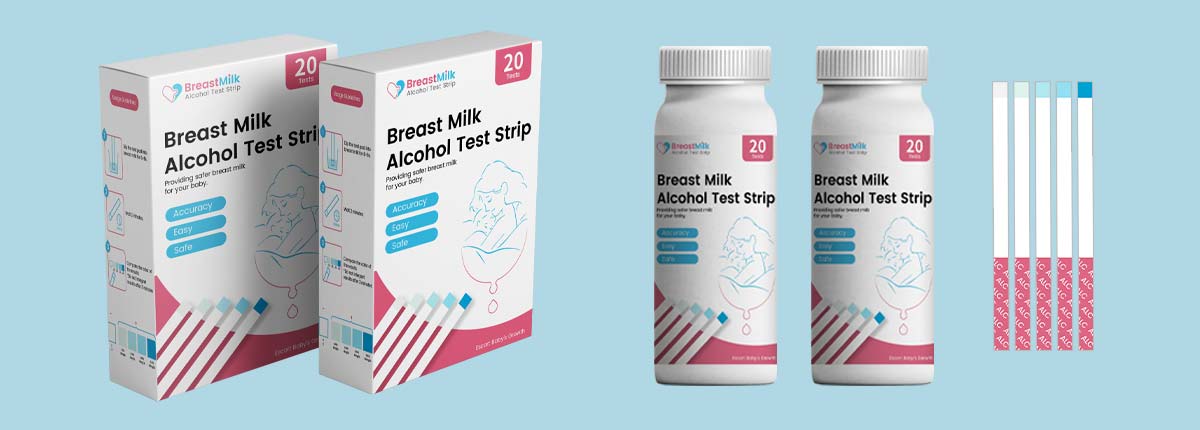
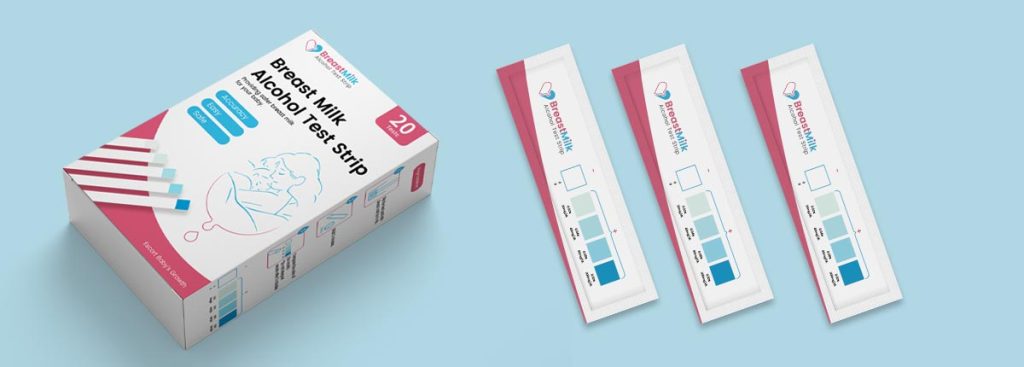
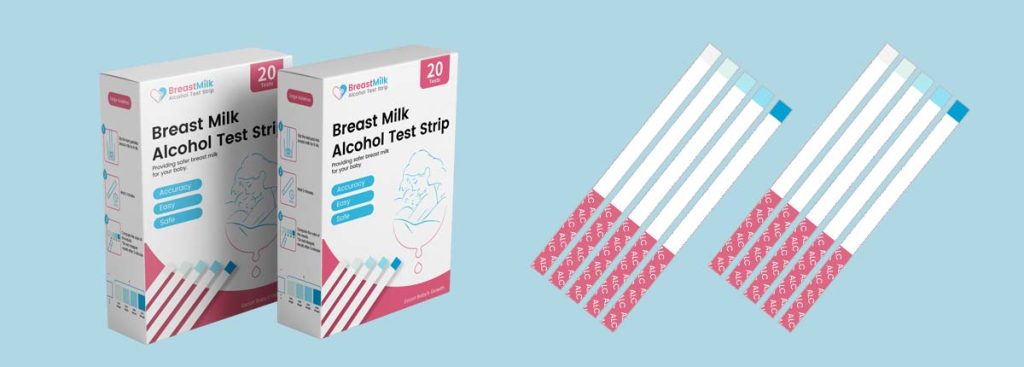
A breast milk alcohol test strip can show if alcohol remains in the milk. Some mothers use these strips before breastfeeding to check for safety. However, experts say that the best way to reduce risk is to wait until the body has cleared the alcohol.
Factors That Influence Levels
Several factors affect how much alcohol enters breastmilk. The mother’s weight, how much she drinks, and how quickly she drinks all play a role. Eating food before or while drinking can slow the absorption of alcohol. The timing of breastfeeding also matters. Feeding the baby before drinking gives the body more time to process the alcohol.
The effects of alcohol on breastfeeding depend on these factors. Mothers who plan ahead can lower the risk to their babies.
Tip: Drinking water and eating food can help the body process alcohol more efficiently.
Using a Breast Milk Alcohol Test Strip
Some mothers consider using an alcohol breast milk test strip for peace of mind. These strips claim to detect alcohol in breastmilk before breastfeeding. Health experts, including the American Academy of Pediatrics, question their accuracy. Studies have not proven that these strips work well. Many lactation consultants say that breast milk alcohol test strips are unnecessary and may waste money.
Mothers should rely on timing and moderation instead of test strips. Waiting at least two hours after a standard drink before breastfeeding remains the safest approach.
Safe Drinking Tips for Breastfeeding Moms
Timing Drinks and Nursing
Mothers who plan to attend social events often wonder how to balance alcohol and breastfeeding. Timing plays a crucial role in keeping babies safe. Experts recommend waiting at least two hours after consuming a standard drink before breastfeeding. This window allows the body to process most of the alcohol and helps ensure a sober feeding session. Feeding the baby before having a drink gives the mother more time to metabolize alcohol before the next nursing session.
A few practical strategies can help mothers manage their timing at parties:
- Know the alcohol content of each drink. Beer usually contains about 5% alcohol, wine ranges from 12% to 14%, and spirits can reach 40% or higher.
- Track the number of drinks consumed. The body typically metabolizes one standard drink in two to three hours.
- Wait before breastfeeding. For each drink, add two to three hours before the next feeding. Multiple drinks require even more time.
- Consider pumping milk ahead of time. Having pumped milk available ensures the baby can feed while the mother waits for her body to clear the alcohol.
- Monitor personal feelings. If a mother feels buzzed or less than sober, she should wait longer before breastfeeding.
Tip: Planning ahead and staying aware of timing helps mothers enjoy social occasions while keeping their babies safe.
How Much Is Safe?
Moderate alcohol intake remains the safest approach for breastfeeding mothers. Health organizations define moderate as up to one standard drink per day. Drinking more than this amount can increase the risk of alcohol passing into breast milk and may affect the baby’s development. Choosing to have one drink occasionally, rather than daily, further reduces any potential risk.
A standard drink equals:
| Beverage Type | Volume | Alcohol Content |
|---|---|---|
| Beer | 12 ounces | 5% |
| Wine | 5 ounces | 12% |
| Spirits | 1.5 ounces | 40% |
Mothers should avoid binge drinking or consuming multiple drinks in a short period. This practice can lead to higher alcohol levels in breast milk and may impact milk supply. By sticking to moderate alcohol intake, mothers can protect both their own health and their baby’s well-being.
Signs to Watch for
Mothers should stay alert for signs that indicate it is not safe to breastfeed. Feeling tipsy, dizzy, or less than sober means alcohol remains in the system. If a mother feels any impairment, she should wait longer before nursing. Babies may also show signs of sensitivity to alcohol, such as unusual sleepiness, poor feeding, or irritability. If these symptoms appear, mothers should pause breastfeeding and consult a healthcare provider.
Note: Trusting personal judgment and observing both mother and baby helps ensure safe breastfeeding after alcohol consumption.
By following these tips, mothers can enjoy social gatherings while maintaining safe breastfeeding practices. Careful timing, moderate drinking, and attention to both mother and baby create a healthy balance.
Myths and Facts About Alcohol and Nursing
The “Pump and Dump” Myth
Many people believe that mothers must pump and dump their milk after drinking alcohol. This idea leads to wasted breastmilk and unnecessary stress. Experts explain that pumping and dumping does not remove alcohol from breastmilk faster. Alcohol leaves breastmilk at the same rate it leaves the bloodstream. Waiting for two or more hours after drinking allows the body to process alcohol naturally. If a mother feels comfortable and does not need to relieve fullness, pumping and dumping is not required.
Note: If a mother is legally safe to drive, her breastmilk is also safe for her infant.
Mothers should only pump and dump for comfort, such as when breasts feel too full or sore. Timing remains the key factor for safe breastfeeding after alcohol consumption.
Common Misconceptions
Several myths surround alcohol and breastfeeding. Some believe that any amount of alcohol harms the baby. Research shows that small amounts of alcohol enter breastmilk, but moderate drinking does not pose significant risks when mothers follow safe guidelines. Another common misconception suggests that alcohol increases milk supply. Studies reveal that alcohol can actually reduce milk release and block oxytocin, which may lower supply.
Below is a table that highlights common myths and facts:
| Myth | Fact |
|---|---|
| Pumping and dumping removes alcohol | Waiting is effective; pumping does not speed removal |
| Any alcohol is unsafe for babies | Moderate drinking with proper timing is safe |
| Alcohol boosts milk supply | Alcohol may decrease milk release and block oxytocin |
Tip: Mothers who practice moderation and careful timing can safely enjoy social events while nursing.
Understanding these facts helps mothers make informed choices about breastfeeding and alcohol. Reliable information supports both mother and baby’s health.
Special Considerations for Newborns
Why Age Matters?
Newborns process alcohol differently than older babies. Their livers remain immature during the first few months of life. This means they cannot break down alcohol as quickly or efficiently. Even small amounts of alcohol can stay in their systems longer. Because of this, newborns show greater sensitivity to alcohol in breast milk. Health experts recommend extra caution for mothers who nurse very young infants. The first three months are especially important. During this period, a baby’s body develops rapidly and needs the best possible nutrition and protection.
Extra Precautions for Young Infants
Parents who choose to drink alcohol while breastfeeding a newborn should follow strict guidelines. These steps help reduce any risk to the baby:
- Avoid alcohol completely while breastfeeding a newborn, if possible.
- If drinking occurs, limit it to a single drink and only on rare occasions.
- Wait at least four hours after drinking before nursing the baby.
- Express milk ahead of time to have a safe supply ready for feeding.
- Monitor the baby for any unusual signs, such as sleepiness or feeding problems.
These precautions protect the youngest infants, who remain most vulnerable to alcohol’s effects. Careful planning and awareness support healthy growth and development. Parents can help ensure their newborns receive the safest start by following these recommendations.
Note: The younger the baby, the more sensitive they are to alcohol in breast milk.
If You Make a Mistake
What to Do If You Nurse Too Soon?
Mistakes can happen at any party or social gathering. If a mother realizes she has nursed her baby too soon after drinking alcohol, she can take several steps to reduce risk. First, she should wait for the alcohol to clear from her system. This process usually takes about two hours for each standard drink consumed. During this waiting period, she should avoid additional nursing sessions. If her breasts become full or uncomfortable, she can hand express or pump to relieve pressure. Discarding this milk does not remove alcohol from her body, but it can help with comfort. Once she feels neurologically normal, she can safely return to nursing.
Tip: Staying calm and following these steps helps protect both mother and baby.
When to Seek Help?
Sometimes, a baby may show signs of sensitivity to alcohol after accidental exposure through breastmilk. Parents should watch for the following symptoms:
- Increased crying or irritability
- Unusual alertness or arousal
- Decreased milk intake
- Poor weight gain
- Sleep disturbances or increased REM sleep
- Slower growth
- Frequent infections or impaired immune function
- Delays in motor or cognitive development
If any of these symptoms appear, parents should contact a healthcare provider for advice. Early support ensures the baby receives proper care and monitoring. Prompt action can prevent further complications and provide peace of mind for families.
Note: Careful observation and timely communication with a healthcare professional support safe nursing practices.
Party Tips for Nursing Moms
Planning Ahead
Nursing mothers benefit from planning before attending social events. They can schedule breastfeeding sessions and decide the best time to enjoy a drink. Feeding the baby before leaving for a party gives the mother more flexibility. She can then have a drink and wait the recommended two hours before the next feeding. Packing a bottle of expressed milk ensures the baby has a safe meal if the timing does not work out. Many mothers also bring a breast milk alcohol test strip to check their milk before feeding. This tool provides extra reassurance and helps mothers feel confident about their choices.
Tip: Setting a schedule for feeding and drinking helps mothers enjoy parties without worry.
Non-Alcoholic Alternatives
Social gatherings often offer a variety of beverages. Nursing mothers can choose from many creative mocktail options. These drinks provide the fun and flavor of cocktails without the alcohol. Mocktails help mothers stay included in the celebration and support alcohol-free spaces. Some popular zero-proof drinks include:
| Drink Name | Description |
|---|---|
| Rosemary Grapefruit Paloma | A refreshing mocktail inspired by the classic Paloma, featuring rosemary and grapefruit flavors. |
| Elderberry G&T | A non-alcoholic twist on the gin and tonic, infused with elderberry for a unique taste. |
| Mint Mojito with Lime | A classic mojito flavor without the alcohol, perfect for a refreshing drink at social events. |
Choosing a mocktail allows mothers to enjoy the party atmosphere while supporting their breastfeeding goals.
Using Test Strips for Peace of Mind
A breast milk alcohol test strip can help mothers feel secure about breastfeeding after social drinking. These strips detect alcohol in breast milk and indicate if it is safe to feed the baby. Alcohol can remain in breast milk for two to three hours per drink. If the test strip shows no alcohol, mothers know it is safe to nurse. This simple tool prevents accidental exposure and provides peace of mind. The following table highlights how test strips support nursing mothers:
| Evidence Description | Impact on Nursing Mothers |
|---|---|
| Alcohol can remain in breast milk for 2–3 hours per drink. | Test strips indicate if alcohol is present, helping mothers know when it’s safe to feed. |
| Alcohol over 20 mg/dL can affect an infant’s growth and development. | Ensures safety by preventing accidental exposure to alcohol in breast milk. |
| Test strips confirm whether breast milk contains alcohol. | Provides certainty and peace of mind for mothers after social drinking. |
Note: Using a breast milk alcohol test strip adds an extra layer of safety for mothers who want to enjoy social events.
Conclusion
Nursing mothers can enjoy social events and a drink by following sober guidelines. Research shows that moderate, sober drinking—up to one drink per day—remains safe for most infants when mothers wait to nurse. The table below highlights key recommendations:
| Source | Key Takeaway |
|---|---|
| La Leche League | Occasional drinking or limiting to one drink per day is not proven harmful. |
| CDC | Moderate alcohol consumption (up to 1 drink per day) is not known to be harmful. |
| American Academy of Pediatrics | Recommends occasional drinking, no more than moderate amounts, and waiting 2 hours after drinking before breastfeeding. |
| General Research | Some alcohol may impact baby’s sleep and milk intake, but no long-term effects found with occasional drinking. |
| General Research | Excessive drinking can affect milk supply and baby’s development. |
Mothers who use breast milk alcohol test strips gain sober peace of mind. These tools offer discreet, sober, and reliable results, helping mothers make sober, informed choices. Sober feeding always protects the baby. Sober instincts guide mothers to balance social life and nursing. Sober planning, sober timing, and sober awareness empower every mother to make confident, sober decisions.
FAQ
Can a Mother Drink Alcohol While Breastfeeding?
Health experts say a mother can drink alcohol in moderation while breastfeeding. She should wait at least two hours after one standard drink before nursing. This timing helps keep the baby safe.
Does Pumping and Dumping Remove Alcohol Faster?
Pumping and dumping does not speed up alcohol removal from breast milk. The body processes alcohol at its own rate. Mothers should only pump and dump for comfort, not to clear alcohol.
What Is Considered a Standard Drink?
A standard drink contains about 14 grams of pure alcohol. Examples include 12 ounces of beer, 5 ounces of wine, or 1.5 ounces of spirits.
Are Breast Milk Alcohol Test Strips Reliable?
Most health organizations do not recommend relying on test strips. These strips may not always give accurate results. Timing and moderation remain the best ways to ensure safe breastfeeding.
What Should a Mother Do If She Accidentally Nurses Too Soon?
She should observe her baby for unusual signs like sleepiness or irritability. If the baby seems unwell, she should contact a healthcare provider for advice.