


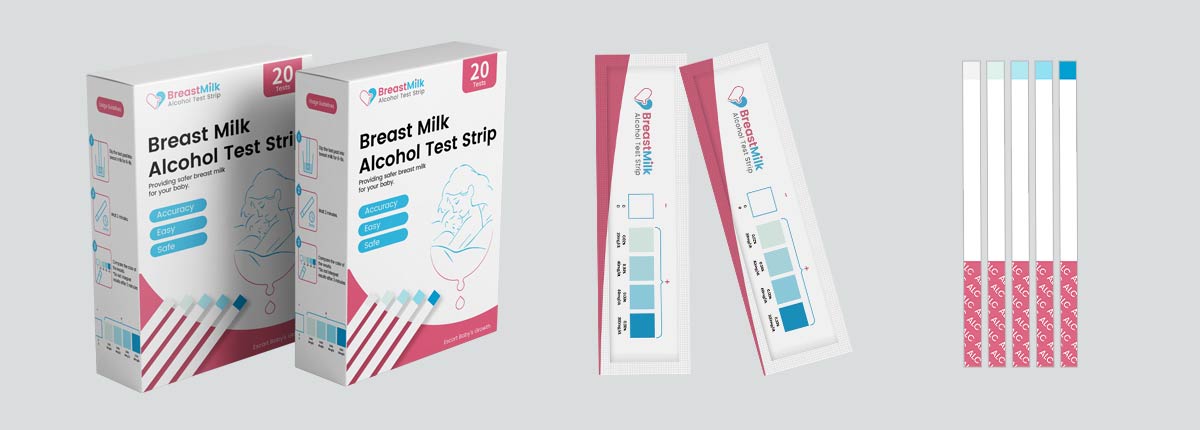
Alcohol risks remain significantly higher for premature babies and infants with health conditions. Early pregnancy alcohol exposure can lead to several complications, including preterm birth and developmental issues. Studies show that consuming 10 or more drinks per week nearly triples the risk of preterm delivery. Binge drinking and heavy alcohol use during the first trimester also increase the likelihood of prematurity. Understanding alcohol exposure is essential for families caring for vulnerable infants. Parents can use breast milk alcohol test strips to help reduce alcohol risks and protect their baby from harmful alcohol exposure.
Key Takeaways
- Alcohol exposure during pregnancy can harm premature babies and those with health conditions. Complete abstinence from alcohol is crucial for protecting their health.
- Even small amounts of alcohol can lead to serious developmental issues in infants. Parents should avoid drinking entirely during pregnancy and breastfeeding.
- Using alcohol breast milk test strips can help parents check for alcohol before feeding. However, waiting a few hours after drinking is still important to ensure safety.
- Premature infants have underdeveloped organs, making them more sensitive to toxins like alcohol. This increases their risk of infections and long-term health problems.
- Regular communication with healthcare providers is essential. Parents should seek advice if they notice any unusual symptoms in their baby.
Why Premature Babies Face Higher Alcohol Risks?
Underdeveloped Organs and Systems
Premature infants face unique challenges because their organs and systems have not reached full maturity. The liver and kidneys in these babies often struggle to process substances efficiently. This underdevelopment increases the risk of alcohol exposure causing harm. Sick preterm infants frequently experience acute kidney impairment and neonatal cholestasis. These conditions make it difficult for their bodies to clear ethanol and its byproducts. The inability to remove alcohol efficiently leads to higher levels of toxins in the bloodstream. Investigating the effects of acute and chronic alcohol exposure remains essential for understanding safe levels, but current research shows that even small amounts can be dangerous for premature babies. Heavy alcohol use during pregnancy can overwhelm the immature detoxification systems in these infants, resulting in severe complications. The risk of cognitive deficits rises when the developing brain encounters alcohol before it has matured. Prenatal alcohol exposure stands as the leading preventable cause of birth defects and developmental disabilities in the United States. Even low levels of alcohol exposure can disrupt brain development, leading to lifelong challenges.
Weaker Immune Response
Premature babies possess a weaker immune system compared to full-term infants. This vulnerability makes them more susceptible to infections, especially when alcohol exposure occurs during pregnancy. Research highlights that premature infants exposed to alcohol in utero are 15 times more likely to develop early-onset bacterial sepsis than those not exposed. The following table summarizes key findings on the impact of alcohol and pregnancy on immune function and infection risk:
| Evidence Type | Findings | Implications |
|---|---|---|
| Case-Control Study | Premature infants exposed to alcohol in utero were 15 times more likely to show signs of early-onset bacterial sepsis compared to those without exposure. | Indicates that maternal alcohol use significantly increases infection risk in premature newborns. |
| Hospitalization Data | Infants with foetal alcohol syndrome had hospital stays three times longer than controls, with pneumonia as a major reason. | Suggests that alcohol exposure leads to more severe health complications in premature infants. |
| Immune Function Research | Alcohol exposure affects immune function through various mechanisms, including increased risk of premature birth and direct immune system influence. | Highlights the dual impact of alcohol on both the likelihood of premature birth and the immune response of the infant. |
Premature infants with foetal alcohol syndrome often require longer hospital stays due to complications like pneumonia. Alcohol and pregnancy together can weaken the immune system, making it harder for these babies to fight off infections. Studies have found abnormal lymphocytes and increased rates of bacterial infections, such as meningitis and otitis, in children diagnosed with foetal alcohol syndrome. The combination of a weak immune response and alcohol exposure creates a dangerous environment for premature infants.
Sensitivity to Toxins
Premature infants display increased sensitivity to toxins, including alcohol. Their skin loses water much faster than that of full-term infants, leading to greater fluid losses and higher caloric demands. The table below compares several aspects of toxin sensitivity between premature and full-term infants:
| Aspect | Premature Infants | Full-term Infants |
|---|---|---|
| Transepidermal Water Loss | 10-fold to 15-fold greater | Lower |
| Fluid Losses | Up to 30% of total body weight in 24 hours | Significantly lower |
| Risk of Intraventricular Hemorrhage | Increased | Lower |
| Electrolyte Imbalance | Higher risk, especially hyperosmolar hypernatremia | Lower risk |
| Thermal Instability | More prevalent | Less prevalent |
| Caloric Demands | Increased due to skin evaporative losses | Lower |
Premature infants also have limited metabolic capacity, which affects their ability to process substances like benzyl alcohol. They struggle to convert benzoic acid into hippuric acid, resulting in higher concentrations of benzoic acid and increased risk of toxicity. The detoxification process for benzyl alcohol and its metabolites remains underdeveloped in these infants, confirming their heightened sensitivity to toxins. Alcohol exposure can lead to severe health complications, including electrolyte imbalances and thermal instability. Heavy alcohol use during pregnancy further increases the risk of intraventricular hemorrhage and other life-threatening conditions. Prenatal alcohol exposure can result in foetal alcohol spectrum disorders, which include a range of neurobehavioral and developmental disabilities. Severe cases may lead to foetal alcohol syndrome, characterized by growth deficiencies and specific facial and nervous system malformations. Cognitive deficits often appear in children affected by prenatal alcohol exposure, impacting learning, memory, and behavior throughout life.
Note: Alcohol exposure during pregnancy and infancy poses significant risks for premature babies. Parents and caregivers should remain vigilant and seek guidance from healthcare professionals to protect vulnerable infants from the harmful effects of alcohol.
Early Pregnancy Alcohol and Baby Health
Risks of Preterm Birth and Low Birth Weight
Alcohol consumption during pregnancy, especially in the first trimester, poses a significant threat to fetal development. Heavy or binge drinking during the first three months of pregnancy increases the risk of preterm delivery by two to three times. Women who drink heavily may face a risk of extremely premature delivery, before 32 weeks, up to 35 times higher than those who abstain. The first trimester is a critical period for organ formation and growth. Alcohol exposure during this time can disrupt normal development, leading to restricted foetal growth and birth complications.
The relationship between alcohol exposure and low birth weight is well established. Studies show a strong dose-response relationship, with risks starting at just 10 grams of alcohol per day. The following table summarizes key findings:
| Evidence Type | Findings |
|---|---|
| Preterm Birth Risk | Heavy or binge drinking during pregnancy increases the risk of preterm delivery by 2-3 times. |
| Extremely Premature Delivery Risk | Heavy drinkers may have a risk of extremely premature delivery (before 32 weeks) up to 35 times higher than non-drinkers. |
| Low Birth Weight Association | Strong consensus that heavy alcohol exposure causes low birth weight, with a dose-response relationship starting at 10g per day. |
Alcohol consumption during pregnancy nearly doubles the risk of low birth weight. The unadjusted odds ratio for low birth weight associated with alcohol use is 1.91, and the adjusted odds ratio is 1.62. The population-attributable risk of alcohol consumption for low birth weight reaches 12.5%. The risk increases with the amount of alcohol consumed, as shown below:
- 6.4% low birth weight for no consumption
- 11.8% for low consumption
- 12.5% for moderate consumption
- 7.1% for high consumption
Alcohol exposure in the first three months of pregnancy can result in an unexpectedly small baby. The small baby risk rises with each additional drink. Alcohol-related birth abnormalities often accompany low birth weight, including growth deficiencies and nervous system malformations. The first trimester remains the most sensitive time for alcohol exposure, with lifelong consequences for the baby.
Increased Risk of SIDS and Stillbirth
Alcohol consumption during pregnancy increases the risk of sudden infant death syndrome (SIDS) and stillbirth. Studies involving over 600,000 births found a 40% increase in stillbirth likelihood for women consuming any alcohol. Higher consumption, such as five or more drinks per week, significantly raises this risk. The first three months of pregnancy are especially dangerous for alcohol exposure, as binge drinking during this period shows a strong association with SIDS.
| Evidence Type | Findings | Source |
|---|---|---|
| Stillbirth Risk | 40% increase in stillbirth likelihood for women consuming any alcohol. | Aliyu et al. 2008 |
| SIDS Association | Early pregnancy alcohol consumption linked to increased SIDS risk. | Iyasu et al. 2002 |
| SIDS Comparison | Infants who died from SIDS were nearly twice as likely to have had prenatal alcohol exposure. | Duncan et al. 2008 |
Infants exposed to alcohol during the first trimester face higher rates of SIDS. Binge drinking in the first three months of pregnancy correlates with a statistically significant increase in SIDS cases. Alcohol exposure disrupts normal brain development and impairs the baby’s ability to regulate breathing and sleep patterns. The risk of stillbirth and SIDS rises with each episode of heavy drinking, making alcohol consumption during pregnancy a major preventable cause of infant mortality.
Long-Term Developmental Impact
Alcohol exposure during pregnancy can cause lifelong developmental challenges. Almost every cognitive domain is affected, including learning, memory, emotion, and behavior. Structural brain damage may result in small brain volumes and impaired function in critical areas. Children with fetal alcohol spectrum disorder often struggle with impulse control, daily living skills, and communication. These difficulties can strain family relationships and increase caregiver stress.
- Children exposed to alcohol during pregnancy may experience intellectual disabilities, learning disorders, and emotional problems.
- Developmental evaluations are essential for children with a history of prenatal alcohol exposure to identify social, language, cognitive, and motor development problems early.
- Common developmental challenges include unpredictable sleeping patterns, feeding difficulties, irritability, atypical social interactions, and delayed language development.
- Fetal alcohol spectrum disorder includes diagnoses such as Fetal Alcohol Syndrome, partial FAS, and alcohol-related neurodevelopmental disorder.
- Children with these conditions may face long-term medical, developmental, mental health, and social impacts, including difficulties in executive functioning and learning.
- Prenatal alcohol exposure can lead to dysfunction in learning, emotion, cognition, motor performance, perception, and behavior.
- Neuroimaging studies have shown structural brain damage in children exposed to high levels of alcohol, affecting areas responsible for memory, language, and motor control.
Alcohol-related neurodevelopmental disorder requires evidence of both prenatal alcohol exposure and neurocognitive development issues. Over half of studies indicate a positive association between prenatal alcohol exposure and mental health problems, such as anxiety, depression, and conduct disorders. Alcohol exposure in the first trimester can result in lifelong disabilities and behavioral challenges. Early intervention and developmental support can help mitigate some effects, but prevention remains the most effective strategy.
Note: Alcohol exposure during pregnancy, especially in the first three months, increases the risk of preterm birth, low birth weight, SIDS, stillbirth, and long-term developmental problems. Families should seek guidance from healthcare professionals to minimize alcohol risks and support healthy development for every baby.
Alcohol Exposure in Babies: Pathways and Prevention
Alcohol in Breast Milk
Alcohol exposure can occur when a mother consumes alcohol and then breastfeeds her baby. Alcohol is a small, water-soluble molecule that transfers easily into breast milk. The concentration of alcohol in breast milk closely matches the level found in the mother’s blood. Peak levels appear about 30 to 60 minutes after drinking alcohol. Eating food with alcohol can delay this peak. An infant may ingest about 5% to 6% of the mother’s alcohol intake through breast milk, depending on when breastfeeding occurs after drinking. The duration of alcohol presence in breast milk depends on the amount consumed. The following table shows how long alcohol remains in breast milk after different amounts:
| Alcohol Consumption | Duration in Breast Milk |
|---|---|
| 1 standard drink | ~2.5 hours |
| 2 standard drinks | ~5 hours |
| Binge drinking | >9 hours |
Alcohol exposure through breast milk can affect a baby’s development and health. Parents should understand the timing and risks associated with alcohol and breastfeeding.
Using Breast Milk Alcohol Test Strips
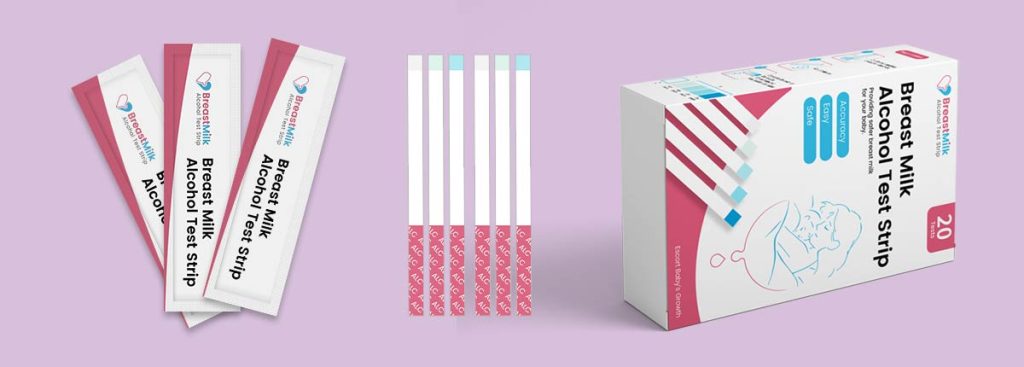
Breast milk alcohol test strips offer a way for parents to check for alcohol in breast milk before feeding. These strips provide a quick result, but they are less reliable than laboratory testing. The table below compares the effectiveness of test strips and lab methods:
| Method | Effectiveness |
|---|---|
| Breast Milk Alcohol Test Strips | Less reliable for detecting alcohol levels |
| Laboratory Testing | More accurate determination of alcohol levels |
Parents can use breast milk alcohol test strips as a practical tool, but they should not rely solely on them for safety. Waiting the recommended time after drinking alcohol before breastfeeding remains important for reducing alcohol exposure.
Environmental Alcohol Exposure
Babies may also experience alcohol exposure from environmental sources. Alcohol can be present in household products, cleaning agents, and even air during social gatherings. Parents and caregivers should keep alcohol-containing items out of reach and avoid exposing babies to environments where alcohol is present. The following prevention strategies help minimize alcohol exposure in infants:
- Policies that reduce the availability and marketing of alcohol.
- Shared responsibility among society, healthcare providers, and partners to raise awareness.
- Abstaining from alcohol during pregnancy and encouraging partners to do the same.
- Limiting alcohol consumption to one standard drink, consumed at least two hours before breastfeeding.
- Population-based strategies to reduce excessive drinking among those of reproductive age.
Tip: Parents should monitor alcohol exposure using breast milk alcohol test strips and follow safe feeding practices to protect their baby’s health.
Recommendations for Parents on Alcohol Risks
Guidelines for Avoiding Alcohol Exposure
Health risks from drinking alcohol during pregnancy and infancy remain significant, especially for premature and medically vulnerable babies. Experts agree that no safe amount of alcohol exists for these groups. The CDC recommends complete abstinence from alcohol for parents who are pregnant or trying to conceive. This approach helps prevent fetal alcohol spectrum disorders, which can cause organ defects, cognitive limitations, and physical abnormalities such as low birth weight. Parents who have abstained completely from alcohol during pregnancy provide the best protection for their infants. Families should prioritize environments free from alcohol to reduce risks.
Tip: Abstinence from alcohol is the most effective way to safeguard a baby’s health, especially for those born prematurely or with medical conditions.
Safe Feeding and Monitoring Practices
Parents can take practical steps to minimize alcohol exposure in infants. The following best practices support safe feeding and monitoring:
- Feed or express milk just before consuming alcohol to reduce infant exposure.
- Limit alcohol intake to one drink per day or less, and avoid binge drinking.
- Avoid alcohol use during infant sleep to lower the risk of sudden infant death syndrome.
- Wait at least two to three hours after a single drink before breastfeeding, or use previously expressed milk if the baby needs to feed sooner.
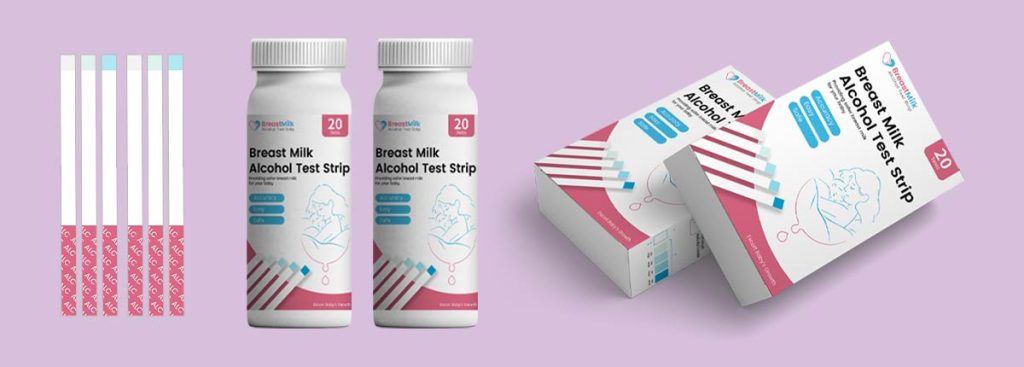
- Use a breast milk alcohol test strip to check for alcohol presence before feeding, especially if unsure about timing.
A breast milk alcohol test strip offers a practical tool for parents who want to ensure their milk is safe for their baby. Monitoring feeding times and alcohol intake helps protect vulnerable infants from unnecessary exposure.
When to Seek Medical Advice?
Parents should consult healthcare providers if they have concerns about alcohol exposure or notice unusual symptoms in their baby. Signs such as feeding difficulties, irritability, or developmental delays may require professional evaluation. Healthcare professionals can offer guidance, recommend screening, and provide support for families. Early intervention improves outcomes for premature and medically vulnerable infants.
Note: Regular communication with healthcare providers ensures that parents receive up-to-date advice and support for minimizing alcohol risks.
Conclusion
Premature babies and those with health conditions face greater risks from alcohol exposure. Pediatricians agree that alcohol can cause growth problems, congenital anomalies, and neurobehavioral issues. Key actions for parents include:
- Avoiding all alcohol during pregnancy and breastfeeding
- Seeking help if unable to stop drinking
- Educating themselves about Fetal Alcohol Spectrum Disorders
- Creating a calm, nurturing environment for their child
- Attending regular developmental evaluations
Support systems and early intervention help families care for vulnerable infants. Every child deserves a safe start and healthy future.
FAQ
Can Small Amounts of Alcohol Harm Premature Babies?
Even small amounts of alcohol can harm premature babies. Their organs process toxins less efficiently. Alcohol exposure may increase the risk of developmental delays and health complications. Experts recommend complete abstinence from alcohol during pregnancy and breastfeeding.
How Long Does Alcohol Stay in Breast Milk?
Alcohol remains in breast milk for about 2.5 hours after one standard drink. Larger amounts take longer to clear. Mothers should wait before breastfeeding or use previously expressed milk to avoid exposing babies to alcohol.
Are Breast Milk Alcohol Test Strips Reliable?
Breast milk alcohol test strips offer a quick check for alcohol presence. However, they are less accurate than laboratory testing. Parents should use them as a guide, not as a guarantee of safety.
What Should Parents Do If Their Baby Shows Unusual Symptoms?
Parents should contact a healthcare provider if their baby shows signs like irritability, feeding problems, or developmental delays. Early medical advice helps address potential alcohol exposure and supports the baby’s health.
Is Any Amount of Alcohol Safe During Pregnancy or Breastfeeding?
No safe amount of alcohol exists during pregnancy or breastfeeding. Alcohol can cause birth defects, growth problems, and developmental disabilities. Health organizations advise complete abstinence to protect vulnerable infants.