


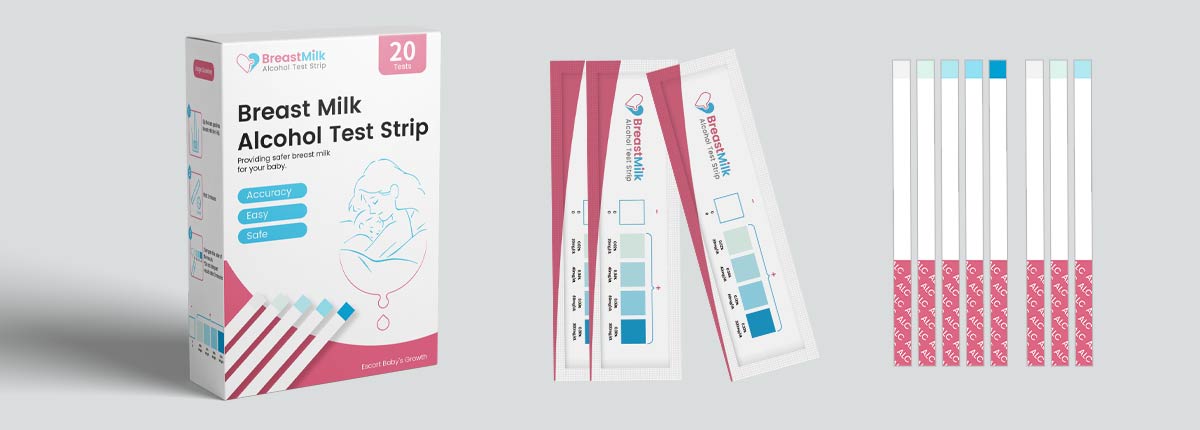
Alcohol consumption can change hormone levels in lactating women and influence both milk production and milk letdown. Scientific studies show that hormones like prolactin and oxytocin play key roles in lactation and the overall breastfeeding experience. Many mothers report low breast milk supply, and actual low supply can affect up to 15% of breastfeeding women. These hormones not only impact milk but also affect maternal well-being. Parents may use a breast milk alcohol test strip to help make safe choices for their infants’ health.
Key Takeaways
- Alcohol consumption can reduce milk production in breastfeeding mothers, leading to about 20% less milk for infants after drinking.
- Oxytocin, essential for milk let-down, is inhibited by alcohol, making breastfeeding more challenging for both mother and baby.
- Waiting at least two hours after drinking before breastfeeding helps minimize infant exposure to alcohol.
- Moderate alcohol consumption, defined as one standard drink per day, is generally considered safe, but avoiding alcohol is the best choice for breastfeeding mothers.
- Breast milk alcohol test strips may not be reliable; timing and moderation are more effective for ensuring infant safety.
Alcohol Consumption and Milk Supply Hormones
Main Effects on Prolactin and Oxytocin
Alcohol consumption can cause significant changes in breastfeeding hormones. Researchers have measured the effects of maternal alcohol consumption on prolactin and oxytocin during lactation. The following table summarizes key findings from scientific studies:
| Hormone | Effect of Alcohol Consumption | Statistical Significance |
|---|---|---|
| Oxytocin | Significant decrease during breast stimulation | P < 0.05 |
| Prolactin | Significant increase during and after breast stimulation | P < 0.001 |
| Milk Yield | 13 ± 7% less milk produced during alcohol condition | P = 0.008 |
Alcohol can increase prolactin levels in lactating women. Clinical trials show that prolactin levels may rise by as much as 336% after alcohol intake. However, this increase does not improve breast milk production. Instead, maternal alcohol consumption often leads to a decrease in plasma oxytocin levels. Oxytocin is essential for the milk ejection reflex, also known as let-down. When alcohol inhibits oxytocin, the let-down process becomes less effective.
Studies have also shown that alcohol-induced changes in hormones do not benefit lactation. Alcohol interferes with the hormonal control of lactation, affecting both prolactin and oxytocin. Prolactin is crucial for milk synthesis, but alcohol can diminish its secretion in response to breast stimulation. Oxytocin, which is essential for milk ejection, is inhibited by alcohol, leading to reduced lactational performance.
Note: Alcohol-induced changes in prolactin and oxytocin can disrupt the natural balance of breastfeeding hormones. This disruption can make breastfeeding more challenging for mothers and infants.
Impact on Milk Letdown
The effects of maternal alcohol consumption extend to the milk let-down reflex. Alcohol acts as an oxytocin inhibitor, temporarily interfering with the milk ejection reflex. This makes it harder for the baby to get milk during breastfeeding. The following table highlights the impact of alcohol on milk letdown:
| Effect on Milk Letdown | Description |
|---|---|
| Inhibition of Letdown | Alcohol acts as an oxytocin inhibitor, temporarily interfering with the milk ejection reflex, making it harder for the baby to get milk. |
| Decrease in Milk Intake | Babies may consume less milk in the hours following maternal alcohol consumption, potentially due to altered taste and inhibited letdown. Compensatory increases in milk intake can occur later. |
Alcohol consumption can reduce the amount of milk a mother produces during a feeding session. Studies report that women produce about 13% less milk after drinking alcohol. This reduction is linked to changes in oxytocin rather than prolactin. Alcohol can also delay the onset of milk let-down, making breastfeeding sessions longer and less satisfying for both mother and infant.
Researchers have found that alcohol doses can inhibit milk ejection in a dose-dependent manner. The more alcohol consumed, the greater the inhibition of the milk let-down reflex. Alcohol has also been shown to reduce uterine contractions, which further suggests a decrease in plasma oxytocin levels.
- Alcohol consumption can increase prolactin levels, but this does not lead to enhanced milk production.
- Studies show that women produced less milk after alcohol consumption, disputing the notion that alcohol enhances lactational performance.
- The decrease in milk yield and delayed milk ejection are linked to reduced oxytocin response rather than prolactin levels.
- Alcohol interferes with the hormonal control of lactation, affecting both prolactin and oxytocin.
- Prolactin is crucial for milk synthesis, and alcohol can diminish its secretion in response to breast stimulation.
- Oxytocin, which is essential for milk ejection, is inhibited by alcohol, leading to reduced lactational performance.
- Alcohol has been shown to reduce uterine contractions, indicating a potential inhibition of oxytocin release.
- Studies indicate that alcohol doses can inhibit milk ejection in a dose-dependent manner, further affecting milk production.
These findings highlight the complex relationship between alcohol, breastfeeding hormones, and lactation. Maternal alcohol consumption can disrupt the normal hormonal patterns required for effective milk production and let-down. Understanding these effects can help mothers make informed decisions about alcohol use during breastfeeding.
How Breastfeeding Works: Key Hormones
Prolactin’s Role
Prolactin stands as the main hormone responsible for milk production in breastfeeding women. After childbirth, the body experiences a sharp drop in estrogen and progesterone, which allows prolactin to take over the process of producing breast milk.
Prolactin is the main hormone involved in milk production and supply, although it isn’t fully engaged in the lactation process until after delivery. Once estrogen and progesterone levels drop after birth, prolactin takes over breast milk production. Oxytocin controls the flow, or letdown, of your milk.
Prolactin works by binding to specific receptors in the mammary glands. This action activates genes that direct the cells to make milk proteins. The hormone also increases the uptake of nutrients like amino acids and glucose, which are essential for creating the sugars and fats found in breast milk.
- Prolactin is synthesized and secreted not only by the anterior pituitary gland but also by various brain regions and other tissues such as the placenta and uterus.
- In the mammary glands, prolactin is crucial for stimulating the synthesis of milk proteins by binding to specific membrane receptors, which activates the expression of milk protein genes.
- Prolactin enhances the uptake of amino acids and glucose, contributing to the production of milk sugar and fats, which are essential for milk synthesis.
Nipple stimulation, infant suckling, and even expressing milk can trigger the release of prolactin. This hormone ensures that the body maintains a steady supply of milk for the baby.
Oxytocin’s Role
Oxytocin plays a different but equally important role in breastfeeding. While prolactin manages milk production, oxytocin controls the milk ejection reflex, often called the “let-down.”
Oxytocin is necessary for the milk ejection reflex, or let-down, in response to suckling, to occur. Prolactin levels remain high, while the delivery of the placenta results in a sudden drop in progesterone, estrogen, and HPL levels.
When a baby latches onto the breast, nerve signals travel from the nipple to the brain. The hypothalamus responds by signaling the pituitary gland to release oxytocin.
- When breastfeeding begins, nipple stimulation sends signals to the hypothalamus.
- This triggers the release of oxytocin from the pituitary gland.
- Oxytocin causes milk ducts to contract, facilitating milk flow towards the nipple.
Oxytocin not only helps move milk through the ducts but also promotes bonding and a sense of calm during feeding. This hormone ensures that milk reaches the baby efficiently during each feeding session.
Alcohol’s Impact on Breastfeeding
Reduced Milk Volume
Maternal alcohol consumption can lead to decreased maternal milk production in lactating women. Studies show that infants ingest less milk during the hours following alcohol intake. The reduction in milk yield is significant, with research indicating that:
- Infants consume about 20% less milk in the hours immediately after maternal alcohol consumption.
- Nursing women express nearly 10% less milk within the first two hours after moderate drinking.
These findings suggest that alcohol as an aid to lactation is a misconception. Instead of boosting breast milk production, alcohol consumption actually reduces milk volume and may disrupt the feeding routine for both mother and infant.
Delayed Milk Letdown
Alcohol can also delay the milk let-down reflex in lactating women. This delay occurs because alcohol inhibits the release of oxytocin, a hormone essential for milk ejection. The following points highlight the effects of alcohol on milk let-down:
- Alcohol consumption leads to a longer time before the first drop of milk appears.
- The combined effects on oxytocin and prolactin result in a significant delay in milk ejection.
- Alcohol significantly reduces oxytocin levels while increasing prolactin levels, both crucial for the milk ejection reflex.
Recent studies confirm that alcohol can block oxytocin release from the pituitary gland, impairing the let-down process. As a result, infants may struggle to get enough milk during breastfeeding sessions, and mothers may notice less effective breast stimulation and reduced milk production.
Short-Term vs. Long-Term Effects
The effects of maternal alcohol consumption on breastfeeding can be both immediate and lasting. The table below summarizes these differences:
| Effect Type | Short-Term Effects | Long-Term Effects |
|---|---|---|
| Milk Intake | Infants consume 20% less milk in the first 4 hours | Possible impact on motor development |
| Sleep Patterns | Sleep is more fragmented; total sleep may decrease by 25% | Cognitive development not affected, but motor skills lower |
| Developmental Impact | Immediate behavioral changes observed | Possible long-term cognitive and motor skill impacts |
Observational studies suggest that infants of mothers who consumed alcohol showed lower motor development scores. Heavier maternal alcohol consumption has been linked to reduced cognitive functioning in children aged 6 to 7 years, although some effects may not be clinically significant.
Tip: Alcohol as an aid to lactation is not supported by scientific evidence. Mothers experiencing difficulty with breastfeeding after drinking should consider waiting before nursing, staying hydrated, and seeking support if challenges persist.
Alcohol in Breast Milk: Effects on Infant
How Alcohol Passes to Milk?
Alcohol moves from maternal blood into breast milk through a process called diffusion. This mechanism allows alcohol to transfer from the mother’s plasma directly into the milk. The concentration of alcohol in breast milk closely follows the mother’s blood alcohol level. Less than 2% of the alcohol consumed by the mother actually reaches the milk. The peak alcohol level in breast milk occurs between 30 and 60 minutes after drinking. For example, if a mother has a blood alcohol concentration of 0.05%, her infant consuming 100 ml of milk would ingest about 50 mg of alcohol. This amount is small compared to the infant’s body weight, but even low levels can influence infant nutrition and development.
Effects on Infant Sleep and Development
Alcohol exposure through breast milk can change infant sleep patterns and impact infant development. Researchers have documented several effects on infant sleep after alcohol exposure:
| Effect On Sleep Patterns | Description |
|---|---|
| Active Sleep Reduction | Infants spent significantly less time in active sleep after exposure to alcohol in breast milk. |
| Wakefulness Activity | Infants tended to be less active during wakefulness in the hours immediately following alcohol exposure. |
| Compensation | Infants compensated for reduced active sleep during the 20.5 hours after alcohol exposure, provided they were not exposed to alcohol again. |
Infants exposed to alcohol in breast milk may experience fragmented sleep and reduced active sleep. They often become less active during wakefulness. These changes can affect infant nutrition and growth, as sleep plays a critical role in early development. Research shows that infants exposed to alcohol through breast milk may have reduced body mass and lower verbal IQ scores. Cognitive function reductions have been observed in children aged six to seven years. The effects appear to depend on the amount and frequency of alcohol exposure. Occasional maternal drinking may have minimal effects on cognitive and behavioral development, but some physical or neurobehavioral impacts may not become apparent until later in childhood.
Learning and Behavior Risks
Alcohol exposure during breastfeeding can pose risks to infant development, especially in learning and behavior. Studies indicate that infants exposed to alcohol through breast milk may show lower scores on the Psychomotor Development Index. This suggests negative effects on motor skills. Although some research found no significant impact on mental development, the potential for slight but meaningful effects on motor skills remains. Animal studies support these findings. Mice exposed to lactational ethanol showed smaller body and brain sizes, increased hyperactivity, and risk-taking behavior. These results highlight the risks associated with alcohol exposure during breastfeeding.
Research from the University of California, Riverside, found that infants exposed to alcohol in breast milk may present with reduced body mass, lower verbal IQ scores, and altered sleeping patterns. These findings suggest that maternal alcohol consumption during breastfeeding could have significant long-term effects on a child’s development. The relationship between alcohol exposure and infant development is complex. Breastfeeding may benefit infants with high prenatal alcohol exposure, but longer breastfeeding duration in moderate exposure cases may result in poorer performance at twelve months.
Using Breast Milk Alcohol Test Strip
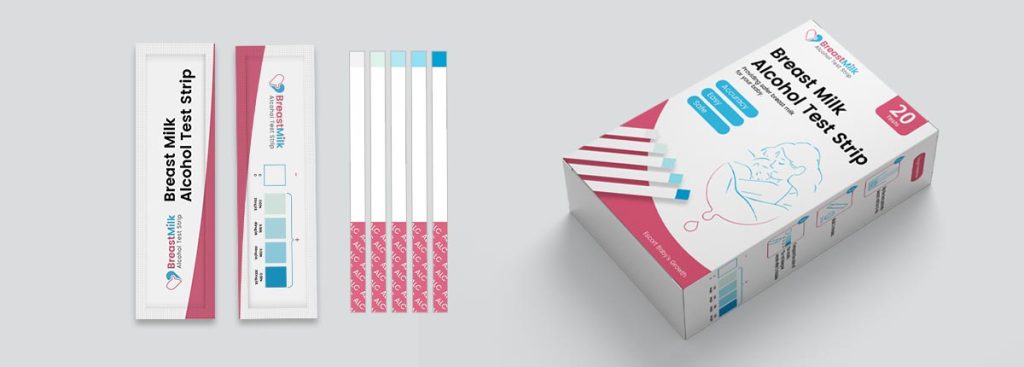
Many parents consider using a breast milk alcohol test strip to check for alcohol in breast milk. Health experts question the accuracy and reliability of these test strips. The American Academy of Pediatrics states that the strips are unnecessary and lack sufficient studies. Registered nurse Maria Parlapiano asserts that the strips are not accurate. Dr. Maya Bunik recommends careful and limited alcohol consumption while breastfeeding instead of relying on test strips.
The company behind the strips explains that they measure levels of alcohol present in breast milk. They emphasize that Milkscreen is a consumer product, not a medical one, and does not undergo rigorous medical testing.
Parents should focus on timing breastfeeding after alcohol consumption and limiting intake to protect infant nutrition and development. The alcohol breast milk test strip may offer peace of mind, but it does not replace evidence-based guidelines or medical advice.
Recommendations for Breastfeeding Mothers
Safe Alcohol Consumption Guidelines
Lactating women often seek clear guidance about alcohol consumption and its effects on milk supply hormones. Experts recommend that not drinking alcohol remains the safest option for breastfeeding mothers. Moderate alcohol consumption, defined as up to one standard drink per day, is not known to harm infants. A standard drink includes 12 ounces of beer, 5 ounces of wine, or 1.5 ounces of hard liquor. Alcohol levels peak in breast milk between 30 and 60 minutes after drinking. Alcohol can be detected in breast milk for about two to three hours per drink. Excessive alcohol consumption may interfere with milk letdown and affect infant development. Breastfeeding mothers should breastfeed or pump before drinking to minimize exposure. Pumping and dumping does not remove alcohol from milk, as alcohol remains present as long as it is in the bloodstream.
Tip: The healthiest choice for your baby is to avoid alcohol during lactation. If you choose to drink, limit intake and follow timing guidelines.
Timing Breastfeeding After Drinking
Timing plays a crucial role in reducing infant exposure to alcohol. Lactating women should wait at least two hours after consuming a single standard drink before nursing or expressing milk. The more alcohol consumed, the longer it stays in breast milk. Breast stimulation before drinking can help maintain milk production and supply. Using a breast milk alcohol test strip may provide reassurance, but medical experts advise relying on timing and moderation rather than test strips alone.
| Drink Type | Wait Time Before Breastfeeding |
|---|---|
| Beer (12 oz) | 2 hours |
| Wine (5 oz) | 2 hours |
| Hard liquor (1.5 oz) | 2 hours |
Support Resources
Lactating women can access several support resources to help manage alcohol consumption and breastfeeding. WIC staff offer information about the effects of alcohol on women’s health and can refer mothers for counseling if needed. Mothers can learn about how substances like alcohol affect lactation and breast stimulation through WIC’s educational materials. Only time reduces alcohol levels in breast milk, so support from healthcare providers remains essential.
Note: Support resources empower mothers to make informed decisions about alcohol consumption and breastfeeding. Professional guidance ensures safe practices for both mother and infant.
Conclusion
Research shows that alcohol consumption can reduce milk production, disrupt infant sleep, and affect early development. The table below highlights these findings:
| Key Finding | Description |
|---|---|
| Reduced Milk Production | Infants consume about 20% less milk after maternal alcohol intake. |
| Altered Infant Behavior | Alcohol in breast milk can change infant behavior and sleep patterns. |
| Impact on Development | Regular exposure links to delays in motor development. |
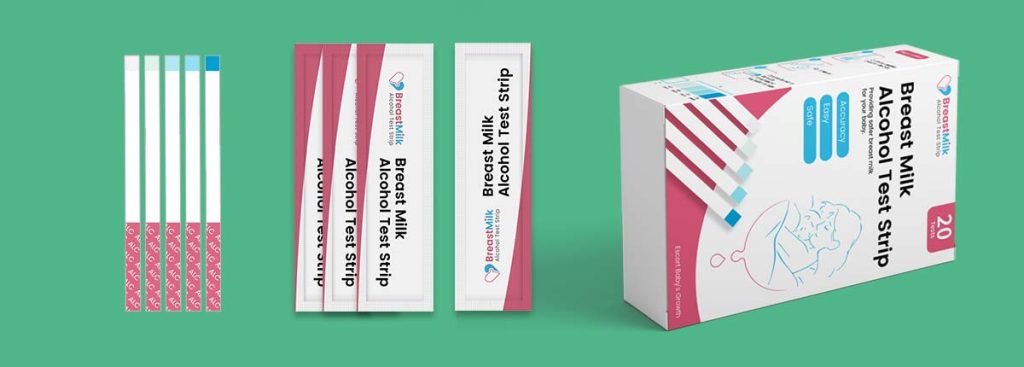
Experts recommend that breastfeeding mothers avoid alcohol or wait at least two hours after drinking. Breast milk alcohol test strips may offer reassurance, but support from healthcare providers remains important. Every parent deserves encouragement when making informed choices.
FAQ
Does Alcohol Increase Milk Supply?
Research shows that alcohol does not increase milk supply. Instead, it can reduce the amount of milk produced during breastfeeding. Mothers may notice less milk and delayed letdown after drinking alcohol.
How Long Does Alcohol Stay in Breast Milk?
Alcohol usually stays in breast milk for about two to three hours per standard drink. The exact time depends on the mother’s weight and metabolism. Waiting before breastfeeding helps reduce infant exposure.
Can Pumping and Dumping Remove Alcohol from Milk?
Pumping and dumping does not speed up the removal of alcohol from breast milk. Only time allows the body to clear alcohol. Mothers should wait before nursing to ensure milk is alcohol-free.
Are Breast Milk Alcohol Test Strips Reliable?
Experts question the accuracy of breast milk alcohol test strips. These strips may not provide precise results. Health professionals recommend following timing guidelines and limiting alcohol intake instead of relying on test strips.
What Are the Risks for Infants If Mothers Drink Alcohol?
Infants exposed to alcohol through breast milk may experience reduced milk intake, disrupted sleep, and possible delays in motor development. Regular exposure increases these risks. Occasional, moderate drinking with proper timing lowers the chance of harm.