


A mother may enjoy a glass of wine at a gathering, then wonder if she can safely start breastfeeding her baby. Many mothers believe that feeling sober means no alcohol in breast milk. However, how a person feels does not always match what is present in the body. Research shows that alcohol use during breastfeeding is common in many countries:
- In the United States, 36% of breastfeeding mothers report drinking alcohol.
- In Australia, 47% of mothers drinking while breastfeeding.
- In Norway, 29% report binge drinking six months after birth.
- In Canada, 20% of mothers use alcohol during breastfeeding.
- In the Netherlands, 19% to 22% report drinking while breastfeeding.
Understanding the difference between perception and reality helps families make informed choices about breastfeeding and alcohol in breast milk.
Key Takeaways
- Feeling sober does not mean breast milk is free of alcohol. Alcohol can remain in milk even after sobriety returns.
- Wait at least two hours after consuming one drink before breastfeeding. This helps reduce alcohol exposure to the infant.
- Moderate drinking, defined as up to one drink per day, is generally considered safe during breastfeeding, but excessive drinking can harm milk production.
- Using breast milk alcohol test strips is not necessary and may not provide accurate results. Timing and moderation are more effective strategies.
- Consult healthcare professionals for guidance on alcohol and breastfeeding. They can provide valuable support and answer questions.
Alcohol in Breast Milk: The Science
How Alcohol Gets into Breast Milk?
Alcohol in breast milk results directly from maternal alcohol consumption. When a mother drinks, her body absorbs alcohol quickly. The alcohol spreads throughout her bloodstream and reaches the mammary glands. Research shows that the concentration of alcohol in breast milk closely matches the amount found in the mother’s blood. This process happens rapidly, and the transfer is almost immediate. During lactation, the body does not store alcohol in breast milk. Instead, the levels rise and fall as the mother’s blood alcohol concentration changes. Less than 2% of the alcohol consumed by the mother actually enters breast milk. For moderate drinking, this means the amount passed to the infant remains low, but it is not zero. The effects of alcohol depend on how much the mother drinks and how her body processes it.
Timing and Peak Levels
Timing plays a crucial role in understanding alcohol in breast milk. Clinical studies reveal that alcohol levels in breast milk peak about 30 to 60 minutes after maternal alcohol consumption. This peak mirrors the highest concentration in the mother’s bloodstream. If a mother drinks during breastfeeding, the alcohol reaches its highest level in her milk within this window. After the peak, the concentration gradually decreases. Most alcohol leaves breast milk within two to three hours after drinking. The effects of alcohol on the infant depend on when the mother breastfeeds in relation to her drinking. If she waits until her blood alcohol level drops, the risk to the baby decreases. However, the effects of alcohol can still linger if the mother breastfeeds too soon after drinking.
Tip: Waiting at least two hours after maternal alcohol consumption before breastfeeding can help reduce the amount of alcohol in breast milk.
Factors That Affect Alcohol in Milk
Many factors influence the amount of alcohol in breast milk after maternal alcohol consumption. These factors include the mother’s body weight, food intake, and individual metabolism. The table below summarizes the main influences:
| Factor | Description |
|---|---|
| Maternal Blood Alcohol | The amount of alcohol in breast milk closely reflects maternal blood alcohol levels. |
| Body Weight | A heavier person can metabolize alcohol more quickly than a lighter person. |
| Food Intake | Drinking on an empty stomach can affect the rate of alcohol absorption and clearance. |
| Individual Metabolism | Factors like a mother’s weight, age, and overall health influence how quickly alcohol is metabolized. |
| Blood Alcohol Concentration | The amount of alcohol that enters the breast milk is directly proportional to the concentration present in the mother’s bloodstream. |
During lactation, these factors determine how much alcohol passes into breast milk and how long it stays there. The effects of alcohol vary from person to person. For example, a mother who eats before drinking may have lower alcohol levels in her milk compared to one who drinks on an empty stomach. The effects of alcohol consumption also depend on the mother’s health and metabolism.
Current research highlights limitations in understanding the effects of alcohol in breast milk. Many studies focus on animal models, making it difficult to apply findings directly to human infants. Some research suggests that lactational ethanol exposure can lead to reduced body mass, lower verbal IQ scores, and disrupted sleep patterns in infants. However, scientists need more studies on human subjects to fully understand these effects. Education for new parents remains insufficient, and many mothers lack clear guidance about alcohol consumption during breastfeeding.
Perception of Sobriety vs. Reality
Common Misconceptions
Many people believe that feeling sober means alcohol exposure for the infant has ended. However, several misconceptions about alcohol consumption and breastfeeding persist:
- Some mothers think alcohol increases milk production, but alcohol can actually reduce milk supply by lowering oxytocin levels, which are essential for milk release.
- There is a belief that alcohol exposure during breastfeeding is harmless because infants may nurse more frequently. Increased nursing does not mean the infant consumes more milk overall.
- Historical advice suggested that alcohol consumption could enhance lactation, but research shows alcohol reduces milk production in the short term.
These misunderstandings can lead to risky decisions about breastfeeding after alcohol consumption.
Alcohol Metabolism and Breastfeeding
Alcohol metabolism varies between individuals and can influence the duration of alcohol exposure in breast milk. During lactation, the body processes alcohol differently compared to non-lactating women. The table below highlights these differences:
| Measure | Lactating Women | Non-Lactating Women |
|---|---|---|
| Blood Alcohol Concentration | Lower | Higher |
| Area Under Curve (AUC) | Smaller | Larger |
| Peak BAC | Lower | Higher |
Each mother metabolizes alcohol at a unique rate. Genetics, liver health, and hydration levels all affect how quickly the body eliminates alcohol. Previous drinking habits can also influence processing speed. As the body metabolizes alcohol, the presence of alcohol in breast milk decreases, but the effects of alcohol exposure can still linger.
Risks of Relying on Feeling Sober
Relying on the feeling of sobriety to decide when to breastfeed can be misleading. Some mothers assume that if they feel sober enough to drive, breastfeeding is safe. However, timing and individual factors matter. Strategies to manage drinking, such as waiting a set number of hours, may not guarantee safety for every mother or infant. Participants in studies have expressed concern, stating, “When you drink alcohol and breastfeed, you are giving the baby also the alcohol, so… it’s not healthy for the baby.” Another participant shared, “I knew now that it was dangerous to drink when you breastfeed… it gave me a bit more insight.” These statements highlight the risks of relying solely on subjective feelings. Substance abuse and breastfeeding require careful consideration, as alcohol exposure can affect infant development and lactation outcomes.
Breastfeeding After Drinking: Practical Tips
Timing Your Feeds Safely
Health organizations provide clear recommendations for breastfeeding after alcohol consumption. The safest choice remains to avoid alcohol entirely during lactation. However, moderate alcohol consumption, defined as up to one drink per day, is generally not harmful to infants. Experts suggest waiting at least two hours after a single drink before breastfeeding. This waiting period allows the body to metabolize most of the alcohol, reducing the effects on infant nutrition and development. Mothers who need to feed sooner can use previously expressed milk. Pumping and discarding milk does not speed up the removal of alcohol from breast milk.
Tip: If a mother consumes more than one drink, she should wait longer before breastfeeding to minimize exposure.
- The American Academy of Pediatrics advises occasional alcohol consumption only.
- More than one drink per day is discouraged during lactation.
- Excessive alcohol consumption can decrease breast milk production and shorten breastfeeding duration.
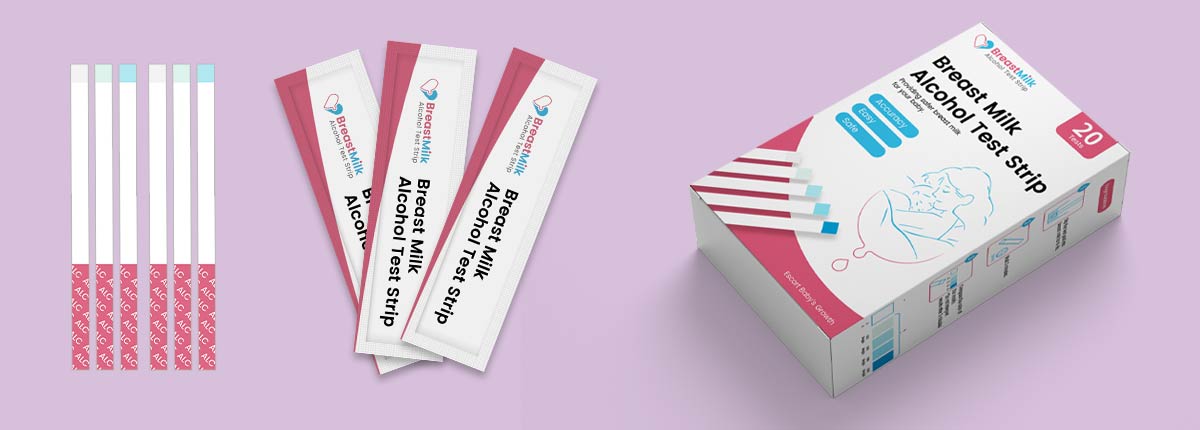
Using a Breast Milk Alcohol Test Strip
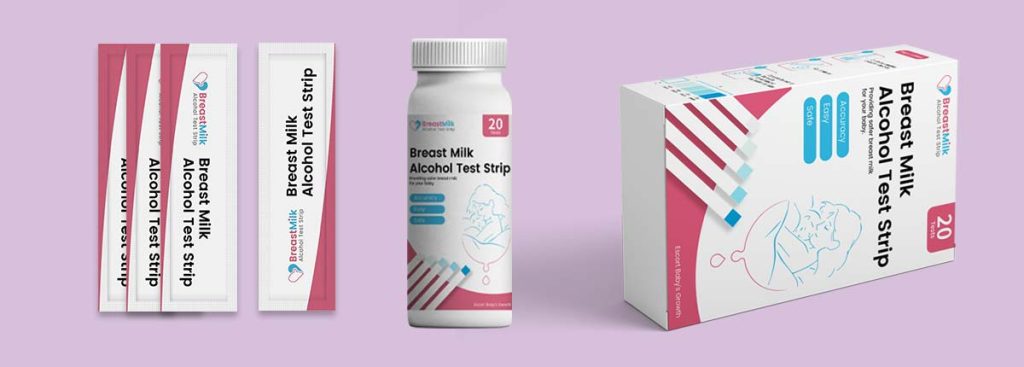
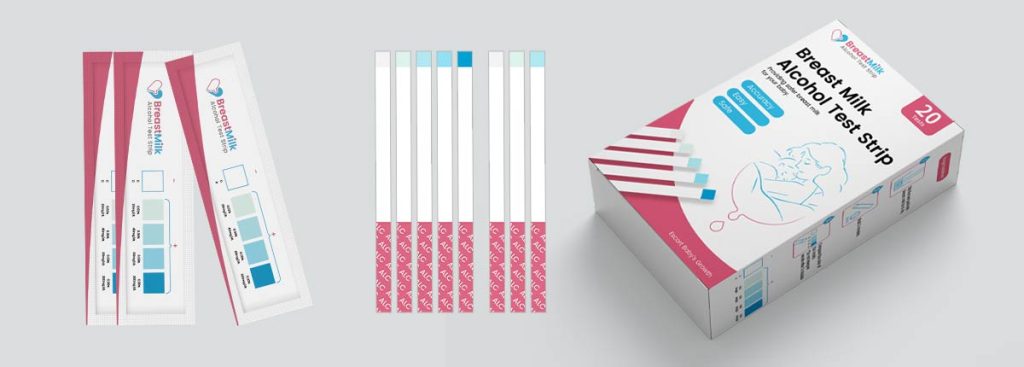
Some mothers consider using a breast milk alcohol test strip to check for alcohol before feeding. However, experts caution that these strips lack accuracy and do not match laboratory testing standards. The American Academy of Pediatrics states that breast milk alcohol test strips are unnecessary and have not been studied enough. Lactation consultants also report that these products often give unreliable results. Careful timing and limited alcohol consumption remain the best strategies for safe breastfeeding. If a mother feels unsure, she should consult a healthcare provider for guidance.
Impact on Infant Development
Alcohol in breast milk can affect infant development, lactation, and infant nutrition. Research links alcohol exposure to reduced body mass, lower verbal IQ scores, and deficits in cognitive functions. The table below summarizes some documented effects:
| Finding | Description |
|---|---|
| Developmental Deficits | Alcohol in breast milk is linked to reduced body mass and lower verbal IQ. |
| Cognitive Impairments | Exposure leads to dose-dependent reductions in cognitive abilities. |
| Sociability | Exposed infants score lower on social interaction scales at 12 months. |
| Abstract Reasoning | Deficits in abstract reasoning skills appear by age 7. |
Breastfeeding supports infant nutrition and growth, but alcohol consumption during lactation can interfere with these benefits. Parents should weigh the effects of alcohol on both breast milk production and infant development when making decisions.
Tools and Resources for Moms
Calculators and Apps
Mothers can use digital tools to support safe breastfeeding after alcohol consumption. Many apps and online calculators estimate when alcohol clears from the body. These tools help mothers plan feeds and reduce the risk of alcohol exposure. Most calculators use information such as body weight, number of drinks, and time since drinking. They provide guidance but do not replace professional advice. Mothers should remember that individual metabolism and lactation patterns can affect results. Using these resources can help mothers understand the timing and possible effects of alcohol on their milk.
When to Use a Test Strip?
Some mothers feel anxious about the effects of alcohol on their infants. In these cases, experts suggest using a breast milk alcohol test strip. These strips can offer reassurance if a mother feels uncertain. However, they are not necessary for mothers who drink in moderation and wait for alcohol to clear before breastfeeding. Alcohol in breast milk behaves like alcohol in the bloodstream. As the liver metabolizes alcohol, it leaves both the blood and the milk. Mothers can wait until the alcohol clears to reduce the effects on their babies.
Tip: If a mother feels unsure, she can use a test strip for peace of mind, but waiting the recommended time is usually enough.
Getting Professional Help
Healthcare professionals provide valuable support for mothers during lactation. They answer questions about the effects of alcohol and breastfeeding. Experts recommend waiting at least two hours after one drink before nursing. They also advise mothers to feed or pump before drinking, use expressed milk if needed, and avoid pumping and dumping as it does not speed up alcohol removal. Professionals remind mothers to prioritize their well-being and follow safe sleep guidelines. They encourage moderation and stress that occasional drinking, timed carefully, has minimal effects on infants. Mothers should seek guidance if they have concerns about the effects of alcohol on breastfeeding.
| Alcohol Consumption | Recommendations |
|---|---|
| One Drink | Safe; limit to 1 drink per day. Wait 2 hours before nursing. |
| More than 1 Drink | Wait at least 8 hours before nursing. |
| Effects of Alcohol | Can cause drowsiness, interfere with motor development, and affect milk letdown. |
Conclusion
Personal perception of sobriety does not guarantee safe breastfeeding. Many parents rely on feelings, but the effects of alcohol in breast milk can persist even after sobriety returns. Evidence-based tools help families understand the timing and effects of alcohol exposure. Using guidelines for breastfeeding supports infant health and reduces risks. Parents can make informed choices with accurate information. Healthcare professionals answer questions and provide support. When uncertainty arises, consulting experts ensures safe breastfeeding and minimizes effects on babies.
FAQ
How Long Does Alcohol Stay in Breast Milk?
Alcohol usually stays in breast milk for about two to three hours after one standard drink. The exact time depends on body weight, metabolism, and food intake. Waiting longer after drinking reduces the amount of alcohol in milk.
Can Pumping and Dumping Remove Alcohol from Milk?
Pumping and dumping does not speed up the removal of alcohol from breast milk. The body must metabolize alcohol naturally. Only time lowers the alcohol content in both blood and milk.
Is It Safe to Breastfeed If She Feels Sober?
Feeling sober does not always mean breast milk is free of alcohol. Alcohol can remain in milk even after sobriety returns. Using evidence-based guidelines helps ensure safety for the infant.
Do Test Strips Guarantee Safe Breastfeeding?
Test strips can provide reassurance, but they do not guarantee accuracy. Experts recommend following timing guidelines and consulting healthcare professionals for the safest approach.
What Is Considered Moderate Drinking While Breastfeeding?
Moderate drinking means up to one standard drink per day. Health organizations advise waiting at least two hours after drinking before breastfeeding. Exceeding this amount increases risks for the infant.