


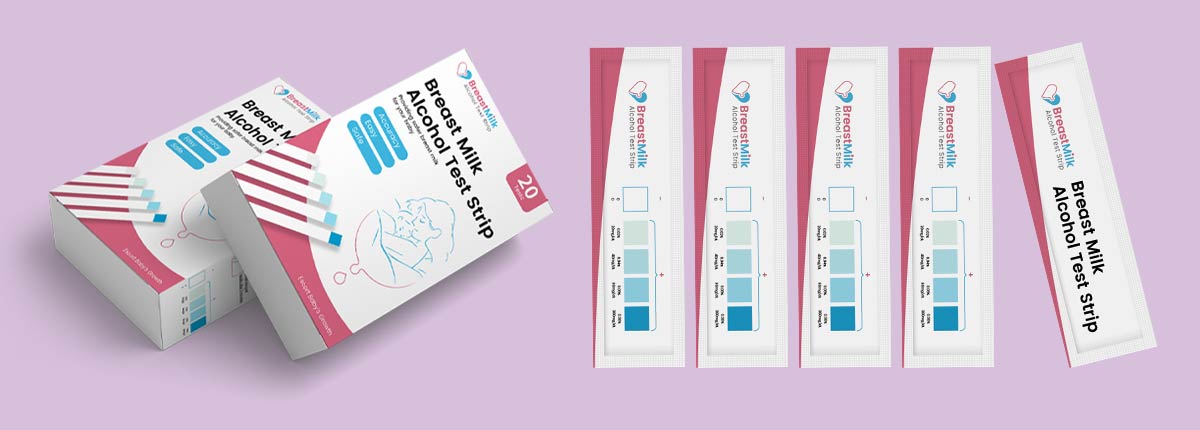
Alcohol in breast milk closely tracks the blood alcohol level in a lactating parent. As alcohol enters the bloodstream, it moves into breast milk at nearly identical concentrations. The following table highlights this direct relationship:
| Blood Alcohol Level | Alcohol in Breast Milk |
|---|---|
| 0.01% | 0.01% |
| 0.05% | 0.05% |
Alcohol levels in milk peak about 30 to 60 minutes after drinking and then decline as BAC drops. This transfer remains low, and understanding BAC can help parents make informed breastfeeding choices. A breast milk alcohol test strip offers a practical way to check for safety.
Key Takeaways
- Alcohol in breast milk mirrors blood alcohol levels. Understanding this helps parents make informed breastfeeding choices.
- Alcohol peaks in breast milk 30 to 60 minutes after drinking. Plan breastfeeding around this timing for safety.
- Wait at least 2 hours after consuming a standard drink before breastfeeding. This minimizes alcohol exposure to the baby.
- Factors like body weight and food intake affect how quickly alcohol clears from breast milk. Consider these when drinking.
- Use breast milk alcohol test strips for reassurance, but follow recommended waiting times for the safest breastfeeding practices.
Alcohol in Breast Milk: BAC and BrAC Connection
How BAC Mirrors Milk Alcohol Levels?
The concentration of alcohol in breast milk directly reflects the blood alcohol level in the lactating parent. When a person consumes alcohol, it enters the bloodstream and then diffuses into breast milk. This process happens because alcohol molecules move freely between blood and milk, creating nearly identical concentrations in both fluids.
Research shows that alcohol in breast milk rises and falls in parallel with the blood alcohol level. As long as alcohol remains in the bloodstream, it will also be present in breast milk. This relationship means that pumping and discarding milk immediately after drinking alcohol does not remove alcohol from future milk. The newly produced milk will continue to match the current blood alcohol level.
The scientific basis for this connection can be summarized in the following table:
| Evidence Type | Description |
|---|---|
| Direct Proportionality | The concentration of alcohol in breast milk is directly proportional to the BAC in the mother’s bloodstream. |
| Alcohol Diffusion | Alcohol diffuses freely into breast milk, closely mirroring the concentration in maternal blood. |
The absolute amount of alcohol transferred to the infant through breastfeeding remains low. Most experts agree that occasional, moderate drinking alcohol leads to minimal exposure for the baby. However, understanding this direct relationship helps parents make informed decisions about breastfeeding safety.
BrAC as an Indicator for Breastfeeding Safety
BrAC, or Breast Milk Alcohol Concentration, provides a practical way to estimate the blood alcohol level without a blood test. Since BrAC closely matches BAC, it can serve as a useful indicator for parents who want to assess when it is safe to resume breastfeeding.
- The average time for BAC to return to zero is about 2 hours for each standard drink consumed.
- Factors such as body weight and the number of drinks can change this time.
- In the United States, a standard drink contains about 14 grams of alcohol.
By monitoring BrAC, parents can better predict when alcohol in breast milk has dropped to safe levels. This approach supports breastfeeding safety and gives parents confidence in their choices.
Alcohol Transfer and Timing
When Alcohol Peaks in Breast Milk?
Alcohol appears in breast milk soon after a parent consumes a beverage containing alcohol. The concentration reaches its highest point between 30 and 60 minutes after drinking alcohol. Several factors can influence this timing, but most studies agree on this general window.
- Alcohol in breast milk peaks between 30 to 60 minutes after consumption.
- The timing may shift if the parent eats food with the drink or has a slower metabolism.
During this peak, the blood alcohol level matches the alcohol concentration in breast milk. Parents who practice breastfeeding should consider this timing when planning feeds after drinking alcohol.
How Alcohol Leaves Milk?
Alcohol does not accumulate in breast milk. As the blood alcohol level drops, the concentration in breast milk also decreases. The body metabolizes alcohol, and the milk clears at the same rate as the blood. The following table shows how long it takes for alcohol to leave breast milk after consuming a standard drink:
| Standard Drink | Time To Leave Breast Milk |
|---|---|
| 1 | 2 hours |
This process means that waiting for the body to metabolize alcohol is the safest way to ensure breast milk is free from alcohol. Pumping and discarding milk does not speed up the removal of alcohol from future milk.
Factors Affecting Transfer
Many factors influence how quickly alcohol transfers to and clears from breast milk. These include the amount of alcohol consumed, body weight, metabolism, and whether the parent ate food with the drink.
| Factor | Description |
|---|---|
| Maternal Blood Alcohol Levels | The amount of alcohol in breast milk closely reflects maternal blood alcohol levels. |
| Timing Of Consumption | Alcohol peaks in milk about 30–60 minutes after drinking. |
| Amount Of Alcohol Consumed | More alcohol leads to longer clearance times. |
| Body Weight | Heavier individuals metabolize alcohol more quickly than lighter individuals. |
| Individual Metabolism | Variations in metabolism affect clearance rates. |
| Food Intake | Drinking on an empty stomach can affect the rate of alcohol transfer. |
Alcohol transfers readily into breast milk, and the more alcohol consumed, the longer it takes to clear. A person’s size and metabolism play important roles in this process. The effect on the baby depends on the amount of alcohol present in the milk. Parents who practice breastfeeding should consider these factors when making decisions about feeding after drinking alcohol.
How Long Alcohol Stays in Breast Milk?
Estimating Clearance Time
Estimating when breast milk becomes free of alcohol helps parents make safer feeding decisions. Alcohol reaches its highest concentration in breast milk about 30 to 60 minutes after drinking alcohol. The body then begins to metabolize the alcohol, and the milk alcohol level drops as the blood alcohol level decreases. Most health organizations, including the CDC, recommend waiting at least 2 hours after consuming a standard drink before breastfeeding. This guideline helps ensure that the milk contains little or no alcohol.
Tip: To minimize alcohol in breast milk, parents can breastfeed just before drinking or wait 2–3 hours after drinking before the next feeding.
Influencing Factors (Weight, Amount, Etc.)
Several factors influence how long alcohol remains in breast milk. The number of drinks, body weight, metabolism, and whether food was eaten with the drink all play a role. Heavier individuals tend to metabolize alcohol faster than lighter individuals. More drinks lead to longer clearance times.
| Number of Drinks | Clearance Time (Hours) |
|---|---|
| 1 drink | 2–3 |
| 2 drinks | 4–5 |
| 3 drinks | 6–8 or longer |
Other factors include:
- Body weight and individual metabolism
- Amount and type of alcohol consumed
- Drinking on an empty stomach or with food
These factors can change how quickly the body clears alcohol from both blood and milk.
Using Breast Milk Alcohol Test Strip
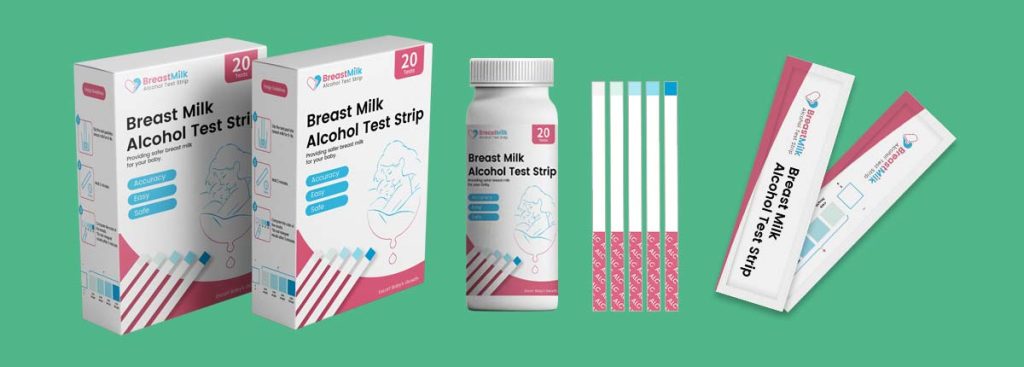
Some parents use a breast milk alcohol test strip to check if their milk is alcohol-free. These strips can detect low levels of alcohol and provide results in just a few minutes. However, many health experts question their reliability. The American Academy of Pediatrics notes that these strips lack enough research to prove their accuracy. Some lactation consultants and doctors suggest that parents should not rely solely on test strips for breastfeeding safety. Instead, following recommended waiting times after drinking alcohol offers a more dependable approach. For those who want extra reassurance, a test strip may provide peace of mind, but it should not replace careful planning and moderation.
Effects on Babies and Breastfeeding Safety
Occasional vs. Chronic Exposure
Short-term exposure to alcohol in breast milk can affect infants in several ways. Studies show that babies may drink less milk and experience changes in sleep patterns after their mothers consume alcohol. The following table summarizes these effects:
| Effect | Findings |
|---|---|
| Milk Intake | Infants consumed about 20% less milk in the first 4 hours after maternal alcohol use. |
| Sleep Patterns | Sleep became more fragmented, with total sleep time decreasing by about 25%. |
| Infant Behavior | Babies breastfed more often and took in larger amounts 8–12 hours after exposure. |
Mothers often do not notice these changes. Infants exposed to alcohol in breast milk may spend less time in active sleep and have shorter sleep periods.
Chronic exposure presents greater risks. Research links repeated alcohol in breast milk to developmental delays, growth problems, and poorer cognitive and behavioral outcomes. Logistic regression analysis shows a six-fold increase in the risk of Fetal Alcohol Spectrum Disorders when mothers regularly drink while breastfeeding.
Risks and Recommendations
Health organizations advise caution regarding alcohol in breast milk. The American Academy of Pediatrics recommends avoiding alcohol during breastfeeding. If a parent chooses to drink, waiting at least 2 hours after consuming alcohol before nursing helps reduce infant exposure. Lactating individuals should limit intake to one drink per day and avoid binge drinking. Screening for alcohol use and providing education about potential developmental impacts are also recommended.
Caregivers should never care for infants while intoxicated, as judgment and coordination may be impaired.
Long-term studies suggest that even low levels of alcohol in breast milk can affect academic performance, motor skills, and language development in children.
Practical Tips for Safe Breastfeeding
Parents can take several steps to minimize risk:
- Wait at least 2 hours per standard drink before breastfeeding.
- Nurse the baby just before consuming alcohol to maximize the interval until the next feed.
- Keep a supply of expressed milk for times when alcohol may still be present.
- Eat food and stay hydrated while drinking.
- Use a nomogram or consult a healthcare provider to estimate clearance time.
Alcohol naturally leaves breast milk as the blood alcohol level drops. Test strips are not FDA approved and may not provide reliable results. Careful planning and moderation remain the safest strategies.
Conclusion
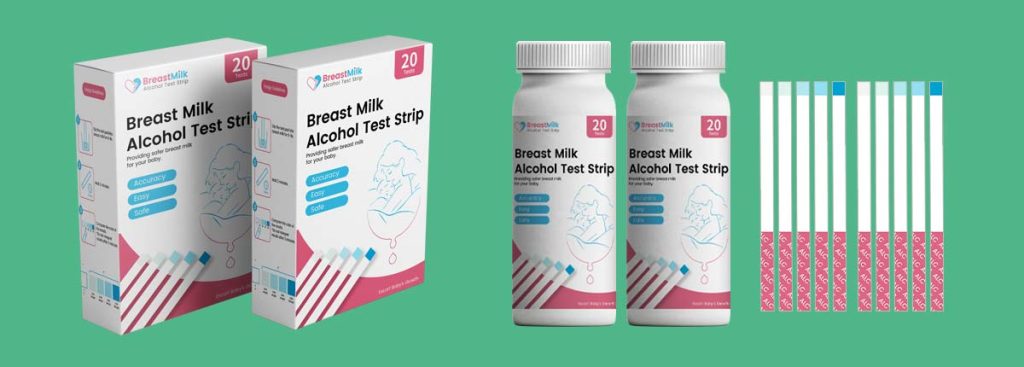
Research confirms that alcohol in breast milk rises and falls in direct proportion to BAC and BrAC. Timing matters: alcohol peaks in milk 30 to 60 minutes after drinking and usually clears within 2–3 hours per standard drink. Using a breast milk alcohol test strip can offer peace of mind, but parents should follow safe breastfeeding practices. For best results, wait before breastfeeding, monitor the baby’s behavior, and seek support if needed.
FAQ
How Much Alcohol Passes into Breast Milk?
Alcohol passes into breast milk at levels similar to those in the blood. The amount remains low, especially with moderate drinking. Most experts agree that occasional alcohol use by nursing mothers leads to minimal exposure for infants.
Can Pumping and Dumping Remove Alcohol from Milk?
Pumping and dumping does not speed up alcohol removal. Alcohol leaves breast milk only as it leaves the bloodstream. Waiting for the body to metabolize alcohol is the most effective method.
Is It Safe to Breastfeed After One Drink?
Most health organizations state that breastfeeding is safe about two hours after one standard drink. The alcohol level in milk drops as the blood alcohol level decreases.
Do Alcohol Test Strips for Breast Milk Work?
Alcohol test strips can detect alcohol in breast milk. Some experts question their accuracy. Parents should use them for reassurance, not as the only safety measure.