


Alcohol in breast milk can disrupt infant sleep cycles. Studies show that even small amounts may shorten active sleep, increase awakenings, or cause agitation in some infants. Many parents want the safest option for breastfeeding mothers. Using breast milk alcohol test strips might offer peace of mind, but experts debate their reliability. Choosing the safest option for breastfeeding mothers means understanding the risks of caring for an infant while intoxicated. Parents who care for infants safely can make informed choices to protect their baby’s rest.
Key Takeaways
- Alcohol in breast milk can disrupt infant sleep, leading to shorter sleep periods and more frequent awakenings.
- Waiting at least 2 to 3 hours after drinking before breastfeeding helps reduce alcohol levels in breast milk.
- Even small amounts of alcohol can cause fussiness and agitation in infants, affecting their overall sleep quality.
- Using breast milk alcohol test strips may not be reliable; focus on timing and moderation instead.
- Parents should consider avoiding alcohol while breastfeeding to protect their baby’s sleep and development.
Alcohol Transfer to Breast Milk
How Alcohol Enters Breast Milk?
Alcohol moves from a mother’s bloodstream into her breast milk through a process influenced by several factors. The pharmacokinetic properties of alcohol, including its solubility in water, pH, molecular weight, and protein binding, allow it to pass freely between blood and milk. The concentration of alcohol in breast milk closely matches the level found in maternal blood. This means that when a mother drinks alcohol, her baby may receive similar concentrations through breastfeeding.
Timing and Peak Levels
- Alcohol levels in breast milk mirror those in the mother’s blood.
- The concentration of alcohol in breast milk typically peaks between 30 and 60 minutes after drinking.
- Experts recommend waiting at least 2 to 3 hours after consuming alcohol before breastfeeding. This waiting period helps reduce the amount of alcohol present in the milk.
- Factors such as body weight and food intake can change how quickly alcohol leaves the system. Heavier mothers or those who eat before drinking may metabolize alcohol faster.
Tip: Breastfeeding after alcohol has cleared from the body is the safest approach for protecting infant sleep.
| Factor | Influence on Alcohol in Breast Milk |
|---|---|
| Blood Alcohol Concentration (BAC) | Higher BAC leads to higher alcohol concentration in breast milk. |
| Maternal Body Weight | Heavier mothers may metabolize alcohol differently, affecting breast milk alcohol levels. |
| Metabolism Rate | Variability in metabolism affects how quickly alcohol is eliminated from breast milk. |
Infant Exposure Amount
- On average, about 2% of the alcohol a mother consumes reaches her breast milk.
- The percentage can change based on how much alcohol she drinks, her body weight, and whether she has eaten food.
- Alcohol transfers into human milk easily, with plasma and milk levels showing a ratio of about 1. This means the amount in the blood matches the amount in the milk.
Infants receive only a small fraction of the alcohol their mothers consume, but even low levels can affect sleep patterns. Parents should consider these factors when deciding when and how to breastfeed after drinking.
Effects of Alcohol in Breast Milk on Infant Sleep
Reduced Sleep Duration
Breast-fed infants often experience shorter sleep periods after exposure to alcohol in breast milk. Researchers have observed that infants sleep for significantly less time following alcohol exposure compared to when they consume alcohol-free milk. For example, studies show that infants spent only 25.8 minutes in active sleep after alcohol exposure, while they spent 44.2 minutes in active sleep after consuming alcohol-free milk. The longest sleep bout also dropped from 56.7 minutes to 34.5 minutes after alcohol exposure. These findings suggest that even small amounts of alcohol in breast milk can reduce both the total sleep time and the length of uninterrupted sleep for breast-fed infants.
- Infants spent less time in active sleep after alcohol exposure.
- The longest sleep period became shorter after consuming milk containing alcohol.
- Breast-fed infants slept for shorter periods compared to those fed alcohol-free milk.
More Night Wakings
Alcohol in breast milk can lead to more frequent awakenings during the night. Clinical studies have found that breast-fed infants not only sleep for shorter periods but also wake up more often after exposure to alcohol. The disruption in sleep patterns does not always appear immediately but can become more noticeable as the night progresses. The following table summarizes key findings from clinical research:
| Evidence Description | Impact on Infant Sleep Behavior |
|---|---|
| Breast-fed infants spent less time in active sleep after exposure to alcohol. | This indicates a disruption in normal sleep patterns due to alcohol in breast milk. |
| Infants were less active during wakefulness following alcohol exposure. | Suggests that alcohol affects not only sleep duration but also the quality of wakefulness. |
| Sleep disturbances were observed during the last half of the testing session. | Highlights that the effects of alcohol are not immediate but manifest over time. |
| Infants whose mothers consumed alcohol slept for shorter periods post-exposure. | Indicates a direct correlation between maternal alcohol consumption and reduced sleep duration. |
Less Active Sleep
Active sleep plays a crucial role in infant brain development and overall rest quality. Breast-fed infants exposed to alcohol in breast milk consistently spend less time in active sleep compared to those who are not exposed. Multiple studies have reported that infants show more frequent arousals and large body movements after alcohol exposure. Researchers have also found that disrupted behavioral state organization and reduced active sleep occur in infants whose mothers consume alcohol during lactation. The following table highlights findings from several studies:
| Study | Findings |
|---|---|
| Rosett et al. | Reported more frequent arousals and large body movements in neonates of heavy drinkers. |
| Scher et al. | Found poorer sleep in infants exposed to alcohol after the first trimester. |
| Mulder et al. | Disrupted behavioral state organization and active sleep in infants exposed to maternal alcohol. |
| Mennella | Observed that infants had less active sleep and more arousals after exposure to alcohol in breast milk. |
Breast-fed infants also show a shift in the balance between active sleep and quiet sleep. While active sleep decreases, quiet sleep may not increase enough to compensate, leading to overall poorer sleep quality.
Infant Agitation and Fussiness
The effects of alcohol exposure do not stop at sleep duration and frequency of awakenings. Breast-fed infants often display increased agitation and fussiness after consuming alcohol in breast milk. Studies have linked alcohol exposure to reduced milk intake, disrupted sleep patterns, and more frequent crying episodes. Some infants may also show a weaker sucking reflex and irregular feeding schedules. The table below summarizes findings from several research articles:
| Study Title | Findings |
|---|---|
| The Impact of Substance Use Disorder and Drug Transfer into Breast Milk | Infants exposed to alcohol show reduced milk intake by 20–23%, disrupted sleep patterns, and increased crying episodes. |
| What The Research And Data Says About Drinking Alcohol & Breastfeeding | Feeding after drinking may lead to increased fussiness/agitation in infants. |
| The Truth About Alcohol and Breastfeeding | Babies may exhibit increased drowsiness, sleep disturbances, and unusual fussiness. |
| Alcohol consumption and breastfeeding | Exposure can cause infant agitation, weaker sucking reflex, and disrupted feeding schedules. |
Note: Even small amounts of alcohol in breast milk can change the sleep-wake patterns of breast-fed infants. These changes include less active sleep, more frequent awakenings, and increased agitation. Parents should consider these effects when making decisions about alcohol consumption during breastfeeding.
Short-Term and Long-Term Impacts
Immediate Sleep Disruption
Infants experience noticeable changes in their sleep soon after exposure to alcohol in breast milk. Within 3.5 to 4 hours following maternal intake, sleep becomes fragmented and diminished. During this window, infants’ sleep–wake patterning shifts, leading to shorter sleep periods and more frequent awakenings. Researchers have observed that infants may attempt to compensate for this disruption by increasing their time in active sleep from 3.5 to 24 hours post-exposure. These changes can affect the overall quality of rest and may leave infants feeling unsettled or agitated.
Parents should recognize that even moderate alcohol consumption can alter infants’ sleep–wake patterning in the hours following breastfeeding. The effects are most pronounced during the first few hours, but some infants may continue to show changes in sleep behavior for up to a day.
A summary of immediate impacts includes:
- Increased sleep fragmentation
- Shorter sleep duration
- More frequent awakenings
- Temporary compensation with increased active sleep
Potential Long-Term Effects
Repeated exposure to alcohol through breast milk can have lasting consequences. Studies using animal models reveal that early exposure leads to reduced body and brain growth, as well as decreased cortical lengths, which reflect smaller brain size. These findings suggest that children exposed to excessive alcohol consumption via breast milk may show lower body weights and slower growth trajectories. Behavioral assessments indicate higher risk-taking tendencies and abnormal stress regulation in offspring exposed to alcohol during lactation.
Table: Documented Long-Term Effects of Alcohol Exposure Through Breast Milk
| Effect on Offspring | Description |
|---|---|
| Body and Brain Growth | Reduced growth and smaller brain size |
| Behavioral Changes | Increased risk-taking, abnormal stress response |
| Growth Trajectory | Lower body weight and slower development |
Infants’ sleep–wake patterning may also become less stable over time with repeated exposure. Moderate alcohol consumption poses risks, but excessive alcohol consumption increases the likelihood of developmental and behavioral problems. Parents should consider these long-term impacts when making decisions about alcohol use during breastfeeding.
Factors Affecting Impact During Breastfeeding
Amount Consumed
The amount of alcohol a parent consumes directly affects the risk to infants during breastfeeding. Small amounts can lead to increased crying and arousal in infants. Higher levels of alcohol in breast milk cause more severe sleep disruptions, including shorter sleep durations and frequent awakenings. Researchers found that infants who ingested alcohol-contaminated milk experienced fragmented sleep and less overall rest. Increased alcohol intake by breastfeeding parents can disrupt infant sleep patterns and early development.
- Small amounts may increase crying and arousal.
- Higher consumption leads to more severe sleep disruption.
- Fragmented sleep and reduced total sleep time occur after alcohol exposure.
Timing of Feeding
The timing of breastfeeding after alcohol consumption plays a crucial role in infant sleep quality. Alcohol in breast milk may help infants fall asleep faster, but it often results in more frequent awakenings and shorter sleep periods. Parents who wait longer after drinking before breastfeeding can reduce the risk of sleep fragmentation. Occasional single drinks may not severely impact sleep, but consistent heavy exposure increases developmental risks.
- Alcohol can help infants fall asleep quickly.
- Frequent awakenings and shorter sleep periods follow alcohol exposure.
- Waiting before breastfeeding improves sleep quality.
Infant Sensitivity
Individual infants respond differently to alcohol in breast milk. Infants possess limited ability to metabolize alcohol due to reduced activity of the cytochrome P-450 enzyme system. This limitation causes higher concentrations of alcohol in their bodies, increasing sensitivity and risk of sleep disruption. Some infants may experience more arousals and less total sleep time compared to others. EEG studies show altered brain activity patterns in infants exposed to alcohol, which may affect attention and memory later in life.
Using a Breast Milk Alcohol Test Strip
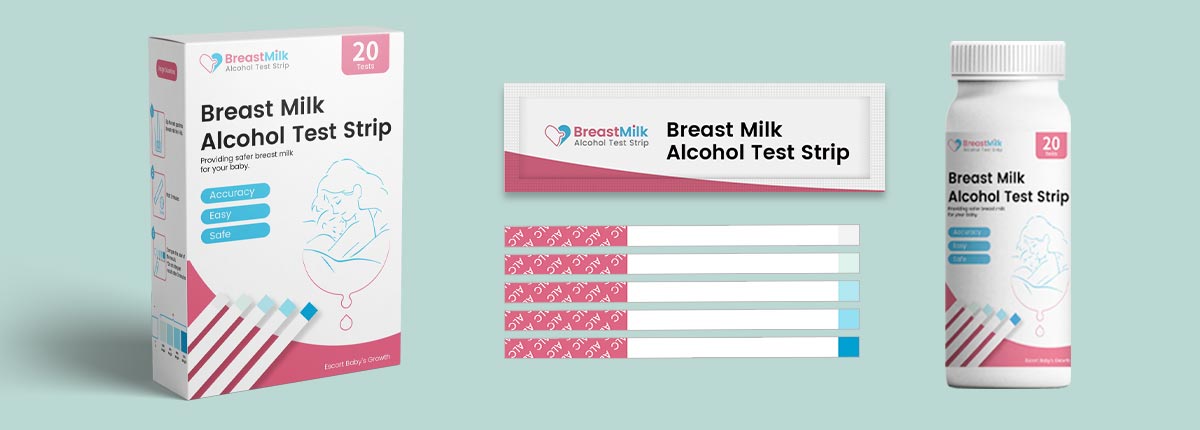
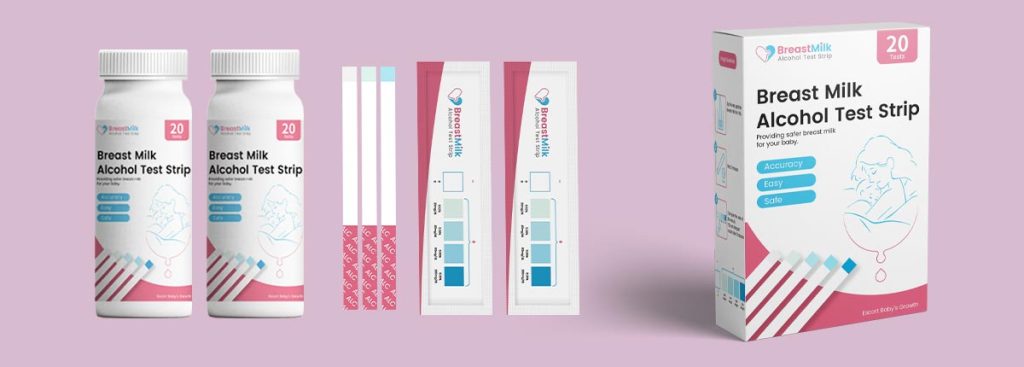
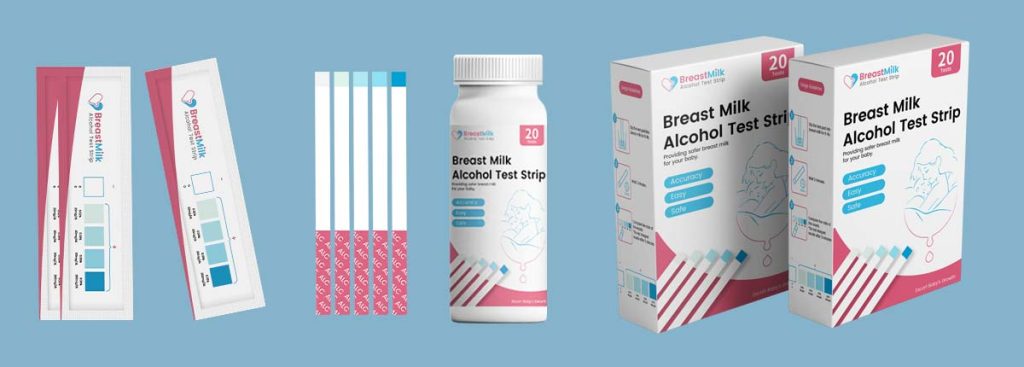
Many parents consider using a breast milk alcohol test strip to check for alcohol before breastfeeding. Health experts question the accuracy and reliability of these strips. Studies have not sufficiently supported their effectiveness, and some professionals describe them as inaccurate and unnecessary. The American Academy of Pediatrics recommends careful and limited alcohol consumption as the best approach. While test strips may offer reassurance, parents should not rely solely on them to make decisions about breastfeeding after drinking.
Tip: Parents should prioritize timing and moderation over test strip results to protect infant sleep.
| Method | Reliability | Expert Recommendation |
|---|---|---|
| Breast milk alcohol test strip | Questionable | Use with caution; not primary tool |
| Careful timing and moderation | High | Best approach for breastfeeding parents |
Practical Tips for Breastfeeding Parents
Safe Alcohol Use Guidelines
Health organizations provide clear recommendations for breastfeeding mothers who choose to consume alcohol.
- The safest choice is to avoid alcohol entirely during breastfeeding.
- Moderate consumption, up to one drink per day, is generally not harmful to infants.
- Mothers should wait at least two hours after a single drink before breastfeeding.
- Alcohol remains detectable in breast milk for about two to three hours per drink.
- Excessive alcohol can interfere with milk production and the milk ejection reflex.
- Expressing milk before drinking or waiting until alcohol levels decrease can help protect infants.
- All types of alcohol, including wine, beer, and liquor, enter breast milk.
- For two drinks, waiting four to six hours before breastfeeding is recommended.
- Milk expressed during this period should be discarded.
- Chronic or heavy alcohol use is not advised during breastfeeding.
Healthcare providers often advise parents to avoid alcohol if possible and limit intake to small amounts. Waiting before breastfeeding after drinking helps reduce risks such as changes in infant sleep, feeding problems, and fussiness.
Minimizing Sleep Disruption
Parents can take several steps to reduce the risk of sleep disruption in infants after alcohol consumption.
- Nurse before drinking to maximize the time until the next breastfeeding session.
- Prepare expressed milk in advance for the next feeding to avoid exposing the infant to alcohol.
- Wait at least two hours per standard drink before breastfeeding again.
Community-based support resources play a vital role in educating parents about safe breastfeeding and infant sleep. Training for community providers and peer support networks, including social media, helps parents access reliable information and build confidence in their choices.
When to Seek Help?
Alcohol can significantly impact infant sleep patterns. Infants metabolize alcohol more slowly than adults, so even small amounts may disrupt their sleep. If parents notice persistent sleep disturbances in their infants that may relate to alcohol exposure, they should seek medical advice. Support from healthcare providers and community programs can guide parents through safe breastfeeding practices and help address concerns about infant sleep.
Parents benefit from building relationships with healthcare providers and community resources. These connections foster trust and encourage parents to seek information and support when needed.
Conclusion
Recent studies show that alcohol in breast milk can disrupt infant sleep. The effects depend on the amount consumed, timing of feeding, and each infant’s sensitivity. Parents can protect infant sleep by waiting before breastfeeding, using test strips, and monitoring sleep patterns. The table below highlights key findings:
| Key Findings | Description |
|---|---|
| Infant Fussiness | Alcohol may increase fussiness in infants. |
| Sleep Reduction | Alcohol can reduce sleep duration for infants. |
| Temporary Effects | Effects fade when mothers stop drinking alcohol. |
Informed choices help safeguard infant sleep health.
FAQ
Does Alcohol in Breast Milk Always Affect Infant Sleep?
Research shows that alcohol in breast milk often disrupts infant sleep. Some infants experience shorter sleep and more awakenings. Sensitivity varies. Even small amounts can change sleep patterns.
How Long Should a Parent Wait After Drinking Before Breastfeeding?
Experts recommend waiting at least two hours after one standard drink. Waiting longer reduces alcohol levels in breast milk. Parents can use expressed milk to avoid exposing infants.
Are Breast Milk Alcohol Test Strips Reliable?
Studies suggest breast milk alcohol test strips may not always give accurate results. Health professionals advise parents to focus on timing and moderation instead of relying only on test strips.
Can Occasional Drinking Harm Infant Sleep?
Occasional moderate drinking usually causes temporary sleep changes. Effects fade when alcohol leaves the mother’s system. Heavy or frequent drinking increases risks for sleep and development.
What Signs Show Alcohol Has Disrupted Infant Sleep?
Infants may show increased fussiness, shorter sleep periods, and more frequent awakenings. Parents should monitor sleep patterns and consult healthcare providers if problems persist.