


Most health experts agree that drinking dark beer does not increase breast milk supply. Scientific studies show mixed results. Some believe that ingredients like barley or brewer’s yeast might help, but alcohol can actually lower milk production and affect infant feeding. This myth continues in many cultures because people associate certain beer ingredients with lactation. New parents may feel confused by these stories, but research does not support using alcohol as a solution for breastfeeding challenges.
Key Takeaways
- Drinking dark beer does not increase milk supply. Alcohol can actually reduce milk production.
- Focus on nutrition and hydration to support lactation. Foods like oats, chickpeas, and flaxseeds can help.
- Avoid drinking while breastfeeding. It can negatively affect both milk production and infant health.
- Seek professional help if you notice signs of low milk supply, such as few wet diapers or slow weight gain.
- Consider safe alternatives like non-alcoholic beer or lactation snacks to support milk production.
Dark Beer and Milk Supply Myths
Historical Beliefs
Many cultures have long believed that dark beer helps new mothers produce more milk. These beliefs trace back to ancient and medieval times. Midwives in medieval Europe often recommended beer to women after childbirth. Indigenous groups also created fermented barley drinks for postpartum healing and breastfeeding support. Barley, a main ingredient in beer, was thought to encourage lactation. This idea persisted into the early 20th century, with some healthcare providers suggesting dark beer or stout beer for their supposed benefits.
Note: Cultural traditions still influence modern practices. In countries like Ghana, India, and Bhutan, women may drink specific alcoholic beverages during pregnancy or after childbirth as part of rituals. Community norms and individual beliefs shape these practices, even when scientific evidence does not support them.
The table below highlights some common myths and the realities behind them:
| Myth | Reality |
|---|---|
| Darker beers = richer milk | Milk composition is driven by maternal nutrition, not beer color. |
| Nursing mothers drank beer regularly, so it must help milk production | The benefits were likely from barley and brewer’s yeast, as well as basic levels of hydration, not alcohol. |
| Guinness boosts milk supply because of its iron content | While iron is beneficial postpartum, beer isn’t the best way to get it. |
| A beer before breastfeeding = better milk flow | Alcohol actually suppresses oxytocin, reducing milk ejection. |
Brewer’s Yeast and Barley
Brewer’s yeast and barley play a central role in the belief that dark beer or stout beer can boost milk supply. In medieval Europe, midwives advised new mothers to drink beer for lactation. Many cultures developed their own versions of fermented barley drinks to support breastfeeding. Barley contains phytoestrogens, which mimic estrogen, a hormone involved in milk production. This connection likely strengthened the idea that beer could enhance milk supply.
Brewer’s yeast is rich in nutrients and has a reputation as a lactation booster. Generations have passed down this belief, even though scientific studies do not confirm a direct link between drinking dark beer and increased milk production. The nutrients in brewer’s yeast and barley may support overall health, but alcohol in beer can interfere with the hormones needed for milk ejection.
Tip: For those seeking to support lactation, focusing on nutrition and hydration offers safer and more effective results than relying on dark beer or stout beer.
Science on Alcohol and Milk Supply
Alcohol’s Effect on Lactation
Researchers have studied how alcohol affects lactation for decades. Alcohol enters the bloodstream quickly and passes into breast milk. When a breastfeeding parent consumes alcohol, the body responds in several ways. Studies show that alcohol can reduce the amount of milk produced. Infants often drink less breast milk after a parent consumes alcohol. The following table summarizes key findings from scientific research:
| Evidence Type | Findings | Source |
|---|---|---|
| Milk Production | Maternal alcohol consumption leads to a decrease in the amount of milk produced. | Mennella and Beauchamp 1991, 1993 |
| Infant Behavior | Infants consumed 20% less breast milk after maternal alcohol consumption. | Mennella and Beauchamp 1991, 1993 |
| Quality of Milk | Alcohol consumption does not alter the quality of milk (e.g., caloric content). | Mennella 1999 |
| Infant Development | Alcohol in breast milk may adversely affect infant sleep and motor development. | General findings |
Alcohol also interferes with the hormones that control milk production and milk ejection. Oxytocin, which helps release milk during breastfeeding, drops sharply after alcohol intake. Prolactin, which stimulates milk production, rises but does not compensate for the negative effects on milk supply. The following table shows how alcohol changes these hormone levels:
| Hormone | Change After Alcohol Consumption | Reference |
|---|---|---|
| Oxytocin | Decreased by 78% | Alcohol consumption disrupts breastfeeding hormones |
| Prolactin | Increased by 336% | Acute alcohol consumption disrupts the hormonal milieu of lactating women |
Barley, Prolactin and Milk Production
Barley contains phytoestrogens, which mimic estrogen and may influence lactation. Some believe that barley in dark beer helps increase milk supply. While barley can support overall nutrition, the alcohol in beer disrupts the hormonal balance needed for effective breastfeeding. Prolactin levels may rise after alcohol consumption, but the drop in oxytocin prevents proper milk ejection. This means that even if the body tries to produce more milk, the milk does not flow as needed during breastfeeding.
Nutrition plays a key role in supporting milk production. Foods rich in vitamins, minerals, and phytoestrogens, such as oats and barley, can help maintain a healthy milk supply. However, consuming these foods in non-alcoholic forms is safer and more effective for breastfeeding parents.
Tip: Parents who want to support milk supply should focus on balanced nutrition and hydration. Non-alcoholic barley drinks or lactation snacks offer safer alternatives than dark beer.
Why Dark Beer Isn’t a Reliable Solution?
Many people report no noticeable difference in milk supply after drinking dark beer. Some enjoy the taste but do not see any changes in milk production. Experts agree that ingredients in beer, such as barley and brewer’s yeast, may have lactogenic properties. However, the risks of alcohol consumption outweigh any potential benefits. Alcohol can impair judgment, reduce milk production, and affect infant health.
- The belief that dark beer increases milk supply lacks scientific support.
- Maintaining a healthy lifestyle and frequent breastfeeding are more effective for milk supply.
- Alcohol in beer may negatively impact milk production.
Health professionals recommend evidence-based methods for supporting breastfeeding. Frequent nursing, proper hydration, and a nutritious diet help maintain breast milk supply. Dark beer and stout do not offer reliable solutions and may even reduce milk production.
Note: Parents should seek guidance from healthcare providers if they have concerns about breastfeeding or milk supply. Safe, proven strategies work better than relying on myths.
Breastfeeding and Alcohol Risks
Alcohol Transfer to Breast Milk
Alcohol moves quickly from the bloodstream into breast milk. When a parent drinks, the concentration of alcohol in breast milk matches the blood alcohol level. The amount of alcohol present depends on how much and how quickly a person drinks. Most health organizations agree that not drinking alcohol is safest for infants. Moderate drinking, such as one drink per day, does not usually harm babies, but higher amounts can cause problems.
| Number of Drinks | Detection Time in Breast Milk |
|---|---|
| 1 drink | 2-3 hours |
| 2 drinks | 4-5 hours |
| 3 drinks | 6-8 hours |
The American Academy of Pediatrics recommends waiting at least two hours after drinking before breastfeeding or pumping. Chronic alcohol use can lower milk production and may cause long-term effects in infants. Alcohol can also interfere with the milk ejection reflex, making breastfeeding more difficult.
Note: Alcohol and breastfeeding do not mix well. Alcohol can pass into breast milk and may affect the baby’s health and development.
Impact on Baby’s Health
Infants exposed to alcohol through breast milk may experience both short-term and long-term risks. Short-term effects include decreased milk intake and disrupted sleep patterns. Babies may consume up to 20% less milk and have more fragmented sleep after exposure.
| Risk Type | Description |
|---|---|
| Short-term | Decreased milk intake (20% less milk consumed) and disrupted sleep patterns (more fragmented sleep). |
| Long-term | Potential impacts on cognitive and motor development, with some studies showing decreased motor function at 1 year but not at 18 months. |
Alcohol can cause drowsiness and restlessness in infants. Some studies show reduced body mass and lower verbal IQ scores in children exposed to alcohol through breast milk. Researchers have found dose-dependent reductions in cognitive functions and academic abilities. Deficits in abstract reasoning skills and changes in sociability have also been reported.
| Effect on Development | Study Reference |
|---|---|
| Reduced body mass and verbal IQ scores | May et al., 2016 |
| Dose-dependent reduction of cognitive functions | Gibson and Porter, 2018 |
| Dose-dependent reductions in academic abilities up to grade 5 | Gibson and Porter, 2020 |
| Deficits in abstract reasoning skills at age 7 | Oei, 2019 |
| Changes in sociability at 12 months | Tay et al., 2017 |
Tip: The safest choice for breastfeeding and alcohol is to avoid drinking. Even moderate alcohol use can affect a baby’s growth, sleep, and development.
Using a Breast Milk Alcohol Test Strip
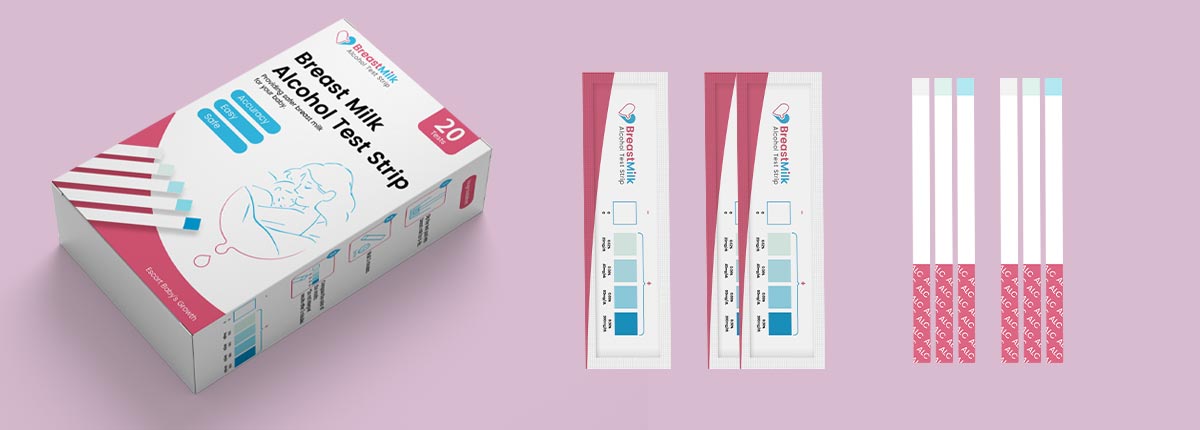
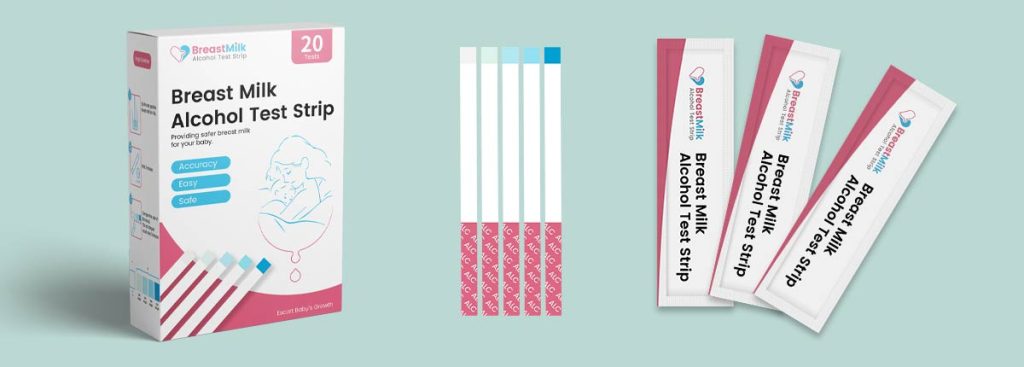
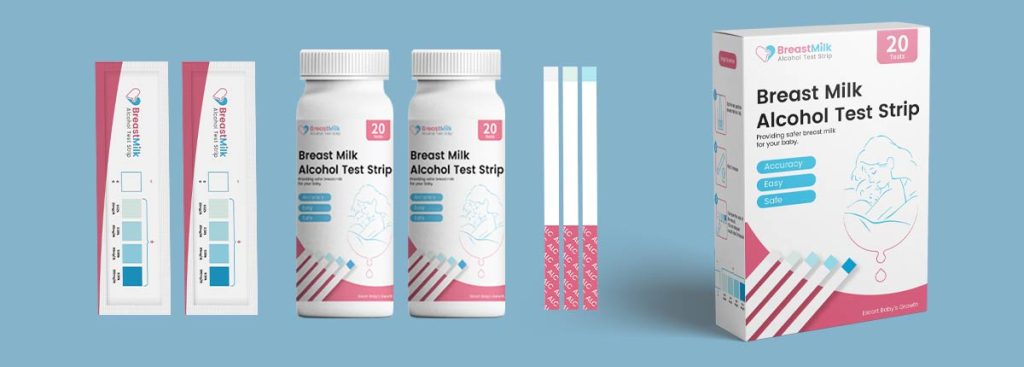
Some parents use breast milk alcohol test strips to check for alcohol in their milk. These strips promise quick results, but health experts question their accuracy. The American Academy of Pediatrics states that test strips are unnecessary and lack enough research. Lactation consultants and nurses describe them as unreliable and a waste of money. Medical professionals recommend careful and limited alcohol consumption instead of relying on alcohol breast milk test strips.
- Health experts consider breast milk alcohol test strips to be inaccurate.
- The American Academy of Pediatrics does not recommend their use.
- Lactation consultants advise parents to wait the recommended time after drinking before breastfeeding.
Parents should focus on safe practices rather than depending on test strips. Waiting the appropriate amount of time after drinking and limiting alcohol intake helps protect infants. Making informed choices about breastfeeding and alcohol supports both parent and child health.
Safe Ways to Boost Milk Supply
Nutrition and Hydration
Nursing mothers need to pay close attention to their nutrition and hydration. Clinical studies show that adequate hydration supports milk production, while severe dehydration can reduce supply. The water content of breast milk remains stable, even if a mother becomes mildly dehydrated. Experts recommend about 16 cups (128 ounces) of fluid daily from all sources, including water, juice, milk, and foods. Drinking an 8-ounce glass of water at each meal and during feedings helps maintain hydration. Breast milk contains nearly 87% water, so staying hydrated is essential for both mother and baby. A healthy diet supports overall well-being, but only prolonged nutritional deficiencies may affect milk volume.
| Aspect | Evidence |
|---|---|
| Milk Supply | Adequate hydration supports milk production; severe dehydration can reduce supply. |
| Milk Composition | Water content remains stable regardless of maternal hydration status. |
| Hydration’s Role | Mild dehydration does not significantly affect milk volume. |
| Stability of Milk Composition | The water content of breastmilk is tightly regulated. |
| Practical Findings | Fluid intake does not have a direct linear relationship with milk volume. |
Lactation Support Foods
Certain foods have milk-boosting properties and can help boost milk production. Oats, chickpeas, lentils, flaxseeds, garlic, brewer’s yeast, fennel, moringa, oat straw, and stinging nettle all support lactation in different ways. Many nursing mothers enjoy lactation cookies, which often include oats, brewer’s yeast, and flaxseeds. These snacks provide nutrients and may help maintain energy levels. Lactation cookies are a convenient way to add milk-boosting ingredients to the diet. Some herbal supplements, such as moringa and fennel, have shown promise in clinical studies, but results for herbal galactagogues remain mixed.
| Food | Benefits |
|---|---|
| Oats | Comforting and grounding, beneficial for a tired breastfeeding body. |
| Chickpeas & Lentils | Packed with plant protein and phytoestrogens, supporting hormonal regulation. |
| Flaxseeds | Rich in omega-3s that support infant brain development and breastmilk quality. |
| Garlic | May stimulate milk supply as babies nurse longer when mothers consume garlic. |
| Brewer’s Yeast | High in B-vitamins and protein, supporting energy metabolism and milk production. |
| Fennel | Contains compounds that may stimulate mammary glands and increase milk secretion. |
| Moringa | Rich in iron and vitamins, shown to increase milk volume in clinical studies. |
| Oat Straw | Supports nervous system and endocrine balance, indirectly aiding milk supply. |
| Stinging Nettle | Replenishes calcium and iron, beneficial for postpartum mothers. |
When to Seek Professional Help?
Nursing mothers should seek professional help if they notice signs of low milk supply. These signs include jaundice in the infant, insufficient wet or soiled diapers, lethargy, inconsolability, unchanged stool color by day five, or lack of steady weight gain by day four. Severe postpartum bleeding or medical issues affecting milk supply also require prompt attention. Lactation consultants can help identify common causes, such as poor latch, tongue tie, or scheduled feedings. Health professionals may suggest frequent breastfeeding, pumping strategies, or prescription medications like domperidone if needed. Lactation cookies and milk-boosting foods can support efforts, but expert guidance ensures the best outcomes for both mother and baby.
Conclusion
Dark beer and stout do not increase milk supply. In fact, alcohol may reduce milk production. Lactation experts recommend safe, effective strategies for boosting supply, such as:
- Pumping after breastfeeding to create extra demand
- Staying hydrated and eating nutrient-rich foods
- Prioritizing rest and managing stress
They also suggest:
- Hands-on pumping to increase milk output
- Power pumping to mimic cluster feeding
Parents benefit from making informed choices and seeking professional support when needed. Every breastfeeding journey is unique, and support can make a difference.
FAQ
Does Dark Beer Work As a Galactagogue?
Some believe dark beer acts as a galactagogue because it contains barley and brewer’s yeast. Scientific studies show alcohol in beer can reduce lactation. Health experts recommend safer options for supporting lactation, such as nutrition and hydration.
How Does Alcohol Affect Lactation Hormones?
Alcohol lowers oxytocin, which controls milk ejection. Prolactin may increase, but lactation does not improve. The body struggles to release milk efficiently. Lactation experts advise avoiding alcohol to maintain healthy lactation.
Can Non-Alcoholic Beer Support Lactation?
Non-alcoholic beer contains barley and brewer’s yeast, which may support lactation. These ingredients provide nutrients that help the body. Non-alcoholic options avoid the negative effects of alcohol on lactation.
What Foods Help with Lactation?
Oats, flaxseeds, chickpeas, garlic, and brewer’s yeast support lactation. These foods contain nutrients and phytoestrogens that help the body produce milk. Lactation cookies often include these ingredients for easy snacking.
When Should Someone Seek Help gor Low Lactation?
Parents should seek help if the baby shows signs of poor lactation, such as few wet diapers, jaundice, or slow weight gain. Lactation consultants can identify causes and recommend solutions. Early support improves lactation outcomes.
Tip: Lactation support from professionals helps parents address challenges quickly.
| Lactation Support | When to Seek Help |
|---|---|
| Frequent feeding | Baby not gaining weight |
| Nutrition | Few wet diapers |
| Hydration | Jaundice |