


Many parents wonder about the safety of alcohol when breastfeeding. The CDC advises that not drinking remains the safest option. However, moderate drinking appears common in many countries.
| Country | Percentage of Breastfeeding Mothers Consuming Alcohol |
|---|---|
| United States | 36% |
| Canada | 20% |
| Australia | 60% |
The CDC recommends waiting at least two hours after one standard drink before breastfeeding. Old beliefs like “pump and dump” lack evidence, as alcohol remains in milk until processed by the body.
Key Takeaways
- The safest choice for breastfeeding mothers is to avoid alcohol completely. If you choose to drink, moderation is key.
- Wait at least two hours after consuming one standard drink before breastfeeding. This helps reduce alcohol in breast milk.
- Understand what constitutes a standard drink: 5 ounces of wine, 12 ounces of beer, or 1.5 ounces of spirits, each containing about 14 grams of pure alcohol.
- Be cautious with alcohol, especially if breastfeeding newborns. Their bodies process alcohol more slowly, increasing risks.
- Plan ahead by breastfeeding or pumping before drinking. This ensures your baby is safe while you enjoy an occasional drink.
CDC Guidance on Alcohol When Breastfeeding
Is Moderate Drinking Safe?
The CDC states that the safest choice for breastfeeding mothers is to avoid alcohol completely. However, many women wonder if an occasional drink can fit into a healthy routine. Research shows that drinking in moderation, such as having one standard drink, does not appear to harm most infants if mothers follow proper timing. Experts agree that moderate consumption, defined as up to one standard drink per day, is not known to cause problems for babies.
According to the CDC, “Moderate alcohol consumption by a breastfeeding mother…is not known to be harmful to the infant, especially if the mother waits at least two hours before nursing.”
Many studies support the idea that an occasional drink, when timed correctly, is unlikely to affect the baby. The type of beverage matters as well. One standard drink equals a 5-ounce glass of wine, 12 ounces of beer, or 1 ounce of hard liquor. Mothers should always consider the alcohol content of their drink.
Despite these findings, the CDC reminds parents that alcohol can still affect babies, even in small amounts. Babies who ingest alcohol through breast milk may show increased drowsiness, irregular feeding patterns, sleep disturbances, decreased milk intake, or unusual fussiness. Long-term exposure to alcohol in breast milk has been linked to delays in infant motor development. For this reason, the CDC continues to recommend caution with alcohol when breastfeeding.
CDC’s Main Recommendations
The CDC provides clear guidelines for breastfeeding and alcohol use. Not drinking remains the safest option, but the CDC recognizes that many mothers may choose to have an occasional drink. The main recommendations include:
- Wait at least two hours after consuming one standard drink before breastfeeding. This waiting period allows the body to process the alcohol and reduces alcohol in breast milk.
- Alcohol in breast milk rise and fall with blood alcohol levels. The body needs time to metabolize alcohol, so waiting helps protect the infant.
- The CDC emphasizes that alcohol and breastfeeding do not mix well if mothers drink heavily or frequently. Regular or excessive drinking can harm the baby and disrupt feeding routines.
The CDC also notes that alcohol consumption can affect breastfeeding, as the alcohol in breast milk mirrors that in the mother’s bloodstream. Pregnant and breastfeeding women receive advice to avoid alcohol entirely due to the risks it poses to both mother and infant. In the United States, public health policies reflect these concerns, with many states enacting laws to protect children from prenatal and early-life alcohol exposure.
For mothers who choose to have an occasional drink, following the CDC’s timing guidelines can help minimize risks. Planning ahead and spacing out breastfeeding sessions after drinking in moderation supports both the mother’s well-being and the baby’s safety. Understanding the science behind alcohol when breastfeeding empowers families to make informed choices.
What Is a Standard Drink?
U.S. Standard Drink Definition
A standard drink in the United States contains about 14 grams of pure alcohol. This measurement helps people understand how much alcohol they consume, regardless of the type of beverage. The CDC and other health organizations use this definition to guide recommendations for safe drinking. People often underestimate the amount of alcohol in mixed drinks or large servings. Knowing the standard drink size allows individuals to make informed decisions about alcohol use, especially when breastfeeding.
Tip: Always check the label on your beverage. Some drinks contain more alcohol than a standard serving.
Common Examples
Different types of alcoholic beverages have unique serving sizes that equal one standard drink. The following table shows the most common types and their standard drink sizes in the United States:
| Type of Beverage | Standard Drink Size (grams of ethanol) |
|---|---|
| Beer | 14 grams |
| Wine | 14 grams |
| Spirits | 14 grams |
For beer, one standard drink usually means a 12-ounce bottle or can. Wine typically measures as a 5-ounce glass. Spirits, such as vodka, whiskey, or rum, count as one standard drink at 1.5 ounces. These sizes all contain about 14 grams of pure alcohol.
People sometimes pour larger servings without realizing it. For example, a pint of beer or a generous glass of wine may contain more than one standard drink. Mixed drinks can also vary in alcohol content depending on the recipe. Understanding these examples helps parents track their alcohol intake and follow CDC guidelines for breastfeeding.
Note: When in doubt, measure your drink to ensure it matches the standard serving size.
How Alcohol Passes into Breastmilk?
Alcohol Transfer and Peak Times
Alcohol passes into breastmilk through a process called diffusion. When a mother drinks, the alcohol enters her bloodstream and then moves into her breast milk. The alcohol content in breast milk closely matches the blood alcohol level at any given time. This means that as the blood alcohol level rises or falls, the alcohol in breast milk changes in the same way.
The transfer of alcohol to human milk does not happen instantly. After drinking, the concentration of alcohol in breast milk reaches its highest point at specific times. On an empty stomach, alcohol peaks in breast milk between 30 to 60 minutes after consumption. If the mother has eaten, the peak occurs a bit later, usually between 60 to 90 minutes. Alcohol from one standard drink can be detected in breast milk for about two to three hours. The CDC recommends waiting at least two hours after drinking before breastfeeding to ensure the alcohol level is low.
The timing of breastfeeding after drinking matters. Waiting allows the body to process the alcohol and reduces the transfer of alcohol to human milk.
Factors Affecting Levels
Several factors influence how much alcohol passes into breastmilk and how long it stays detectable. These include body weight, food intake, and timing. The following table summarizes the main factors:
| Factor | Description |
|---|---|
| Body weight and composition | Smaller individuals may metabolize alcohol more slowly. |
| Food consumption | Drinking on an empty stomach leads to higher blood alcohol levels. |
| Timing of consumption | Alcohol in breast milk typically peaks 30–60 minutes after drinking. |
Mechanistic studies show that only a small percentage of alcohol consumed by the mother transfers to human milk. On average, about 1.7% of the mother’s dose reaches the infant through breast milk. Moderate alcohol consumption, such as one drink, is not known to be harmful if the mother waits before nursing. The transfer of alcohol to human milk decreases as the blood alcohol level drops, making timing an important safety factor.
Timing and Breastfeeding After Alcohol Use
How Long to Wait?
The amount of time needed for alcohol to clear from breast milk depends on how much a person drinks. After one standard drink, most people need about two to two and a half hours before they can nurse safely. Drinking more increases the waiting time. The following table shows how long it usually takes for alcohol to leave breast milk:
| Number of Drinks | Time to Clear from Breast Milk |
|---|---|
| 1 drink | ~2 to 2.5 hours |
| 2 drinks | ~4 to 5 hours |
| 3 drinks | ~6 to 8 hours or longer |
Waiting the right amount of time helps reduce the baby’s exposure to alcohol when breastfeeding. Each person processes alcohol differently, so these times are only estimates.
Practical Tips for Safe Feeding
Parents can use several strategies to nurse safely after drinking. Planning and preparation help protect the baby and support healthy feeding routines.
- Plan your drink for right after a breastfeeding session to minimize exposure.
- Use tools like the InfantRisk Center’s calculator to determine how long alcohol stays in breast milk based on your body weight.
- Keep previously pumped milk on hand to feed your baby if you’ve consumed alcohol.
- Remember that alcohol metabolism varies by individual.
- Consult with a healthcare professional or lactation consultant if unsure.
These steps allow parents to nurse safely and make informed choices about alcohol when breastfeeding.
Using a Breast Milk Alcohol Test Strip
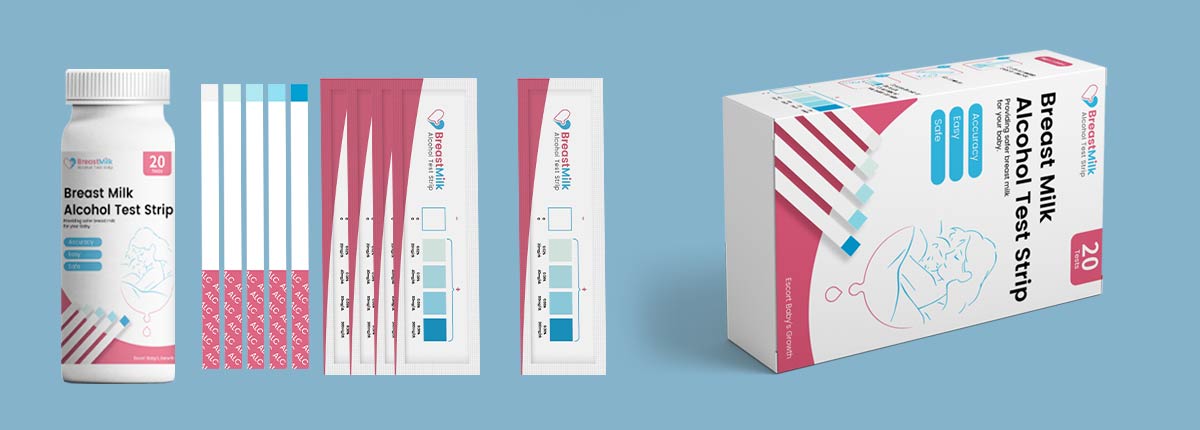
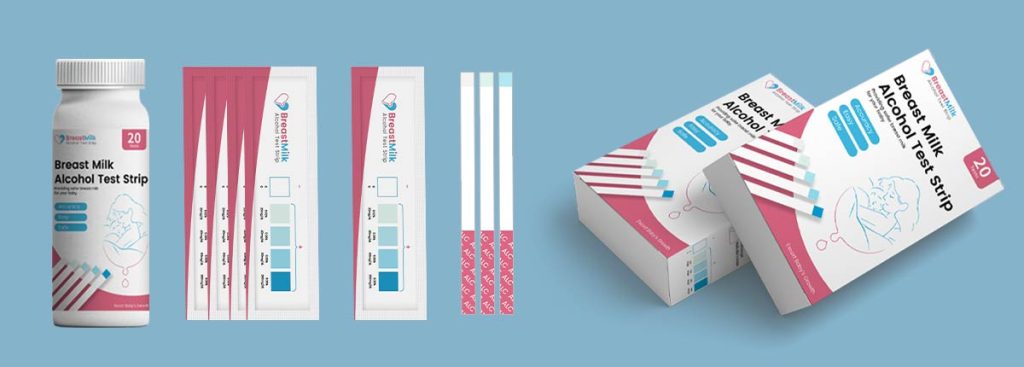
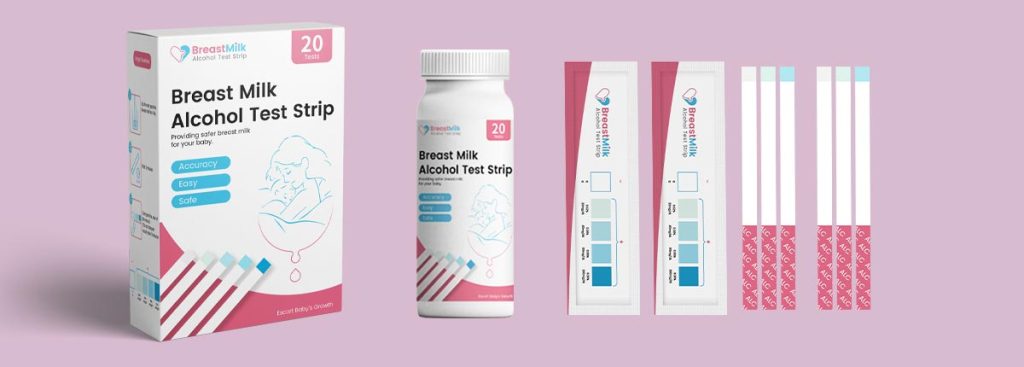
Some parents consider using a breast milk alcohol test strip to check for alcohol before feeding. Health experts question the reliability of these strips. The American Academy of Pediatrics states that test strips are unnecessary and lack enough research to prove their accuracy. Many lactation consultants and nurses also report that these strips do not give reliable results. Parents should not rely on an alcohol breast milk test strip to decide when to nurse safely. Instead, following timing guidelines and using practical strategies offers better protection for the baby.
Risks of Alcohol and Breastfeeding
Effects on the Baby
Alcohol and breastfeeding can present several risks to infants. Researchers have found that alcohol in breast milk can lead to delayed motor development in infants. Some studies show that babies exposed to alcohol through breast milk may consume less milk and display changes in behavior and early learning. For example, infants with more exposure to alcohol sometimes react differently to alcohol-scented toys, suggesting that early sensory experiences can shape their responses.
The effects on babies can vary, but common concerns include:
- Infants may drink about 20% less milk after their mother consumes alcohol, which can affect growth and nutrition.
- Alcohol in breast milk can disrupt and shorten infant sleep, causing more fragmented sleep patterns.
- Babies may show increased fussiness and crying after consuming milk containing alcohol.
- Long-term impacts remain unclear, but some research suggests possible negative effects on motor function and academic performance.
Longitudinal studies have not found a significant link between maternal alcohol intake during breastfeeding and developmental health outcomes at ages 6-7 and 10-11 years. Autism spectrum disorder and attention deficit disorder were the only conditions associated with lower developmental outcomes, not alcohol or tobacco use.
Impact on Milk Supply
Alcohol can affect the breastfeeding baby by altering milk production and supply. Excessive alcohol consumption is linked to reduced milk production and changes in breast milk composition. Mothers who drink may experience inhibition of the let-down reflex, which can decrease overall milk supply. Babies may consume 20 to 23% less milk when mothers drink alcohol. These changes can increase the risk of adverse outcomes, such as sudden infant death syndrome (SIDS).
Tip: Mothers who plan to drink should monitor their milk supply and watch for changes in their baby’s feeding patterns.
Healthcare professionals recommend caution with alcohol and breastfeeding to protect both milk supply and infant health.
Special Considerations for Newborns
Why Newborns Are More Sensitive?
Newborns face greater risks from alcohol exposure through breast milk than older infants. Their bodies process alcohol much more slowly because their liver and metabolic systems remain immature. This slower metabolism allows alcohol to stay in their system longer, increasing the chance of negative effects. Even small amounts of alcohol can disrupt a newborn’s feeding habits, sleep, or mood. The following table highlights key differences between newborns and older infants regarding alcohol sensitivity:
| Age Group | Liver Development | Alcohol Processing Speed | Vulnerability to Alcohol |
|---|---|---|---|
| Newborns | Immature | About half that of adults | Very high |
| Older Infants | More developed | Faster than newborns | Lower |
| Adults | Fully developed | Fastest | Lowest |
Newborns cannot break down alcohol efficiently. This makes them more vulnerable to changes in behavior, feeding, and sleep after even minimal exposure.
Extra Precautions
Parents who breastfeed newborns should take extra steps to protect their babies from alcohol exposure. The following precautions help reduce risks:
- Avoid drinking alcohol until the baby reaches at least 8 weeks of age.
- Breastfeed or pump milk immediately before consuming alcohol.
- Limit alcohol intake to one standard drink per day.
- Wait at least two hours after drinking before breastfeeding again.
- Use previously expressed milk if the baby needs to feed before the waiting period ends.
- Eat food and drink juice when consuming alcohol to slow its absorption.
- Plan ahead by pumping and storing milk before drinking.
- Avoid “pumping and dumping,” as this does not speed up alcohol removal from breast milk.
Newborns need extra protection because their bodies cannot handle alcohol like older children or adults. Careful planning and strict limits on alcohol can help keep them safe.
If You Breastfeed Too Soon After Drinking
Immediate Actions
Parents sometimes realize they have breastfed too soon after drinking alcohol. Acting quickly can help reduce risks to the baby. The following steps offer guidance for these situations:
- Plan Ahead: Breastfeed or pump before drinking alcohol. This step lowers the chance of exposing the baby to alcohol.
- Understand Timing: Wait at least two to two and a half hours for each standard drink before breastfeeding again. Timing helps the body process alcohol.
- Be Cautious with Heavy Drinking: Arrange for another adult to care for the baby if heavy drinking occurs. Avoid sharing a bed with the baby after drinking.
- Express for Comfort: If breasts feel full, pump to relieve discomfort. Do not feed this milk to the baby, as it may contain alcohol.
- Know the Signs: Watch for changes in the baby’s behavior, such as increased fussiness, sleep disturbances, or feeding problems.
- Make Empowered Decisions: Moderate drinking rarely causes harm when parents follow guidelines. Confidence in decision-making supports both parent and child.
Tip: Keeping previously expressed milk available allows parents to feed the baby safely if breastfeeding must occur before the recommended waiting period ends.
When to Seek Help?
Some situations require medical advice or support. Parents should contact a healthcare provider if the baby shows any of the following signs after breastfeeding too soon post-alcohol consumption:
- Persistent vomiting or diarrhea
- Difficulty breathing or unusual drowsiness
- Refusal to feed or poor sucking
- Extreme irritability or inconsolable crying
A pediatrician can assess the baby’s health and recommend next steps. Parents should also seek help if they feel unsure about their decisions or need guidance on safe breastfeeding practices. Lactation consultants and nurses provide valuable support for families navigating alcohol use and breastfeeding.
Note: Immediate medical attention is necessary if the baby appears unresponsive or has trouble breathing.
Conclusion
Breastfeeding mothers can follow CDC guidance to keep their babies safe. Experts recommend avoiding alcohol, but up to one standard drink per day rarely causes harm if mothers wait at least two hours before nursing.
- Alcohol in breast milk peaks 30–60 minutes after drinking and clears within two to three hours.
- Regular drinking can lower milk supply and affect infant health.
Breast milk alcohol test strip lacks FDA approval and reliable research. They often cause unnecessary worry. Natural metabolism removes alcohol from breast milk, making test strips unnecessary.
Parents who plan ahead and use practical timing protect their infants. Informed choices support healthy feeding and empower families.
FAQ
Can a Mother Breastfeed After Drinking One Glass of Wine?
Yes, she can breastfeed after one glass of wine. The CDC recommends waiting at least two hours after drinking before nursing. This waiting period allows most of the alcohol to leave her breast milk.
Does Pumping and Dumping Remove Alcohol from Breast Milk?
No, pumping and dumping does not speed up alcohol removal. Alcohol leaves breast milk only as it leaves the bloodstream. Time remains the only effective way to reduce alcohol levels in breast milk.
Are Alcohol Breast Milk Test Strips Reliable for Breast Milk?
Most experts do not recommend alcohol strips for breast milk. Studies show these strips often give inaccurate results. The CDC suggests following timing guidelines instead of relying on test strips.
What If the Baby Accidentally Drinks Milk with Alcohol?
If a baby consumes milk with alcohol, parents should watch for unusual sleepiness, feeding problems, or irritability. Most babies experience no harm from small amounts. Parents should contact a healthcare provider if they notice concerning symptoms.
Can Alcohol Affect Milk Supply?
Alcohol can reduce milk production and change milk composition. Babies may drink less milk after the mother consumes alcohol. Healthcare professionals advise monitoring both milk supply and the baby’s feeding patterns.