


Alcohol changes the taste and smell of breast milk, making some babies notice the difference. Many mothers wonder if occasional drinking affects breastfeeding. Surveys show that about half of breastfeeding women in Western countries drink alcohol sometimes. Beliefs and traditions vary worldwide:
- Some cultures view small amounts of alcohol as safe or even beneficial.
- Others believe any alcohol can cause harm.
- Social customs and peer influence play a strong role.
Many people think “pumping and dumping” removes alcohol from breast milk, but only time clears it from the body.
Key Takeaways
- Alcohol alters the taste and smell of breast milk, which some infants can detect. This may lead to changes in their feeding behavior.
- Alcohol in breast milk peak 30 to 60 minutes after consumption and can remain for 2 to 3 hours. Timing breastfeeding sessions can help minimize infant exposure.
- Moderation is key. Limiting alcohol intake to one standard drink and waiting at least two hours before breastfeeding can help ensure safety for infants.
- Pumping and dumping does not remove alcohol from breast milk. Only time allows the body to metabolize alcohol effectively.
- Following expert guidelines on alcohol consumption while breastfeeding helps maintain a safe and nurturing environment for both mother and child.
How Does Alcohol Affect Breast Milk?
Alcohol Transfer to Breast Milk
Alcohol in breast milk appears soon after a mother drinks wine or other alcoholic beverages. The process begins when alcohol enters the bloodstream and then moves into the milk-producing glands. The concentration of alcohol in breast milk closely matches the mother’s blood alcohol concentration. As the alcohol level in her blood rises or falls, the alcohol level in milk changes in the same way.
- Alcohol in breast milk usually peak 30 to 60 minutes after drinking.
- Alcohol can remain in breast milk for about 2 to 3 hours after the last drink.
- The amount and type of alcohol, such as wine, affect how long alcohol stays in breast milk. For example, one drink may be detectable for up to 3 hours, while three drinks can extend this period to 6 to 8 hours.
- Factors like body weight, food intake, and timing of consumption also influence how much alcohol passes into breast milk.
Tip: The CDC notes that wine transfers into breast milk at levels similar to those in the bloodstream. Mothers who drink wine or other alcoholic beverages should consider timing their breastfeeding sessions to minimize alcohol exposure for their infants.
Changes in Taste and Smell
Alcohol in breast milk can change the taste of breast milk and alter its odor. Ethanol, the main component in alcoholic drinks, is responsible for these changes. After alcohol consumption, the ethanol content in breast milk increases, which can be detected by the human nose and may make the milk smell different to both adults and infants.
| Evidence Type | Description |
|---|---|
| Ethanol Content | The ethanol content in breast milk changes significantly after mothers consume alcoholic beverages, leading to alterations in the odor of the milk. |
| Odor Alteration | There was a significant alteration in the odor of the milk samples for each woman on the day she drank the alcoholic beer. |
| Detection Threshold | The amount of ethanol transmitted to human milk can be detected by the human nose, contributing to the altered odor. |
Researchers have used trained sensory panels and analytical instruments to measure these changes. Sensory panels score the intensity of odors in breast milk after mothers consume substances like wine or garlic. Instruments such as gas chromatography-mass spectrometry (GC-MS) confirm the presence of volatile compounds, including those from alcohol, that contribute to the altered flavor profile.
Alcohol also affects the composition of breast milk. Studies show that alcohol can reduce milk production and change the balance of proteins, fats, and sugars. For example, chronic alcohol use may decrease casein and lactose levels while increasing certain fats and proteins. Alcohol can also disrupt hormone secretion and mammary gland development, which impacts both the quality and quantity of milk produced.
- Alcohol affects hormone secretion, which is crucial for milk synthesis and release.
- Suckling deficits due to maternal alcohol use can alter hormone release, impacting milk production.
- Alcohol alters mammary gland development, affecting milk quality and quantity.
Understanding how does alcohol affect breast milk helps mothers make informed choices about breastfeeding after drinking wine or other alcoholic beverages. The changes in taste and smell, along with shifts in milk composition, may influence infant feeding behavior and acceptance of breast milk.
Infant Response to Alcohol in Breast Milk
Can Babies Detect Flavor Changes
Researchers have explored whether infants notice changes in breast milk after mothers drink wine or other alcoholic beverages. Studies reveal that babies can detect flavor differences caused by alcohol consumption. Sensory changes in breast milk occur quickly, and infants respond to these alterations during feeding.
| Study | Findings |
|---|---|
| Infants’ suckling responses to the flavor of alcohol in mothers’ milk | Infants consumed more and sucked more frequently from alcohol-flavored milk compared to unaltered milk, indicating they can detect the flavor of alcohol. |
| The transfer of alcohol to human milk. Effects on flavor and the infant’s behavior | Short-term alcohol consumption by lactating women increased the perceived intensity of the odor of their milk, affecting infants’ sucking frequency. Infants sucked more frequently after alcohol consumption but consumed less milk. |
Babies often react to the taste and smell of breast milk when mothers have consumed wine. Some infants may refuse to nurse or show hesitation during feeding. Others might increase sucking frequency but take in less milk overall. These responses suggest that infants are sensitive to even small changes in breast milk flavor and odor.
Note: Infants’ ability to detect flavor changes in breast milk highlights the importance of considering timing and amount of wine consumption during breastfeeding.
Feeding Behavior and Milk Intake
Alcohol in breast milk can influence infant feeding patterns and milk intake. Clinical studies show that alcohol consumption by mothers leads to noticeable changes in feeding behavior. The concentration of alcohol in breast milk peaks within an hour after wine intake, and this timing affects how infants feed.
- Alcohol inhibits oxytocin release, which is crucial for milk letdown. This inhibition can reduce milk release by up to 23 percent during the period when alcohol is present in the mother’s blood.
- In some cases, alcohol can completely block oxytocin release, making milk less available during feeding.
- Infants often consume less breast milk during the hours following maternal wine consumption. Researchers observed a significant decrease in milk intake during the four hours after exposure to alcohol-containing breast milk.
- Babies may compensate for reduced milk intake by increasing feeding volume eight to sixteen hours after mothers abstain from wine.
Feeding behavior changes in several ways:
- Some infants refuse breast milk after mothers drink wine.
- Others show increased sucking frequency but lower overall milk intake.
- Feeding sessions may become shorter or less effective, leading to temporary changes in infant nutrition.
The impact of drinks for breastfeeding depends on the timing and amount of wine consumed. Mothers who drink wine should consider these effects when planning feeding sessions. Understanding how alcohol alters breast milk and infant feeding helps parents make informed choices about breastfeeding after wine consumption.
Health Implications for Breastfeeding
Short-Term Effects on Infants
Alcohol in breast milk can affect infants soon after mothers drink wine or other alcoholic beverages. Researchers have found that alcohol exposure through breastfeeding changes infant sleep patterns. Infants may sleep for shorter periods and spend less time in active sleep during the hours after nursing. These changes can disrupt normal sleep-wake cycles and may leave babies feeling less rested. Some studies also show that regular alcohol consumption by mothers can slightly alter gross motor development in infants. While these changes do not appear to affect mental development, they highlight the importance of following guidelines for safe breastfeeding after wine consumption.
Long-Term Considerations
Repeated exposure to alcohol in breast milk raises concerns about long-term health and development. Studies have linked frequent wine consumption during breastfeeding to several developmental risks:
| Outcome Type | Effect of Alcohol Exposure in Breast Milk |
|---|---|
| Likelihood of FASD Diagnosis | Increased by six fold |
| Physical Growth | Associated with growth delays and physical anomalies |
| Neurobehavioral Development | Linked to poorer cognitive and behavioral outcomes |
| Specific Traits Affected | Weight, verbal IQ, and total anomalies |
| Head Circumference | Depressed head circumference indicating poor brain development |
Health experts emphasize moderation and clear guidelines for breastfeeding mothers who choose to drink wine. Most pediatric guidelines state that occasional use of alcohol, such as 1-2 drinks per week, is generally safe. The American Academy of Pediatrics advises against regular alcohol use but recognizes that a single drink in moderation is acceptable. To reduce risk, mothers should wait at least two hours after wine consumption before breastfeeding. Alcohol levels in breast milk peak within an hour and usually clear after two to three hours per drink.
Note: Moderate alcohol consumption, defined as up to one drink per day, is not known to be harmful to infants when mothers follow safety guidelines. Waiting before breastfeeding and limiting intake helps protect infant health.
Following these guidelines allows mothers to enjoy wine in moderation while minimizing risks to their infants. Consistent adherence to expert recommendations ensures that breastfeeding remains safe and beneficial for both mother and child.
Practical Tips for Breastfeeding Mothers
Using Breast Milk Alcohol Test Strip
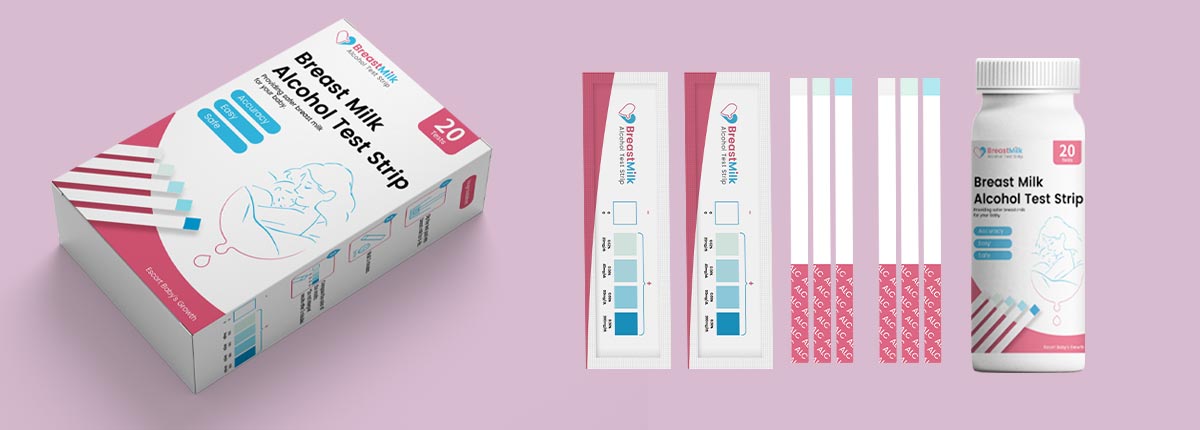
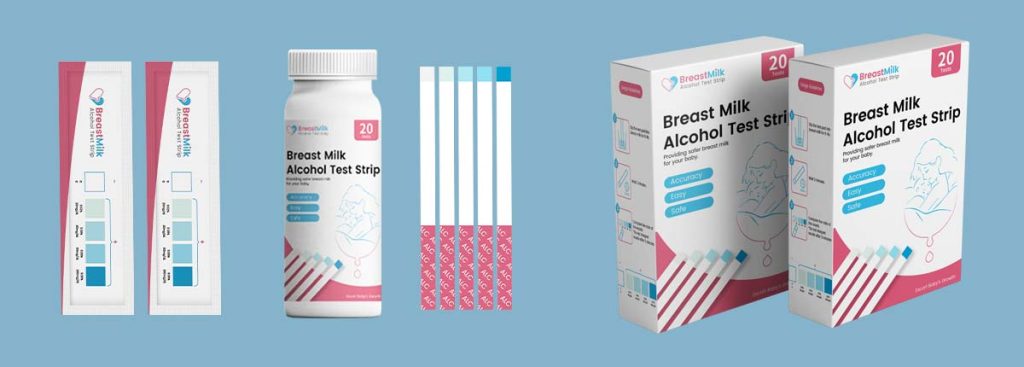
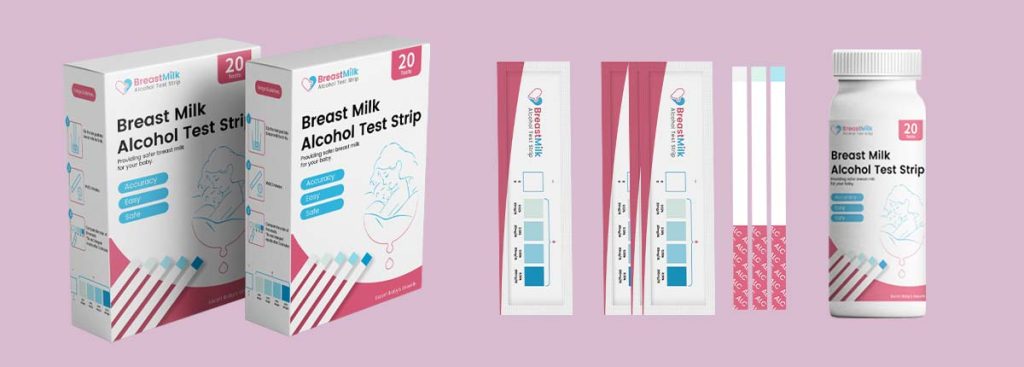
Some breastfeeding mothers consider using an alcohol breast milk test strip after drinking wine. These strips claim to detect alcohol levels in breast milk. However, experts question their accuracy. Maria Parlapiano, a registered nurse and lactation consultant, explained that these test strips often give unreliable results. Dr. Maya Bunik from the University of Colorado School of Medicine advised that careful and limited wine consumption remains the best approach for breastfeeding mothers. The American Academy of Pediatrics also noted that breast milk alcohol test strips have not been studied enough and are unnecessary for most mothers. Health professionals warn that relying on these strips may lead to misinterpretation and does not guarantee infant safety. Instead of depending on test strips, mothers should focus on safe wine consumption practices and proper timing.
Safe Breastfeeding After Alcohol
Breastfeeding mothers can take several steps to minimize infant exposure to alcohol after wine consumption. Moderation is key. Limiting intake to one standard drink at a time helps reduce risk. The CDC recommends waiting at least two hours after drinking wine before breastfeeding or pumping. This waiting period allows the body to metabolize alcohol and lowers the chance of passing it to the infant. Eating before or during wine consumption slows alcohol absorption. Mothers can feed the baby first or use stored breast milk if planning to drink. Arranging for a sober adult to help with childcare provides extra safety. Pumping after drinking does not speed up alcohol clearance from milk. Health organizations agree that the safest option is to avoid alcohol, but occasional safe wine consumption is not believed to harm infants if guidelines are followed. Knowing when to avoid wine completely is important. Mothers should skip wine if their baby was born prematurely, has health problems, or if they plan to drink more than one drink. Timing your wine consumption and following these tips help keep breastfeeding safe for both mother and child.
Conclusion
Alcohol changes the flavor and smell of breast milk. Some infants notice these changes and may refuse to feed, while others alter their feeding behavior. Research shows that alcohol in breast milk mirrors maternal blood alcohol levels and can reduce milk production, affecting infant sleep and feeding patterns. Occasional alcohol use remains manageable with careful timing and moderation.
| Evidence Type | Description |
|---|---|
| Alcohol Transfer | Alcohol passes freely into breast milk, paralleling maternal blood levels. |
| Timing of Alcohol Clearance | Alcohol is detectable for about 2.5 hours after one drink. |
| Recommendations | Limit intake to one drink per day and avoid binge drinking. |
Parents can use safe breastfeeding guidelines and practical tools to protect their infants. With informed choices, breastfeeding stays safe and nurturing.
FAQ
Does Alcohol Stay in Breast Milk If a Mother Pumps and Dumps?
Pumping and dumping does not remove alcohol from breast milk. The body must metabolize the alcohol. Only time reduces alcohol levels in both blood and milk.
How Soon Can a Mother Breastfeed After Drinking Alcohol?
A mother can usually breastfeed safely about two hours after one standard drink. Waiting longer helps lower the alcohol in breast milk.
Can Babies Get Drunk from Breast Milk?
Babies rarely get drunk from breast milk. The alcohol concentration is much lower than in the mother’s blood. However, frequent or heavy drinking increases risk.
What If a Baby Refuses Breast Milk After Alcohol Consumption?
- The baby may notice a change in taste or smell.
- The mother can offer previously pumped milk.
- Waiting until the alcohol clears may help.
Are Certain Types of Alcohol Safer for Breastfeeding?
All types of alcohol—wine, beer, or spirits—transfer to breast milk at similar rates. The amount consumed matters more than the type.