


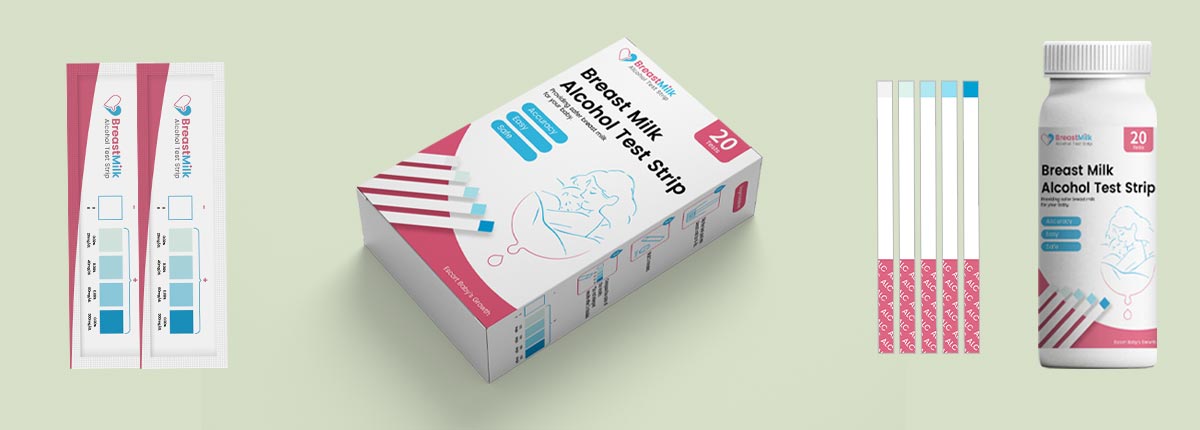
Alcohol in breast milk reaches its highest level 30 to 60 minutes after a drink, or about 60 to 90 minutes if taken with food. Timing matters because many parents worry about safety, accidental early feeding, and how alcohol can affect breastfeeding or infant care. Common concerns include moderate consumption, the risk of impaired judgment, and how excessive use can interfere with milk ejection or infant growth. Parents often use practical tools like breast milk alcohol test strip for reassurance.
Key Takeaways
- Alcohol in breast milk peaks 30 to 60 minutes after drinking. Timing is crucial for safe breastfeeding.
- Moderate alcohol consumption is generally safe for breastfeeding mothers. Wait at least two hours after drinking before feeding.
- Alcohol does not accumulate in breast milk. As blood alcohol levels drop, so does the alcohol in milk.
- Eating food while drinking slows alcohol absorption. This helps keep alcohol levels in breast milk lower.
- Pumping and dumping milk does not remove alcohol. Time is the only way to clear alcohol in breast milk.
Alcohol in Breast Milk: Peak Timing
How Alcohol Enters Breast Milk?
Alcohol moves quickly from the bloodstream into breast milk. The molecule is small and water-soluble, which allows it to pass freely into human milk. The concentration of alcohol in breast milk closely matches the mother’s blood alcohol concentration. When a person drinks, alcohol circulates through the body and reaches the mammary glands. Alcohol transfers readily into human milk and does not get stored there. The amount of alcohol in breast milk is generally less than 16% of the total consumed by the mother.
Tip: Alcohol in breast milk does not accumulate over time. Once the blood alcohol level drops, the alcohol content in breast milk also decreases.
When Peak Levels Occur?
Alcohol levels peak in breast milk about 30 to 60 minutes after drinking. If a person consumes alcohol with food, the peak may occur later, usually between 60 and 90 minutes. The timing depends on how quickly the body absorbs alcohol. Scientific studies confirm this timeline, showing that alcohol in breast milk reaches its highest concentration within an hour after a drink.
| Condition | Peak Time |
|---|---|
| Without food | 30 to 60 minutes |
| With food | 60 to 90 minutes |
- Alcohol reaches its highest concentration in breast milk about 30 to 60 minutes after a drink.
- The levels of alcohol in breast milk closely mirror the maternal blood alcohol concentrations.
- Alcohol transfers readily into human milk and is not stored there.
How Long Alcohol Stays?
The duration that alcohol remains detectable in breast milk depends on the amount consumed. After one standard drink, alcohol in breast milk is usually detectable for about 2 to 3 hours. With two drinks, the duration increases to 4 to 5 hours. Three drinks can extend the detectable period to 6 to 8 hours. The body gradually eliminates alcohol, and the alcohol content in breast milk drops as blood alcohol levels decrease.
| Alcohol Consumption | Duration Detectable in Breast Milk |
|---|---|
| 1 drink | 2 to 3 hours |
| 2 drinks | 4 to 5 hours |
| 3 drinks | 6 to 8 hours |
- Alcohol levels peak in breast milk 30-60 minutes after drinking.
- Detectable for about 2-3 hours after a single drink.
- Duration increases with the number of drinks consumed.
Parents who breastfeed often ask about safety and timing. Understanding how alcohol in breast milk behaves helps them make informed decisions. The close relationship between blood alcohol concentration and alcohol content in breast milk means that timing matters for breastfeeding and infant care.
Factors Affecting Alcohol Levels
Body Weight and Metabolism
Body weight and metabolism play a significant role in how quickly alcohol passes into breast milk and how long it remains detectable. Individuals with higher body weight often process alcohol more efficiently, leading to lower concentrations in breast milk. Metabolic rate also varies from person to person. During lactation, metabolic changes can occur, which may increase the first-pass metabolism of alcohol. This adaptation can result in lower peak blood alcohol levels and faster elimination from breast milk. The rate at which alcohol is metabolized depends on these individual differences, influencing both the timing and the amount present in breast milk.
Food Intake and Drinking Patterns
Food intake and drinking patterns directly affect the timing and peak levels of alcohol in breast milk. Consuming alcohol on an empty stomach leads to a faster rise in blood alcohol concentration, causing breast milk levels to peak within 30 to 60 minutes. Eating food before or during alcohol consumption slows absorption, delaying the peak to 60 to 90 minutes. The following table summarizes how food impacts peak timing:
| Condition | Peak Time in Breast Milk |
|---|---|
| Empty Stomach | 30 to 60 minutes |
| Full Stomach | 60 to 90 minutes |
Drinking slowly or savoring a drink over several hours can minimize the increase in blood alcohol levels. As a result, breast milk alcohol levels remain lower.
Alcohol diffuses from the bloodstream into breast milk. As blood alcohol levels drop, so does the amount in breast milk. Savoring a drink and eating food can decrease absorption and reduce levels in breast milk.
Type and Amount of Alcohol
The type and amount of alcohol consumed influence the concentration and duration of alcohol in breast milk. Wine, beer, and spirits all transfer alcohol into breast milk at rates that mirror blood alcohol levels. A standard drink, such as 5 ounces of wine or 12 ounces of beer, typically remains present in breast milk for about 2 to 3 hours. Larger amounts or stronger beverages extend this duration. Moderate alcohol consumption is not known to be harmful to infants, but higher intake can lead to increased fussiness, disrupted sleep, and decreased milk intake for several hours. The effects on babies become more pronounced with heavy drinking, which can also inhibit the let-down reflex and reduce overall milk supply.
Breastfeeding Guidelines After Drinking
How Long to Wait to Breastfeed?
Health organizations provide clear recommendations for breastfeeding mothers who choose to drink alcohol. The American Academy of Pediatrics advises that they should drink only occasionally. Experts recommend waiting at least two hours after consuming alcohol before breastfeeding. This waiting period allows the body to metabolize most of the alcohol, reducing the amount that passes into breast milk. The Centers for Disease Control and Prevention (CDC) also states that abstaining from alcohol is the safest choice for breastfeeding. If a mother consumes alcohol in moderation and feels safe to have a drink, she is generally considered safe to breastfeed. Alcohol passes from the bloodstream into breast milk, and its concentration peaks 30 to 60 minutes after drinking. The level then declines over time.
Tip: If a mother feels alert and able to care for her baby, she is likely safe to breastfeed after drinking in moderation.
What Is a Standard Drink?
Understanding what counts as a standard drink helps parents make informed decisions. In the United States, a standard drink contains 0.6 fluid ounces or 14 grams of pure alcohol. This amount is found in:
- 12 ounces of regular beer
- 5 ounces of wine
- 1.5 ounces of distilled spirits
Knowing these measurements helps breastfeeding mothers estimate how long alcohol may remain in their system.
Using a Breast Milk Alcohol Test Strip
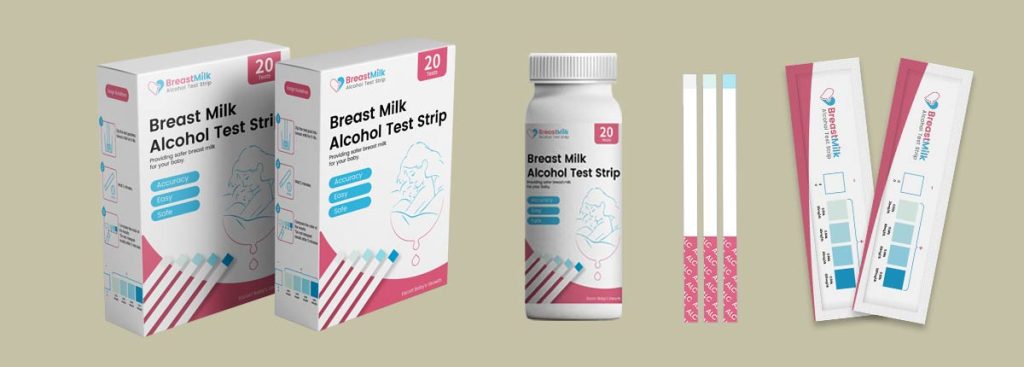
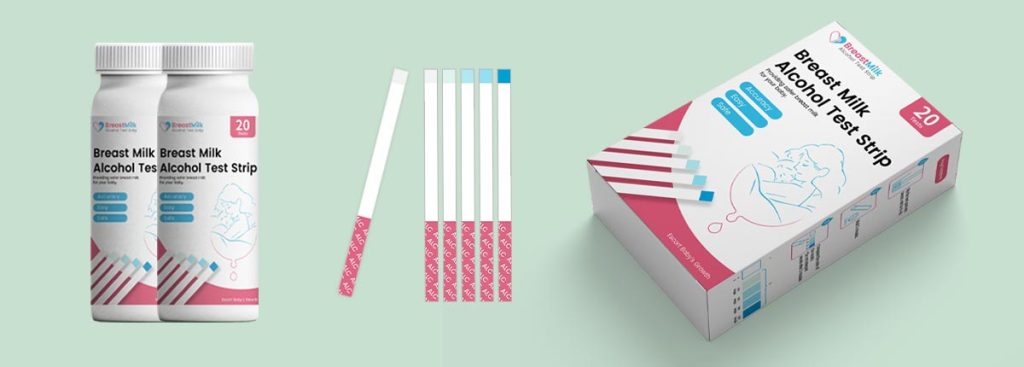
Some parents consider testing breast milk for alcohol to gain reassurance before feeding. An alcohol breast milk test strip can detect the presence of alcohol, but health experts question its reliability. Studies have not validated the accuracy of these strips. The American Academy of Pediatrics notes that these products are unnecessary and lack sufficient research. Potential issues include false positives, technical errors, and interference from medications or certain foods. Experts recommend using these strips only as a supplementary tool, not as the sole method for determining safety. Individual metabolism can also affect results, so a negative test does not always guarantee the absence of alcohol.
Myths, Tips, and Reassurance
Pumping and Dumping
Many parents believe that pumping and dumping breast milk after alcohol consumption will remove alcohol from their milk. Scientific research shows this is a myth. The alcohol level in breast milk matches the mother’s blood alcohol level. As her blood alcohol level drops, the alcohol in her milk also decreases. Alcohol does not get stored in breast milk, so discarding milk does not speed up the process. The following points summarize the facts:
- Pumping and dumping does not reduce alcohol in breast milk.
- Alcohol is not stored in breast milk; its level reflects the mother’s blood alcohol level.
- As the mother’s blood alcohol level decreases, so does the alcohol level in her milk.
Other myths exist about alcohol and breastfeeding. The table below highlights common misconceptions and what research says about them:
| Myth | Evidence Against Myth |
|---|---|
| Alcohol enhances milk production | Research shows that while infants may suck more frequently when mothers consume alcohol, it does not lead to increased milk consumption and may actually reduce milk production in the short term. |
| Heavy drinking has no impact on infant health | Regular heavy drinking is linked to negative health effects in infants, including symptoms that can resolve with reduced maternal alcohol consumption. |
| Alcohol has no effect on infant behavior | Alcohol consumption can alter infant sleep patterns and behavior, with some studies indicating reduced sleep duration after alcohol ingestion. |
Planning Feeds and Minimizing Risk
Parents can take practical steps to minimize infant exposure to alcohol in breast milk. Healthcare professionals recommend breastfeeding right before consuming alcohol. This strategy reduces the chance that newborns will ingest alcohol. Eating food while drinking in moderation slows alcohol absorption. Planning ahead by storing expressed breast milk provides another safe option. If unable to wait after drinking, parents can use previously expressed milk for feeding.
- Breastfeed immediately before drinking to minimize exposure.
- Consume food while drinking to reduce alcohol absorption.
- Wait about 2 to 3 hours after drinking before the next feeding.
- Store expressed breast milk in advance for flexibility.
- Expressing and discarding milk is unnecessary, as alcohol clears from milk as blood alcohol levels decrease.
Alcohol levels in breast milk peak about 30 to 60 minutes after consumption and remain detectable for 2 to 3 hours per drink. Waiting at least 2 hours after a single drink before breastfeeding helps minimize risk.
What If You Breastfeed Too Soon?
Accidental early feeding can happen. If a parent breastfeeds too soon after drinking, the infant may experience drowsiness, weakness, deep sleep, abnormal weight gain, or problems with early development. These risks increase with higher alcohol intake. However, drinking in moderation does not necessarily prevent safe breastfeeding. Parents can use online calculators to estimate how long it takes for alcohol to clear from breast milk. Most experts agree that occasional, moderate alcohol consumption rarely causes harm. Reassurance and practical planning help parents feel confident about their choices.
Healthcare professionals encourage parents to focus on moderation and timing to protect their infants while maintaining a positive breastfeeding experience.
Conclusion
Research shows that alcohol in breast milk peaks 30 to 60 minutes after a drink and usually clears within two to three hours. Only a small amount transfers to milk, so moderate drinking rarely poses a risk when parents wait before breastfeeding. Practical steps include limiting intake, waiting at least two hours, and feeding before drinking. Support organizations encourage non-judgmental guidance and reliable information. Healthcare providers can offer personalized advice for each family’s needs.
Parents can feel confident making informed choices about drinking while breastfeeding.
FAQ
How Much Alcohol Passes Into Breast Milk?
Only a small amount of alcohol passes into breast milk. The concentration usually matches the blood alcohol level. Most experts agree that less than 2% of the alcohol a parent drinks reaches the milk.
Can a Parent Safely Breastfeed After One Drink?
Yes. Most health organizations state that breastfeeding is safe about two hours after a single standard drink. Waiting allows the body to process most of the alcohol.
Does Pumping Remove Alcohol from Breast Milk?
No. Pumping does not speed up the removal of alcohol. The alcohol in breast milk drops as the blood alcohol level decreases. Time is the only factor that reduces alcohol in milk.
What Are Signs of Alcohol Exposure in Babies?
Babies exposed to alcohol may show drowsiness, poor feeding, or changes in sleep patterns. These effects usually appear with higher alcohol intake or frequent exposure.
Are There Tools to Check Alcohol in Breast Milk?
Yes. Some parents use test strips to check for alcohol in breast milk. Experts caution that these strips may not always give accurate results. They recommend using them only as a guide.