

What Is the Latest Official Position of the American Academy of Pediatrics on Alcohol and Breastfeeding?


The American Academy of Pediatrics recommends abstaining from alcohol as the safest choice for mothers who breastfeed. If a mother decides to drink, the AAP advises limiting intake and choosing to consume alcohol right after nursing or pumping. In the United States, about 36% of breastfeeding mothers report alcohol consumption. Many mothers express concerns about alcohol and breastfeeding, including:
- Alcohol can inhibit oxytocin release, delaying milk ejection and reducing milk production.
- Infants may take in about 20% less milk per feeding after maternal alcohol intake.
- Excessive drinking can shorten breastfeeding duration and raise the risk of cot death and accidental smothering.
- Mothers who drink more than two drinks per day are nearly twice as likely to stop breastfeeding by six months.
Mothers can find reassurance that practical steps exist to support safe choices.
Key Takeaways
- The safest choice for breastfeeding mothers is to abstain from alcohol. If drinking, limit to one standard drink and wait at least two hours before breastfeeding.
- Alcohol can reduce milk production and affect infant feeding. Infants may consume about 20% less milk after their mother drinks alcohol.
- Pumping and dumping does not speed up alcohol removal from breast milk. The body processes alcohol naturally over time.
- Using planning tools like the FeedSafe app can help mothers track safe feeding times after drinking alcohol.
- Consulting healthcare professionals for personalized advice on alcohol and breastfeeding is always a good practice.
AAP Guidelines on Alcohol and Breastfeeding
Official Recommendations
The american academy of pediatrics states that abstaining from alcohol remains the safest option for mothers who breastfeed. However, the organization recognizes that some mothers may choose to drink. In these cases, the guidelines emphasize moderation. The academy defines moderate alcohol consumption as the occasional single drinks for breastfeeding. Habitual drinking, which means more than one drink per day, is not recommended. These recommendations aim to protect infant health while supporting mothers who wish to continue breastfeeding.
Safe Alcohol Limits
Health experts agree that moderate intake does not usually harm the baby. Research shows that up to one standard drink per day is considered acceptable for most breastfeeding mothers. A standard drink contains about 14 grams of pure alcohol. This amount equals:
- 12 ounces of regular beer (5% alcohol)
- 5 ounces of wine (12% alcohol)
- 1.5 ounces of distilled spirits (40% alcohol)
Mothers should avoid drinking more than this amount. Regular or heavy drinking can lead to problems for both mother and child. The guidelines on alcohol and breastfeeding help mothers make informed decisions about their health and their baby’s well-being.
Timing and Feeding Advice
Timing plays a key role in reducing the risks of alcohol exposure to infants. Alcohol levels in breastmilk reach their highest point about 30 to 60 minutes after drinking. The body takes about two hours to clear one standard drink from breastmilk. Experts recommend that mothers wait at least two hours after drinking before breastfeeding again. This waiting period allows most of the alcohol to leave the milk.
Tip: Mothers can breastfeed or pump before having a drink to further reduce the risk of passing alcohol to their baby.
The following table summarizes expert advice on timing:
| Source | Key Points |
|---|---|
| Dr. Jack Newman | Reasonable alcohol intake should not be discouraged; very little alcohol comes out in milk. |
| Thomas W. Hale | Alcohol transfers into milk readily, but the amount is generally low. Wait at least 2 hours after drinking before breastfeeding. Excessive alcohol can lead to infant drowsiness and developmental issues. |
Mothers should avoid “pumping and dumping” as it does not speed up the removal of alcohol from breastmilk. Instead, planning ahead and following timing guidelines can help mothers enjoy occasional alcohol and breastfeeding safely.
How Alcohol Affects Breastfeeding?
Alcohol in Breastmilk
Alcohol passes from maternal blood into breast milk with ease. The concentration of alcohol in breast milk closely matches the levels found in the mother’s bloodstream. Several factors influence this process, such as the solubility of alcohol in water, pH, molecular weight, and protein binding. The permeability of milk-producing cells can also change, affecting how much alcohol enters the milk. When a mother consumes alcohol, ethanol appears in her milk, showing a direct link between blood alcohol levels and breast milk content. The neonatal liver cannot metabolize alcohol efficiently, so infants may experience longer-lasting effects. Many mothers use a breast milk alcohol test strip to check for alcohol presence, but experts recommend careful management of alcohol intake for safety.
Timing and Blood Alcohol Levels
Timing plays a critical role in alcohol and breastfeeding. Alcohol remains detectable in breast milk for a specific period after consumption. The following table shows how long alcohol stays in breast milk after drinking:
| Alcohol Consumption | Detectable Duration in Breast Milk |
|---|---|
| 1 standard drink | 2-3 hours |
| 2 standard drinks | 4-5 hours |
Maternal blood alcohol levels directly affect the amount of alcohol in breast milk. When a mother drinks, ethanol appears in her milk, and the timing of feeding can impact infant exposure. The neonatal liver’s slow metabolism means infants may be at risk for longer periods. Mothers should plan feedings to minimize alcohol transfer, especially when using an alcohol breast milk test strip.
Using a Breast Milk Alcohol Test Strip
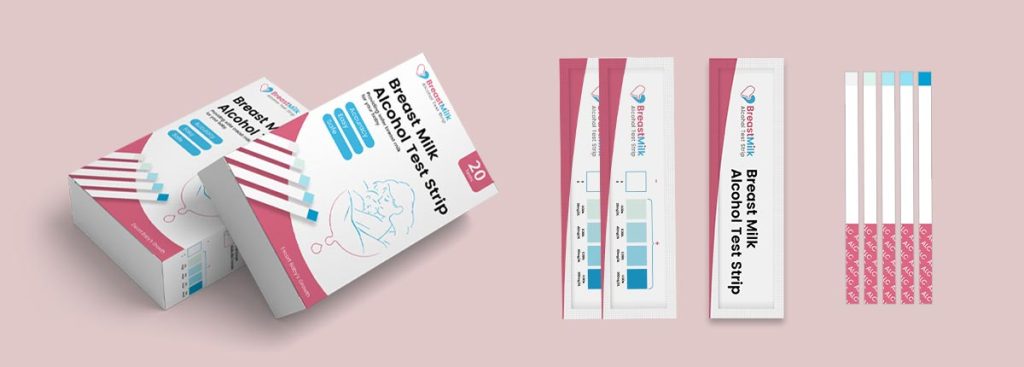
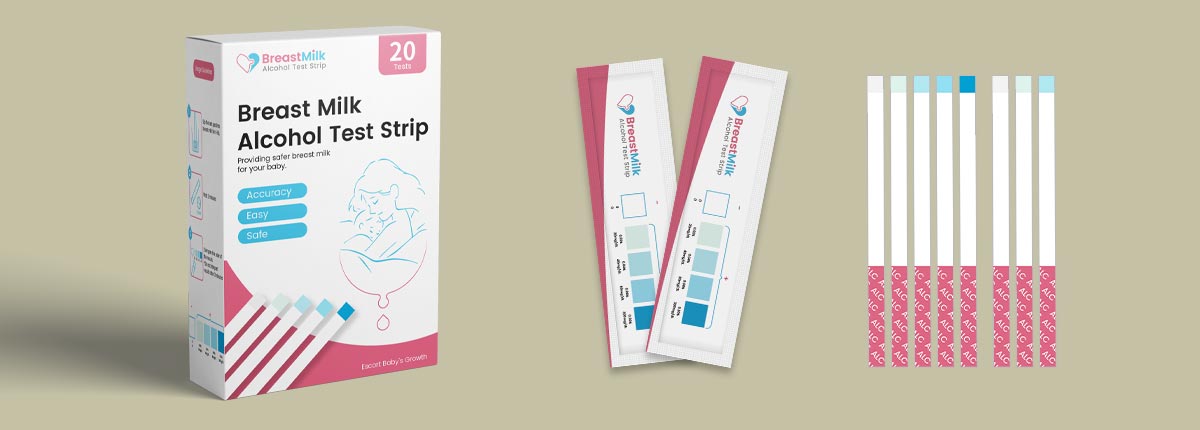
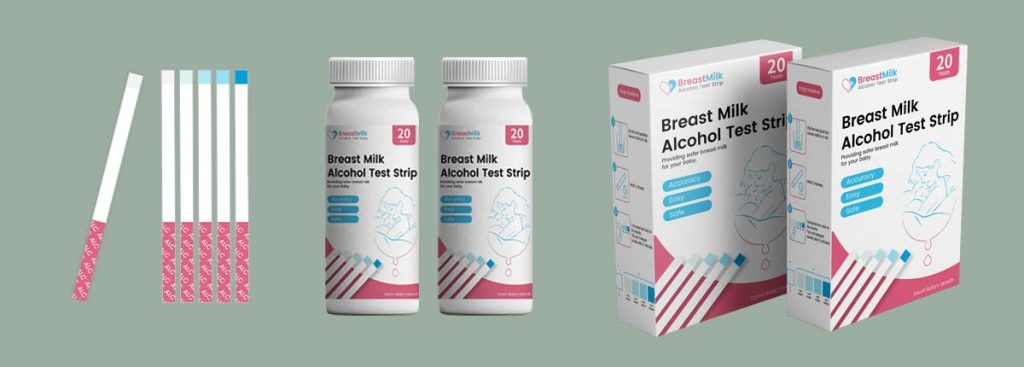
Many mothers in the United States now use breast milk alcohol test strips, driven by increased awareness and availability. These strips offer a quick way to screen for alcohol in breast milk. However, health experts question their accuracy. Studies show that while test strips can detect ethanol, they have lower sensitivity in acidic milk samples. Maria Parlapiano, a registered nurse, notes that these strips may not provide reliable results and could be a waste of money. Dr. Maya Bunik advises that careful alcohol consumption remains the best approach. The table below highlights factors that affect the reliability of test strips:
| Factor | Impact on Reliability |
|---|---|
| Metabolism | Faster metabolism clears alcohol sooner |
| Amount Consumed | More alcohol stays longer in milk |
| Body Weight | Heavier individuals process alcohol differently |
| Feeding Schedule | Timing affects alcohol levels in milk |
| Experience | Frequent breastfeeding may improve clearance |
Experts agree that no definitive guideline exists for how much alcohol a mother can consume before it appears in breast milk. Uncertainty remains about the exact waiting time before breastfeeding after drinking. Mothers should use test strips as a supplementary tool and rely on timing and moderation for safety.
Myths and Facts About Alcohol and Breastfeeding
Pumping and Dumping
Many people believe that pumping and dumping breast milk removes alcohol from the body more quickly. This idea remains one of the most common misconceptions. Scientific evidence shows that alcohol leaves breast milk at the same rate it leaves the bloodstream. The only way to reduce alcohol in milk is to wait for the body to process it. Pumping and dumping does not speed up this process. Health experts recommend waiting about two hours for one standard drink to clear from breast milk. Mothers may choose to pump and dump only to relieve discomfort or maintain milk supply, not to remove alcohol.
Note: If a mother feels sober enough to drive, her breast milk is also likely safe for her infant.
Key points:
- Alcohol clears from breast milk over time, not through pumping.
- Pumping and dumping is unnecessary except for comfort or supply reasons.
- Alcohol enters breast milk in small amounts.
Alcohol and Milk Supply
Some believe that alcohol can increase milk production. Studies show the opposite. Maternal alcohol consumption may reduce breast milk production. Infants who feed after maternal alcohol intake often consume about 20% less milk in the hours that follow. This decrease does not result from shorter nursing sessions or a dislike of the milk’s taste. Instead, alcohol directly reduces the amount of milk produced.
Common misconceptions:
- Alcohol stimulates milk production.
- Only strong types of alcohol are harmful.
Effects on Infant Health
Research has linked maternal alcohol consumption to several negative outcomes for infants. The following table summarizes findings from key studies:
| Study | Findings |
|---|---|
| Troese et al. (2008) | Increased sleep fragmentation and decreased REM sleep in infants exposed to alcohol. |
| Wengel et al. (2011) | More sleep problems, including bedtime resistance and night awakenings, in exposed infants. |
| Mulder et al. (1998) | Disrupted behavioral state organization, especially active/REM sleep, in the fetus. |
| Sander et al. (1977) | More arousals during sleep and difficulty reaching deep sleep in infants. |
| Rosett et al. (1979) | Poorer sleep quality and more restlessness in infants of heavy-drinking mothers. |
| Pesonen et al. (2009) | Decreased sleep efficiency and shorter sleep duration in alcohol-exposed children. |
These studies highlight the importance of careful decision-making when it comes to alcohol and breastfeeding.
Practical Tips for Breastfeeding Mothers
Planning and Minimizing Risks
Mothers who choose to drink can take several steps to reduce risks for their infants. Experts recommend planning alcohol consumption for right after a breastfeeding session. This timing allows the body to process alcohol before the next feeding. Mothers can keep previously pumped milk available for times when they have consumed alcohol. Using tools like the FeedSafe app or the InfantRisk Center’s calculator helps estimate when breast milk becomes alcohol-free based on body weight and height. Expressing milk before drinking provides a safe option for feeding. Consulting a healthcare professional or lactation consultant offers personalized guidance.
Tip: Planning ahead supports both infant safety and a mother’s peace of mind.
Safe Timing Strategies
Timing plays a key role in minimizing alcohol exposure. Mothers should wait at least two hours after a standard drink before breastfeeding again. Blood alcohol concentration peaks 30 to 60 minutes after drinking, so feeding just before drinking can further reduce the risk. Consuming alcohol slowly and with food helps lower blood alcohol levels. Mothers can use the FeedSafe app to track when it is safe to feed their baby. Expressing milk before drinking ensures that the infant receives alcohol-free milk if needed.
- Wait about two hours per standard drink before the next feeding.
- Feed or pump before drinking to provide a safe milk supply.
- Use planning tools to calculate safe timing.
When to Use a Test Strip?
Some mothers consider using a breast milk alcohol test strip for reassurance. Lactation consultants often advise that these strips are not necessary, since alcohol leaves breast milk at the same rate as the bloodstream. If a mother feels concerned, she may use a test strip, but experts caution that research on their accuracy remains limited.
“Skip the test strips: Alcohol strips for breast milk are unnecessary since alcohol clears naturally from breast milk as it does from your bloodstream.”
When in doubt, mothers should consult a healthcare provider for advice about the use of alcohol while breastfeeding.
Conclusion
The American Academy of Pediatrics advises that avoiding alcohol remains safest for mothers who practice breastfeeding. Occasional, moderate drinking can be managed with careful timing. Experts recommend waiting at least two hours after a drink before nursing. The table below highlights key points from leading organizations:
| Source | Recommendation |
|---|---|
| CDC | Moderate intake (one drink per day) is not known to harm. |
| La Leche League | No harm found with one drink a day. |
| KellyMom | 1-2 drinks occasionally does not appear harmful. |
For more guidance, trusted sources include the CDC and the Dietary Guidelines for Americans.
FAQ
Can a Mother Breastfeed After Drinking One Glass Of Wine?
A mother can breastfeed after one glass of wine if she waits at least two hours. Alcohol levels in breast milk decrease as the body processes the drink. Timing helps reduce the baby’s exposure to alcohol.
Does Alcohol Stay in Breast Milk Longer Than in Blood?
Alcohol leaves breast milk at the same rate as it leaves the bloodstream. The concentration in milk matches the mother’s blood alcohol level. No special process removes alcohol from milk faster.
Is It Safe to Use Alcohol Test Strips for Breast Milk?
Test strips can detect alcohol in breast milk, but experts question their accuracy. They may not always provide reliable results. Mothers should use timing and moderation as the main safety strategies.
What If a Mother Accidentally Breastfeeds After Drinking?
If a mother accidentally breastfeeds soon after drinking, the baby may receive a small amount of alcohol. Occasional exposure at low levels rarely causes harm. For concerns, a healthcare provider can offer guidance.