


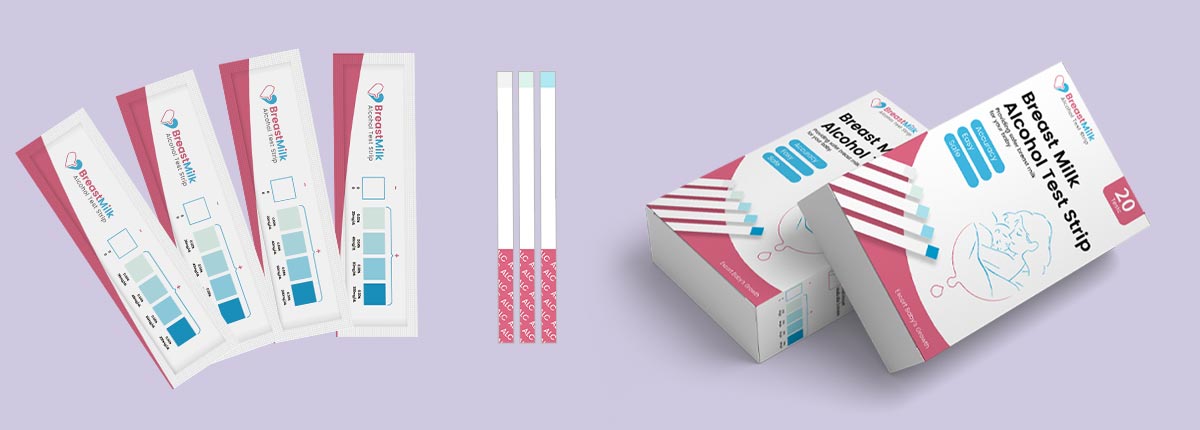
Most laboratory tests for breast milk need at least 0.5 mL, while breast milk alcohol test strips often require only a few drops. The following table compares common sample volume requirements:
| Test Type | Sample Volume Requirement | Collection Method |
|---|---|---|
| Laboratory Tests | At least 0.5 mL | Collected preferably 24–48 h after birth, using a hospital-grade breast pump. |
| Breast Milk Alcohol Test Strips | Varies (not specified) | Samples collected by the mother at home and stored in a freezer until testing. |
Small amounts are usually enough, but test instructions may differ. Proper extraction and storage help ensure accurate results. Following guidelines reduces anxiety and leads to reliable answers.
Key Takeaways
- Laboratory tests typically require 1–3 mL of breast milk for accurate results. Collecting the right amount ensures reliable analysis.
- Alcohol breast milk test strips need only a few drops of milk, making them convenient for quick checks at home. Always follow the instructions for best results.
- Proper collection and storage of breast milk are crucial. Use clean containers, label them, and refrigerate immediately to maintain quality.
- If struggling to express enough milk, try increasing pumping frequency and using techniques like breast massage to boost output.
- Seek professional help if low milk supply persists. Healthcare providers can offer support and strategies to improve breastfeeding success.
How Much Breast Milk Is Needed?
Standard Lab Test Amounts
Laboratory tests often require a precise amount of breast milk to ensure reliable results. Most labs ask for 1–3 mL for nutritional analysis or screening. This volume allows technicians to measure test weights accurately and repeat tests if needed. Intake studies sometimes use larger amounts, such as 2.5 ounces per pound of the baby’s body weight or a total of 24–32 ounces per day, to estimate how much milk a baby consumes. These studies help researchers understand feeding patterns and nutritional intake.
The following table summarizes typical sample volumes for common laboratory tests:
| Test Type | Sample Volume Needed | Purpose |
|---|---|---|
| Nutritional Analysis | 1–3 mL | Macronutrient measurement |
| Intake Assessment (test weights) | Varies (24–32 oz/day) | Baby’s milk consumption |
| Screening for Substances | 1–2 mL | Detecting contaminants |
Home Tests and Alcohol Breast Milk Test Strips
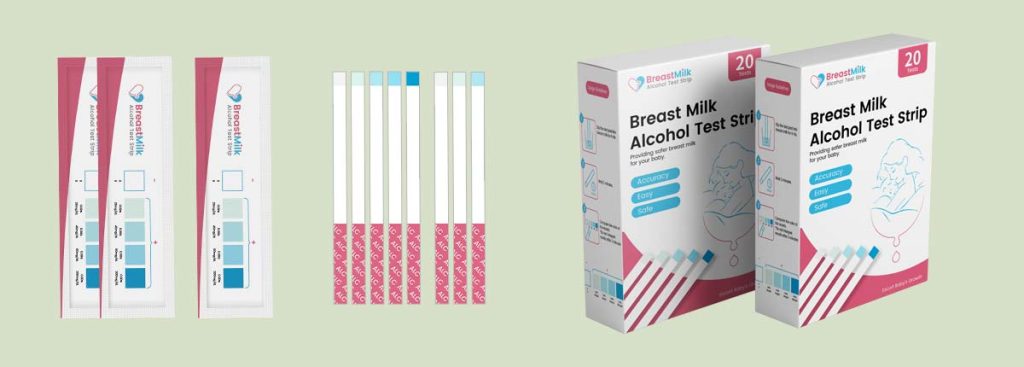
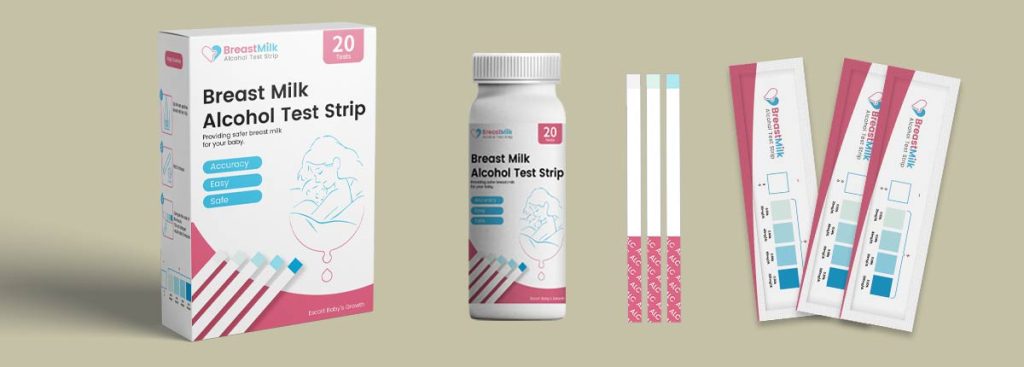
Home tests offer a convenient way for parents to check breast milk for specific substances. Most home kits require only a few drops, making them easy to use. The breast milk alcohol test strip is a popular option for mothers who want to check for alcohol content after drinking. These strips need minimal milk, usually less than 1 mL, and provide quick results. Parents can collect samples at home and store them in the freezer until testing. This method helps families monitor safety without visiting a lab.
Tip: Always read the instructions for each home test kit. Using the correct amount of breast milk ensures the test weights are accurate and the results are trustworthy.
Why Volume Matters?
The volume of breast milk used in testing plays a critical role in the accuracy and reliability of results. Researchers found that using 1 mL or less for nutritional analysis gives precise measurements of macronutrients. If the sample is too small or not mixed well, errors can occur. Improper homogenization may cause infrared analyzers to give incorrect readings, which affects the test weights and overall findings.
- Key points about sample volume and test sensitivity:
- Small, well-mixed samples (1 mL or less) improve accuracy.
- Larger samples may be needed for intake studies using test weights.
- Consistent sample size helps labs compare results over time.
Knowing how much milk to collect for each test helps parents and healthcare providers avoid mistakes. Accurate test weights depend on following guidelines for sample volume and handling. Reliable results support healthy feeding decisions and peace of mind.
Factors Affecting Sample Size
Test Type Differences
Different tests require different amounts of breast milk. Nutritional analysis often needs 1–3 mL, while alcohol detection tests may use only a few drops. Intake assessments, which use test weights, can require much larger volumes. For example, researchers may collect up to 24–32 ounces per day to measure how much milk a baby consumes. The purpose of the test determines the sample size. When do test weights start? Usually, they begin when parents or healthcare providers want to track a baby’s intake over a full day. How do test weights work? They involve weighing the baby before and after each feeding to estimate milk intake. The following table shows typical sample needs for different test types:
| Test Type | Sample Volume Needed | Collection Purpose |
|---|---|---|
| Nutritional Analysis | 1–3 mL | Macronutrient measurement |
| Alcohol Detection | Few drops (<1 mL) | Substance screening |
| Intake Assessment (test weights) | 24–32 oz/day | Daily milk consumption |
Baby’s Age and Feeding Stage
A baby’s age and feeding stage influence how much milk is needed for testing. Newborns often consume less milk, while older infants may need more. Studies show that exclusively breastfed babies typically drink about 750 mL per day, but intake can range from 570 mL to 900 mL. The chart below illustrates average daily intake by age:
| Age (months) | Average Intake (ml/day) | Range (ml/day) |
|---|---|---|
| 1 | 624 | 84 – 992 |
| 3 | 735 | 84 – 992 |
| 6 | 729 | 84 – 992 |
Feeding frequency and individual differences also affect how much milk is available for sampling.
Collection Methods
Collection methods play a key role in obtaining enough milk for testing. Manual expression, breast pumps, and specialized devices each have advantages. A single-person technique, adapted from laboratory research, can collect 0.1–0.5 mL efficiently within 10 minutes. Continuous gentle suction helps reduce sample loss. Cleanliness matters, as pump parts and collection environments can introduce contamination. Foremilk and hindmilk differ in fat content, which may impact test results. Disinfecting hands and nipples before collection helps maintain sample integrity. Consistent collection from the same breast and at the same time of day improves reliability. When parents wonder how much milk to collect, following these methods ensures accurate test weights and dependable results.
Collecting and Storing Breast Milk
Expressing Enough Milk
Many individuals wonder how much milk they need to express for reliable testing. Timing and technique play important roles in milk production. Pumping within one hour after birth and then every two to three hours helps establish supply. Frequent sessions, such as six to twelve times in 24 hours, increase volume. Women who pump six to eight times daily often achieve better results. Pre-expression breast massage and manual expression after pumping can boost output. Double pumping and continuing for two minutes after milk flow stops also help. The table below summarizes effective strategies:
| Strategy | Details |
|---|---|
| Timing of Pumping | Pump within one hour of birth, then every 2–3 hours, 6–12 sessions/day |
| Frequency | 6–8 times daily increases volume |
| Techniques | Massage, manual expression, double pumping, continue after flow ceases |
Challenges sometimes arise, especially in the first days after birth. Difficulty in establishing supply, missed samples, and maternal factors like stress or diabetes may affect results.
Proper Storage Tips
Proper storage preserves breast milk quality for laboratory analysis. Individuals should use glass or hard-sided plastic containers with secure lids. Labeling each sample with the date and baby’s name prevents mix-ups. Refrigerate or chill milk immediately after expressing. Use the oldest refrigerated sample first, followed by the oldest frozen sample. Thaw frozen milk in the refrigerator or under warm running water. Avoid boiling or microwaving containers.
- Store in glass or hard-sided plastic containers
- Label with date and baby’s name
- Refrigerate or chill immediately
- Use oldest samples first
- Thaw in refrigerator or with warm water
Avoiding Contamination
Clean handling ensures accurate test results. Common causes of contamination include poor hand washing, inadequate breast cleaning, and improper container care. Individuals should wash hands using aseptic techniques and avoid touching taps after cleaning. Cleaning nipples with cotton pads or cloth reduces risk. Containers require thorough cleaning, not just rinsing with water. Fresh milk should be refrigerated right away, and mixing warm milk with cold samples should be avoided. Short transport times and proper cooling methods help maintain sample integrity.
| Cause of Contamination | Preventive Measure |
|---|---|
| Improper hand washing | Use aseptic techniques for hand washing |
| Recontamination of hands | Avoid touching taps with clean hands |
| Lack of breast cleaning | Clean nipples with cotton pads or cloth |
| Inadequate container care | Clean containers thoroughly |
| Improper refrigeration | Refrigerate fresh milk immediately |
| Long transport times | Minimize transport duration, use cooling methods |
If expressing enough breast milk proves difficult or a sample gets rejected, individuals should try adjusting pumping frequency or technique. Healthcare providers can offer support and guidance.
Troubleshooting and Support
Not Enough Milk for Testing
Many individuals experience difficulty expressing enough breast milk for laboratory analysis or home tests. Several practical steps can help address this issue:
- Visit a pediatrician to evaluate milk supply and identify any underlying problems.
- Check the breast pump to ensure it works properly and suits individual needs.
- Begin feedings with breast milk before offering formula if supplementing.
- Maintain hydration and good nutrition to support milk production.
- Consider health factors that may affect supply, such as stress or medical conditions.
These steps often improve sample volume and help achieve accurate test weights for laboratory or home testing.
Sample Rejection Steps
Clinical laboratories sometimes reject breast milk samples due to insufficient volume or contamination. Studies show a rejection rate of 21.8% for donated human milk samples. Individuals should not feel discouraged if a sample is rejected. The following actions can help:
- Review collection and storage procedures to prevent contamination.
- Express milk again, focusing on proper technique and timing.
- Contact the laboratory for specific instructions regarding test weights and sample requirements.
Healthcare providers offer guidance to ensure successful sample collection and reliable test weights.
When to Seek Help?
Professional support benefits individuals who face ongoing challenges with breast milk sample collection or testing. The following situations warrant seeking help:
- Chronic low milk supply persists despite best practices.
- Infant-side complications interfere with breastfeeding or test weights.
- No improvement in milk supply occurs after one to two weeks of ideal management.
Healthcare providers support individuals by screening for postpartum depression, collaborating with lactation professionals, and addressing pain or discomfort. The table below summarizes typical support strategies:
| Support Strategy | Description |
|---|---|
| Screening for postpartum depression | Providers screen for depression and offer treatment or referrals. |
| Collaboration with lactation professionals | Providers work with certified lactation consultants for effective management. |
| Addressing pain and discomfort | Providers evaluate and support individuals experiencing pain during feeding. |
Individuals should reach out to healthcare professionals or laboratories for guidance on test weights and sample collection. Support and education help ensure reliable results and peace of mind.
Conclusion
Small amounts of breast milk, such as 6–8 drops, often provide reliable results for laboratory testing. The Mylee device, for example, detects changes in milk with only a few drops:
| Device Name | Volume Requirement | Application |
|---|---|---|
| Mylee | 6–8 drops | Early lactation, low supply |
Following laboratory guidelines, such as using sterile containers and collecting samples after feeding, improves accuracy. Individuals who have questions or concerns should contact healthcare providers or laboratories. For additional support, several resources are available:
- Mommy’s Milk Human Milk Research Biorepository
- The Milk Bank
- Colorado WIC lactation toolkits
FAQ
How Much Breast Milk Does a Lab Test Usually Require?
Most laboratory tests need 1–3 mL of breast milk. This amount allows technicians to perform accurate analyses and repeat tests if necessary.
Can a Breast Milk Alcohol Test Strip Work with Only a Few Drops?
Yes. Breast Milk alcohol test strip usually needs just a few drops of breast milk. These tests provide quick results and are easy to use at home.
What Should Someone Do If They Cannot Express Enough Milk?
They should try increasing pumping frequency or adjusting technique. Healthcare providers or lactation consultants can offer support and practical tips.
Does the Time of Day Affect Test Results?
Yes. Breast milk composition changes throughout the day. Collecting samples at the same time each day improves consistency and reliability.
How Should Breast Milk Samples Be Stored Before Testing?
Store samples in clean, labeled containers. Refrigerate or freeze immediately after collection. Avoid mixing fresh milk with already cooled or frozen milk.