


Many breastfeeding mothers choose to consume alcohol.
- In developed countries, estimates suggest that 36% to 83% of mothers drink alcohol while nursing.
Alcohol can affect breast milk supply quickly and over time. Even small amounts may reduce milk production and interfere with the letdown reflex. These changes can impact infant feeding and behavior, making mothers understandably concerned. Reliable information helps families make safe choices while supporting healthy breastfeeding.
Key Takeaways
- Alcohol can reduce breast milk supply, even in small amounts. Mothers should limit alcohol intake to maintain healthy breastfeeding.
- Wait at least two hours after consuming a drink before breastfeeding. This helps ensure that alcohol in breast milk are minimized.
- Pumping and dumping does not remove alcohol in breast milk. The body clears alcohol at its own pace, so timing is key.
- Consider using non-alcoholic beverages as safe alternatives. These options allow mothers to enjoy social events without risking infant health.
- Stay informed and avoid common myths about alcohol and milk supply. Understanding the facts empowers mothers to make safe choices.
Alcohol and Milk Supply Effects
Impact on Milk Production
Alcohol can reduce breast milk supply, even when consumed in small amounts. Clinical research shows that mothers who drink alcohol produce less milk, and their infants experience decreased milk intake. In the hours after alcohol consumption, infants may receive about 20% less milk. This reduction occurs because alcohol interferes with the hormonal processes that regulate milk production. Prolactin and oxytocin are essential for lactation, and alcohol inhibits their release. When these hormones do not function properly, the body cannot maintain normal milk production.
Note: Even a single drink can affect breast milk supply and lead to decreased milk intake for the baby.
Effects on Milk Letdown
The effects of alcohol on milk supply extend to the milk letdown reflex. This reflex relies on the release of oxytocin, which helps milk flow from the breast to the infant. Alcohol disrupts this process in several ways:
- Alcohol consumption leads to reduced milk production after ingesting a small dose.
- Prolactin, the hormone responsible for milk synthesis, decreases in response to breast stimulation when alcohol is present.
- Oxytocin, which triggers milk ejection, is inhibited by alcohol. The reduction in oxytocin occurs in a dose-dependent manner.
Researchers have measured these effects in controlled studies. The table below summarizes key findings:
| Finding | Description |
|---|---|
| Oxytocin Levels | Twelve of the 17 women produced less oxytocin during breast stimulation on the alcohol day compared to the control day (P < 0.05). |
| Milk Yield | Women had lower milk yields during pumping on the alcohol day, producing on average 13 ± 7% less milk (control: 131 ± 10 ml vs. alcohol: 113 ± 11 ml, P = 0.008). |
| Prolactin and Milk Ejection | No clear correlation was found between prolactin levels and the amount of milk produced, despite prolactin being essential for lactation initiation. |
These effects can result in missed feedings and frustration for both mother and infant. The impact of alcohol on the milk ejection reflex can make breastfeeding more difficult and less effective.
Long-Term Supply Changes
Frequent or excessive alcohol use can have lasting effects on breast milk supply. Chronic alcohol intake reduces the letdown reflex, which is crucial for successful breastfeeding. Over time, this reduction can shorten breastfeeding duration and negatively affect infant nutrition. Babies may experience slower growth and decreased alertness if their mothers regularly consume alcohol.
The nutritional consequences for infants become more serious when breast milk supply drops over time. The effects of alcohol on milk supply can lead to developmental issues, especially in families facing nutritional challenges. Higher alcohol consumption correlates with decreased milk production, which can compromise the infant’s intake of essential nutrients.
Tip: Mothers who want to maintain a healthy breast milk supply should avoid frequent alcohol use and monitor their intake carefully.
Alcohol in Breast Milk
How Alcohol Enters Breast Milk?
Alcohol enter the milk through a simple process. After a mother drinks alcohol, it moves quickly into her bloodstream. Because alcohol is both water- and fat-soluble, it passes easily into breast milk. The concentration of alcohol in breast milk closely matches the level in the mother’s blood. As blood alcohol rises or falls, the amount in breast milk changes at the same rate. The table below shows how quickly alcohol reaches peak levels in breast milk:
| Source | Evidence |
|---|---|
| Coro | Alcohol concentrations in breast milk peak around 30-60 minutes after drinking. |
| La Leche League GB | Alcohol peaks about 30 to 60 minutes after consumption, or 60 to 90 minutes when consumed with food. |
Duration of Alcohol Presence
The length of time alcohol remains detectable in breast milk depends on several factors. These include body weight, food intake, percentage of body fat, and lactation status. The following table outlines these influences:
| Factor | Effect on Alcohol Presence in Breast Milk |
|---|---|
| Body Weight | Affects the rate of alcohol metabolism. |
| Food Intake | Influences how quickly alcohol is metabolized. |
| Percentage of Body Fat | Impacts the duration of alcohol presence in breast milk. |
| Lactation Status | Lactating women may metabolize alcohol more quickly than non-lactating women. |
For most mothers, alcohol from one standard drink stays in breast milk for about 2 to 3 hours. Two drinks remain detectable for 4 to 5 hours, and three drinks can last 6 to 8 hours. If a mother eats food with alcohol, the peak may occur later, but the duration remains similar.
Tip: Waiting at least two hours after one drink before breastfeeding helps reduce the risk of passing alcohol to the baby.
Using Breast Milk Alcohol Test Strip
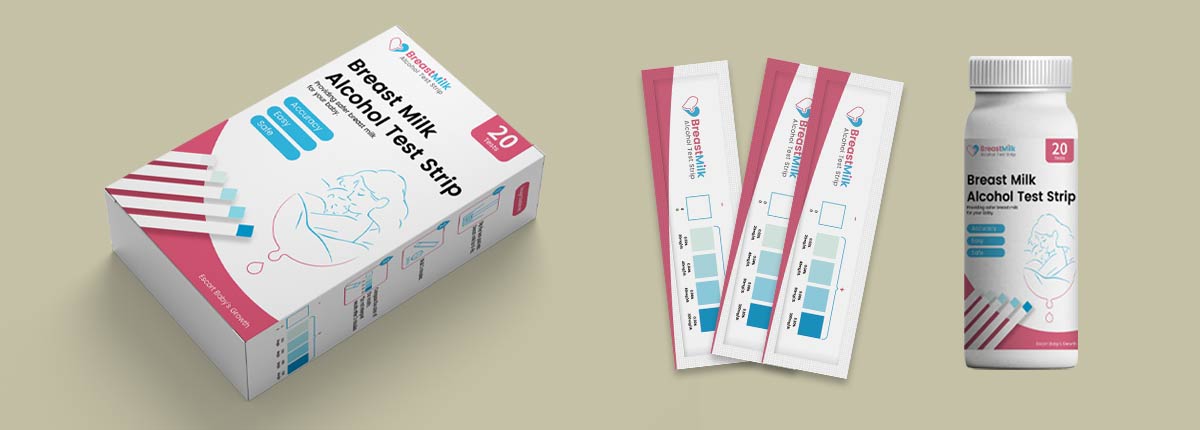
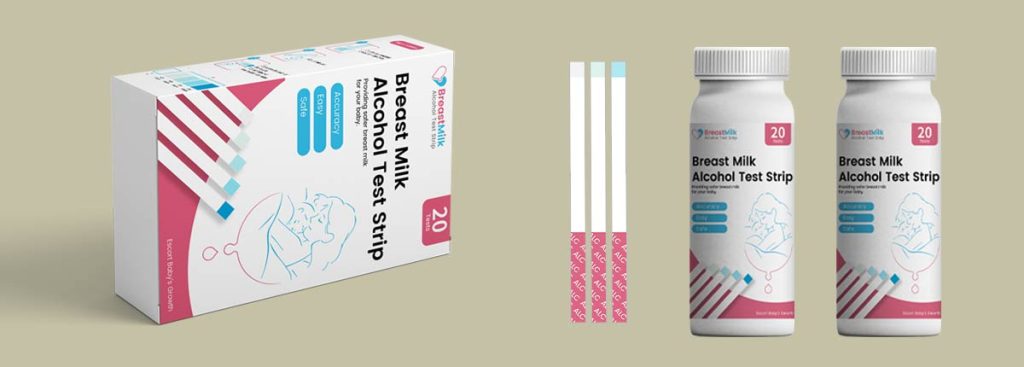
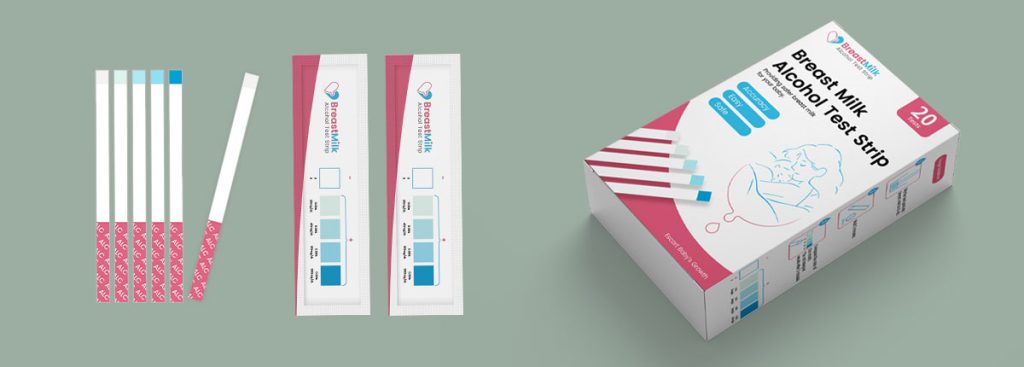
Many mothers use breast milk alcohol test strip to check alcohol levels before feeding. Health experts, however, question their accuracy. The American Academy of Pediatrics notes that these strips lack scientific validation and are not necessary. Lactation consultants also report that the results of breast milk alcohol test strip may not be reliable. Moderation in alcohol consumption remains the best practice. If a mother feels the effects of alcohol, she should pump and discard her milk. Waiting until no effects are felt before breastfeeding is safest.
Note: Alcohol breast milk test strip may offer peace of mind, but mothers should rely on timing and personal awareness for safety.
Breastfeeding and Alcohol: Safety Tips
Timing and Quantity Recommendations
Health organizations provide clear guidelines for drinking while breastfeeding. The Centers for Disease Control and Prevention (CDC) recommend that mothers limit alcohol intake to one standard drink per day. Waiting at least two hours after consuming a single drink before nursing helps reduce the risk to the infant. The safest choice remains to avoid alcohol entirely, but moderate consumption does not appear to harm the baby if mothers follow timing recommendations.
Tip: Breastfeed or pump before having a drink. Alcohol leaves breast milk as it leaves the bloodstream, so pumping and dumping is not necessary.
The following table summarizes how the quantity of alcohol affects the waiting period before breastfeeding:
| Quantity of Alcohol | Time to Wait Before Breastfeeding |
|---|---|
| 1 drink | 2-3 hours |
| 2 drinks | 4-5 hours |
| 3 drinks | 6-8 hours |
Strategies to Minimize Risk
Several strategies help mothers reduce infant exposure to alcohol. Feeding the baby before drinking, expressing milk in advance, and planning for social events can lower risk. Eating a meal before drinking slows alcohol absorption. Having a sober adult present to assist with baby care adds another layer of safety.
| Strategy | Description |
|---|---|
| Feed First | Nurse or pump before drinking alcohol. |
| Prepare | Express milk ahead of time for later feedings. |
| Limit Alcohol | Keep intake to one drink and avoid frequent use. |
| Eat | Consume food to slow alcohol absorption. |
| Support | Ask a sober adult to help with baby care. |
Note: Avoid breastfeeding for two to three hours per drink to minimize infant exposure.
When to Use Test Strips?
Mothers may consider using a breast milk alcohol test strip to check for alcohol presence before feeding. These strips can offer reassurance, especially when timing is uncertain or when caring for newborns, who are more sensitive to alcohol. If a test strip shows alcohol in the milk, mothers should wait longer before breastfeeding and retest after a couple of hours. For each additional drink, add two hours to the waiting period. Using a breast milk alcohol test strip can help mothers feel confident about their feeding decisions.
Alert: Health risks for infants increase if breastfeeding continues after a positive alcohol test. Always prioritize safety and monitor alcohol levels carefully.
Myths vs. Facts: Alcohol and Milk Supply
Common Misconceptions
Many myths surround alcohol and milk supply. Some beliefs come from outdated advice or cultural traditions. People often hear that alcohol can help mothers produce more milk. In the past, families and even health professionals encouraged nursing mothers to drink alcohol, believing it would increase milk supply. This advice persists in some communities today.
- Alcohol does not enhance milk production; it may actually reduce it in the short term.
- Nursing mothers were historically encouraged to drink alcohol under the misconception that it would increase milk supply.
- Research indicates that infants may suck more frequently when mothers consume alcohol, but this does not lead to increased milk consumption during breastfeeding.
- Alcohol inhibits the release of oxytocin, which is crucial for milk ejection, and has a complex effect on prolactin, the hormone that stimulates milk production.
- Studies show that nursing women express nearly 10% less milk in the first two hours after moderate drinking, and babies may receive about 20% less breast milk if nursing occurs within four hours after alcohol consumption.
Cultural beliefs also play a role. In the UK, social pressure pushes women to be ‘perfect mothers,’ which can lead to confusion about alcohol and breastfeeding. Many people believe that dark beer, such as Guinness, boosts milk supply. This myth remains popular, even though alcohol can hinder milk production. Stigma against mothers who drink may cause stress and make decision-making harder.
Evidence-Based Truths
Scientific research provides clear facts about alcohol and milk supply. Experts agree that alcohol does not increase breast milk production. Instead, it can cause adverse effects of alcohol, such as reduced milk yield and shorter breastfeeding duration.
It’s a myth that alcohol can boost breastmilk production. “Alcohol does not increase your milk production … it can actually decrease your milk production,” says Bechhold.
Alcohol can increase milk supply. Actually, excessive alcohol consumption has been linked to shortened breastfeeding duration because of decreased milk production, as alcohol can interfere with the mother’s milk ejection reflex. “I support moms in enjoying an occasional social drink,” says Kleckner. “But it is not true that beer or any other alcohol increases milk supply.”
Health organizations recommend caution. No known safe level of alcohol exists for breastfeeding mothers. Occasional moderate drinking, less than one drink per day, is unlikely to harm the baby if mothers wait at least two hours before nursing.
- It is important to wait at least two hours after consuming a standard drink before breastfeeding.
- Excessive alcohol consumption can impair a mother’s judgment and ability to care for her child.
- There is no known safe level of alcohol consumption while breastfeeding.
- Occasional moderate consumption (less than one drink per day) is generally considered unlikely to be harmful if proper timing is observed.
Mothers should rely on evidence-based guidance and avoid myths. Understanding the real impact of alcohol and milk supply helps families make informed choices.
Practical Tips for Nursing Mothers
Planning Ahead for Occasional Drinking
Nursing mothers can enjoy social occasions by planning ahead. Limiting intake to one standard glass at a time helps reduce risk. Waiting at least two to three hours per drink before breastfeeding allows alcohol to leave the milk. Monitoring the baby for changes in feeding, sleep, or behavior ensures early detection of any issues. Expressing and storing breast milk before an event provides a safe feeding option if alcohol remains in the system. These strategies support both infant health and social enjoyment.
- Limit intake to one standard glass.
- Wait two to three hours per drink before breastfeeding.
- Monitor the baby for changes in behavior or feeding.
- Express and store milk ahead of time.
Pumping and Dumping Advice
Many believe that pumping and dumping after drinking removes alcohol from breast milk. Scientific consensus shows this practice does not make milk safer or reduce alcohol levels more quickly. The body clears alcohol from breast milk at the same rate as from the bloodstream. Pumping and dumping may help relieve discomfort or maintain milk supply, but it does not eliminate alcohol. Delaying breastfeeding until alcohol has cleared remains the best approach. If a mother feels the effects of alcohol, she should wait before nursing.
- Pumping and dumping does not speed up alcohol removal.
- Alcohol leaves breast milk as it leaves the bloodstream.
- Pumping and dumping may help with comfort or supply, not with alcohol content.
- Wait at least two to three hours per drink before breastfeeding.
Alternatives to Alcohol
Non-alcoholic beverages offer safe and enjoyable alternatives for mothers. These drinks allow participation in social events without exposing infants to alcohol. Adaptogen-infused drinks can promote relaxation and mental clarity, supporting genuine social connections. Research shows moderate intake of non-alcoholic beverages does not harm breastfed infants. Mothers should check labels, as some non-alcoholic beers contain small amounts of alcohol. Delaying breastfeeding after consuming these drinks adds an extra layer of safety.
| Benefit | Description |
|---|---|
| Relaxation | Adaptogens help the body manage stress and promote balance. |
| Mental Clarity | Non-alcoholic drinks can enhance alertness and enjoyment of social events. |
| Social Connection | These options foster genuine interactions without alcohol’s side effects. |
| Safety for Breastfeeding | Non-alcoholic drinks are generally safe, but check labels for alcohol content. |
Tip: Mindful drinking and choosing non-alcoholic options support both mother and infant well-being.
Conclusion
Alcohol can reduce breast milk supply and disrupt breastfeeding effectiveness. Mothers benefit from limiting intake and following recommended waiting periods.
- Test strips may help monitor alcohol levels, but timing and awareness remain essential.
- Expressing milk before drinking supports infant nutrition.
Mothers who understand these facts make confident, informed choices for their families.
FAQ
Can a Mother Breastfeed After Drinking Alcohol?
A mother can breastfeed after drinking alcohol if she waits at least two hours per drink. This waiting period allows most alcohol to leave her breast milk. Timing helps reduce the risk to the baby.
Does Pumping and Dumping Remove Alcohol from Breast Milk?
Pumping and dumping does not remove alcohol from breast milk. Alcohol leaves breast milk as it leaves the bloodstream. Waiting is the safest way to ensure milk is free of alcohol.
How Much Alcohol Passes into Breast Milk?
Only a small amount of alcohol passes into breast milk. The concentration matches the mother’s blood alcohol level. Even small amounts can affect milk supply and infant feeding.
Are Breast Milk Alcohol Test Strips Reliable?
Breast milk alcohol test strips may offer reassurance, but experts question their accuracy. Timing and personal awareness remain the most reliable methods for ensuring safe breastfeeding after drinking.
What Are the Risks of Regular Alcohol Use While Breastfeeding?
Regular alcohol use can lower milk supply and shorten breastfeeding duration. Babies may receive less nutrition and experience slower growth. Health organizations recommend limiting alcohol intake to protect infant health.