


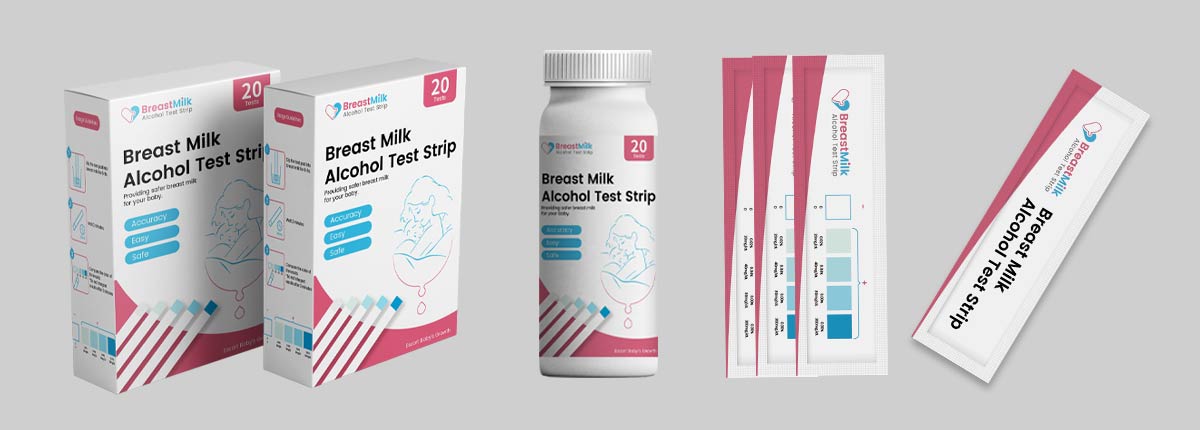
Most clinical guidelines recommend waiting at least two hours after consuming a standard alcoholic drink before using an alcohol test for milk. This waiting period helps ensure accurate results when testing for alcohol in breast milk. The alcohol test for milk can refer to two different methods: one assesses milk quality, while the other detects alcohol in breast milk. Waiting allows the body to metabolize alcohol, which reduces the chance of false positives. The table below shows recommendations from trusted sources:
| Source | Recommendation |
|---|---|
| CDC | Wait at least 2 hours after a single drink before nursing. |
| Infant Risk | Standard rule is 2 hours for every standard drink. |
| La Leche League | Avoid breastfeeding during and for 2–3 hours after drinking alcohol. |
| HSE | Wait 2 hours after each standard drink before feeding your baby. |
Parents can feel confident by following these guidelines and using the breast milk alcohol test strips carefully.
Key Takeaways
- Wait at least two hours after drinking alcohol before testing breast milk. This helps ensure accurate results and protects your baby.
- Use alcohol breast milk test strips correctly by following the instructions. Proper timing and sample preparation are crucial for reliable results.
- Consider the type of alcohol consumed. Different drinks require varying waiting times for safe breastfeeding.
- Always use fresh breast milk samples for testing. Contaminated or improperly stored samples can lead to inaccurate results.
- If alcohol is detected, use previously pumped milk for feeding. This ensures your baby stays safe while you wait for alcohol to clear.
Alcohol Test for Milk: What Is It?
Types of Alcohol Tests for Milk
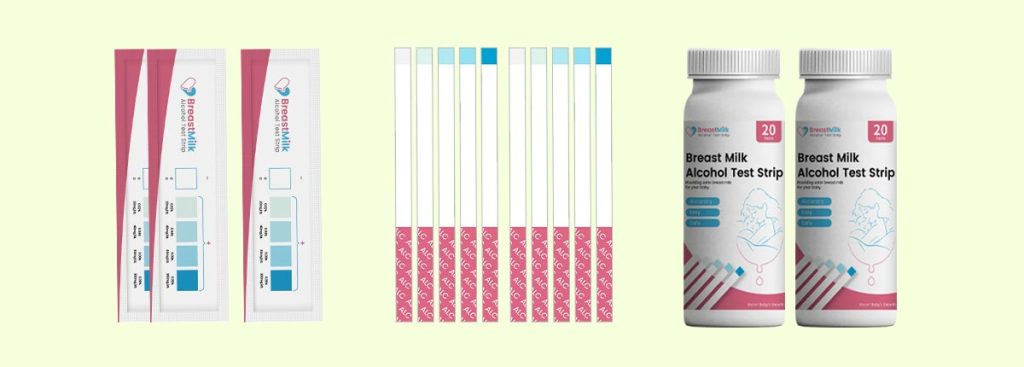
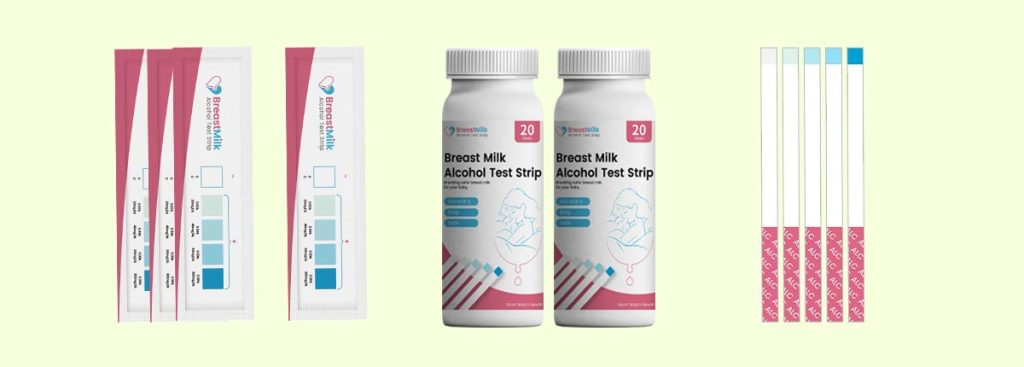
People use the alcohol test for milk to check either the quality of raw milk or the presence of alcohol in breast milk. The two main types include the ethanol coagulation test and the breast milk alcohol test strip. The ethanol coagulation test mixes milk with ethanol at different concentrations. If the milk forms clots or flakes, it may have poor quality. This method helps dairy producers identify contamination or instability in milk proteins. The breast milk alcohol test strip, on the other hand, detects alcohol in breast milk. This strip contains a color-change reagent on a porous carrier. When dipped into a milk sample, the strip changes color if alcohol is present. The color chart on the strip helps users determine if the milk is safe for feeding.
| Feature | Alcohol Test Strips for Breast Milk Detection |
|---|---|
| Purpose | Quantifying alcohol in breast milk |
| Composition | Porous carrier matrix with a color-change reagent |
| Functionality | Changes color to indicate presence of alcohol |
| User Adaptability | Designed for home use by unskilled users |
| Safety Indicator | Includes a color chart for safe/not safe warnings |
The alcohol test for milk quality uses ethanol solutions at 68%, 65%, or 60% concentrations. No coagulation means the milk is fresh. Flakes or clots suggest poor quality. This test is more sensitive than older methods and can detect mineral imbalances that affect milk stability.
Why Use an Alcohol Test for Milk?
The alcohol test for milk serves important roles in both dairy production and infant care. Dairy producers rely on the ethanol coagulation test to ensure milk safety before processing. Coagulation signals possible contamination or instability, which can affect milk during heating. Studies show a positive correlation between alcohol test results and other indicators like acidity and bacterial count. This supports the test’s effectiveness in identifying unsafe milk.
| Evidence Type | Description |
|---|---|
| Alcohol Test | Conducted using equal volumes of milk and 68% ethanol, indicating positive results through coagulation, which signifies potential contamination. |
| Alcohol Test | A crucial assessment tool for evaluating raw milk quality, indicating potential coagulation issues during thermal processing. |
| Correlation Study | Alcohol tests in raw milk samples showed positive correlations with titrable acidity (r = 0.33) and total bacterial count (r = 0.42), indicating its role as an indicator of bacteriological contamination. |
Parents use the alcohol test for milk, specifically the breast milk alcohol test strip, to check for alcohol after drinking. This helps them decide when it is safe to feed their baby. The test strip provides a quick and easy way to ensure milk safety at home.
Tip: Always follow instructions for each alcohol test for milk to get reliable results.
Waiting Period Before Testing Milk
Recommended Time to Wait after Drinking
Alcohol test strips for breast milk provide a quick way to check for alcohol presence, but timing plays a crucial role in accuracy. Most health organizations recommend waiting at least two hours after consuming a standard alcoholic drink before testing milk. This guideline helps ensure that the alcohol concentration in breast milk drops to safer levels. The type and amount of alcohol consumed can change the waiting period. For example, table wines with 7–14% alcohol by volume (ABV) usually require a wait of about two to three hours per drink. Fortified wines, such as port or sherry, contain higher alcohol content and may need longer waiting times. Low-alcohol wines clear from the body more quickly, so the waiting period may be shorter.
| Type of Wine | Alcohol by Volume (ABV) | Recommended Wait Time |
|---|---|---|
| Table wines | 7-14% | About 2-3 hours per drink |
| Fortified wines (e.g., port, sherry, vermouth) | 17-20% | Longer wait times required |
| Low-alcohol wines | 0.5-7% | May clear more quickly |
Tip: Always check the label for alcohol content and adjust the waiting period accordingly.
Factors Affecting Waiting Time
Several factors influence how quickly alcohol leaves breast milk. The body’s metabolism, the amount of food eaten, and individual differences all play a part. Eating a meal before drinking can lower blood alcohol concentration and speed up elimination. For example, after a meal, the body increases the alcohol elimination rate by about 17%, and the total exposure to alcohol (measured as area under the curve, or AUC) becomes smaller. Drinking on an empty stomach leads to higher blood alcohol levels and a longer clearance time.
| Condition | BAC Levels | Alcohol Elimination Rate | AUC |
|---|---|---|---|
| After Meal | Significantly Lower | 17% Increase | Significantly Smaller |
| On Empty Stomach | Higher | Standard Rate | Larger |
Body weight and metabolism also affect how long alcohol stays in the system. People with higher body weight or faster metabolism may process alcohol more quickly. Lactation itself can change alcohol availability in the body. Pumping milk before drinking can decrease blood alcohol concentration, while pumping after drinking may help speed up elimination.
- Infants metabolize alcohol much more slowly than adults.
- The cytochrome P-450 enzyme system, which helps break down alcohol, works less efficiently in infants.
- Repeated exposure to alcohol through breast milk can lead to accumulation in infants.
The developing brain of infants is highly sensitive to even small amounts of alcohol. For this reason, parents should always err on the side of caution and allow enough time for alcohol to clear from their system before using milk for feeding.
Note: The safest approach is to wait longer if unsure about the timing or amount of alcohol consumed.
Alcohol Test and Milk Quality
How Alcohol Test Assesses Milk Quality?
The ethanol coagulation test plays a key role in evaluating milk quality in the dairy industry. This test involves mixing a sample of raw milk with a specific concentration of ethanol. If the milk forms clots or flakes within seconds, it shows instability in the milk proteins. This reaction often points to underlying issues with milk quality. The test provides a quick way to screen large volumes of milk before processing.
Dairy producers value this method because it helps them avoid processing milk that might curdle or spoil during heating. The ethanol coagulation test offers a simpler and faster alternative to traditional heat stability tests, which can be time-consuming. Researchers have found a positive correlation between ethanol stability test results and heat stability values, making it a reliable indicator for milk quality.
| Key Findings | Description |
|---|---|
| Importance of HS | Heat stability is a crucial indicator for evaluating milk quality, especially regarding heat exposure during processing. |
| Laborious Testing | Traditional HS measurement is labor-intensive and lengthy, leading to the use of simpler tests like the ethanol stability test. |
| Correlation | The ethanol stability test results may positively correlate with HS values (r = 0.28, p < 0.0001), indicating its relevance in assessing milk quality. |
- The ethanol stability test was first developed to check fresh milk quality.
- Some regions now use it to identify milk unsuitable for high-temperature processing.
- The results depend on several factors in the milk’s composition.
Signs of Poor Milk Quality
The alcohol test can reveal several signs that point to poor milk quality. When milk reacts with ethanol and forms clots, flakes, or curdles, it usually means the milk has high acidity or protein instability. These changes often result from bacterial growth or improper storage. Milk that does not coagulate during the test usually has a normal pH and is suitable for further processing.
| Indicator | Description | Implication for Milk Quality |
|---|---|---|
| High Acidity | pH below 5.8, often due to bacterial activity. | Not suitable for processing; may curdle during heating. |
| Coagulation | Clots, flakes, or curdling appear quickly after adding ethanol. | Suggests high acidity, often from bacterial growth. |
| No Coagulation | Milk remains smooth, pH around 6.6-6.8. | Suitable for further processing like pasteurization. |
Dairy processors use the alcohol test to ensure only high-quality milk enters the supply chain. This step protects consumers and helps maintain product standards.
Using Alcohol Test Strips for Breast Milk
Preparing for the Test
Individuals who want to check for alcohol in breast milk often use breast milk alcohol test strip. Preparing for the test involves several steps to ensure reliable results. First, they should wash their hands thoroughly to prevent contamination. Next, they need to collect a fresh sample of breast milk in a clean container. The sample should be at room temperature, as extreme temperatures can affect the accuracy of milk test strips.
Here is a step-by-step guide for using breast milk alcohol test strip:
- Open the package and remove one test strip.
- Dip the test strip into the breast milk sample for the time specified in the instructions, usually about 2–5 seconds.
- Place the strip on a clean, dry surface and wait for the recommended development time, which is often 2 minutes.
- Compare the color on the test strip to the provided chart to determine alcohol concentration.
Tip: Always read the instructions included with the milk test strips before starting the test. Each brand may have different requirements for timing and sample volume.
Best Practices for Accurate Results
Accurate results depend on following best practices when using alcohol breast milk test strips. Lactation consultants recommend several strategies to improve reliability. Individuals should avoid testing immediately after drinking alcohol. Alcohol enters breast milk about one hour after consumption, so waiting at least two hours before testing lowers the risk of false positives. Drinking after breastfeeding or pumping gives the body more time to process alcohol. Waiting four hours between drinking and feeding or pumping is considered safest.
The following table summarizes factors that impact reliability:
| Factor | Impact On Reliability |
|---|---|
| Metabolism | Faster metabolism clears alcohol sooner |
| Amount Consumed | More alcohol stays longer in milk |
| Body Weight | Heavier individuals may process alcohol differently |
| Feeding Schedule | Timing affects alcohol levels in milk |
| Experience | Frequent breastfeeding may improve clearance |
Common causes of false positives or negatives with milk test strips include:
- Technical or procedural errors during testing
- Interfering substances such as medications or certain foods
- Individual metabolism differences that may cause false negatives
Note: Individuals should avoid testing if they have recently taken medications or consumed foods known to interfere with breast milk alcohol test strips. They should always use fresh milk samples and follow the instructions carefully.
Interpreting Test Strip Results
Interpreting results from breastfeeding alcohol test requires attention to detail. The test strips detect alcohol at levels of 20 mg/dl or greater in breast milk. A positive result appears as a color change on the strip. The intensity of the color reflects the alcohol concentration, ranging from light blue (0.02%) to dark blue (0.30%). A negative result shows no color change, indicating no alcohol detected.
Individuals should remember that a negative result does not always confirm the absence of alcohol. Individual metabolism may affect the test outcome. The test strips provide a quick screening tool, but they do not replace professional medical advice.
- Positive result: Color change from light to dark blue, depending on alcohol concentration.
- Negative result: No color change, indicating no alcohol detected.
- Limitations: False positives may occur due to technical errors or interfering substances. False negatives may result from individual metabolism differences.
Callout: Individuals should test breast milk for alcohol as a guide and consult healthcare professionals if they have concerns about alcohol exposure in breast milk.
Common Mistakes with Test Strips for Alcohol
Testing Too Soon After Drinking
Many individuals make the mistake of using breast milk test strip for alcohol immediately after consuming alcoholic beverages. Alcohol does not enter breast milk instantly. The body needs time to metabolize and distribute alcohol. Testing too soon can lead to inaccurate results, often showing a false positive. Health experts recommend waiting at least two hours after a standard drink before using test strips for alcohol. This waiting period allows the alcohol concentration in breast milk to stabilize, providing a more reliable reading.
Not Following Instructions
Another frequent error involves not following the manufacturer’s instructions. Each brand of test strips for alcohol may have specific requirements for dipping time, sample volume, and reading intervals. Some users dip the strip for too long or too short a time. Others use milk that is too cold or too hot, which can affect the chemical reaction on the strip. Using expired or improperly stored strips also reduces accuracy. Strips should be kept away from direct sunlight and high humidity to maintain their effectiveness.
Tip: Always use a clean, dry container for collecting milk. Contaminated containers can introduce substances that interfere with the test.
Misreading Results
Misreading the color change on the strip is a common problem. Some people check the results too early or wait too long, missing the correct window for interpretation. The color chart provided with the strips helps users match the result, but poor lighting or rushing the process can cause mistakes. Users should compare the strip to the chart within the recommended time frame, usually two minutes after dipping. Careful attention to timing and color matching ensures the most accurate results.
Common errors to avoid:
- Incorrectly dipping the strip
- Reading results outside the recommended time
- Using milk at the wrong temperature
- Using expired or poorly stored strips
Note: Careful preparation and attention to detail help prevent these mistakes and improve the reliability of alcohol testing in breast milk.
Tips for Reliable Alcohol Test Results
Timing and Preparation
Reliable alcohol test results in milk depend on careful timing and preparation. Individuals who practice breastfeeding should nurse or pump before drinking. This strategy gives the body the longest window to process alcohol, which lowers the chance of passing alcohol to the baby during breastfeeding. Waiting two to three hours per drink allows the body to metabolize alcohol and reduces its concentration in breast milk. If a baby needs to feed before alcohol clears from the system, using stored milk ensures breastfeeding continues without risk. Listening to the body and using time as a guide helps maintain breastfeeding routines and supports infant safety.
- Nurse or pump before drinking.
- Wait two to three hours per drink.
- Use stored milk if needed.
- Listen to the body and use time as a guide.
Individuals who follow these steps can improve the accuracy of alcohol testing in milk. Timing matters for breastfeeding mothers who want to protect their babies. Preparation, such as collecting fresh milk samples and reading instructions, also supports reliable results.
Tip: Careful timing and preparation help maintain breastfeeding safety and support healthy feeding routines.
Extra Precautions for Breastfeeding Mothers
Breastfeeding mothers must take extra precautions when using alcohol test strips. Alcohol can negatively affect infants even in small amounts. To minimize risk, mothers should wait at least two hours after consuming one drink before breastfeeding. Alcohol can remain in a baby’s system for up to 72 hours, which increases the risk of accumulation. No clear consensus exists on how much alcohol is safe for breastfeeding mothers or how long they should wait after drinking before breastfeeding. Many experts advise that breastfeeding mothers avoid alcohol for safety. If alcohol is consumed, waiting at least two hours after a single drink before breastfeeding is recommended.
- Alcohol can negatively affect infants even in small amounts.
- Waiting at least two hours after drinking reduces risk.
- Alcohol may remain in a baby’s system for up to 72 hours.
- No clear consensus exists on safe alcohol levels for breastfeeding.
- Avoiding alcohol is often advised for breastfeeding safety.
Breastfeeding mothers who follow these precautions help protect their infants and maintain safe feeding practices.
Conclusion
Health experts recommend waiting at least two hours after a single drink before using an alcohol test for milk. The level of alcohol in breast milk matches the blood alcohol level, so waiting helps protect infants. Mothers should distinguish between milk quality tests and alcohol test strips for breast milk. Reliable results depend on following instructions and using judgment about time since drinking.
- Wait 2–2.5 hours per drink before breastfeeding.
- Use previously pumped milk if alcohol is detected.
For more guidance, visit La Leche League International’s resources on alcohol and breastfeeding.
FAQ
How Does an Alcohol Test Work For Milk?
An alcohol test for milk uses a chemical reaction to detect alcohol. The test strip changes color when alcohol is present. Dairy producers use the ethanol coagulation test to check milk quality. Parents use test strips to ensure breast milk safety before feeding.
What Is the Recommended Waiting Time Before Testing Breast Milk?
Health experts suggest waiting at least two hours after drinking before using an alcohol test for breast milk. This waiting period helps reduce alcohol levels in milk. Following breastfeeding advice supports infant safety and improves milk quality.
Can Alcohol Test Strips Give False Results in Milk?
Alcohol test strips may give false positives or negatives in milk. Factors like improper storage, expired strips, or incorrect timing affect results. Using fresh breast milk and following instructions improves test accuracy and milk quality.
Why Is Milk Quality Important for Breastfeeding?
Milk quality affects infant health and development. Poor quality milk may contain contaminants or unstable proteins. Using an alcohol test helps parents check breast milk safety. Dairy producers rely on tests to maintain high milk quality standards.
How Often Should Parents Use Alcohol Tests for Breast Milk?
Parents should use an alcohol test for breast milk after drinking alcohol. Testing ensures milk safety before feeding. Frequent testing is not necessary if parents follow recommended waiting times and maintain milk quality through proper storage and handling.