Alcohol in breast milk can cause several immediate risks to your baby. Infants often show changes in behavior and feeding patterns soon after exposure. The most common short-term effects include:
Disrupted and shorter sleep duration, with more frequent waking and fragmented sleep.
Increased arousal, fussiness, and startling, leading to increased crying and agitation.
Decreased milk intake, with infants drinking about 20% less milk after maternal alcohol intake. They may try to compensate by breastfeeding more often later.
Drowsiness, weakness, and poor feeding, especially in premature or very young infants who have immature liver function.
These effects can appear even after a single episode of alcohol use during lactation. Infants exposed to alcohol may also experience sleep disturbances and increased crying, which can cause stress for both the baby and the family. Safety considerations become especially important for newborns and infants with health concerns.
Note: Infants are more sensitive to alcohol exposure during the first months of life. Guidance from healthcare professionals can help parents make informed decisions about drinking while breastfeeding.
Long-Term Health Concerns
Long-term exposure to alcohol in breast milk raises concerns about infant development and growth. Research on alcohol use during lactation shows that regular or excessive consumption can lead to negative effects, including:
Growth retardation and decreased weight gain, especially when alcohol use during lactation is frequent or heavy.
Potential for developmental delays in cognitive and motor skills, although recent studies suggest that casual drinking (such as one drink per day) is unlikely to cause significant harm.
Impaired immune function and possible organ damage with high levels of exposure.
Finding
Description
Growth and Weight
Excessive alcohol use during lactation can affect infant weight and linear growth from 1 to 57 months.
Most recent research finds no significant impact on long-term developmental outcomes with low to moderate alcohol exposure.
Parents should understand that the risks to your baby increase with the amount and frequency of alcohol consumption. Recommendations for safety include avoiding regular or heavy alcohol use during lactation and seeking guidance from healthcare providers.
Impact on Sleep and Growth
Drinks for breastfeeding can disrupt normal sleep patterns and growth in infants. Studies show that alcohol exposure through breast milk leads to:
Impact of Alcohol on Infants
Details
Milk Consumption
Infants may drink about 20% less milk after maternal alcohol consumption.
Fussiness
Increased fussiness and agitation are common in infants exposed to alcohol.
Sleep Duration
Infants experience shorter sleep periods and wake more often, leading to sleep disturbances.
Long-term Development
Heavy drinking can negatively affect growth and motor skills, while casual drinking is less likely to cause harm.
Sensitivity in Young Infants
Premature or very young infants are more sensitive to alcohol due to immature liver function.
A study of 23 breastfed infants aged 3 to 5 months found that alcohol exposure reduced active sleep during the first 3.5 hours after feeding. When mothers stopped drinking, infants showed compensatory increases in active sleep over the next 20.5 hours. These findings highlight the importance of safety and careful monitoring of alcohol use during lactation.
Alcohol use during lactation can also contribute to decreased weight gain and growth retardation. Infants exposed to high levels of alcohol may face long-term challenges in physical and neurocognitive development. Parents should follow recommendations for safe breastfeeding practices and limit alcohol consumption to protect their baby’s health.
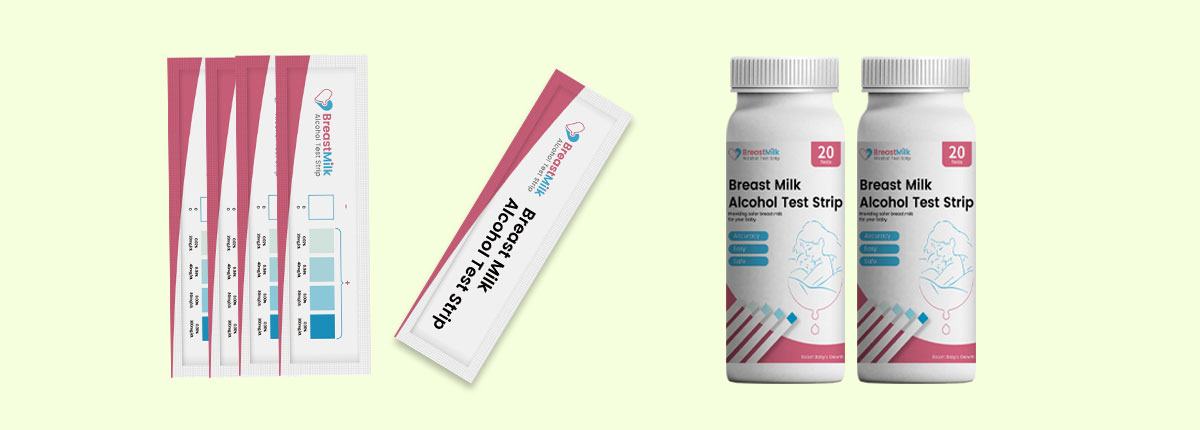
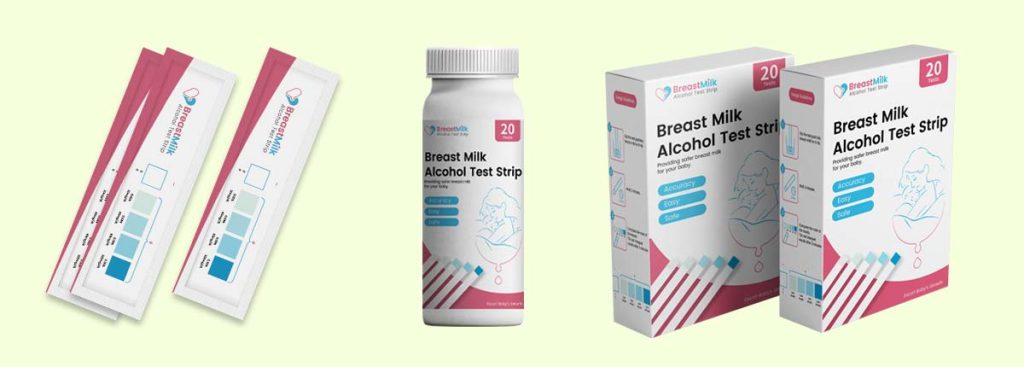
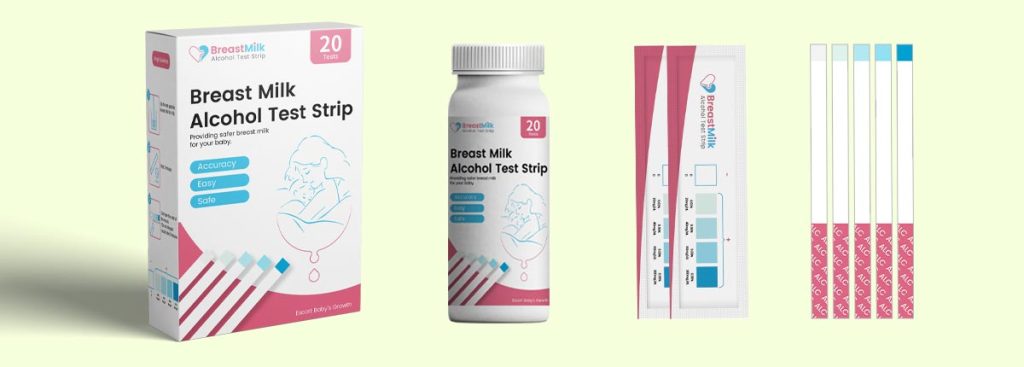
Tip: Using breast milk alcohol test strips can help mothers monitor alcohol levels and make safer choices for their infants.
How Alcohol Enters Breast Milk and Affects Feeding?
Alcohol Transfer and Concentration
Alcohol in breast milk results from the transfer of alcohol from the mother’s bloodstream. After maternal alcohol intake, alcohol quickly moves into breast milk, reaching its highest concentration about 30 to 60 minutes after consumption. The concentration in breast milk matches the level in the blood. As the blood alcohol level drops, the amount in breast milk also decreases. Lactating women may metabolize alcohol faster than non-lactating women, which can affect how long alcohol stays in breast milk. Eating food before or during alcohol consumption slows absorption, while drinking water helps reduce blood alcohol concentration. Guidance from healthcare professionals helps mothers understand the timeline of alcohol exposure and make informed decisions about breastfeeding.
Factors Influencing Alcohol Levels
Several factors affect the amount of alcohol in breast milk. The number of drinks consumed, the mother’s body weight, and the timing of consumption all play a role. The following points summarize how these factors influence alcohol levels:
Alcohol levels peak in breast milk 30 to 60 minutes after consumption.
The duration of alcohol detection in breast milk increases with the number of drinks.
Alcohol quickly transfers from the mother’s blood into breast milk.
As the mother’s blood alcohol level decreases, so does the alcohol level in her breast milk.
Alcohol use during lactation requires careful attention to these factors. Recommendations for safety include limiting consumption and monitoring exposure to protect infant development.
Disruption of Milk Flow and Intake
Alcohol use during lactation can disrupt milk flow and reduce infant intake. The effects depend on the amount of alcohol consumed. After 1 to 2 drinks, alcohol can be detected in breast milk for about 2 to 5 hours. With 3 drinks, detection lasts up to 8 hours. Alcohol exposure leads to decreased milk consumption by infants, sometimes up to 20% less than usual. This reduction can affect growth and development, especially with frequent or heavy consumption. Breastfeeding mothers should follow guidance to minimize exposure and support healthy feeding patterns.
Alcohol from 1 drink remains in breast milk for about 2 to 3 hours.
Alcohol from 2 drinks stays for about 4 to 5 hours.
Alcohol from 3 drinks can be detected for about 6 to 8 hours.
Tip: Mothers who plan to drink should allow enough time for alcohol to leave their system before breastfeeding. Recommendations from healthcare providers help ensure safety for infants.
Using Breast Milk Alcohol Test Strip
Monitoring alcohol in breast milk supports safe breastfeeding practices. The breast milk alcohol test strip offers a practical way to check alcohol levels at home. This tool provides rapid results and helps mothers make informed decisions about feeding. The table below compares breast milk alcohol test strips with traditional laboratory testing:
Feature
Breast Milk Alcohol Test Strip
Traditional Laboratory Testing
Detection Speed
Rapid result in two minutes
Hours to test sample
Sample Requirement
Small amount of sample
Large volume of sample
Detection Cost
Lower cost
Higher cost
Detection Accessibility
Anytime and anywhere
Only in laboratory
Application Scenarios
Daily monitoring, breastfeeding
Clinical detection, research
Breast milk alcohol test strips allow mothers to monitor alcohol exposure and follow recommendations for safe feeding. This tool supports healthy development and provides reassurance for families.
Alcohol and Breastfeeding: Safe Practices
Timing Breastfeeding After Drinking
Timing plays a key role in reducing infant exposure to alcohol in breast milk. Health organizations recommend several strategies for mothers who choose to drink. They suggest breastfeeding first, then consuming alcohol. Mothers should limit intake to one drink and wait at least two hours before nursing again. Eating food or drinking juice with alcohol can slow absorption. The table below shows the recommended waiting time after one standard drink:
Alcohol Consumption
Recommended Waiting Time Before Breastfeeding
1 standard drink
2-3 hours
Planning ahead helps mothers minimize exposure. They can pump and store milk before drinking. Mothers should avoid drinking while breastfeeding until the baby is at least eight weeks old. If a mother accidentally breastfeeds soon after drinking, she should not panic. Waiting two hours before the next feeding or using formula as an alternative can help ensure safety.
Note: Alcohol in the bloodstream appears in breast milk. Mothers should always consider the timing of consumption and feeding.
Is Pumping and Dumping Needed?
Many mothers wonder if pumping and dumping after alcohol use during lactation removes alcohol from breast milk. Research shows that this practice does not speed up the elimination of alcohol. The body clears alcohol from breast milk at the same rate as from the bloodstream. Pumping and dumping may help relieve discomfort from full breasts, but it does not make the milk safer for the baby.
Minimal alcohol consumption does not require pumping and dumping.
Moderate alcohol use during lactation is generally safe if mothers wait the recommended time before breastfeeding.
Mothers should wait at least two hours after drinking before nursing again.
Pumping and dumping is unnecessary unless for comfort.
“Expressing and pumping milk after drinking does not effectively remove alcohol from breastmilk. The alcohol level in breastmilk decreases only as the alcohol in the mother’s bloodstream decreases.”
Conclusion
Recent studies show that alcohol in breast milk can cause sleep disturbances, decreased milk intake, and delayed motor development in infants. The table below highlights key findings:
Key Findings
Effects on Infants
Sleep disturbances
Shorter sleep, increased wakefulness
Growth retardation
Impaired growth and weight gain
Cognitive development
Possible long-term effects on reasoning abilities
Parents can protect their babies by following safe breastfeeding practices. They should feed their baby before drinking, wait two hours after each drink, and avoid sharing a bed after alcohol use. Using a breast milk alcohol test strip offers extra reassurance. Support from healthcare professionals helps families make informed breastfeeding choices.
FAQ
Can Mothers Drink Alcohol While Breastfeeding?
Health experts advise that mothers can drinking while breastfeeding if they follow safety guidelines. They should wait at least two hours after one drink before nursing. This practice helps reduce the risk of alcohol exposure for infants.
How Long Does Alcohol Stay in Breast Milk?
Alcohol usually stays in breast milk for about two to three hours after one standard drink. The time increases with more drinks. Mothers should plan breastfeeding sessions to avoid feeding during this period.
Does Alcohol Affect Milk Production?
Alcohol can reduce milk production and change the taste of breast milk. Infants may drink less during breastfeeding sessions. This reduction can impact growth and comfort for the baby.
Are There Safe Alternatives If a Mother Wants to Drink?
Mothers can pump and store breast milk before drinking alcohol. They can also use formula for feedings during the waiting period. These options help maintain safe breastfeeding routines.
What Tools Help Monitor Alcohol in Breast Milk?
Breast milk alcohol test strips provide a quick way to check for alcohol before breastfeeding. These strips offer reassurance and support informed decisions for mothers who want to ensure their baby’s safety.
If you are interested in breast milk alcohol test strip, please fill out below form: